“Power concedes nothing without a demand.” — Frederick Douglass
What happens to a federal democracy when its chief ministers are chosen not for their strength, but for their weakness? When the powerful prefer the compromised over the competent, the indebted over the independent, what kind of governance architecture takes shape? As corruption cases turn into political leverage and loyalty outweighs legitimacy, we must ask: who truly governs India’s states today—the elected leaders or the puppeteers in Delhi? And what does this quiet redesign of power mean for the Constitution’s promise of autonomy? This article steps into that unsettling question—and the system built to keep it that way.
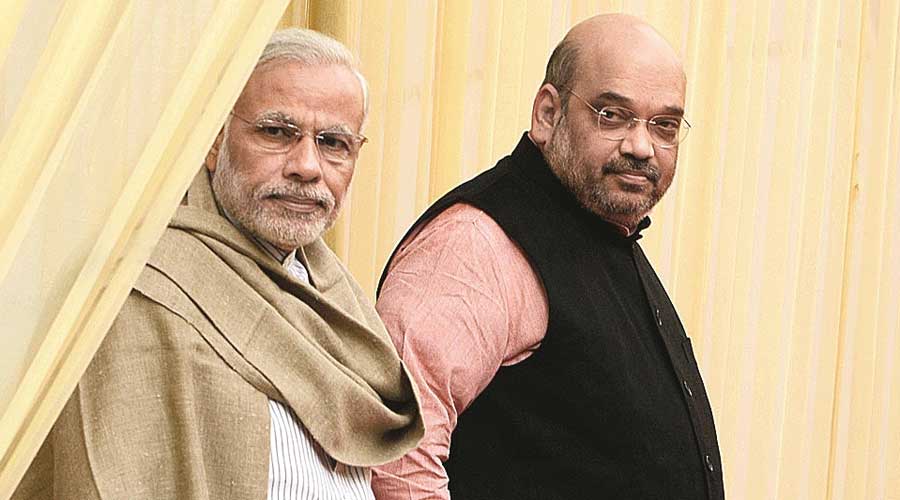
The practice of picking state leaders with tainted pasts or little independent clout has become a calculated tool for Narendra Modi and Amit Shah to centralise power in Delhi. By installing chief ministers who are either vulnerable due to corruption allegations or lack independent political bases, the Modi-Shah leadership ensures total control over state governments while maintaining plausible deniability. This dual approach, which selects the compromised or the powerless, has transformed India’s federal structure into a highly centralised system where state governments function as extensions of the Prime Minister’s Office rather than autonomous constitutional entities.
The Tainted Leaders: Chief Ministers and Senior Ministers Under Control
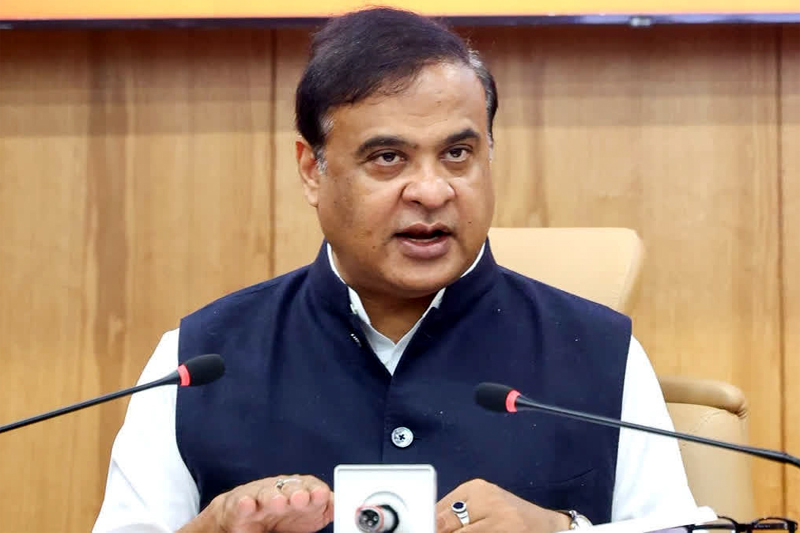
Assam Chief Minister Himanta Biswa Sarma represents the gold standard of this Modi-Shah strategy. Before joining the BJP in 2015, Sarma faced multiple allegations, including involvement in the Saradha chit fund scam, the Louis Berger bribery case, where American prosecutors documented nearly $1 million in bribes to Indian officials, TADA cases, and even extortion charges. The CBI interrogated him for eight hours and raided his residence in connection with the Saradha scam, with scam mastermind Sudipta Sen alleging Sarma took at least three crore rupees in cash over several months. The BJP’s own 2015 booklet labeled him a “key suspect” in the Louis Berger scandal, yet after his switch to the BJP under Modi-Shah’s watch, these investigations lost momentum. When asked in 2016 about giving Sarma a clean chit, Amit Shah himself said “all charges of corruption will be probed,” but no meaningful action followed.
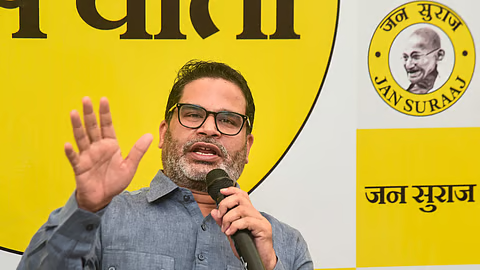
Bihar Deputy Chief Minister Samrat Choudhary’s elevation despite serious criminal allegations exemplifies the same blueprint. Political strategist Prashant Kishor revealed that Choudhary is accused in six murder cases, including the 1995 Tarapur case, where six people were killed. Kishor also alleged Choudhary was a suspect in the heinous Shilpi-Gautam gangrape and murder case of 1999, and accused him of repeatedly changing his name from Samrat Kumar Maurya to Rakesh Kumar to Rakesh Kumar alias Samrat Kumar Choudhary—to manipulate documents and evade charges. Yet none of these allegations has prevented his appointment as Bihar’s second-most powerful leader.
Bihar Health Minister Mangal Pandey faces corruption allegations, with evidence showing Rs 2.12 crore deposited into his wife’s account between 2019 and 2020, with no disclosure of the source of funds. Kishor alleged that BJP MP Sanjay Jaiswal transferred Rs 25 lakh to Pandey’s father’s account on August 6, 2019, money used to purchase a flat in Delhi’s Dwarka in the minister’s wife’s name, with Jaiswal even signing as a witness. Despite claiming to have borrowed Rs 25 lakh from his father, Pandey never mentioned this transaction in his 2020 election affidavit under unsecured loans. Kishor further alleged that Pandey showed his gratitude by granting deemed university status to a medical college in Kishanganj, where Jaiswal has significant stakes.
Goa Chief Minister Pramod Sawant faced allegations before his elevation to the top position, fitting the Modi-Shah template of selecting leaders with vulnerabilities. This pattern ensures that state leaders remain dependent on central protection, making them compliant administrators rather than independent power centers.
The Washing Machine: Where Taint Becomes Legitimacy
Critics have dubbed the Modi-Shah operation a “washing machine” where leaders enter with corruption cases and emerge cleansed, ready for high office. Maharashtra’s Deputy Chief Minister Ajit Pawar joined the NDA alliance in 2023 despite facing allegations in the multi-crore irrigation scam. Karnataka’s B.S. Yediyurappa confronted multiple corruption charges during his tenure as chief minister but continued in high office. West Bengal’s Suvendu Adhikari switched from Trinamool Congress to BJP while facing the Narada sting operation case, and investigations lost steam after joining Modi-Shah’s fold.
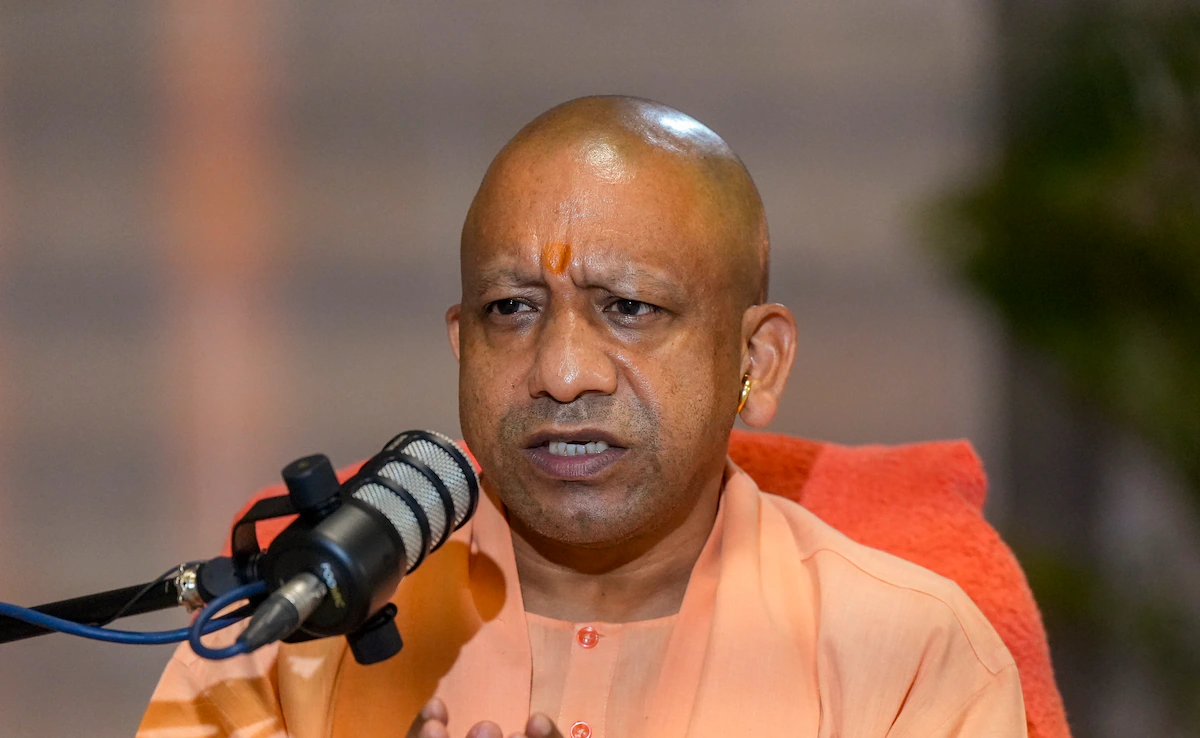
Uttar Pradesh Chief Minister Yogi Adityanath rose to power despite criminal cases, including charges involving murder, kidnapping, and crimes against women. Gujarat Minister Bachubhai Khabad’s family members were arrested in an alleged MGNREGA scam involving over Rs 100 crore in corruption, yet he maintained his ministerial position. Former BJP MP Dinu Bogha Solanki faced money laundering accusations linked to offshore betting syndicates, but faced no consequences after alignment with Modi-Shah. Since 2014, at least 25 opposition leaders who joined the BJP while facing corruption investigations received some form of reprieve three cases closed entirely, and 20 others stalled or in cold storage.
This mechanism serves a dual purpose: it neutralises opposition by poaching their leaders while simultaneously creating a cadre of compromised administrators beholden to Modi and Shah for protection. The bargain is explicit: protection for absolute obedience — stray from the script and dormant cases can be reactivated via central agencies like the CBI, ED, and IT departments.
The Powerless Administrators: Dummies by Design
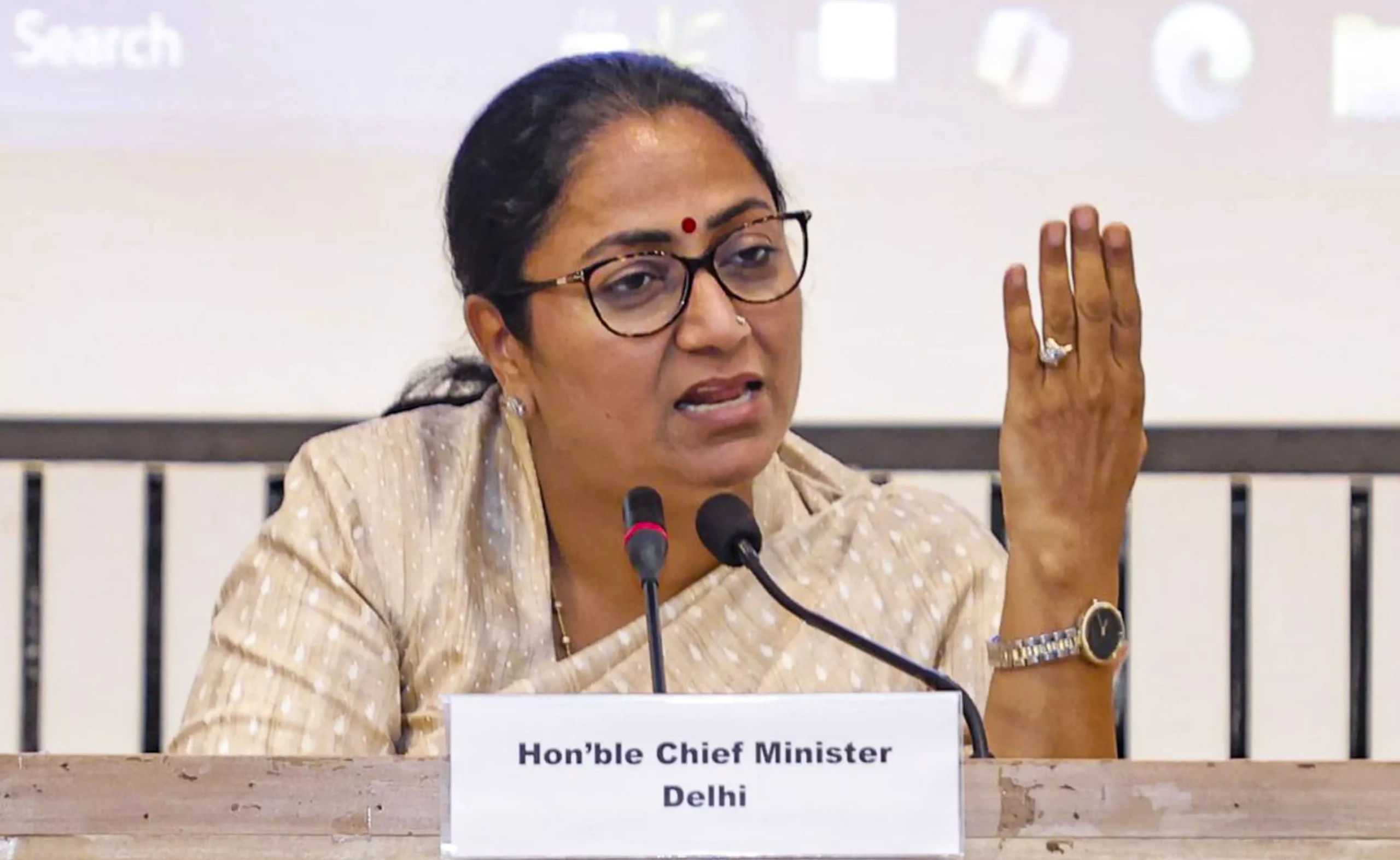
The second category includes politically weak chief ministers installed by Modi and Shah precisely because they lack independent support bases. Delhi Chief Minister Rekha Gupta, a first-time MLA from Shalimar Bagh, exemplifies this template perfectly. Despite having no legislative experience and no independent political base, she was appointed chief minister after the BJP’s 2025 Delhi victory, immediately declaring that her government would work under “Modi ji’s leadership” to implement “Modi ki Guarantees”. Her dependence on central directives is total—she cannot deviate from the Modi-Shah agenda without risking her position.
Mohan Yadav in Madhya Pradesh, appointed after the 2023 elections despite being a relatively unknown third-term MLA from Ujjain, represents the same Modi-Shah strategy. Manohar Lal Khattar in Haryana was never a mass leader before Modi and Shah made him chief minister, and analysts noted he was “a classic product of this perverse syndrome” of selecting leaders based on “loyalty and timidity, not on the strength of popularity and competence”. These appointments bypass established party leaders with grassroots support in favor of administrative functionaries who owe their positions entirely to the Modi-Shah duo. Without personal vote banks or independent party stature, they cannot challenge directives from the Modi-Shah leadership or develop autonomous power bases within their states.
Centralisation Through Fear and Dependence
This dual strategy serves Modi and Shah’s broader objective of unprecedented power centralisation. For tainted leaders like Himanta Biswa Sarma, Samrat Choudhary, and Mangal Pandey, political survival depends on protection from Modi and Shah through control of central investigative agencies, making defiance unthinkable. For weak leaders like Rekha Gupta, Mohan Yadav, and Manohar Lal Khattar, the dependence is structural without backing from the Modi-Shah duo and the party’s organisational machinery; they lack the political capital to govern effectively. Both categories function as “yes men,” unable to resist directives from Modi and Shah on policy, appointments, or resource allocation, transforming chief ministers from constitutional heads of autonomous state governments into middle managers implementing decisions from the Modi-Shah headquarters and fundamentally altering India’s federal character.