Bail, Parole, and the Constitution: What the Umar Khalid–Ram Rahim Contrast Reveals


This analysis examines the constitutional implications of two recent contrasting judicial outcomes—continued pre-trial incarceration of activist Umar Khalid and repeated parole granted to convicted offender Gurmeet Ram Rahim Singh—to question how liberty is being administered in practice in India. Without equating the legal merits of individual cases, it argues that prolonged undertrial detention and discretionary parole must be assessed against the Constitution’s core guarantees of equality and personal freedom, as interpreted by the Supreme Court of India.
The piece invites readers to consider whether constitutional principles are being applied consistently—or selectively—at a moment when faith in equal justice under law is under strain. The accompanying article by Aftab Ahmad, published separately, analyses the injustice being meted out to Umar Khalid in greater detail. (Click here to read)
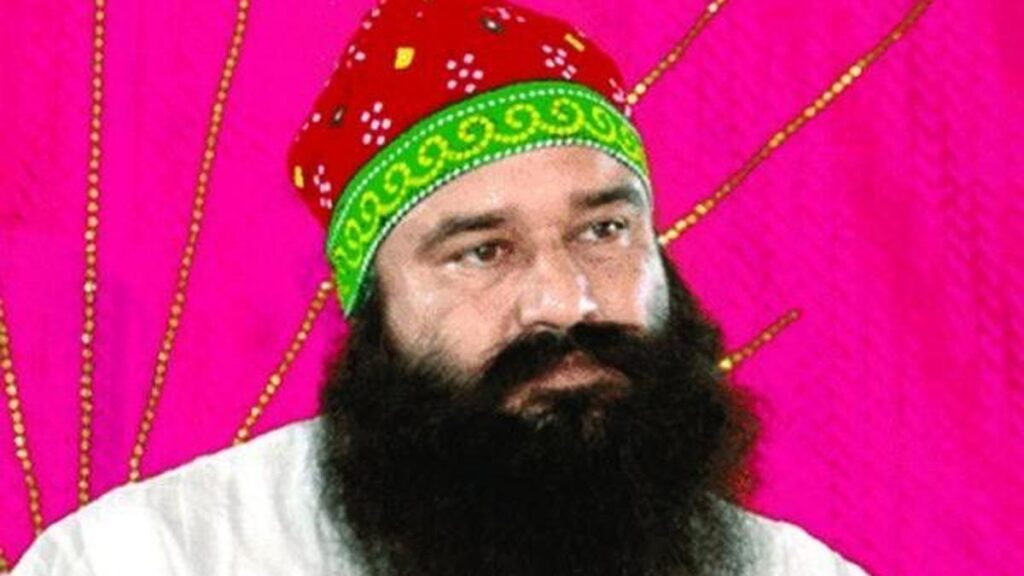
The contrast between the continued incarceration of Umar Khalid and the repeated parole granted to Gurmeet Ram Rahim Singh has unsettled public conscience not because the two cases are legally identical, but because together they expose a troubling constitutional drift. Liberty, it appears, is no longer anchored in rights but calibrated by power and political convenience.
Under Article 21 of the Constitution, personal liberty may be curtailed only by a fair, just, and reasonable procedure. Over decades, the Supreme Court of India has repeatedly affirmed that this includes the right to a speedy trial and protection against arbitrary detention. Yet, in practice, prolonged pre-trial incarceration has become routine—especially in cases involving dissent—while convicted offenders with political clout experience the law’s softer edges.
This is not a new constitutional question. In Hussainara Khatoon¹, the Court held that long detention of undertrials is itself a violation of Article 21. Soon after, Justice Krishna Iyer’s famous formulation in Balchand²—“bail is the rule, jail the exception”—established the normative core of Indian bail jurisprudence. The warning was sharpened in Gudikanti Narasimhulu³: denial of bail must not become punishment by another name.
And yet, special statutes like UAPA have inverted this logic. While the law remains on the statute book, its everyday application has turned the process into penalty. The Court itself acknowledged this danger in Arnab Goswami⁴, reminding lower courts that liberty cannot be sacrificed to procedural rigidity. More decisively, in K.A. Najeeb⁵, the Court held that even statutory embargoes on bail cannot override constitutional courts’ duty to release an undertrial when incarceration becomes unreasonably prolonged and trial timelines collapse.
Parole, by contrast, is an executive discretion grounded in reformative penology. But discretion is not a licence. In Manu Sharma⁶, the Court warned that remission and parole must satisfy Article 14’s test of non-arbitrariness and cannot be shaped by extraneous considerations. When parole coincides conspicuously with electoral cycles or political needs, constitutional suspicion is not only justified—it is necessary.
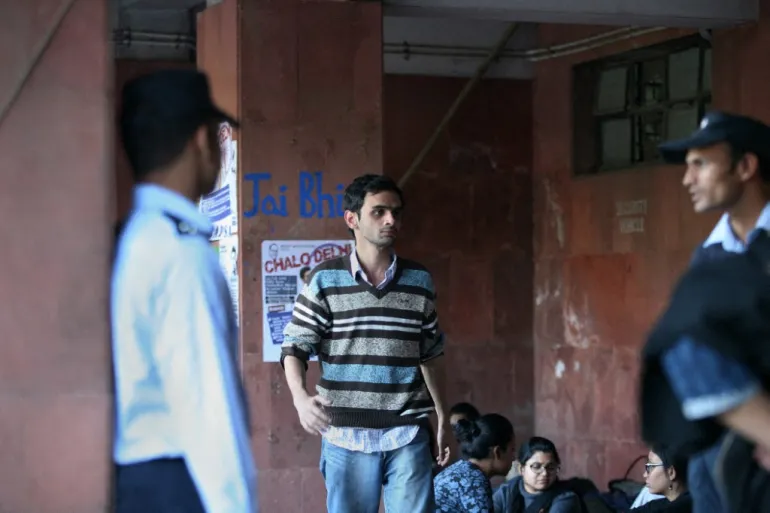
The danger here is not merely unequal outcomes but unequal messages. One tells citizens that dissent may cost them years of freedom without conviction. The other suggests that conviction itself may be negotiable for the influential. This asymmetry corrodes faith in the rule of law and subtly redraws the boundary between citizen and subject.
Constitutions do not die in coups; they erode through selective application. Courts may continue to recite the poetry of liberty, but history will judge them by prose: who was jailed, who was freed, and why. If procedure is allowed to become punishment and discretion to become favour, Article 21 risks hollowing out from within.
Footnotes
- Hussainara Khatoon (I) v. State of Bihar, (1979) 3 SCC 532 — Right to speedy trial as part of Article 21.
- State of Rajasthan v. Balchand, (1977) 4 SCC 308 — “Bail is the rule, jail the exception.”
- Gudikanti Narasimhulu v. Public Prosecutor, (1978) 1 SCC 240 — Bail denial must not amount to punishment.
- Arnab Manoranjan Goswami v. State of Maharashtra, (2021) 2 SCC 427 — Courts as sentinels of liberty.
- Union of India v. K.A. Najeeb, (2021) 3 SCC 713 — Prolonged undertrial incarceration justifies bail despite statutory restrictions.
- Manu Sharma v. State (NCT of Delhi), (2010) 6 SCC 1 — Parole and remission subject to Article 14 non-arbitrariness.
Related Article: The Bell Tolls for Due Process: The Infinite Incarceration of Umar Khalid and Sharjeel Imam