

ASI Exposed: CAG Confirms Heritage Betrayal in Lucknow

The CAG Report No. 36 of 2025, tabled in Parliament today on 30th March 2026, is not a revelation, but a formal confirmation of what those of us who have been fighting in the trenches for the cultural heritage of Lucknow have known, experienced, and documented for years. The Archaeological Survey of India (ASI) has, for far too long, hidden behind the façade of a blue signboard while the monuments it was entrusted to protect have crumbled, been encroached upon, and in some cases, simply vanished from the face of the earth.
The CAG audit succinctly reveals that out of 487 Centrally Protected Monuments across three major ASI circles in Uttar Pradesh, a staggering 31 monuments remain untraceable. Let that sink in. Monuments of declared national importance gone. Disappeared. And yet, with breathtaking bureaucratic audacity, ASI continues to carry them on its official list. This is not negligence; this is institutional dishonesty. This is a government agency maintaining a paper empire of monuments it can neither locate nor account for. One is compelled to ask: if a monument cannot be traced, what exactly has ASI been protecting all these years? What has the public exchequer been funding?
The report further exposes that ASI was operating 456 CPMs (Centrally Protected Monuments)—a staggering 94 per cent of all protected monuments in UP—without legal title. Without proper land record mutation. Without ownership documentation. This is the same ASI that invokes its authority to deny access, stall development, and dictate terms to citizens and local bodies. It claims sweeping jurisdiction over monuments it does not legally own and cannot legally prove it controls. This contradiction is not merely administrative; it is a fundamental subversion of the law that ASI was created to uphold.
The audit rightly points out that the Ancient Monuments and Archaeological Sites and Remains Act, 1958, itself failed to define the scope of “national importance”, but what is far more damning is that ASI, over seven decades, made no serious effort to fill that legislative vacuum through practice, policy, or proactive documentation. About 86 per cent of notifications lack even the basic detail of the area and boundaries of the protected monuments. Without defined boundaries, how does ASI identify encroachment? How does it initiate legal action? The answer, as those of us who have filed PILs and engaged these officers know all too well, is that it simply does not. Inaction is the institutional default.
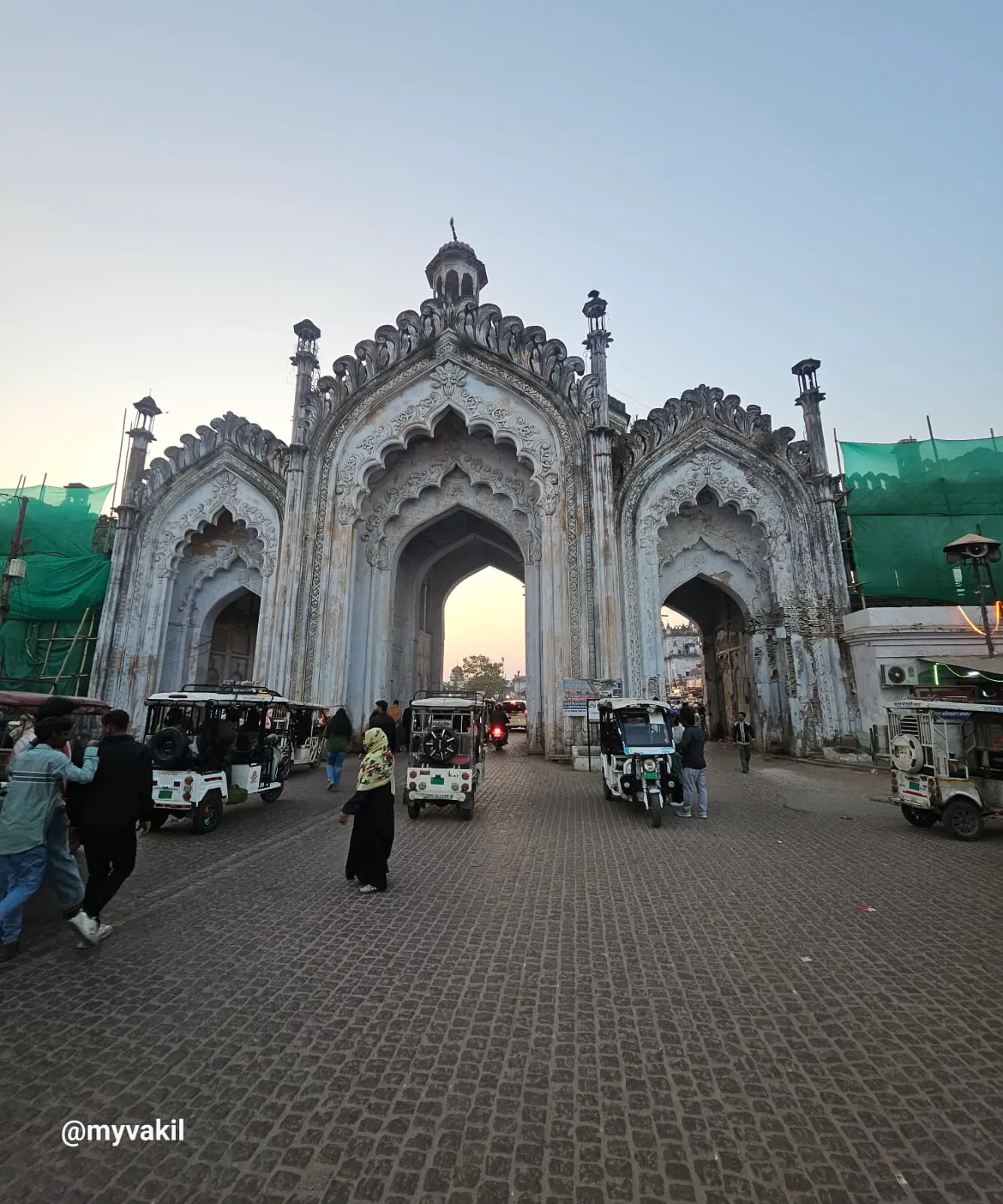
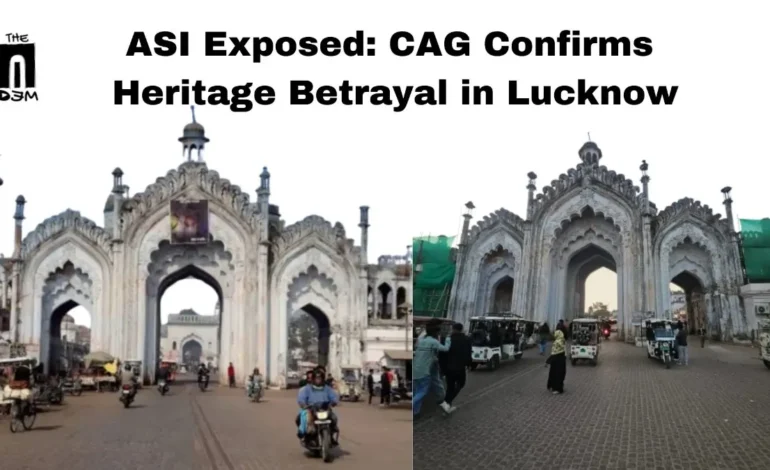
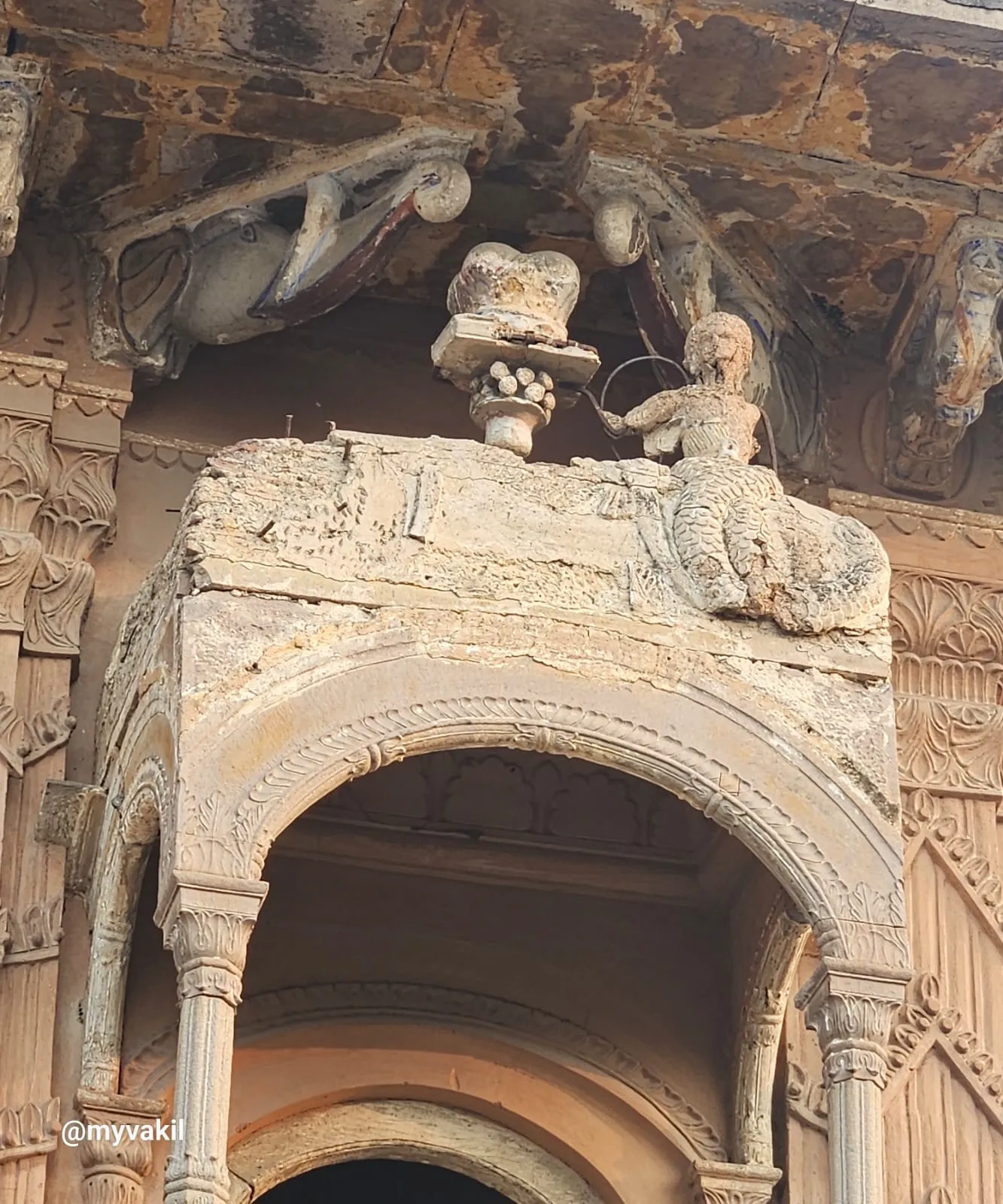
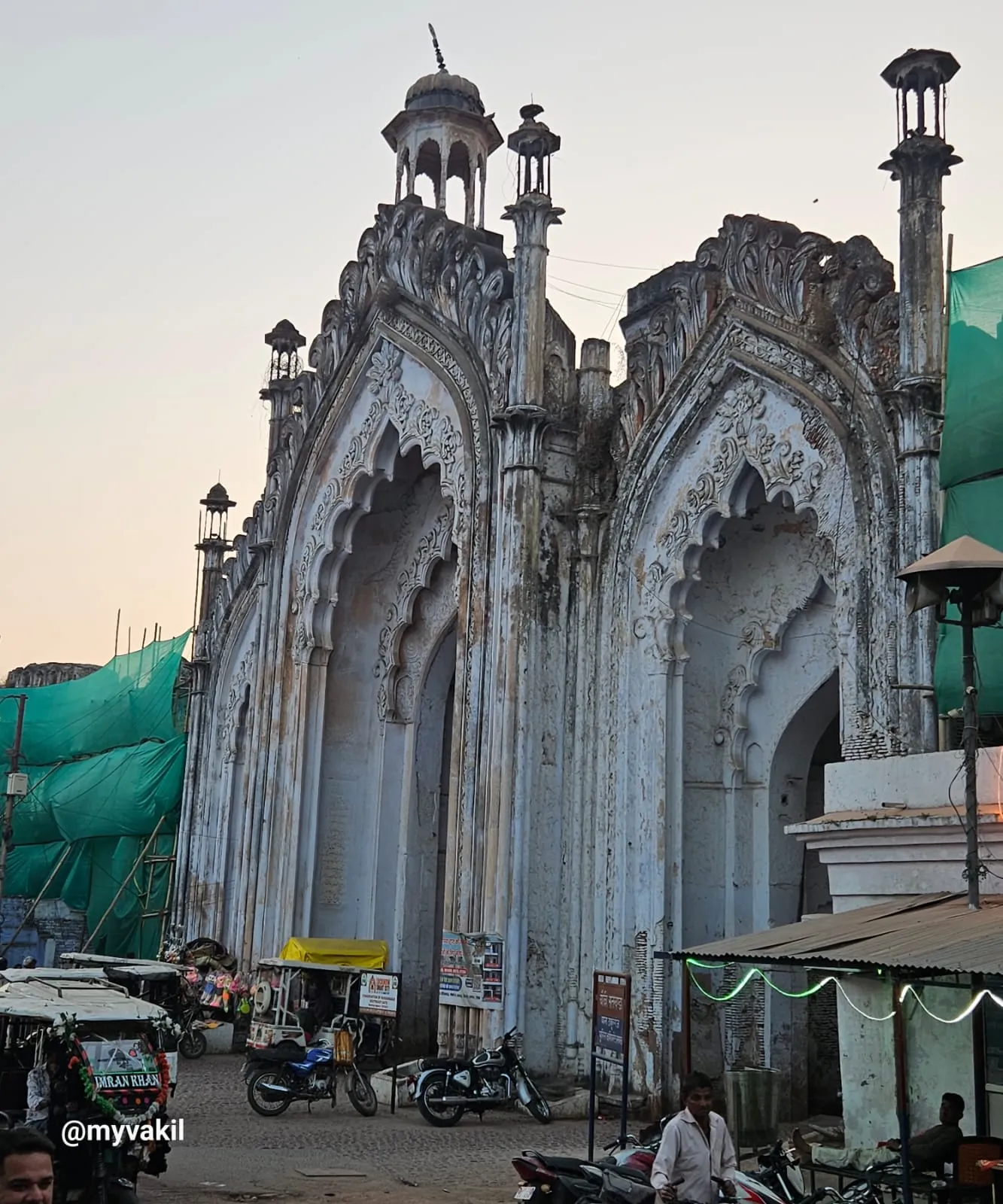
It is an irony to note that by Gazette Notification No. 1645-M/1133 dated 22 December 1920, the Tomb of Mohammad Ali Shah (Chota Imambara) was declared a protected monument, yet the Archaeological Survey of India failed to take responsibility for its gates, which had been encroached upon and were close to collapse. It was only through the intervention of the High Court and the efforts of the author, whose PIL helped safeguard Lucknow’s heritage, that the gates are now being repaired by INTACH. Unlike the Hussainabad Trust, which earlier used cement and caused lasting damage, INTACH is using traditional materials. The ASI’s neglect in this matter is part of a much larger record of improprieties that no audit could fully capture.
As someone who has personally engaged with ASI officers in Lucknow while taking up issues regarding the heritage of this city, I can testify that the CAG report only scratches the surface. These officers have perfected the art of non-response. They do not attend hearings proactively. They do not initiate surveys. They do not act on complaints. And most tellingly, they block the contact numbers of heritage activists and concerned citizens who dare to hold them accountable. I have personally experienced this. When a government officer blocks a citizen who is asking him to discharge his statutory duty, it is not merely unprofessional; it is a gross contempt of the public trust.
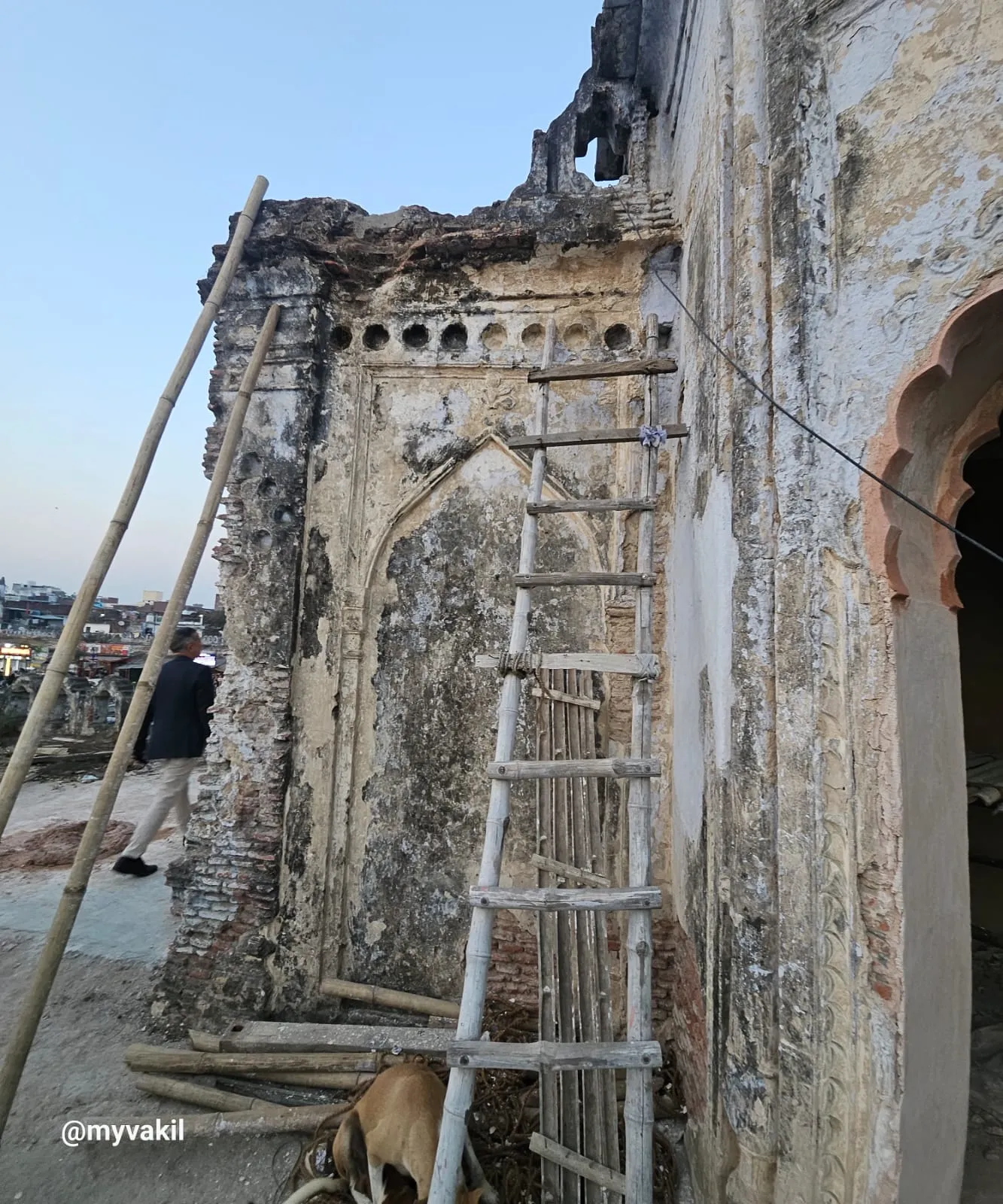
What the CAG report does not fully capture, but which my research has documented, is the quiet, insidious practice of delisting monuments on grounds of “ceasing to be of national importance.” This has been used as a tool to paper over failures of protection. When a monument cannot be saved, when encroachments become too entrenched, when negligence has gone too far—the easier bureaucratic solution is to simply remove it from the list rather than fix the problem. This is heritage management in reverse. It is the erasure of history to protect the reputation of an agency that has failed in its mandate. Glaring examples of the monuments lost on this count include the Qadam Rasul, Begum Kothi, Imambada Ghulam Husain Khan, Chota Chhatar Manzil of Lucknow, Narsimha Temple in Guntur, Shergarh Fort in Bihar, Rameswar Temple in Dharwar, Neel Kantha Mahadeva Temple in Banswara, Rajasthan, and dozens of similarly situated monuments. The number of monuments added post-independence is dismally low.
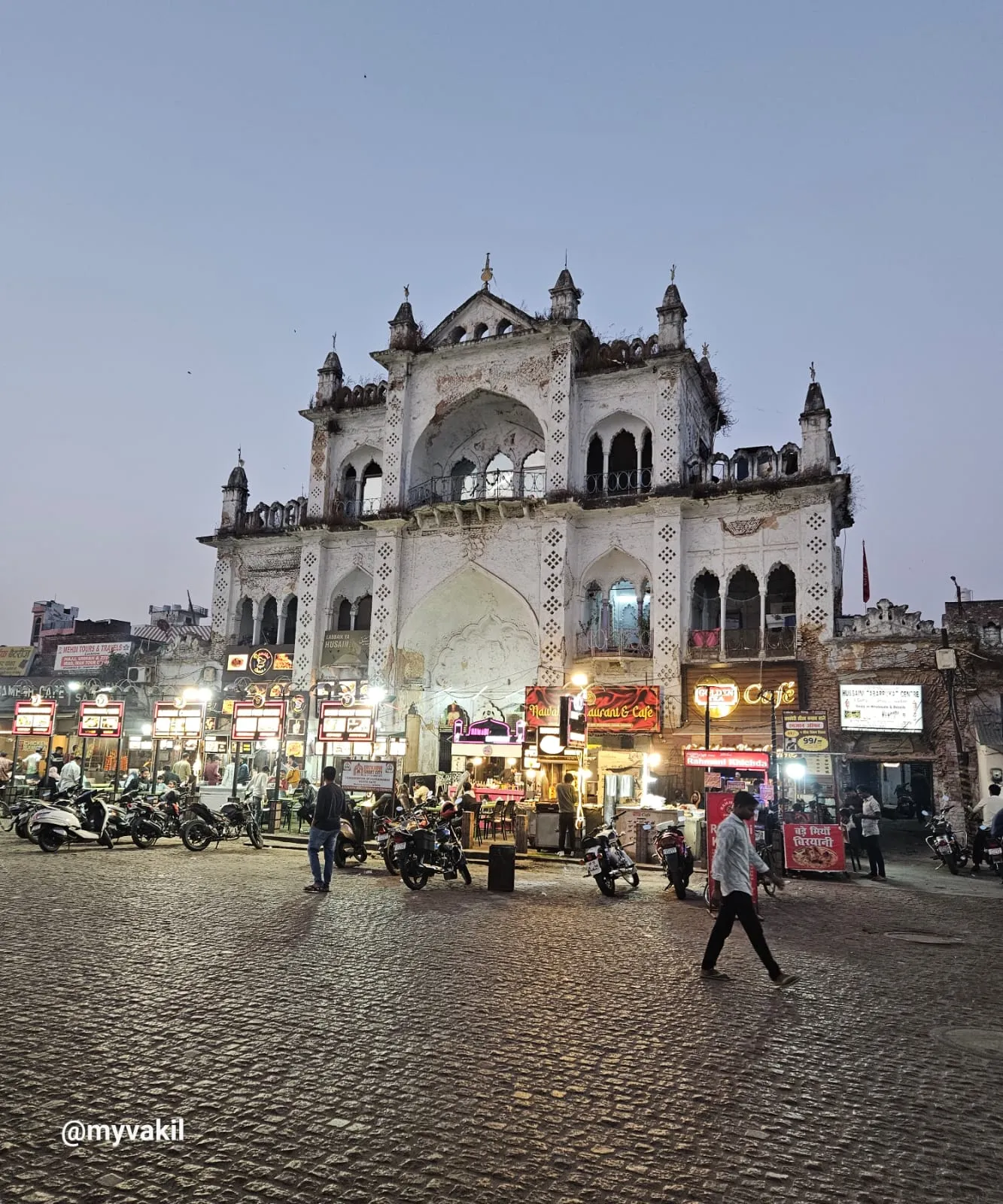
The audit’s finding that antiquities are stored in deteriorating conditions and that only 20 per cent have been digitised is yet another marker of institutional apathy. In an age where digital preservation tools are readily available and relatively inexpensive, this failure is inexcusable. Lucknow alone has a rich repository of antiquities that speak to centuries of composite culture, Nawabi heritage, and pre-Mughal history. Their deterioration under ASI’s watch is a civilisational loss that no future government can undo.
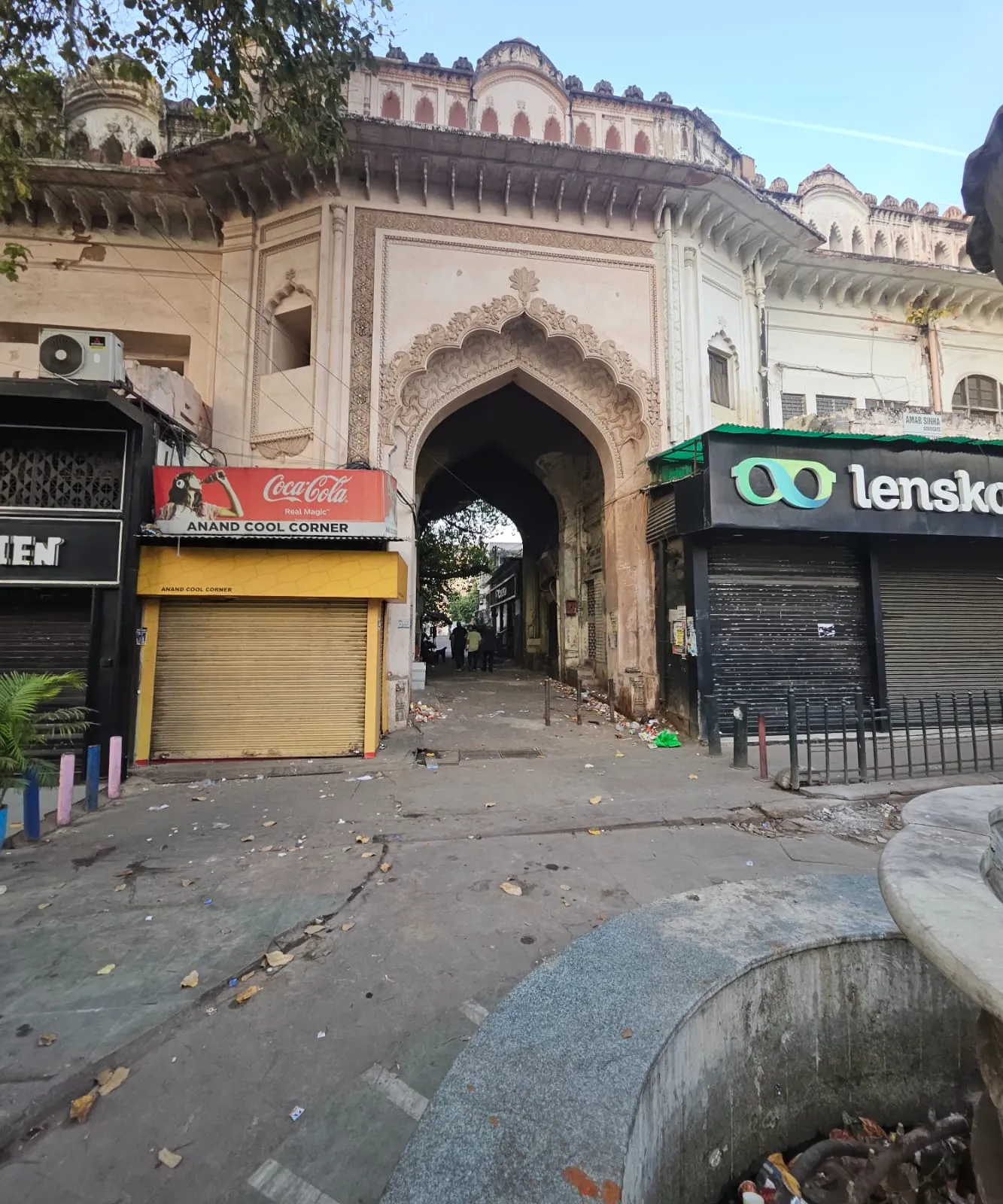
It is precisely because of this institutional culture of evasion and neglect that I was compelled to file a PIL and pursue the cause of Lucknow’s monumental heritage through the courts. The judiciary has had to step in where the executive has abdicated. That a citizen must litigate to compel a government agency to perform its basic statutory duties tells you everything about the state of heritage governance in this country.
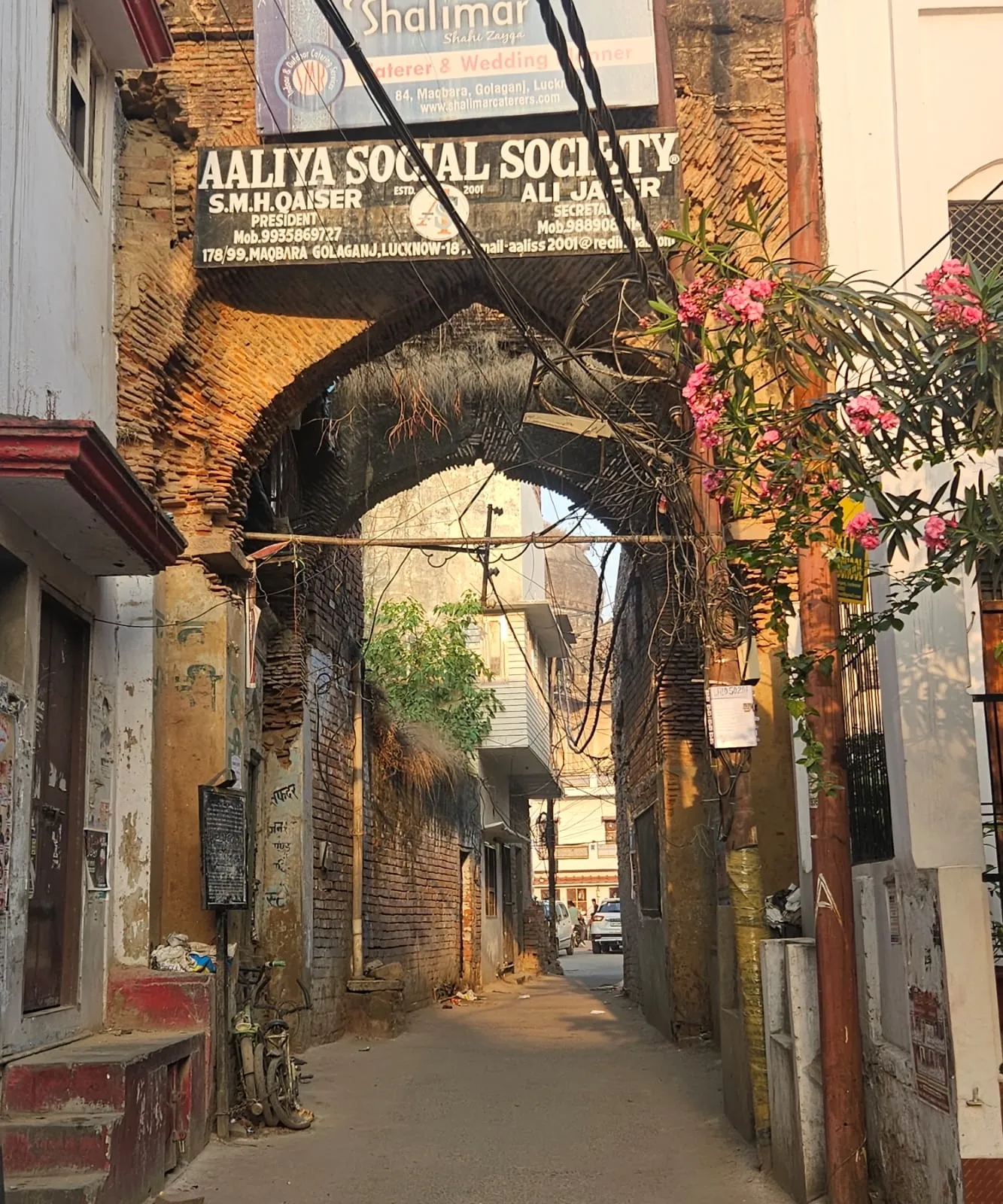
The CAG report must not be allowed to gather dust as previous audit reports have. Parliament must take cognisance. The Ministry of Culture must act. ASI’s senior leadership must be made to answer—not in comfortable internal reviews, but before Parliamentary Committees and, where necessary, before courts of law.
The monuments of Uttar Pradesh, of Lucknow, do not belong to ASI. They belong to the people of India and to history itself. It is high time ASI was reminded of that.








“A deeply concerning revelation—heritage preservation must be a priority, not a casualty of negligence. Accountability is essential to restore trust and protect our historical legacy.”