

‘Wake Up Keralam’ Rallies Behind Student Movement, Plans Solidarity Actions

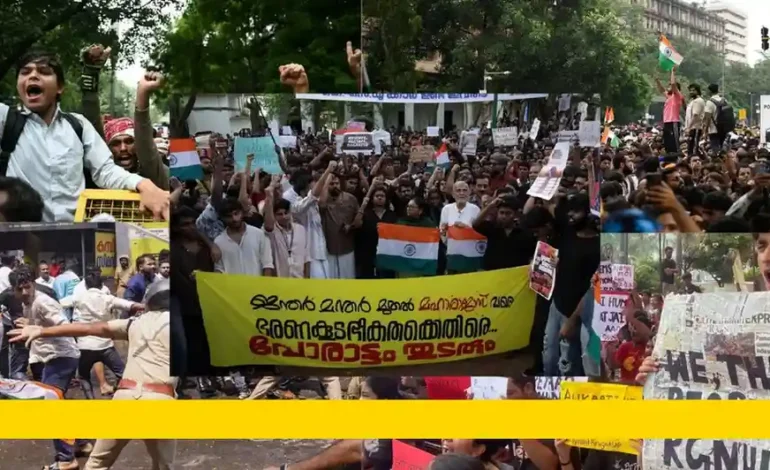
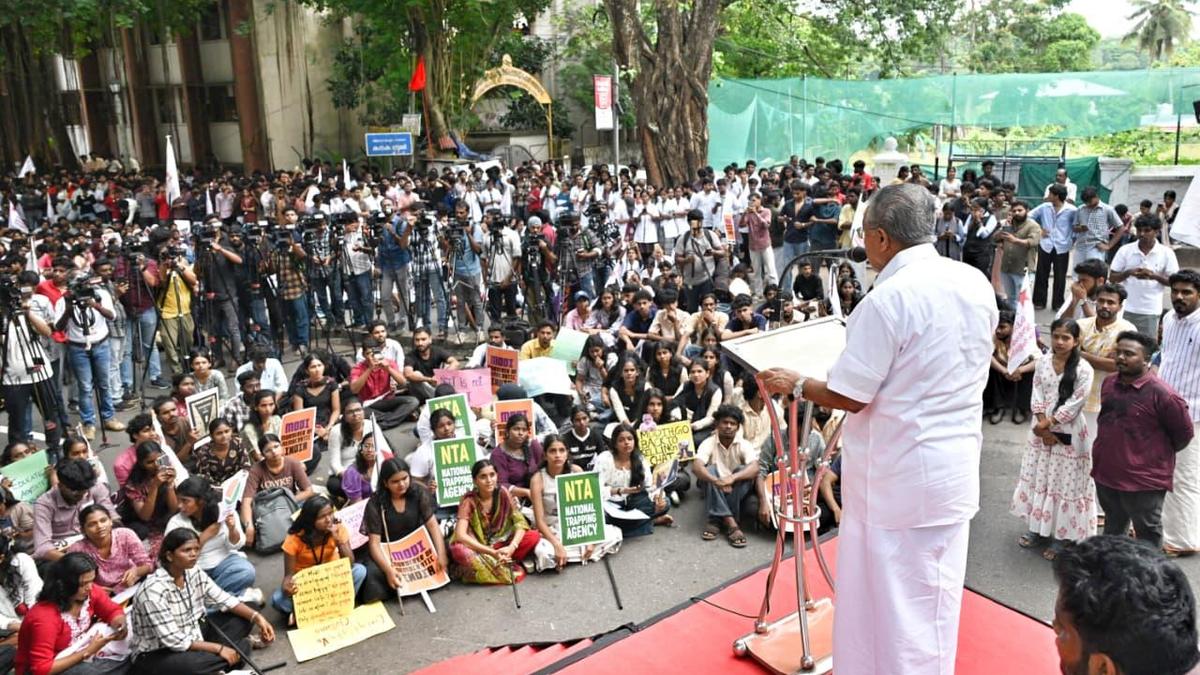
As the nationwide student movement gathers momentum and widens into a larger struggle for democratic rights and accountability, Kerala-based civil society collective Wake Up Keralam has announced a statewide programme of solidarity actions, including hunger strikes, protest rallies and public meetings. In a strongly worded statement, the organisation condemned the Union government’s handling of the protests, hailed the students for injecting “a valuable new impetus” into Indian democracy, and called for a broader democratic mobilisation against what it described as the Modi government’s increasingly authoritarian response to peaceful dissent..
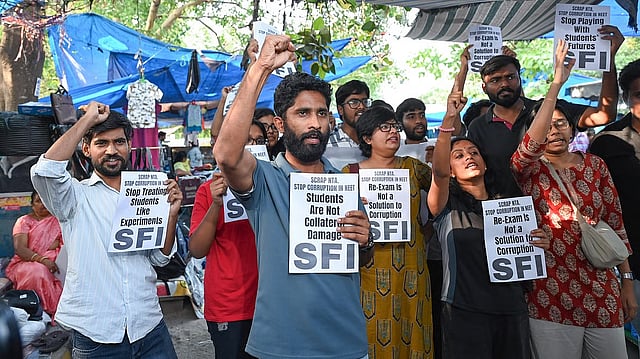
The statement comes at a time when protests, which initially emerged over allegations of repeated question paper leaks in competitive and entrance examinations, have expanded into a broader movement centred on democratic rights, accountability and dialogue. The protests, led by students under the banner of the Cockroach Janata Party and supported by climate activist Sonam Wangchuk, have drawn national attention following reports of police action against demonstrators and the extensive circulation of protest visuals through social media.
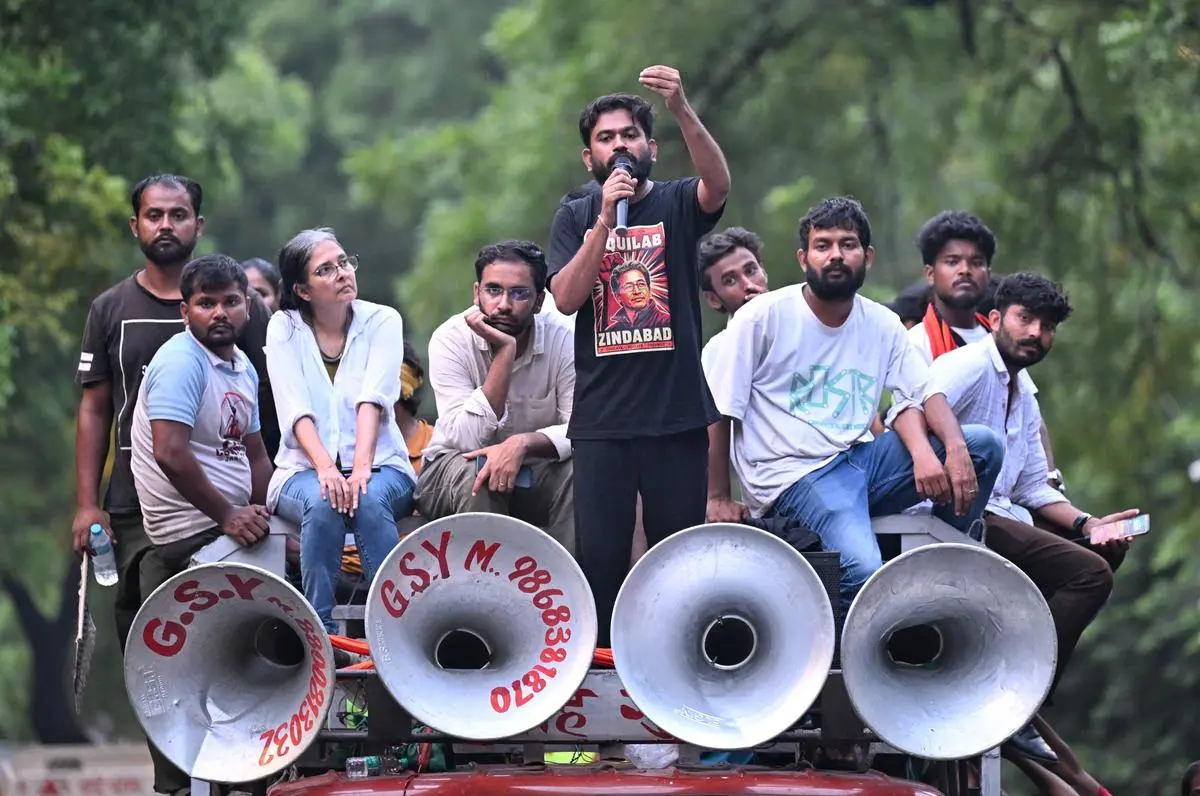
Addressing the student protesters, Wake Up Keralam said it was “deeply disturbed by the unprecedented cruelty displayed by the arrogant and inhumane Modi regime towards your peaceful Satyagraha,” while extending “heartfelt greetings to all young protesters.”
The organisation stated that it strongly condemns what it described as the government’s unwillingness to engage in dialogue with young people demonstrating through democratic and non-violent means.
Broad Civil Society Platform
Describing itself as “a broad platform of senior writers, artists and cultural activists from Kerala,” Wake Up Keralam said it has consistently opposed what it termed the “extreme right-wing government that rules by sowing communal divisions.”
The statement places the present agitation within the wider context of constitutional values, secularism and democratic participation, arguing that the student movement represents more than a protest over examination irregularities.
Instead, it views the mobilisation as part of a larger democratic assertion by young people seeking accountability from public institutions.
Hunger Strikes and Statewide Mobilisation
Alongside expressing solidarity, the organisation announced a series of programmes across Kerala in support of the agitation.
According to the statement, Wake Up Keralam is organising one-day hunger strikes, protest rallies and public gatherings across different parts of the state.
It noted that the campaign began in Kozhikode on July 18 and is now expanding to several districts.
The organisation also expressed support for the indefinite hunger strike undertaken by Sonam Wangchuk alongside student protesters in Delhi, assuring that the campaign would continue “until your just demands are met.”
Call for Political Unity
One of the central themes of the statement is the need for broader democratic unity.
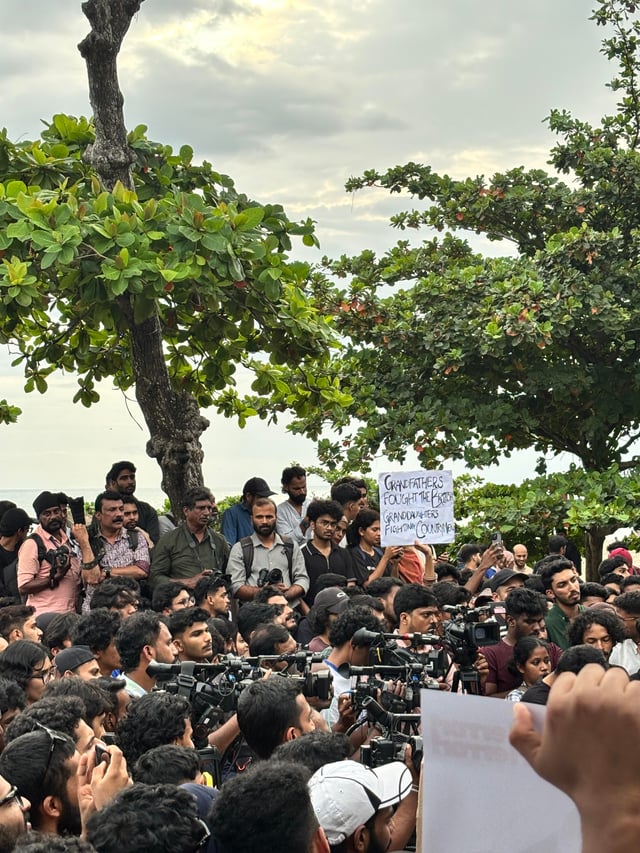
“We believe that a broad political unity is essential to resist the BJP government,” the statement says, alleging that the ruling establishment has deepened social divisions while pursuing policies detrimental to workers, farmers and students.
The organisation further argues that the present student movement has succeeded in creating precisely such a wider democratic coalition.
“The flame of struggle you have lit will surely illuminate these dark times,” the statement says, expressing hope that the movement’s commitment to tolerance, sacrifice and democratic resistance would continue with greater strength.
Growing Civil Society Response
Wake Up Keralam’s intervention adds to the growing list of civil society organisations, writers’ collectives, academics and cultural figures who have publicly expressed support for the student agitation in recent weeks.
The movement has increasingly attracted endorsements from artists, writers, retired public officials and activists across several states, reflecting concerns over both examination irregularities and the handling of peaceful protests.
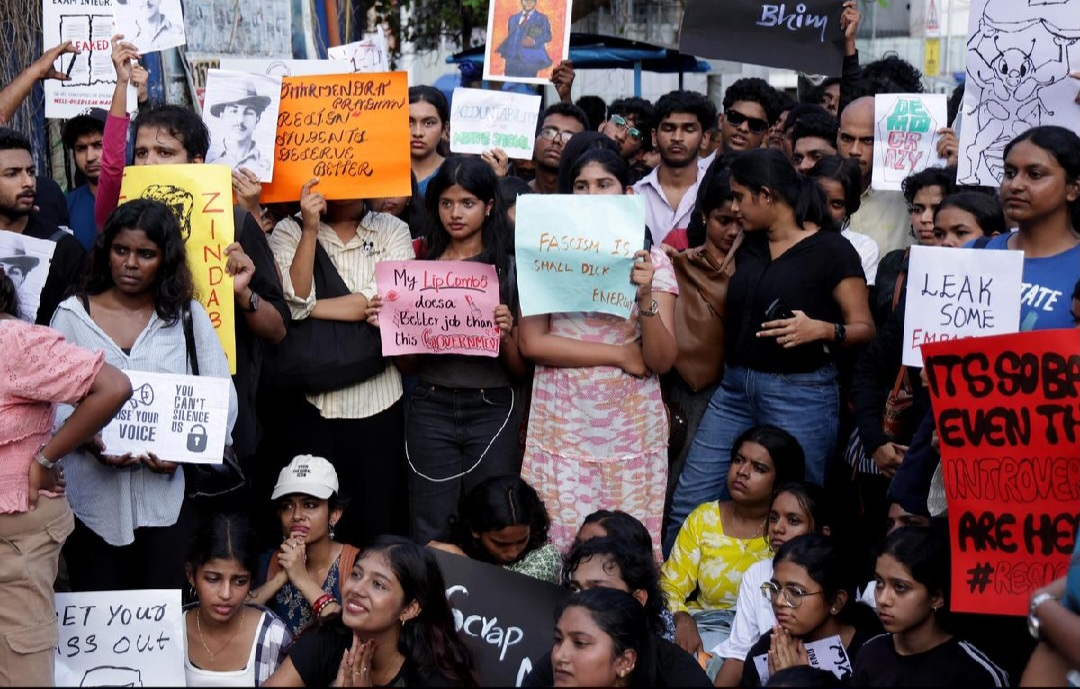
The protests have also reignited debate over the shrinking space for democratic dissent, police action against demonstrators and the role of independent media and citizen journalism in documenting developments on the ground.
Over the past several weeks, The AIDEM has reported extensively on different aspects of the ongoing movement, including the expanding participation of students, the nationwide solidarity campaigns, questions surrounding media coverage, and debates on democratic rights and constitutional freedoms.
With organisations such as Wake Up Keralam now announcing coordinated public programmes in Keralam, the support base for the agitation appears to be extending beyond campuses into broader sections of civil society, signalling that the movement continues to evolve as a wider democratic mobilisation rather than remaining confined to its original trigger.






“Student movements have often been the conscience of society, reminding us that democracy grows stronger when young voices are heard rather than ignored. Solidarity across communities reflects a shared commitment to justice, accountability, and the right to peaceful dissent. An important and timely report.