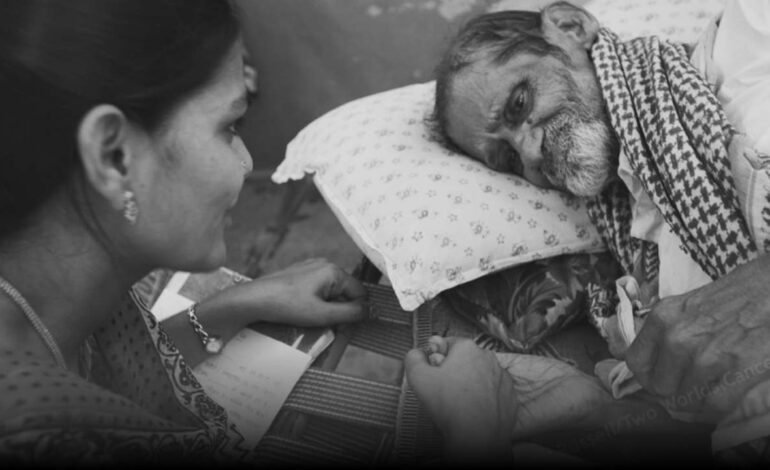
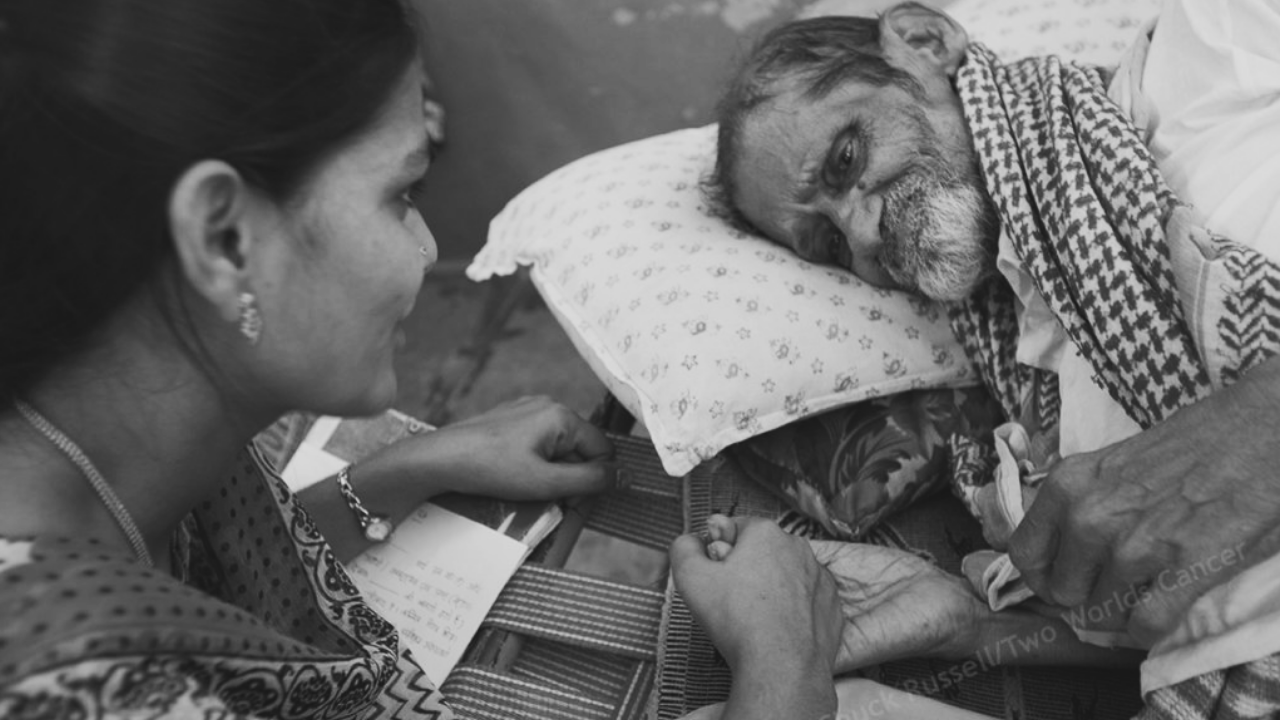
Every year, on the second Saturday of October, the world observes World Hospice and Palliative Care Day. For India, however, this is not just another day of awareness — it is a moment to confront an uncomfortable truth.
In a country where over ten million people need palliative or end-of-life care annually, less than four percent receive it. The rest — millions of our fellow citizens — live and die in avoidable pain.
This year’s global theme, “Healing Hearts and Communities,” calls us to reflect: Are we, as a society, responding to suffering with compassion — or turning away in silence?
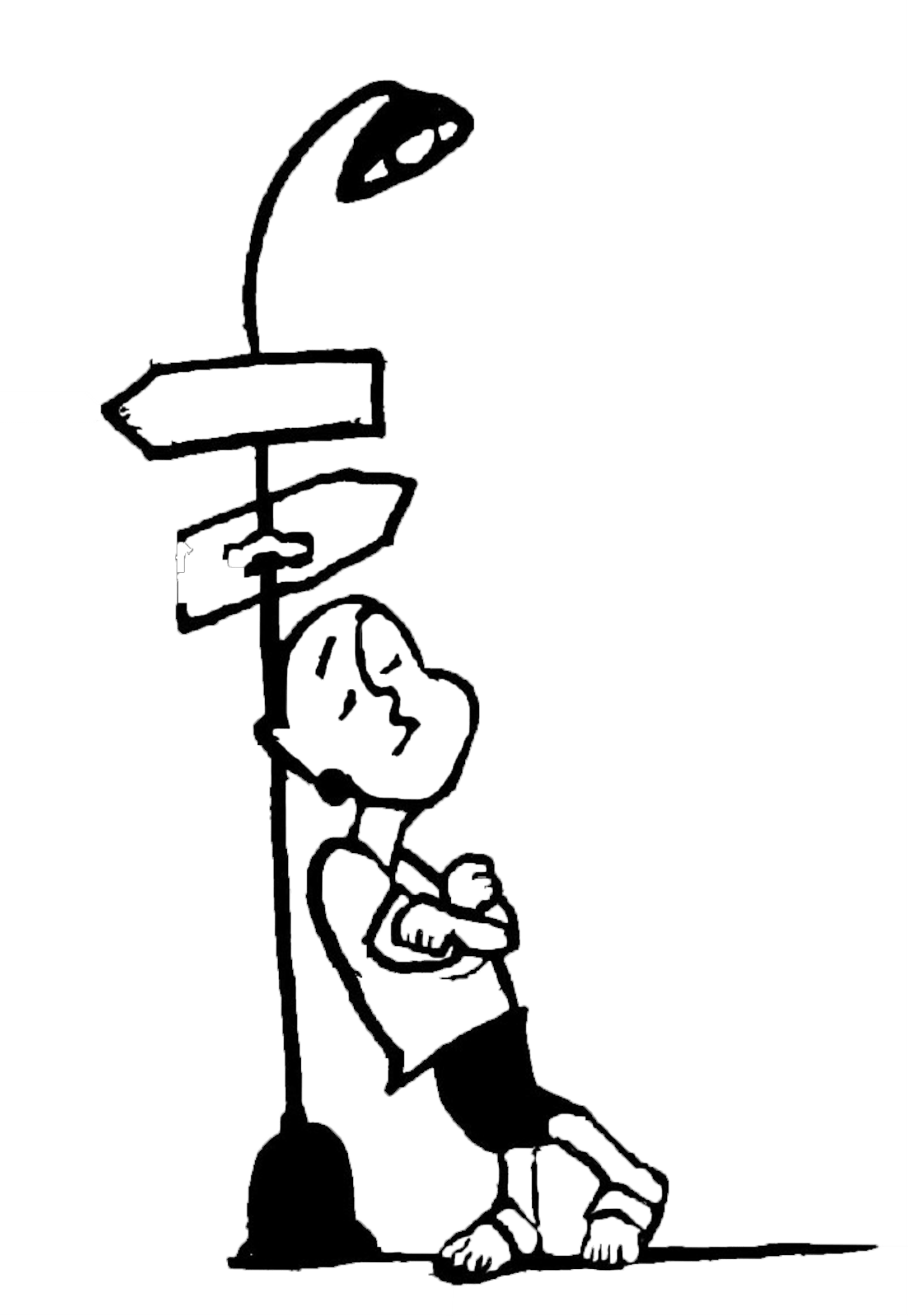
The Unseen Faces of Suffering
India’s health system has achieved impressive victories — eradicating polio, reducing maternal deaths, improving child survival. Yet, when it comes to relieving suffering, it continues to fail.
For countless people living with advanced cancer, kidney failure, neurological conditions, or the frailty of age, the last stretch of life is often defined by loneliness, untreated pain, and fear.
The very system built to save lives too often abandons those whose cure is no longer possible.
Palliative care aims to change that. It is the branch of medicine that focuses on improving the quality of life for patients and families facing serious illness — through pain relief, emotional support, and human connection. But in most of India, it remains a missing link in public health.
Kerala Shows the Way
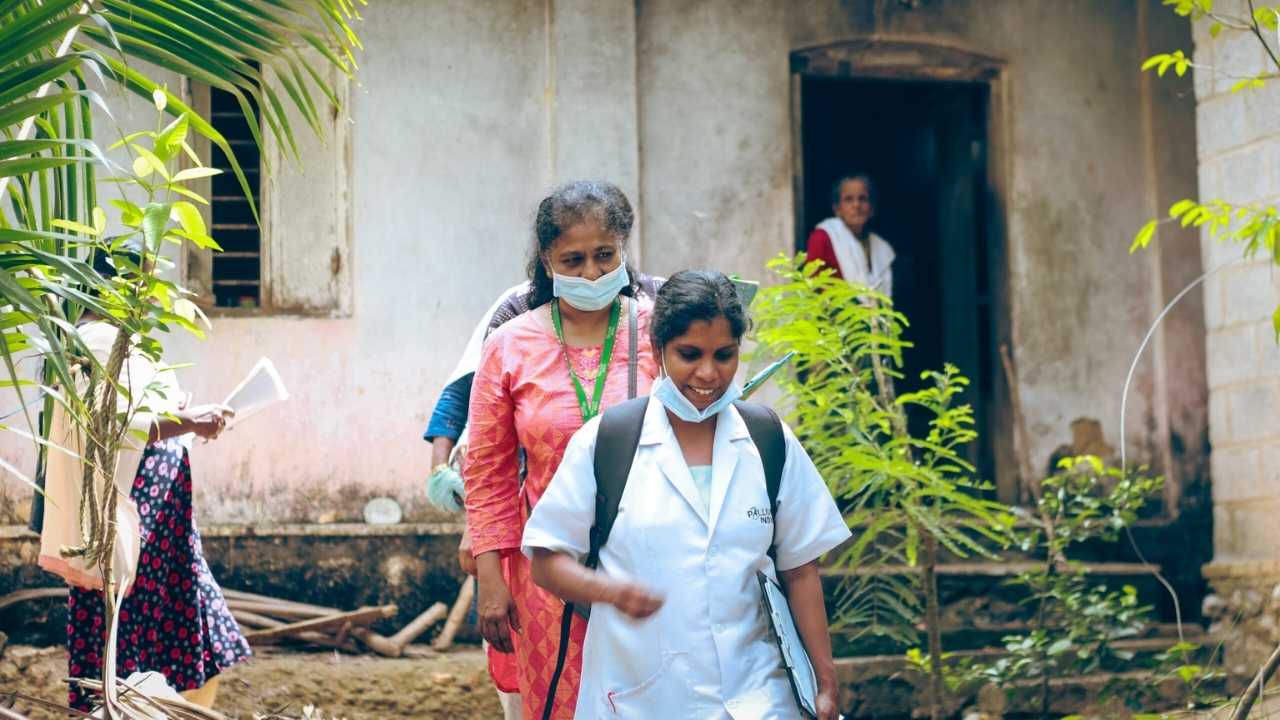
There is, however, one bright example. Kerala has proven that palliative care does not belong only in hospitals or with specialists — it belongs to the community.
In hundreds of neighbourhoods across the state, ordinary citizens — students, homemakers, teachers, and retirees — have taken up the responsibility of caring for the bedridden and the terminally ill.
They raise funds locally, visit homes, and work side by side with doctors and nurses.
Today, nearly 70% of Kerala’s palliative care services are community-based — an achievement unmatched anywhere in the developing world. What began as a local initiative in the 1990s has evolved into a global model of compassionate community health.
This model reminds us that healthcare is not merely about technology or infrastructure — it is about solidarity, about human beings standing together in the face of suffering.
Policies on Paper, Pain in Practice
India took an important step in 2012 by announcing the National Palliative Care Policy, recognising the right of every citizen to live and die with dignity. Yet, a decade later, the gap between promise and practice remains wide.
- Most medical colleges still lack palliative care units or training programmes.
- Morphine, a vital pain-relieving medicine, is still hard to access in many states due to outdated narcotics regulations and administrative barriers.
- Public health budgets rarely set aside dedicated funds for palliative or home-based care.
Instead of reaching homes, services remain hospital-centred, often inaccessible and unaffordable for the poor.
The result is tragic but simple: millions suffer in silence, not because care is impossible — but because compassion is missing from the system.
Why Communities Matter
Palliative care is not just a medical service; it is a social contract — a way of saying that no one among us should face pain or death alone.
When communities get involved, the meaning of care changes.
When young people volunteer, when neighbours visit, when a shopkeeper donates for a patient’s home care — empathy spreads, and the community heals itself.
In an age where urban life isolates us and compassion is outsourced, palliative care brings people back together.
It reminds us that the real measure of progress is not how many we cure, but how gently we care for those beyond cure.
Dying is not a failure of medicine. It is a deeply human passage — one that deserves dignity, comfort, and companionship.
A Collective Call to Action
As we mark World Hospice and Palliative Care Day, India must turn empathy into action:
- Governments must integrate palliative care into primary health systems and allocate specific funds for it.
- Medical institutions must train every doctor and nurse to see not only disease, but also suffering — physical, emotional, and spiritual.
- Communities must come forward to create local networks of care, volunteers, and support groups.
Palliative care is not about adding days to life; it is about adding life to days.
And that is something every one of us can help make possible — not through policy alone, but through kindness, presence, and participation.
If the health of a nation is measured not by how it cures but by how it cares, then India’s next great leap forward must come from the heart of its communities.
Let our compassion be the cure where medicine ends.
Let the community become the shelter.