The following article is part of the Trailblazing Women of India series. A series presented by The AIDEM, exploring the lives and ideas of women who played a decisive role in shaping India’s social, political, and intellectual history.
The AIDEM underscores the enduring contemporary relevance of revisiting the lives of these women leaders and the ideas they championed. Click here to watch the video.
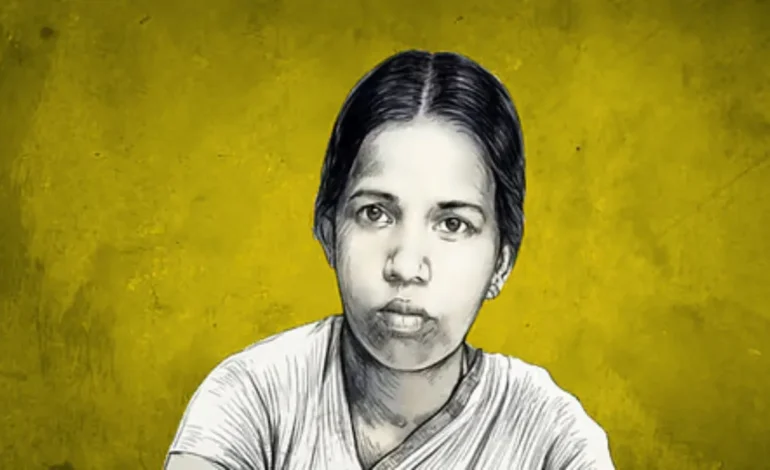
History often remembers the architects of modern India as a monolith of privileged men. But on November 8, 1948, a 36-year-old woman stood up in the Constituent Assembly and stirred the gathering: she declared the draft Constitution “barren of ideas and principles.”
This was Dakshayani Velayudhan—the only Dalit woman in the Assembly. She wasn’t just a member; she was a storm.
Born in 1912 on the island of Mulavukad, Kerala, Dakshayani belonged to the Pulaya community—a group so fiercely ostracized they were forced to stay 64 paces away from upper castes. Women were forbidden from wearing clothes above the torso. But Dakshayani’s life was a series of “firsts” that shattered these normative cages.
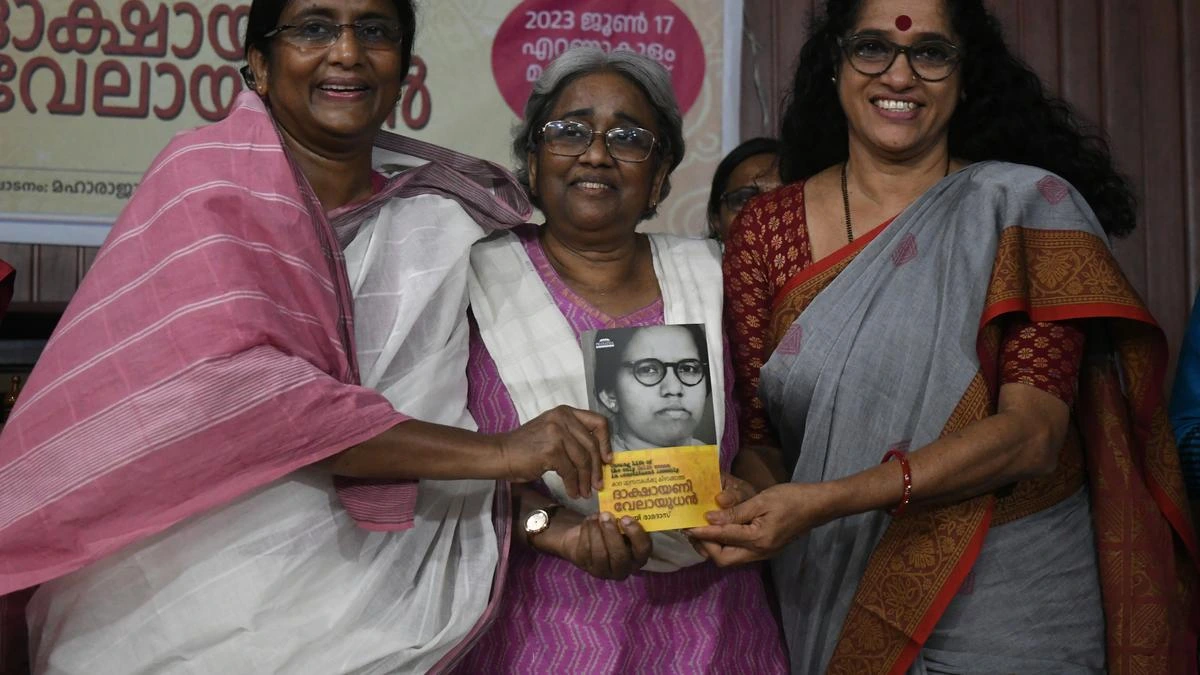
The first to matriculate in her district, Ernakulam. In 1935, she became the first Dalit woman in India to graduate in Science, studying Chemistry at Maharaja’s College in Ernakulam, where a professor refused to let her touch the lab equipment.
For Dakshayani, personal dignity was the frontline of human existence. As a young teacher, when an upper-caste woman demanded she step into a muddy paddy field to make way for her, Dakshayani stood her ground. “If you want to go, you may get down,” she replied. She refused to move, insisting that the other woman change her path. It was a small act that signaled a tectonic shift in the social order.
At just 34, she entered the Constituent Assembly—the only Dalit woman among 299 members. Her politics were fiercely independent. Though she was married at Gandhi’s Wardha Ashram in a ceremony attended by Gandhi himself, she was a vocal critic of his paternalism. She famously rejected the word “Harijan,” calling it a meaningless label that did nothing to dismantle the reality of untouchability.
She was equally unafraid to challenge Dr. B.R. Ambedkar, Chairperson of the drafting committee of the Constitution of India. In a move that remains controversial, she opposed separate electorates. Her logic? She believed that as long as the Scheduled Castes remained “economic slaves,” political isolation would only perpetuate fissures. She argued for a “new framework of life”—one built on radical economic opportunity and social transformation.
Her contributions were structural. It was Dakshayani who pushed to replace the derogatory term “Depressed Classes” with the legal designation “Scheduled Castes.” Velayudhan pressed for a truly decentralized federal structure, warning that the Draft Constitution concentrated excessive authority in the Centre. She argued that provisions such as the centrally‑appointed Governors symbolized a deeper problem—the erosion of state autonomy and the risk of the center dominating regional governments.
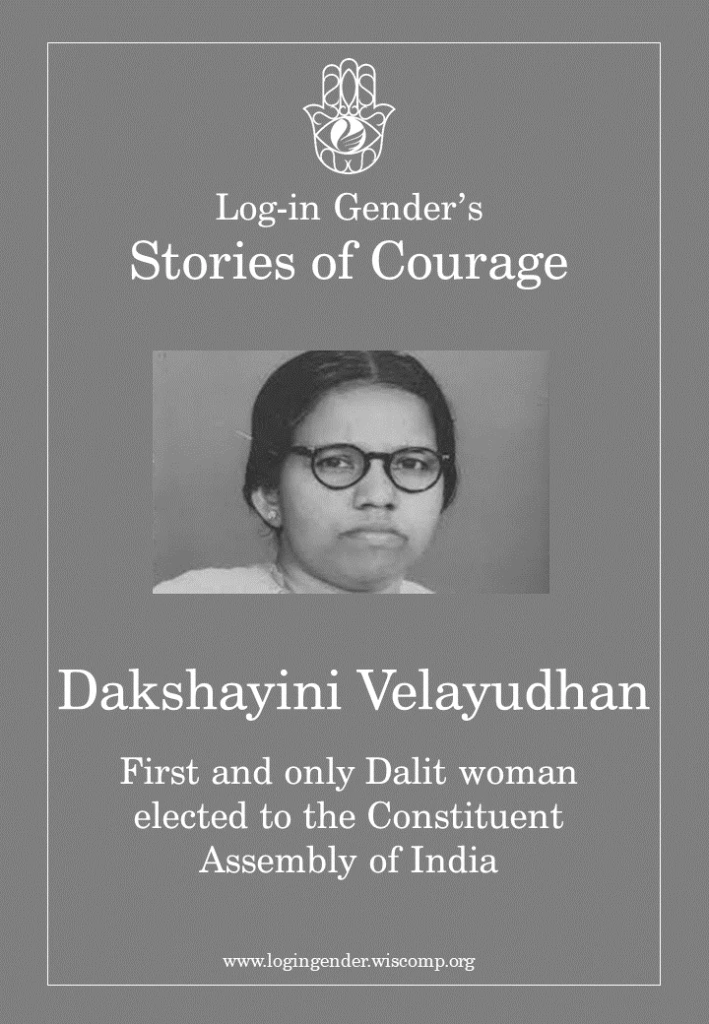
She continued her civil society work with a focus on Dalit rights. In 1977, she set up a women’s rights organization, Mahila Jagriti Parishad, in Delhi.
Today, the Kerala Government honors her legacy through the Dakshayani Velayudhan Award, given to women who empower others. But her true legacy is her model of moral and intellectual integrity.
In a modern political landscape where dissent is often traded for blind loyalty, Dakshayani stands as an exemplar for current and upcoming leaders. She proved that you can challenge the most powerful figures in the room and still be a foundational architect of the nation.
She held a mirror to the new Republic and asked: “Does legal equality translate to lived dignity?”