

Guarding an Ancient Art Form With a Modern Mind – Neela Bhagwat (1942–2026)

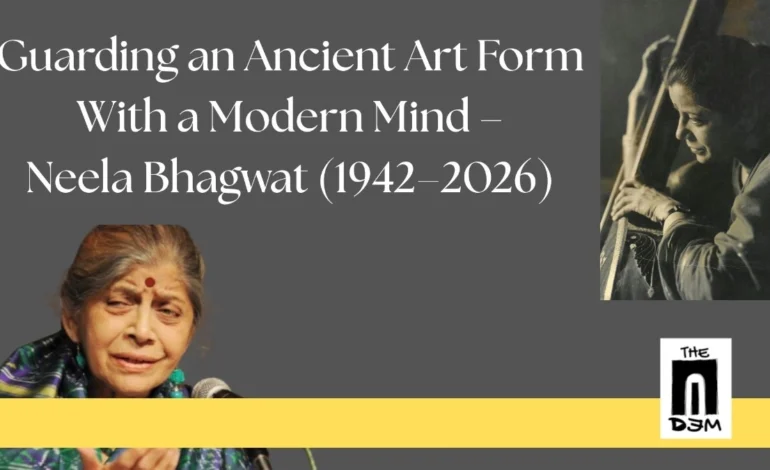
Neela Bhagwat, 83, an exponent of the Gwalior Gharana of the Hindustani classical vocal music tradition, passed away on April 14, 2026, after a brief battle with Idiopathic Pulmonary Fibrosis. She belonged to the Krishnarao Pandit tradition of the Gwalior Gharana, having trained under her guru Sharatchandra Arolkar, a disciple of the former. She also briefly learnt under Jal Balaporia, another Gwalior Gharana vocalist.
Neela ji went beyond the classical training of Khayal music, creating several of her own compositions using the same idiom of her gharana, alongside exploring saint poetry and reinterpreting the original role of women in traditional compositions. She also wrote many books on music, including a few on her guru and on her association with the artistic and literary world. In this tribute, her disciple Veera explores not only the artistic bond he had with his Guru but also her worldview, which imparted a special quality to her contribution to music, blending traditional art with modern social perspectives.
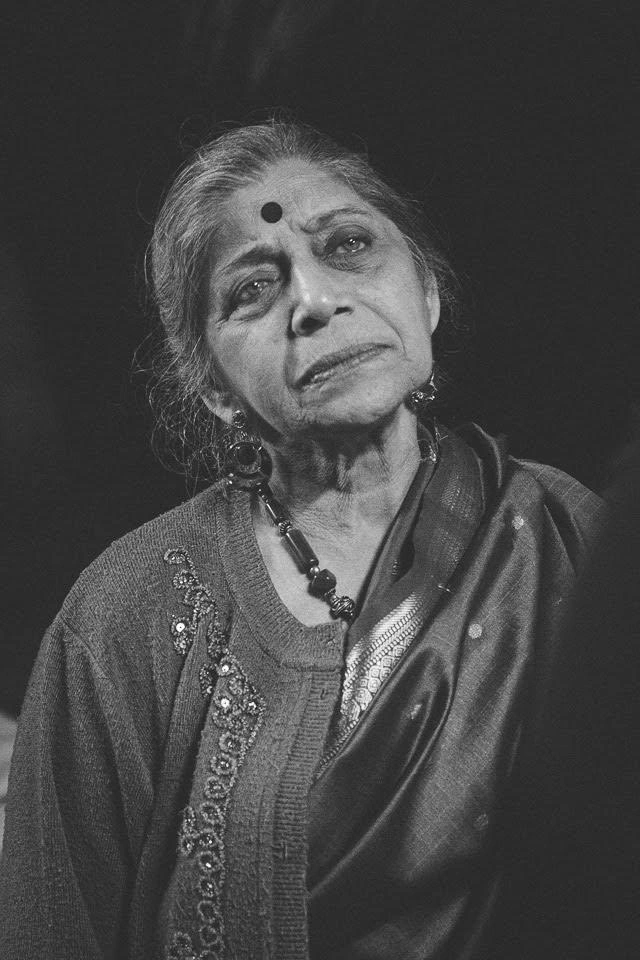
A year ago, my guru Neela Bhagwat was diagnosed with Idiopathic Pulmonary Fibrosis. An otherwise healthy 83-year-old, she rapidly declined in health and lost her brief battle with the disease. I was 10 years old when I began training under her and called her ‘Aunty’. It is overwhelmingly tough to express the grief of losing one’s Guru. This grief will stay as in my mind .
Neela was not only my guru but also my companion for the past 20 years since I began learning music from her. We spoke nearly every other day, had lessons frequently throughout the week, and took to our conversations as a regular form of sustenance.
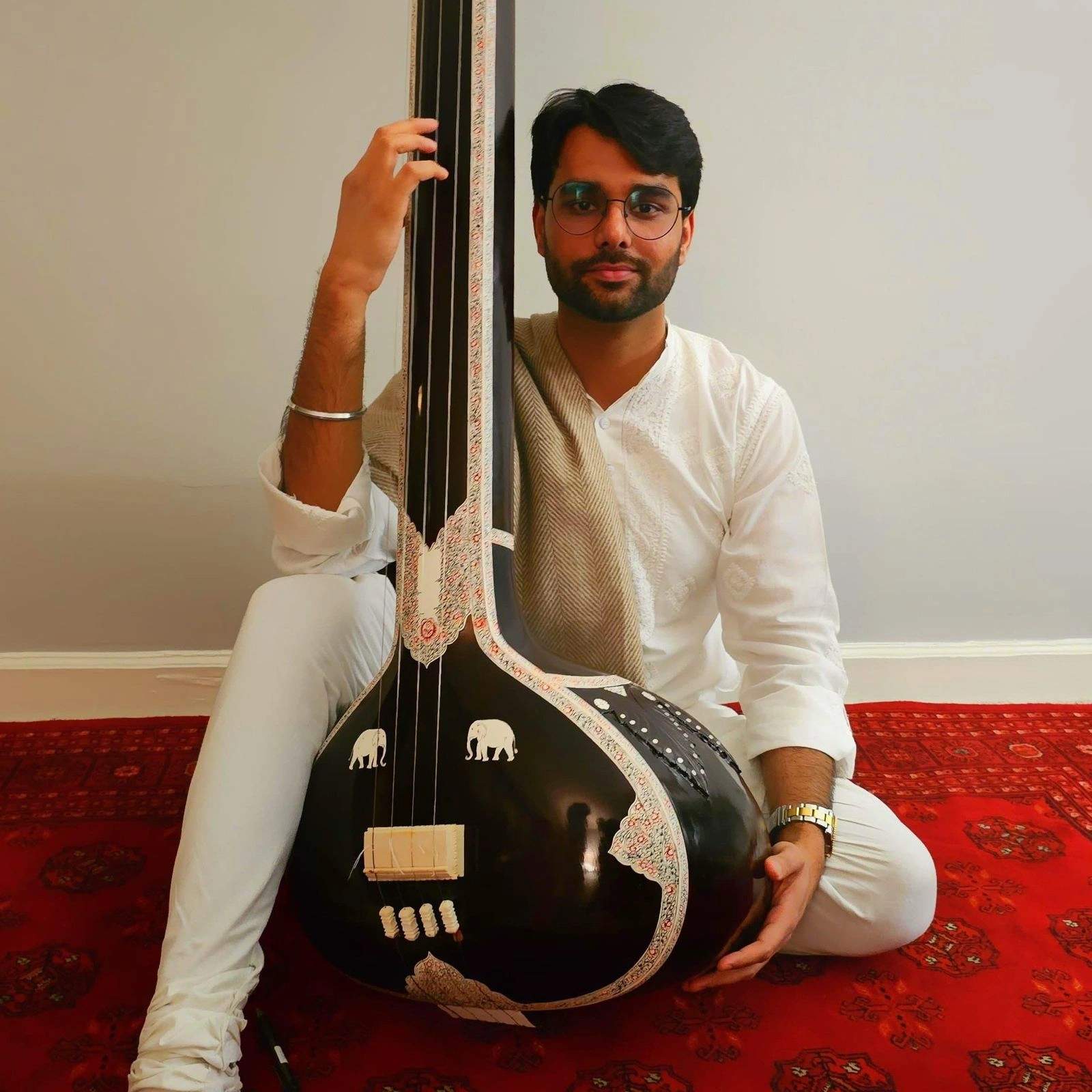
Although our physical meetings were less frequent, technology made our in-person meetings feel routine. She loved talking about music, life, travels, people, food, politics, philosophy, and family. I always listened to her with awe. Our conversations were a window into her decades of experience and all that went into making her Neela Bhagwat.
My guru was unconventional, non-traditional, progressive, and a person with a modern outlook. In our earlier days, she would refuse to accept the label of a guru, for she saw it as a figure who was commanding, arrogant, and authoritarian. Her free-spirited nature was infectious, and she welcomed discussion with an open mind. I would often debate with her on theology, religion, society, bandishes (compositions), and politics. She would uphold a gentle smile while I spoke and would politely respond with her ideas.
I had the quiet liberty to suggest changes to her compositions. She would eagerly note down any bandish that I composed and sometimes teach a bandish of an old student who had walked the path before me.
She never stopped learning. Until her last days, she expressed curiosity over new compositions and even events around the world! “I am not a guru in the traditional sense. I am a guru who lets you think the way you wish to,” she would often say. By 2014, Neela had published her entire journal of traditional compositions on Wikimedia, in addition to video recording all those traditional compositions and publishing them in a series of DVDs. Many noted musicians came out in praise of her and her pathbreaking contribution. In 2020, she entrusted Neil Khopkar (another student of Neela’s) to decrypt Arolkar Buwa’s (her guru Sharatchandra Arolkar’s) own handwritten journal, which had thousands of bandishes. This work was later published online. Such a volume of authentic traditional compositions had not been published since Bhatkhande attempted this feat in the 1930s.
“Gurus should not consider themselves owners of a tradition, but vehicles of a tradition. Their actions must be aligned to their duties,” Neela wrote in an article responding to the MeToo controversy.
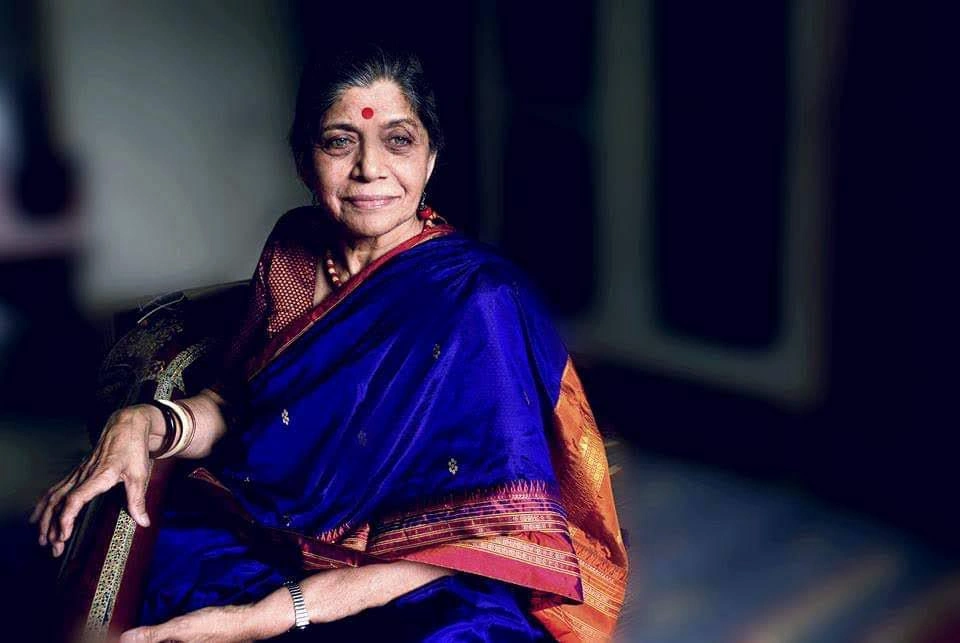
Neela was a Marxist, humanist, feminist, and a sworn non-traditionalist. Despite being a student of an ancient tradition, she was innately modern and progressive. She had deep faith in the Gwalior idiom, a belief that grew during her time with Arolkar, when she experimented with the language of Ashtaang (a set of musical aesthetics laid down by the founders of the Gwalior Gharana) to sing on themes of social justice, universal brotherhood, and many other progressive ideas. Arolkar’s aesthetics of Khayal music showed her that Khayal can be as profound and suggestive as the written word, painting, or cinema. “We are standing on the shoulders of Sadarang and Adarang (the original composers of much of Khayal music). The forms in the bandish are beautiful; there is no need to rebel against them.”
Neela had travelled far and wide. Besides Europe, the USA, East Asia, and Southeast Asia, she frequently toured within India. In my early days of training, she would regularly travel for concerts within the country, apart from her annual foreign trips.
Neela rightfully fashioned herself as a global citizen. She was worried for the people in Ukraine, understood the plight of migrant workers during COVID, and the pain of the ongoing war in Palestine. She had a firm belief in humanism and justice, which she felt for people across geographies and times. Khayal was her medium of expression, her journal. She registered her revolt through her bandishes, making her views indelible. She chose to stay in India, despite being offered positions in Europe. Despite her clash with societal injustices in India, she felt a deep sense of belonging to the land. Her music would have been incomplete without engaging with the Indianness of India, the Bombayness of Bombay. Her ideas of Marxism, feminism, and equality, though inspired by foreign movements, were reinterpreted into Indian aesthetics. Kabir, Mirabai, Tukaram, Sahajobai, and many other saints greatly strengthened her ideals in life. She used Ashtaang and Khayal, her paintbrush and colour, to sing of universal oneness and harmony. Her atheist beliefs, recontextualised saint poetry, and her scholarship in Marathi and Sanskrit literature gave her the objectivity to embrace the saints’ poetry.
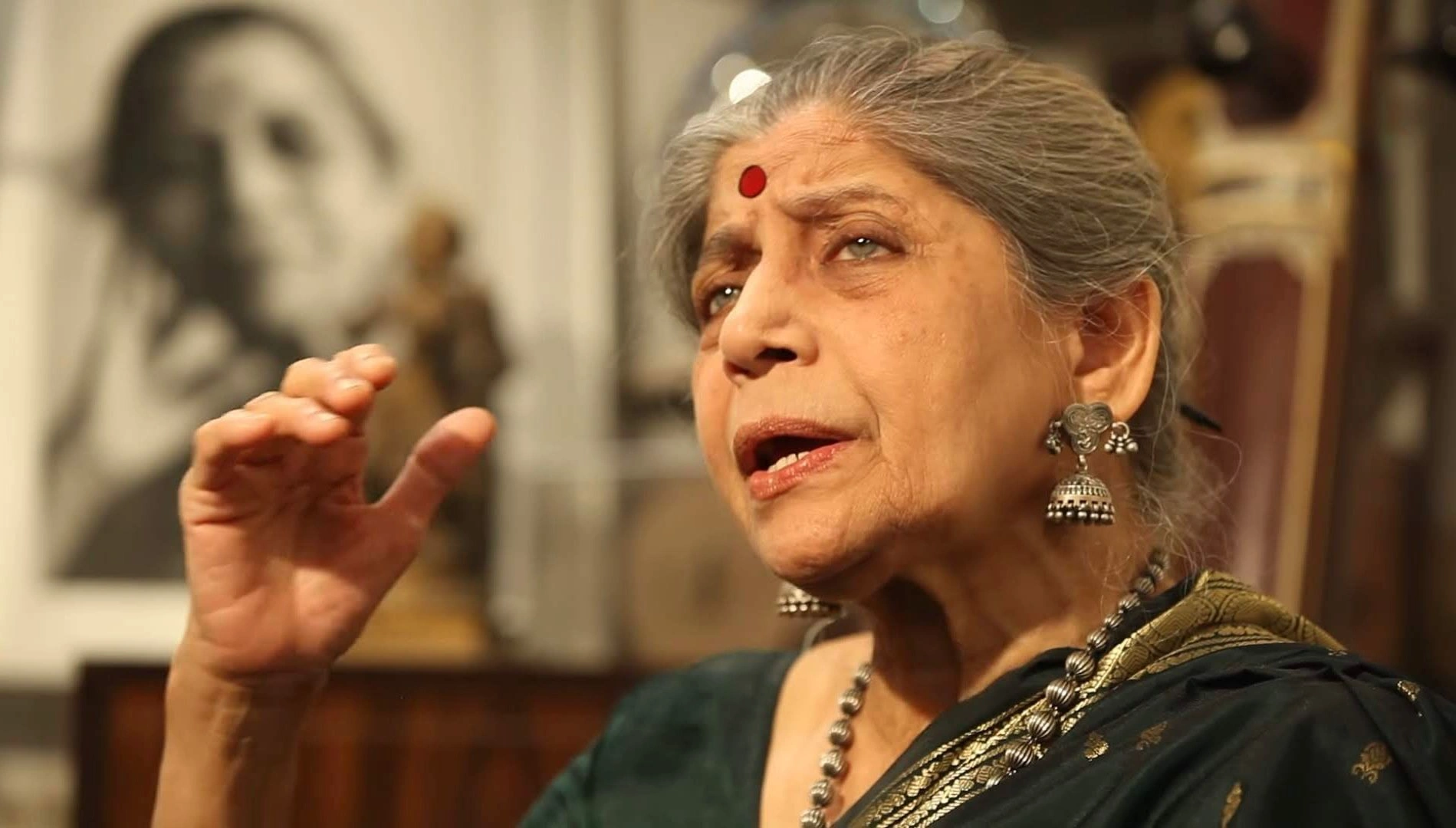
“Saadho dekho jag bauraanaa. Hindu kahat hai Raam humaaraa, musalmaan rehmaanaa. Aapas mein dou lade marathain, maram kaun nahi jaanaa..” – Neela tuned and sang this Kabir poem for Anand Patwardhan’s film, Raam Ke Naam, on the Babari Demolition.
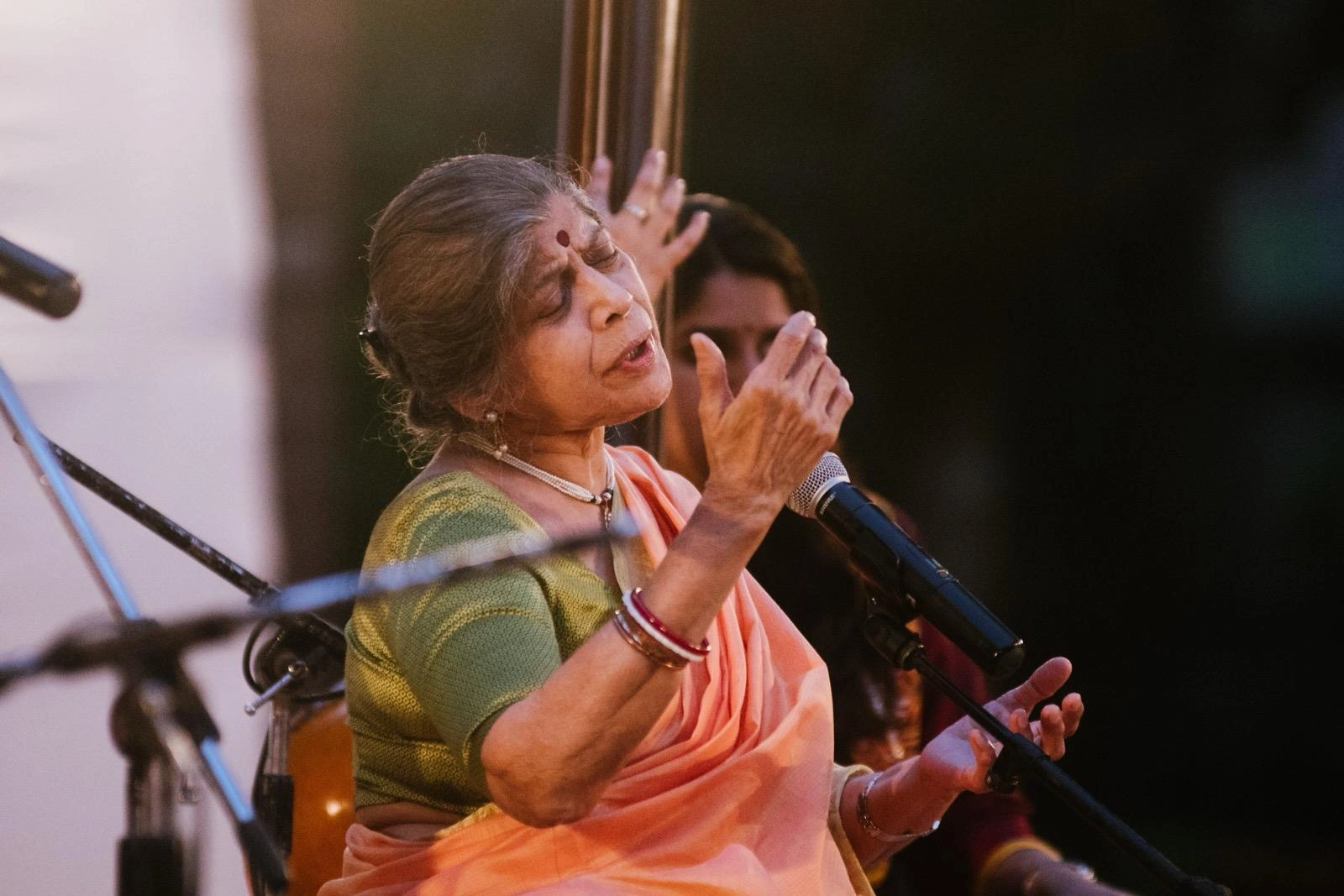
Arolkar’s music had an enchanting effect on Neela. She often said she had never heard anything like it before and was deeply curious about his music. She initially sat through some of his lessons with his other students before venturing to ask him to teach her in 1969. Arolkar’s taleem (training) revealed that Khayal singing is not merely singing in sur, arriving at the sam (first beat of the taal), or asserting one’s technical prowess by singing taans. It also entailed exploring the raag through the bandish by invoking the melodic and thematic phrases within the bandish. To her, a bandish was a dialogue written by Sadarang, musical phrases honed by Haddu Khan, soaked in the richness of the Ashtaang gayaki, and explored and preserved by master musicians of the past. The bandish was a living art form, with its roots in tradition and its expanse tamed by the talent of an artist. Quoting Arolkar, Neela would often say that Khayal is the most evolved form of creative music and akin to a fluid sculpture. Neela never altered the form of the bandish. She maintained its precise phrases, speaking the same language as the masters of the past century. “You must bind yourself to be liberated,” Neela would say. Her voice was like the arches of Fatehpur Sikri—magnificent and intricately beautiful. Her unbridled, unabashed projection left her listeners in awe, puzzled as to how such a gentle face could exhibit such gusto. She was also a fan of Begum Akhtar, often performing her ghazals and thumris during her earlier days. I think her voice was a culmination of her natural voice quality, Gwalior’s voice culture, and her embodiment of the unapologetic woman. Her voice was her feminism, and her feminism was her voice. We shared the same voice quality. The power in her voice shaped the projection of mine. Her volume, tunefulness, and forcefulness left us all awestruck, a feeling that did not even spare the greats like Ali Akbar Khan and Bismillah Khan.
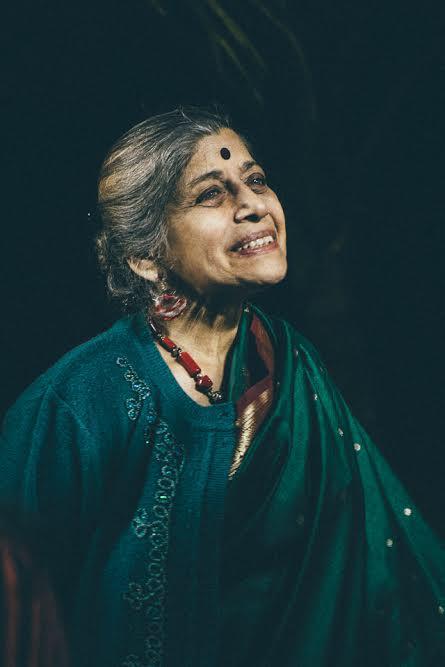
“नील गगन नीला सुर तेरो, नील बूंद नहाए, मोहन मुख तान गरजाए, गुरु मेरा सा नाकोई…” – Antara of a bandish in Raag Miyan ki Todi that I had composed in 2016 in her honour.
Saint poetry was an articulate and instructional source for her philosophy in life. Witnessing the horrors of the 1992–93 riots in Bombay, her secular and cross-cultural city had been soaked in blood by divisive, greedy, and hateful ideology. Kabir’s poems gave her hope and direction in her thoughts. She channelised her pain through the experience of the saints. In them, she found the virtues of bonhomie, peace, and tolerance most appealing. She had deep faith in the possibilities of human connections, faith in collective action and resolve. She thus took friendships very seriously, finding partnership more appealing than authority. She was accessible to all—her seniors, her contemporaries, and even her juniors. She cared for the families of musicians even after they had long passed, kept up with her friends across the world, engaged with connections on social media, and above all, was fair and kind in all her interactions. It was her inclination towards fairness in the music world that led her to establish Khayal Trust along with her husband Amarendra Dhaneshwar (Nandu) in 1997; a platform to promote progressive ideas in culture and arts, and promote music with no ulterior motive.









“यह लेख एक महान कला साधिका को बेहद संवेदनशील और सम्मानपूर्ण श्रद्धांजलि देता है। Neela Bhagwate की विरासत को जिस खूबसूरती से आधुनिक संदर्भ में प्रस्तुत किया गया है, वह प्रेरणादायक है। परंपरा और नवाचार के बीच संतुलन पर यह लेख गहरी सोच छोड़ता
“This article offers a deeply respectful and moving tribute to an extraordinary artist. Neela Bhagwate’s lifelong journey (1942–2026) is portrayed with remarkable sensitivity, highlighting her dedication to preserving and enriching an ancient art form through a modern lens. The piece beautifully captures not only her artistic achievements but also the enduring relevance of tradition in a changing world. It is both inspiring and thought-provoking, leaving readers with a profound appreciation of her legacy
Neelaji upholds the title of VIDUSHI in the truest sense..
A prolific gayika , highly polished & superbly humane…she touched lives
Also proud to read the young minds seeped deep into Sangeet & Kala.
May Neela didi shine & bless her saplings as a Guiding Angel