

“The World Cannot Say It Didn’t Know”: Justice S. Muralidhar on Gaza’s Targeted War Against Children

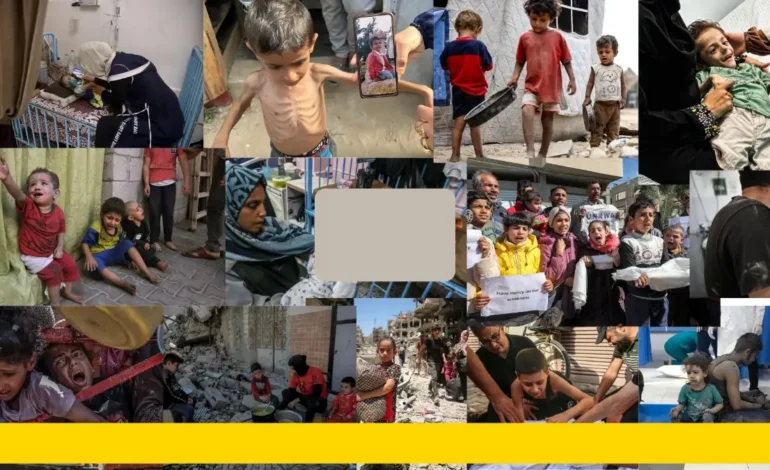
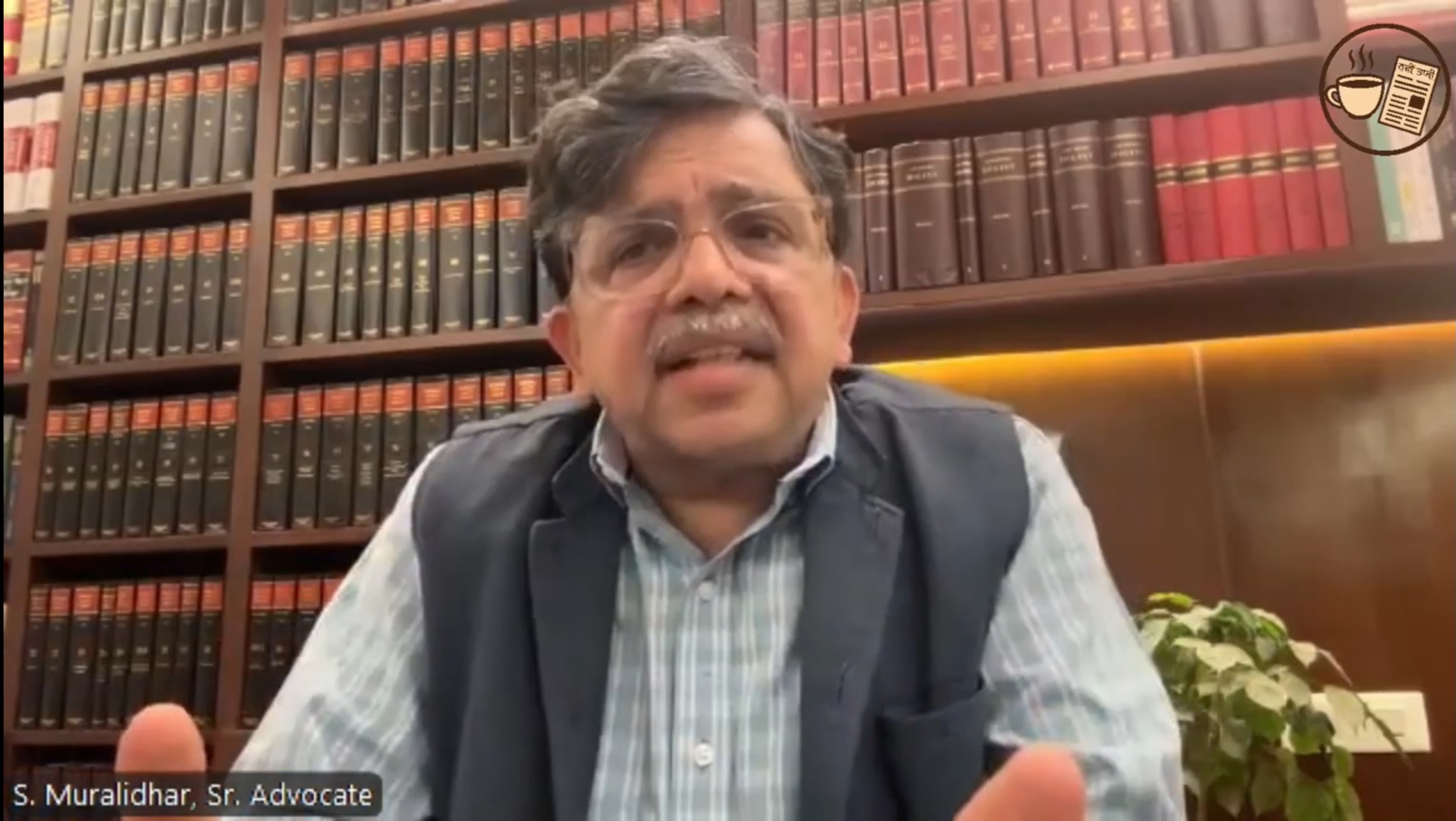
Interview with Justice (Retd.) S. Muralidhar, Member, UN Commission of Inquiry on the Occupied Palestinian Territory.
The latest report of the United Nations Commission of Inquiry on the Occupied Palestinian Territory presents one of the gravest indictments yet of Israel’s conduct in Gaza, documenting what it describes as a systematic pattern of killing and maiming Palestinian children. Justice (Retd.) S. Muralidhar, one of the Commission’s members, explains why the findings go beyond recording atrocities to identifying patterns of responsibility, military units allegedly involved, and possible avenues for prosecution under international law.
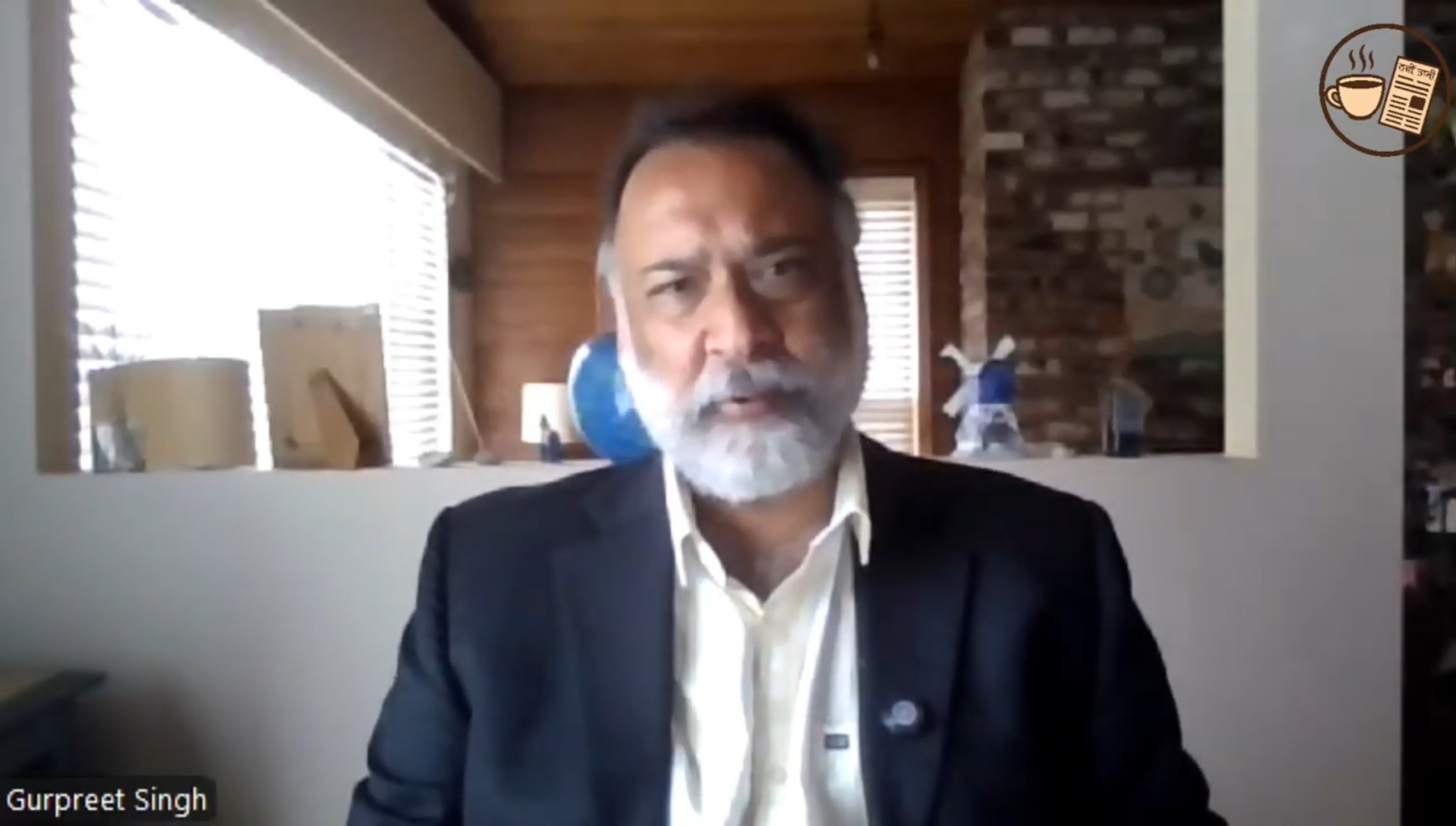
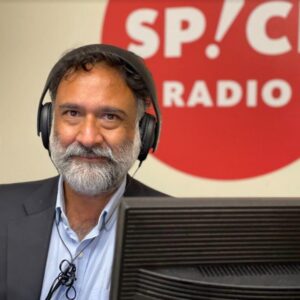
In this interview with Vancouver based senior journalist Gurpreet Singh, who is also the co-founder of “Radical Desi” online magazine, he discusses the evidence behind the report, the limits and possibilities of international accountability, India’s position on Palestine, and why, in his words, “silence is not an option” when children become the targets of war.
Gurpreet Singh:
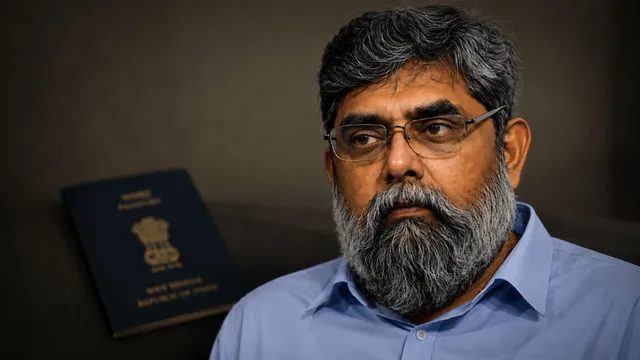
Today, we have a special guest with us. Justice Srinivasan Muralidhar. He has been appointed to the UN Commission of Inquiry on the Occupied Palestinian Territory. He works as a commissioner investigating human rights violations.
So, the report that will be released later on how the children of Palestine are being killed will be the focus of a special conversation today. So, let’s meet him now. Justice Muralidhar, thanks for joining me again. So, Justice Muralidhar, what is the crux of the UN report on Palestinian children?
Justice S. Muralidhar:
The crux is this there is a very targeted killing and injuring of Palestinian children by the Israeli Defense Forces. There is a systematic pattern that they have adopted.
And after 7 October 2023, they have intensified these attacks. They do it in two ways. They subject densely populated areas to repeated airstrikes using large-yield bombs.
And this results in mass casualties, of whom children constitute a disproportionate number. For instance, of the more than 70,000 casualties in Gaza since 7 October 2023, around 30% are children.
The second method deployed is a combination of quadcopters, snipers, and drones that specifically target children, particularly their heads, necks, and upper bodies, to cause maximum damage.
We have a shocking instance of a 10-day-old baby, while being breastfed, being shot through the head by a quadcopter. And we have videos of Israeli soldiers stating on television channels that, for them, it’s like a game. They’re able to see the screens, see the image, and press the button from wherever they are.
And for them, it’s something very casual. One of them says that when he used this method to kill a 16-year-old Palestinian boy, his commander actually complimented him. Another said that he was hesitant to press the trigger, but his commander assured him that in this kind of hostilities, age is of no concern.
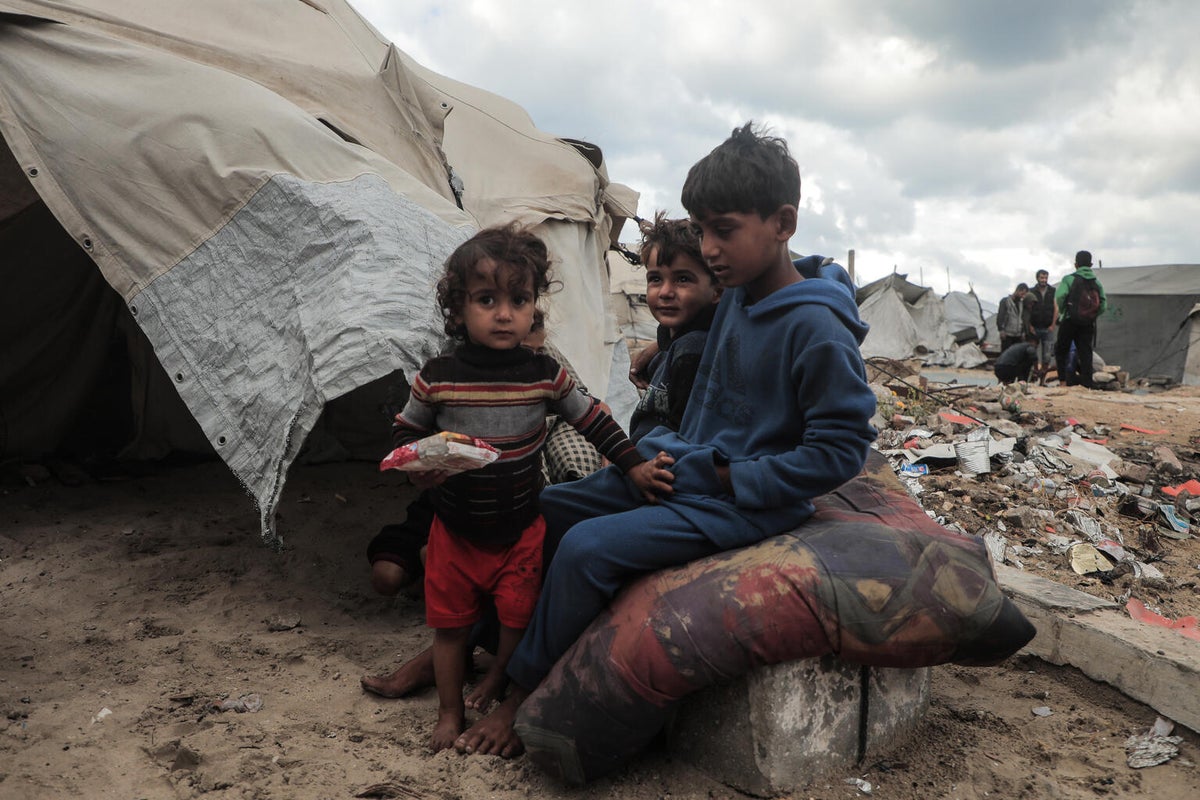
What we find is that young adolescent boys—they could be 10 years old, 12 years old, or 15 years old—are simply being labelled as terrorists by the Israeli Defense Forces. Once you label a child as a terrorist, then, for you, it is shoot-on-sight, and you have no qualms about extinguishing a life.
So the response of the Israeli Defense Forces to what happened on 7 October 2023, when it comes to children, has been disproportionate.
Children have been shot in situations where they’re playing outside their homes, picking up firewood, or chasing food trucks for aid. So they are not children involved in hostilities at all. So there can be no legitimate targeting of such children who are carrying on routine activities.
So we are finding, therefore, that there is a pattern and a trend from which we can safely state that children are specifically targeted to cause maximum damage to their lives.
And then, of course, we have a large number of children who’ve been orphaned. Today, a 10-year-old in Palestine is taking care of younger siblings with no family surviving.
Doctors who spoke to us during a public hearing told us that several children were brought in with bullet wounds, and they were informed that these were wounded children with no surviving family. So they devised a category called WCNSF (Wounded Child, No Surviving Family). And they say thousands of children were brought into the hospital.
There are children who are brought in with the notation “brain matter out,” which means the skull of the baby has been specifically targeted. One can see the brain matter exposed.
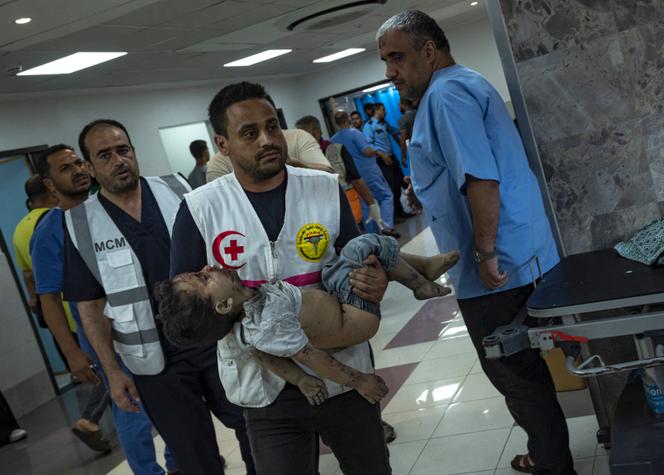
The doctors broke down, saying that they were told this only so that they would not treat that baby.
They should shift their attention to other children who can be saved because this baby could not be saved.
So it is heart-rending, even for treating doctors, who have to do their professional duty while being told that they should not try to save a life because it’s futile.
Doctors also broke down, saying they were asked to amputate the limbs of babies and young infants without anesthesia, without painkillers, while babies and children screamed.
So it’s a tragedy of humongous proportions that is unfolding before our eyes in Gaza and, to a certain extent, in the West Bank and East Jerusalem.
Gurpreet Singh:
How far can this report really go in holding the State of Israel accountable for these war crimes or for genocide?
Justice S. Muralidhar:
See, this has to be read in conjunction with the earlier reports of this Commission. There was one report on genocide, which was delivered in September 2025. There was another on sexual and gender-based violence, which was submitted in March 2025.
Then we have mandated reports, including a report submitted on 15 June 2026 to the Human Rights Council on the actions of non-state actors, by which we mean the settlers who are causing tremendous violence in the West Bank, and also Hamas and other Palestinian armed groups in Gaza, who are subjecting children to extreme forms of punishment.
If you read all these reports together, you get a clear understanding of what is happening in Gaza and how Israel is acting with complete impunity.
It is ignoring the orders of the International Court of Justice (ICJ). There are three provisional measures, all of which have been ignored. It is, of course, not allowing the warrants issued by the International Criminal Court (ICC) to be executed.
On the contrary, it has got the United States to issue sanctions against judges of the ICC, which means that the bank accounts of the judges are frozen. So these are extreme retaliatory measures for merely enforcing accountability mechanisms.
Where we think our report can make a difference is that, in paragraph 356 of our report, we specifically name the battalions and divisions of the Israeli Defense Forces that have been involved in particular incidents.
We have been able to link specific battalions or divisions with incidents where children have been shot, injured, or where schools or hospitals have been destroyed.
Many may not be aware, but nationals of other countries—I am talking about US citizens, British citizens, French, German, and Australian citizens—are actually serving in the Israeli Defense Forces.
When some of these people return to their respective countries, those countries have an obligation under international law to investigate their roles in these atrocities and then prosecute them for those crimes because these countries are States Parties to the Geneva Conventions.
They are also parties to the Convention on the Rights of the Child. They therefore have obligations to prosecute people who have committed violations of those conventions.
So we are hoping that Member States can take up what we have said in the report and initiate proceedings in their respective jurisdictions, persuading their domestic courts to exercise what is called universal jurisdiction in international law.
If there is a violation of the Geneva Conventions, or if there is genocide, a war crime, or crimes against humanity, each of these countries has an obligation to prosecute persons accused of such crimes.
So we are prepared, as a Commission of Inquiry, to share with such mechanisms—whether domestic courts or domestic investigating agencies—the evidence that we’ve gathered.
And I must assure all of you that the evidence gathered by this Commission of Inquiry follows all the protocols of the ICC and the ICJ, which means it is a tested mechanism of verification and cross-verification, using satellite imagery, forensic analysis, and highly scientific examination of evidence.
No finding is based on a single source of evidence. Every source of evidence is gathered so that it can corroborate other pieces of evidence, and only when there is complete corroboration by independent sources does this Commission consider that evidence to be reliable and capable of supporting its findings.
So courts like the ICJ and the ICC are able to pick up this evidence and advance those proceedings further, and we are open to assisting them in doing so. This is what I want to assure everybody.
Gurpreet Singh:
But, sir, what are the hopes, considering that Israel has become even more powerful and remains off the hook? So, what are the hopes?
Justice S. Muralidhar:
See, we made a presentation to the European Union, apart from, of course, presenting it to all the Member States. We specifically addressed separate groups of nations—the European Union, the Organisation of Islamic Cooperation (OIC), and, most importantly, the United Nations Security Council.
As you are aware, the Security Council is composed of the P5—the five permanent members—as well as ten non-permanent members serving on a rotational basis.
So, of the 15 countries that today constitute the Security Council, 13 attended this interaction, with only the United States and Russia staying away.
The representatives of those 13 countries, many of them, were visibly moved. We could see that when we made our presentations.
Some of them asked us what we thought the Security Council could do.
So, there were two suggestions that we made.
One is that it is this very Security Council that, by Resolution 2803, endorsed the formation of the Board of Peace in Gaza and accepted Donald J. Trump’s peace plan.
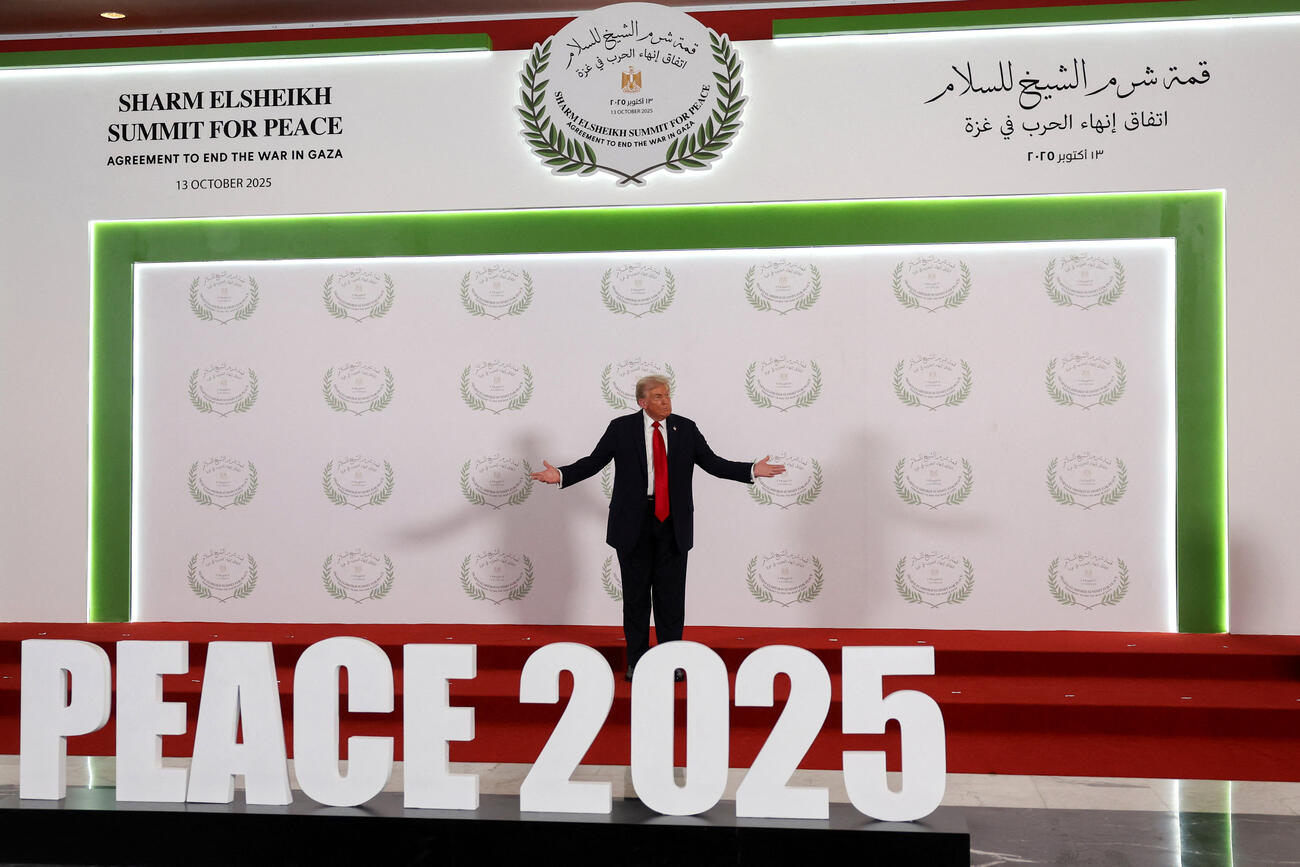
Now, the whole purpose of that peace plan is the rehabilitation of Gaza and the cessation of hostilities against the Palestinians in Gaza.
Of course, we know that has not happened.
We asked whether the Security Council could call a meeting of the Board of Peace and permit us to present our findings before it.
This is particularly because this same Board of Peace submitted a report to the Security Council just last month, in May 2026, stating that the situation in Gaza had vastly improved and that a great amount of humanitarian aid was now flowing into Gaza.
Now, this is completely contrary to the ground reality, which is why we asked them to permit us to interact with the Board of Peace and present our findings.
There are members of the Organisation of Islamic Cooperation, such as Jordan, Egypt, Türkiye, and Pakistan, on this Board of Peace.
Then there are European nations represented on the Board of Peace.
So there should be a way of activating this mechanism.
The second suggestion I made was this.
We need to use this report to persuade all Member States, across political lines and across continents, to agree on certain basic humanitarian norms.
One is that no child, during hostilities, should be allowed to die for want of medical aid.
Second, no child caught in hostilities should be allowed to die of starvation.
Both these things are today happening before our eyes in Palestine.
Israel is preventing the medical evacuation of children for treatment by controlling the Rafah Crossing.
Israel is not permitting the creation of a humanitarian corridor—a safe passage—for children to be taken from Gaza to the West Bank and East Jerusalem, where medical facilities are better.
So this is a deliberate obstruction of humanitarian aid to Palestinian children, and this has to be called out.
We also told the nations—and they agreed with us—that the mood on the ground in their respective countries is changing.
People in several countries, whether the United Kingdom, France, Spain, or Egypt, feel that their governments are letting them down.
They are saying that they feel strongly for the Palestinian cause.
They feel strongly that justice has to be done to the Palestinians.
They feel that Palestinians cannot be allowed to vanish as a people.
So the Freedom Flotilla activists, for instance, continue their efforts undeterred.
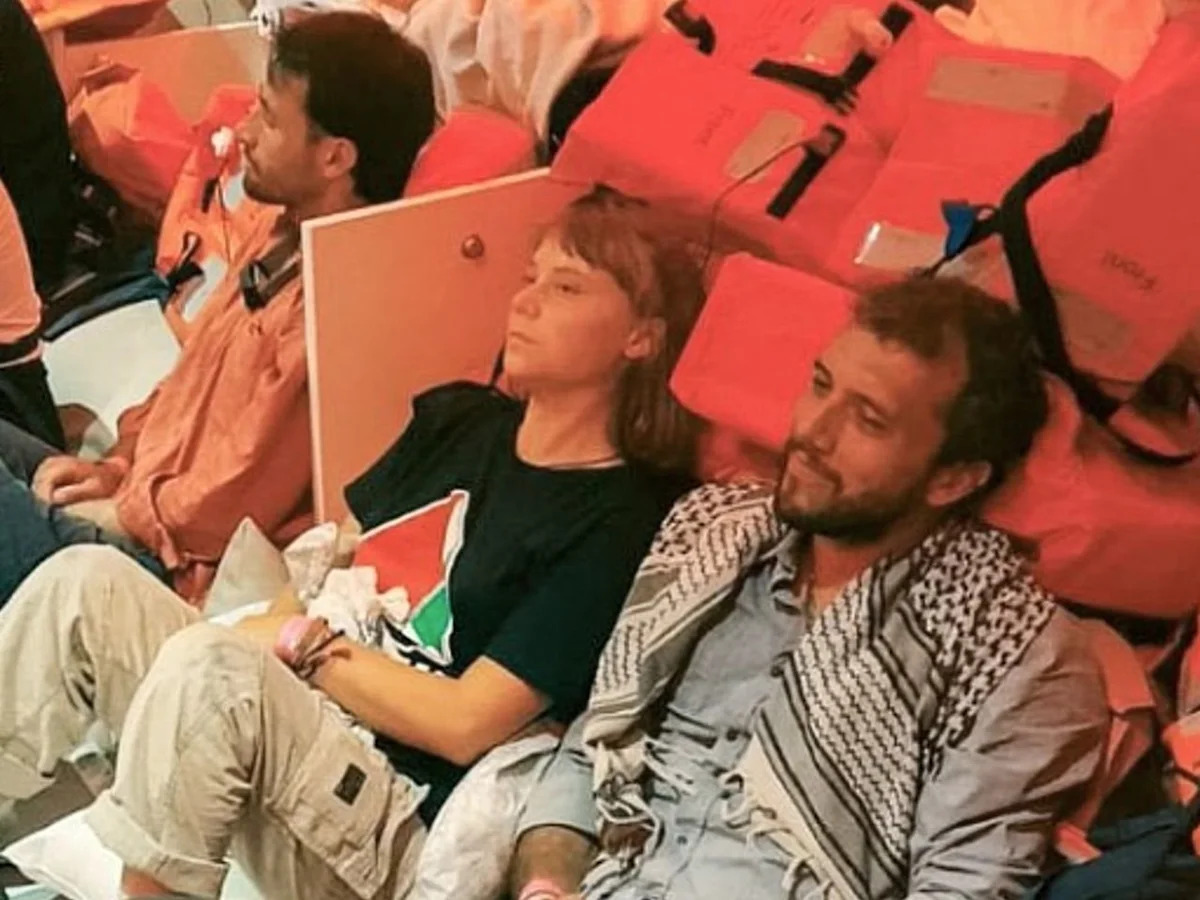
Israel has forcibly stopped the first round of activists, the second round, and now the third round of activists, many of whom have been taken into custody, tortured, and, in some cases, sexually abused.
Still, the groundswell of public opinion has changed.
There is growing public sentiment that what is happening in Palestine cannot be condoned.
More and more people are coming out in support of this cause.
So we are hoping that a report like this can add to the growth of critical public opinion within our countries and thereby put pressure on governments to prevail upon Israel to stop preventing humanitarian aid from reaching Gaza.
For this, you do not need an order of the International Court of Justice or the International Criminal Court.
You simply need the preservation of humanity within each one of us.
And I am hoping that a report like this can generate that critical mass of public opinion necessary to persuade individual Member States to change their stance on Palestine.
The so-called impartial, balanced view is not helping the cause of Palestinian children.
I actually told the Security Council that the present generation of children will not forgive the United Nations if it stands by and watches silently while the children of Palestine are being eliminated.
This is something we owe to the present generation of children, not to speak of future generations.
Gurpreet Singh:
Justice Muralidhar, what do you make of the growing closeness between India and Israel? India has been a traditional supporter of the Palestinian people for a very long time, but now things are changing.
Justice S. Muralidhar:
And India professes that it continues to support the people of Palestine. This is the official stand.
While we also say that we are great friends of Israel, we also say that we have not stopped being friends of Palestine.
But Israel is exceeding all limits when it continues to target children so specifically.
And it is violating all international norms, whether of international human rights law, humanitarian law, or international criminal law.
No country, including India, can afford to condone these acts of Israel.
So, among the recommendations we have made—and this is not India-specific; it is, of course, addressed to all Member States—is to cease the supply of arms to Israel, because these arms are getting misused.
These arms are being used to commit war crimes, genocide, and crimes against humanity.
No country should aid or assist Israel in this kind of diabolical exercise.
That is a very strong recommendation we have made, and we hope it is heeded.
Second, countries may have many other arrangements with Israel, but they should make them conditional upon Israel allowing humanitarian aid to reach the Palestinian people in Gaza.
You cannot let it go unnoticed.
You cannot afford silence.
Silence is not an option for any country.
Third, it is in the interest of individual Member States—and this includes India—to ensure that the international legal order is preserved and that these international mechanisms are allowed to function.
Take the instance of Kulbhushan Jadhav, our Indian national, who, according to us, was wrongly captured by Pakistan and denied a fair trial.
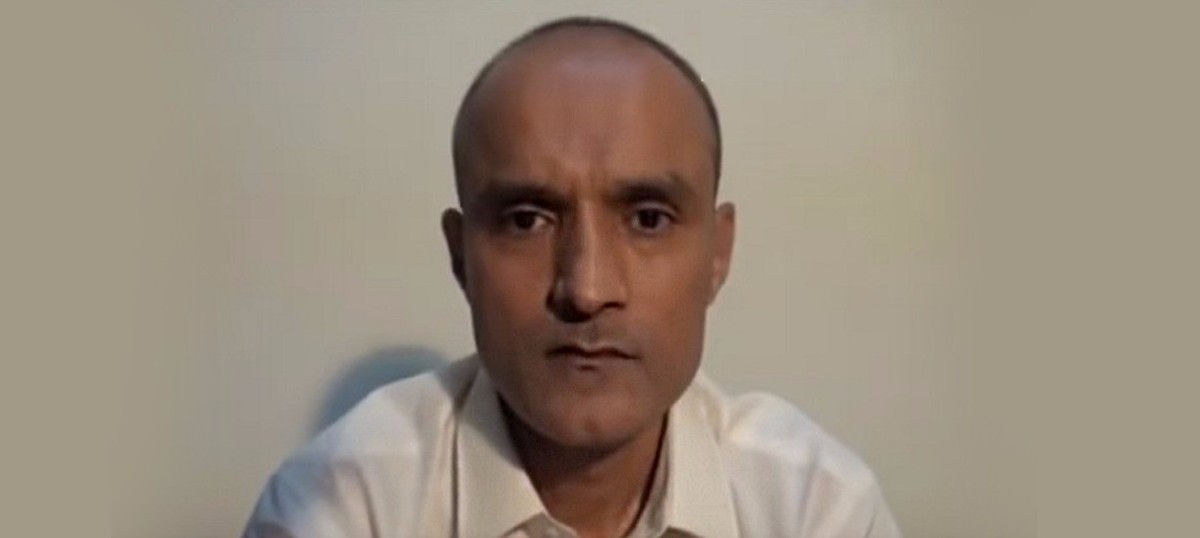
When we had to challenge this, where did we go?
We went to the International Court of Justice.
When that body delivered a judgment in our favour, we were naturally very happy.
And then we had concerns about whether Pakistan would honour that verdict.
Pakistan did honour it, but if Pakistan had not honoured that verdict, I am sure we would have generated critical public opinion across the world to ask how Pakistan could be allowed to violate a judicial order handed down by the International Court of Justice.
So, when it happens to us, we believe in these mechanisms.
We want these mechanisms to work.
But when it happens between Israel and Palestine, we cannot be indifferent.
That is not how the international legal order can function.
We need the cooperation of all nations, but we also need a firm belief and conviction in these basic human principles and values.
Whether it is the Universal Declaration of Human Rights—
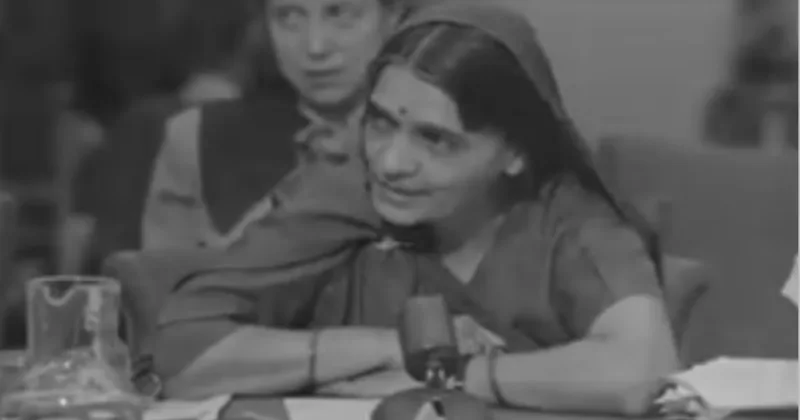
If you go back to history, you will find that Hansa Mehta was part of the drafting of the Universal Declaration of Human Rights.
So, as a country, India cannot dissociate itself.
It cannot turn a blind eye.
It cannot afford to ignore the brazen violations of international human rights law and humanitarian law that are taking place today in Palestine.
Gurpreet Singh:
Certainly. Certainly.
Well, Justice Muralidhar, it was nice talking to you.
Thank you so much for your time.
Is there anything that I didn’t ask you before I let you go?
Justice S. Muralidhar:
No. It’s only that I was just going to refer to two things.
One is that there is something called an “occupation psyche.”
If you read the report, it is referred to in paragraph 365.
This refers to the deep psychological trauma that Palestinian children are undergoing today and how their childhood is never going to be complete.
They have all been deprived of three years of formal school education.
They are living in displacement camps under horrific conditions.
And we cannot expect them to grow into healthy adults.
That is why the urgency of the situation is so great, and why aid needs to reach Gaza.
The second thing—and this is how I would like to end—is that although there is a concerted attempt to eliminate the Palestinian people as a group and, as part of that, to specifically target children, the Palestinian children themselves do not harbour such hatred.
We have quoted the testimony of a 13½-year-old boy who lost his mother and two sisters in an airstrike.
When our investigator met him, he said in his deposition:
“Before my mother was killed, she told me, ‘I need you to be a good person in society, like a doctor or an engineer, and do good for others.’”
And this boy says:
“Despite everything that happened to my family, I will do anything that is good for society.”
So, a 13½-year-old Palestinian boy, who is a victim and who could well have become deeply cynical and frustrated, has nevertheless preserved this element of humanity within himself.
Let us not, by turning a blind eye to these findings, erode that humanity within each one of us.
We should not allow this to become routinised.
We must raise our voices.
We must speak out in protest.
We must make our voices heard.
We must stand up to be counted.
This is most important.
Otherwise, future generations of children will not forgive us for ignoring the cries of the Palestinian children.
Gurpreet Singh:
Well, thanks for sharing such an amazing story at the end, Justice Muralidhar.
That means a lot.
Justice S. Muralidhar:
Thank you.
To watch the video of the interview in full on gurpreetonair YouTube channel click here.







History will judge not only those who committed atrocities, but also those who remained silent in the face of credible evidence. Protecting children in armed conflicts is a universal moral and legal obligation. A timely and deeply important piece that deserves serious attention.