

Breaking Bread With A Nun


Sensational stories draw attention like birds circling a carcass, feeding a market where arithmetic—of views, clicks, and ratings—is the true currency. But it takes rare sensitivity and compassion to look beyond the spectacle, to sit with women broken by it. Smitha Janet Nilgiris had just returned from such a journey, into the quiet interiors of Kerala—one that changed her in more ways than she had expected.
At the centre of one of the hardest and recent scandals that rocked the Catholic Church in its global history is the Nun from Kerala who accused Bishop Franco Mulakkal of Jalandhar of rape. In the case that ensued, protests and activism snowballed into public support. The struggles and fallout of the sisters, aside from the imprisonment and acquittal of Bishop Franco, are part of media history. Now living under state protection and anonymity, the Sister moves through each day away from the media glare, yet never free. Human and inhuman forces weigh on her, denying her the simple right to hide, breathe, or escape.

With the lack of closure, justice, and resolution to years of searing accountability to Church, herself, and others, she lives on, in a desolate, damp, mold-ridden Convent tucked eerily away amidst acres of rubber estate in her home State of Kerala. Her only companions are the two leftover nuns from the beginning of their turmoil.
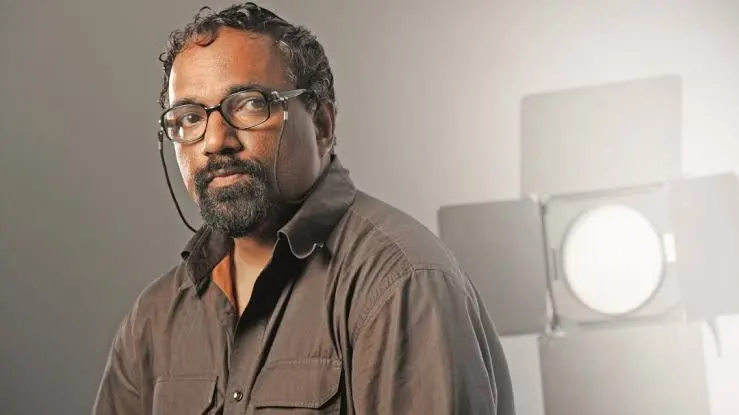
Disturbed by the Sister at the centre of the scandal—and by others quietly withering under layers of oppression—I joined the crew and the sisters’ filmmaker friend, Joshy Joseph, on a planned shoot: One Day in the Life of Sister. She had been obliged to come out of the shadows, trust, and permit the well-wisher filmmaker who had travelled with the Convent through their thorns. Shooting the lives of the sisters in 24, silent, meaning-packed hours, we came back to our respective zones, moved by the experience that created inexplicable tectonic shifts in our minds.
We had shot the sisters as they tailored and hand-stitched at the sewing machines. We witnessed and recorded the silences of many in those rooms. In one instance lights emanating from the needle points of their machines alone were the lights for the shoot. Everything else was turned off. In that moment, the scene struck me as a haunting metaphor for their lives. Later, the team moved on to the kitchen, where, like siblings in our own kitchen, chatting, helping, grinding, grating, and extracting coconut milk, like any Keralite cooking space, their movements and cuisine evoked all the flavours and aroma of gentle, sisterly expertise and concern.
I had carried a few table napkins, flowery, cotton, and bright for them when I packed for the trip. Happy to receive them, they speculated on what uses they could put them to in the kitchen or dining space. Cloth led them to enquire about the textile industry for their tailoring needs.
We tried not to disturb the rhythm of the convent—minimizing even our footsteps, whispers, and movements during the shoot. Every sound and gentle move was captured with its fullness, uncompromised. The nuances of this non-interfering, non-participating fly-on-the-wall technique were briefed to me during the journey to the sisters. As the camera began to work, I imbibed the nitty-gritties of a beautiful mode of reality-capture with a new awe for silence. It was fantastically moving to see the images of the sisters on the camera’s monitor. At one point, l chanced upon an intense, emotion-enveloped look in the filmmaker‘s eyes as he gazed unblinkingly at the monitor.
The sound of the walkie-talkie from the police outpost was an accustomed sound in our recording by now, no longer an outside thing. Very organically, their lives played out before us. What made the shoot so moving was not that they “acted naturally,” but that there was no act at all. They were innocent of the camera. Their obliviousness to the camera was striking. When they did become conscious of it on a few occasions, it was touching.
While serving dinner for us, we naturally shot them. When asked to repeat the act of bringing dishes from the kitchen, one sister innocently protested: “Appol” (in that case), “is it alright if we walk back and forth with the same dish? Shouldn’t we be honest that we cooked only a little for you?”
The second day was unbelievable for me, for the immediacy of everyone around to synchronise with the mission. Conventional ways now lend themselves easily to us.
Following a morning coffee, in due silence, we recorded them at their joint morning prayers in the Chapel. Sister took the crew along the architecture of the old and new buildings, the plucking of fruits and vegetables, walks to monitor the surroundings, cultivation, and poultry, dutifully obedient to Joshy Joseph’s signs and inputs. During the small break, we let our guards down, joked, laughed, and mingled warmly.
I spent time with them helping them unwind when the crew was not at work, and at breaks we helped each other to black coffee and relaxing tea. Kind, accommodating, and genuine, they embraced our 24-hour project with ease. Though their lives seemed dulled yet hyper-aware, they flowed naturally into the purpose, leaving their mark on us—the privileged outsiders from a world with far fewer taboos.
Once, when the crew was at a shoot elsewhere, Sister walked up to me with a saucer of gravy and a piece of chicken to taste, which l did and gave an opinion. She spontaneously said in the vernacular, “Drink up the gravy, don’t care for manners now!” When l smiled in refusal, like a child, she licked up the gravy with her fingers and quipped. “This one’s for behind the scenes! That’s what they call it, isn’t it?” l walked up and planted a kiss on her habit’s shoulder and turned. She let out a laugh.
While we had the camera on, she would guide her tailoring girls, take phone calls from family, have Government machinery indulged by friends, tend to the plants, the building, and cook for us. She placed a bucket of very hot water before my doorstep when she woke up to serve morning coffee. Later, she would place freshly plucked guavas in my hands and take the plucked chillies to the kitchen. She packed a good meal for the worker outside, supporting them in their fields.
During one shooting moment, another sister gestured to me to not stand but to come and sit near her in a chair, little knowing it was in the field of the camera. The filmmaker’s vision, the cameraman’s skill, the sound recordists’ dedication, and the quiet efficiency of the support staff all moved gently through the convent’s hushed hallways—capturing even the spaces where the sisters were absent.

It was aesthetically discovered that the terrace was highly lucrative to visuals and interactions, owing to the freedom and expanse it afforded. In the attempt to take a panoramic view, we registered a beautiful perspective of the place and the three people on the terrace. The weather on that pleasant monsoon evening was friendly, the lighting before sundown perfect, the sombre clouds loomed large, and the sisters made themselves oblivious to the camera once again. As I climbed from the convent’s dark corridors to the terrace, Bishop Franco’s audacious words—quoted in The News Minute—haunted me. They echoed as testimony to a cornered sisterhood, forced to survive or perish in silence. His remarks—crudely sexist—spoke of “finger tests” to determine how many partners a woman had supposedly had. What disgusted me was not just the patriarchal arrogance of his so-called “tests,” but that these words came from an accused—and later acquitted—bishop, who had once walked these very halls and lived here.
At the terrace was a Cross overlooking the Convent. We recorded the sisters as they talked, sat discussing, joked, asked doubts and walked across its length with a resigned familiarity with their place. When Sister was settled, Joshy Joseph, in an unplanned gesture, seated her in a chair, sat himself on a low cement ledge nearby and began the only real conversation she would have with us during our visit. It was at the 24th hour of the 24-hour shoot, about her life and predicament. A visibly distraught expression, but one of cooperation was on her face. “When you once said, ‘Winning or losing it is a Cross (kurishu) to me,’ what did you mean, Sister?”Joshy asked. She was lost for an answer. Writhing agony was spreading in her consciousness. He warmly brought a closure to the evening, the endeavour and event, saying, “A transfer is all you had asked in the beginning, isn’t it ?” She held back from breaking down, yet tears rolled down her trembling face as she said:
“If only I had known what the system had in store for me when I entered it, I might never have dared to fight it. I thought I would find justice—but instead, we were crushed.” Joshy’s eyes welled up on seeing and hearing her distressed reality, articulated in earnest, helplessness, and defeat. “I am going to withstand and continue, now that it has brought me to this,” she said.
Everyone recording and bystanding was silenced for long moments in solidarity with that strength gathered within the Reverend Sister in a habit, whose life we bore witness to, in all its truth and gentleness.
As we wound up the enterprise and walked down the terrace, I felt I was the only one thinking: the housing has no bright light, the walls have no good paint, the floor has no warmth, the roof has no safety, the building has no life. Yet in this hostile atmosphere, three leftover lives were paddling up and paddling each other’s raft in the discomfort of living their inevitable lives.
After embracing the sisters in farewell, I resolved to write about this encounter up close. The journey back was a quiet one for me. l was the only woman in the team. To be a woman—in a habit, in professional clothing, in a worn-out saree, bent over a paddy field or a construction site—is to endure womanhood in every pained, shamed, and recuperating sense, after the male gaze has assaulted the very core of your trembling essence. How to respond to inner brokenness is utterly private, sensitive, and inexplicable. The initial shocks to the soul of womanhood would burn the defences down when society’s laser view is on sexual information within the precincts of religion. Even more so when the force you are fighting is a known man—and behind him, the powerful system against which you must weigh your vulnerabilities. What then remains is developing an immunity to agony by coming to terms with the sickening baggage. Fighting very private details in the public square causes exhaustion. That exhaustion was written as grace across Sister’s smiles and silences.
P.S. On the very first day, I surprised myself with a guilty, almost mischievous act: sneaking clean bites straight out of the mann chatti (clay pot) in the kitchen. After the chicken curry had left for the dining table in propriety-ridden hot cases, the pot was being taken to the kitchen sink by a nun.l recalled it, secured it, and asked for the soft bread seen around the place. Out came a person, Sister, to share this levelling, domestic, feminine kitchen secret with me. l broke my slice with Sister, and amicably, unabashedly, we cleared the warm, ground spices from our ‘chatti’.
The highlight of my kitchen experiences was when, the following day, my partner in crime called out, “Come along, the Meen chatti (fish clay pot) is free and ready.” We performed operation clear pot with more bread. Nothing like old school cuisine hacks. The sense of camaraderie with some non-sophistication in the kitchen is priceless. Back home, I asked myself: “Had I not, in truth, broken bread with Sister?”









Heartbreaking, humbling. Sensitive writing.