


Senior Journalist and author Nalin Verma’s fortnightly column in The AIDEM titled ‘Everything Under The Sun’ continues. As the title suggests this column addresses diverse issues ranging from politics, social issues, culture and literature, all abiding passions of this veteran writer and teacher. This is the 17th article in the column.
In a kingdom’s ancient heart, a woman weaver wove starlight threads, each a voice destined for the Great Hall of Voices. Yet, gatekeepers, swayed by misogynistic cruelty and prejudice, permitted only a few of her finest strands to grace the regal hall of governance.
Among them were the Starlit Daughters—18 in all, their threads gleaming with courage, integrity, and wisdom’s glow.

In Missing from the House: Muslim Women in the Lok Sabha [Juggernaut Books], Rasheed Kidwai and Ambar Kumar Ghosh chronicle these 18 Muslim women who, from 1952 to 2024, wove a legacy unmarred by corruption, communalism, or crime. Their quiet strength, a bulwark against exclusion, shines in India’s 75-year parliamentary saga.
Like heroines of Panchatantra tales or Sufi parables, they show that even the finest thread can bind a nation’s soul. The book doesn’t dwell on their marginalization in the halls of power; instead, it celebrates these 18 women as a purifying force against hate, division, and the corruption often staining male lawmakers. These Lok Sabha members—some living, some gone, some fading into obscurity—are like blossoms cleansed by silvery rain on floors soiled by corruption, hate, intrigue, violence, misogyny, and chaos.
Statistically, of the 7,500 MPs elected since 1952, only 0.6% have been Muslim women. In four of 18 Lok Sabhas until 2024, not one Muslim woman was present. Strikingly, never have more than four Muslim women held the 543 seats of the lower house at once. This stark underrepresentation isn’t tied to a single political era or party. Yet, the book deftly dismantles the Bharatiya Janata Party’s claim of “Muslim appeasement,” exposing its patriarchal, majoritarian bias.
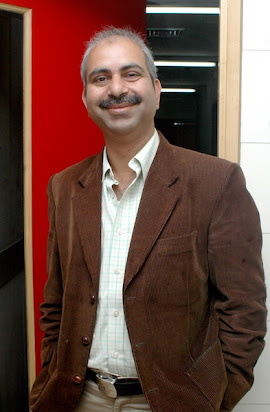
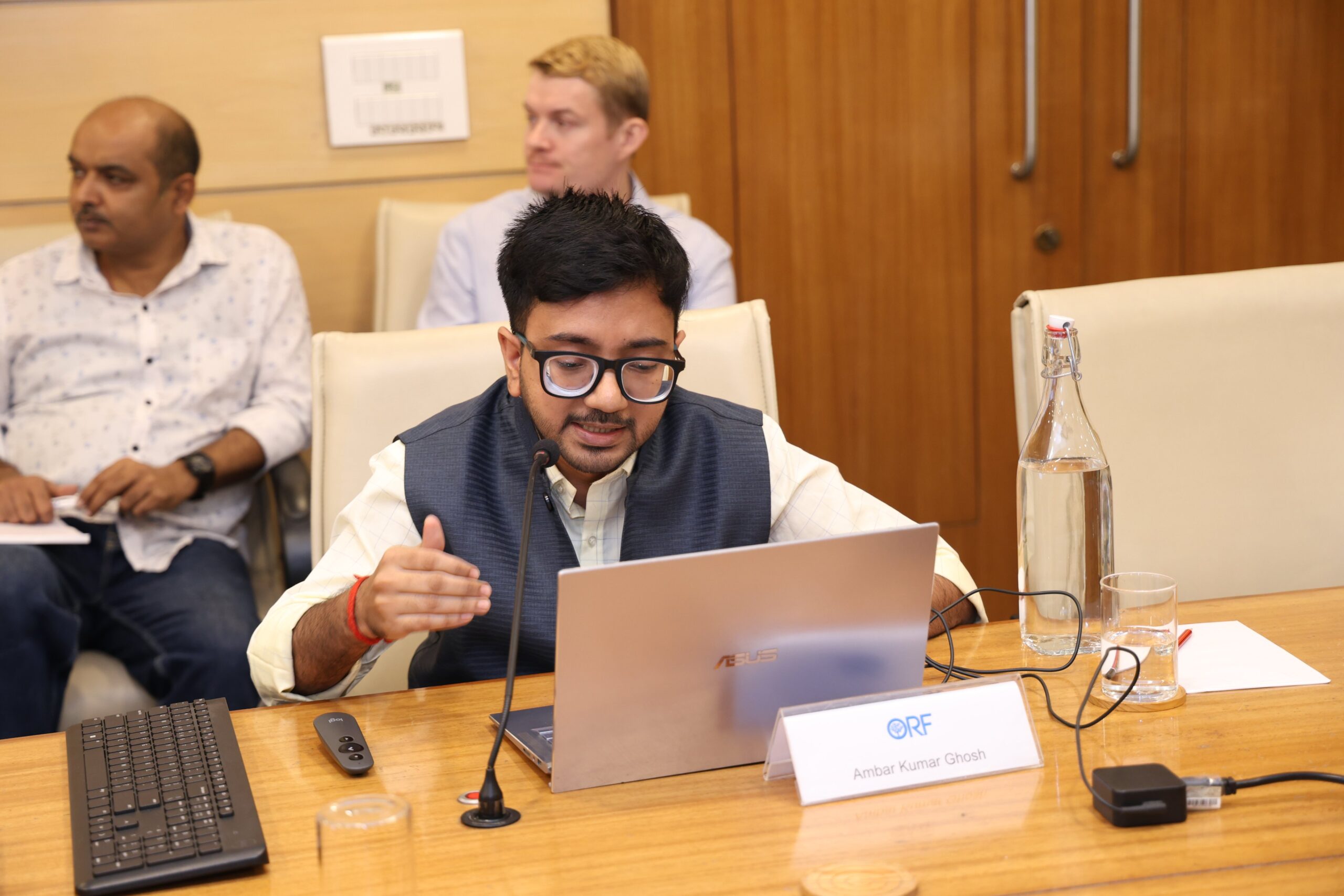
Rasheed Kidwai, a masterful chronicler of post-independence India, weaves enchanting anecdotes as captivating as the women’s contributions. He avoids bitter words against the ruthless patriarchs dominating India’s political landscape. Co-author Ambar Kumar Ghosh, a meticulous PhD researcher, enriches the narrative with rigorous data and empirical insight.
From Mofida Ahmed to Iqra Hasan:
From Mofida Ahmed, elected in Jorhat, Assam, in 1957, to Iqra Hasan Choudhary, MP from Kairana, Uttar Pradesh, in 2024, the book traces Muslim women MPs in the Lok Sabha.
Between them are sixteen others: Zohraben Akbarbhai Chavda [Banaskantha], Maimoona Sultan, Begum Akbar Jehan Abdullah [Srinagar, Anantnag], Rashida Haque Choudhury [Silchar], Mohshina Kidwai [Meerut], Abida Ahmed [Bareilly], Noor Bano [Rampur], Rubab Sayeda [Bahraich], Mehbooba Mufti [Anantnag], Tabassum Hasan [Kairana], Mausam Noor [Maldaha Uttar], Kaisar Jahan [Sitapur], Mamtaj Sanghamita [Durgapur], Sajda Ahmad [Uluberia], Ranee Narah [Lakhimpur], and Nusrat Jahan Ruhi [Barisat].
The book does not explore Muslim women elected to state legislative assemblies and only briefly mentions their roles in the Rajya Sabha. Yet, readers can readily discern that the representation of Muslim women, and women across communities and religions, remains woefully inadequate in India’s legislative halls.
Notably, most of these Muslim MPs hail from just three states—Assam, West Bengal, and Uttar Pradesh. South Indian states, despite their relative socio-economic progress compared to northern states, lag in women’s representation in governance.
Remarkably, despite their limited presence, Muslim women MPs have made extraordinary contributions to enriching India’s democracy and nation-building. They have brought decency, civility, vibrancy, and grace to Lok Sabha proceedings, which, especially in recent times, often resemble a wrestling arena where male MPs flex their muscles and trade insults.
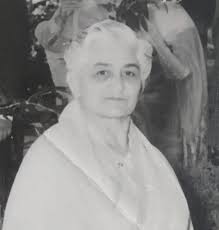
Maimoona Sultan [Bhopal] descended from the storied Begums of Bhopal, who ruled the princely state for over a century. The Begums are now woven into Madhya Pradesh’s rich folklore. Qudsia Begum, after her formidable husband Nawab Nazar Muhammad Khan was killed in a playful gunfire incident, cast off her veil, declared herself regent for her 15-month-old daughter, and ushered in over a century of Begum rule in Bhopal.
Maimoona, with her mastery of English literature, was an eloquent leader. Articulate and erudite, Maimoona [1957-1967] even unsettled the formidable Rajmata Vijaya Raje Scindia in the Lok Sabha.
Mohsina Kidwai [94], another charismatic leader, entered the Indian National Congress in the 1960s under Jawaharlal Nehru and remained steadfast through four generations of leadership. She earned as much respect from Indira Gandhi as she does from Sonia Gandhi, Rahul, and Priyanka.
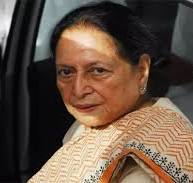
A dignified figure, Mohsina has represented the Uttar Pradesh Assembly, Lok Sabha, and Rajya Sabha multiple times. “Mohsina ji has a remarkable ability to forge warm connections across the political spectrum and with people from all walks of life,” Sonia Gandhi wrote in Mohsina’s 2022 memoir, My Life in Indian Politics.
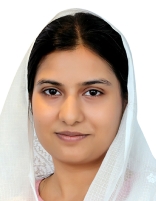
The latest in this lineage of remarkable Muslim women MPs is Iqra Hasan Choudhary, a SOAS University of London alum, elected from Kairana in 2024. Iqra, the youngest woman MP in Lok Sabha history, has already carved a distinct place in the public imagination.
Dynasty and Democracy
While the BJP and its allies now include several dynasts, Sangh Parivar leaders criticize Congress and its allies as “dynastic” parties. Yet, dynasties have undeniably played a pivotal role in the rise of Muslim women in the Lok Sabha. Without the progeny of historic dynasties, India might not have seen even 18 Muslim women MPs in over 75 years of parliamentary history.
Moreover, by decrying “dynastic politics,” the Sangh Parivar has failed to produce leaders of comparable dignity.
Jammu and Kashmir Chief Minister Omar Abdullah aptly challenged this narrative: “It’s utterly unjust, uncouth, and undemocratic. Why should politics alone be free of dynasties? Why not sports, administration, judiciary, or other fields?” he argued. “Be it the child of a politician or not, one must face the people every five years for a renewed mandate,” he added at an event tied to this book.
The BJP’s IT cell relentlessly promotes a divisive agenda, often targeting Muslims. Many Hindus draw their understanding of minorities and their culture from the Hindutva-driven feeds on platforms like Facebook, WhatsApp, and other digital spaces. Missing from the House: Muslim Women in the Lok Sabha is a revelation for readers. This column wholeheartedly recommends the book to those genuinely seeking insight into Indian democracy.