


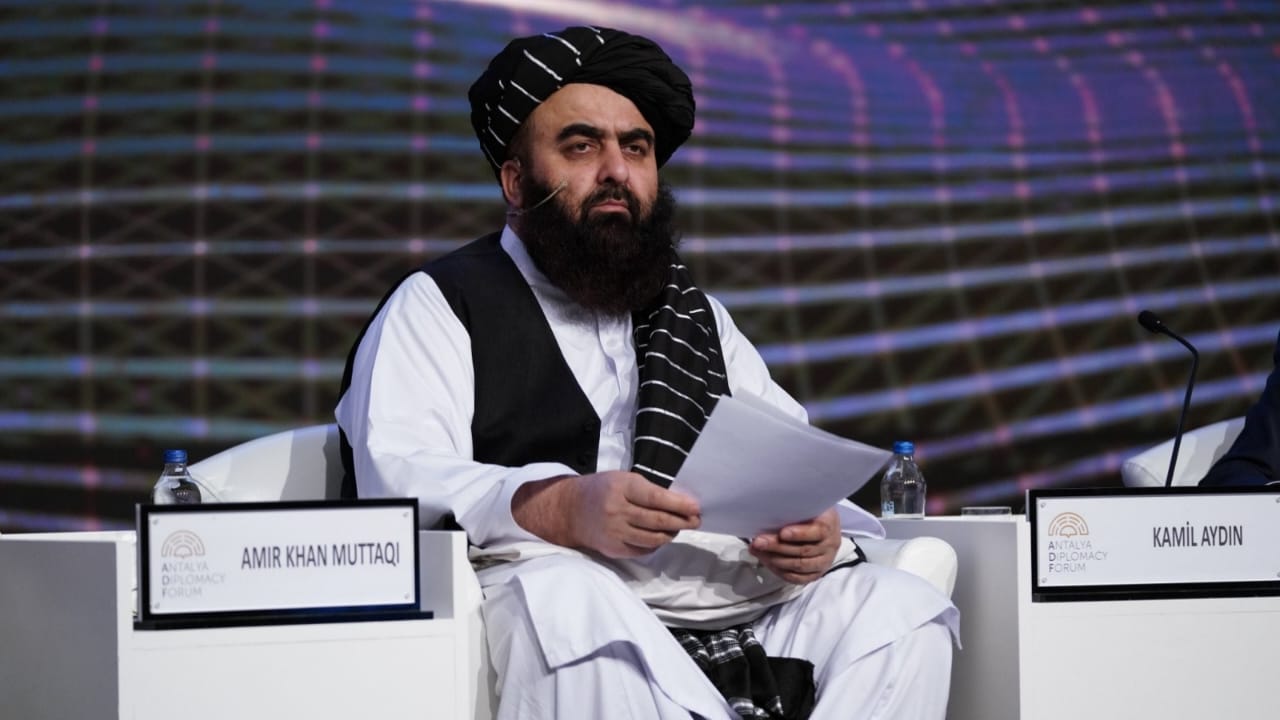
A week-long visit of Amir Khan Muttaqi, the Taliban-led regime’s acting Foreign Minister, holds strategic and geopolitical significance. Mr. Muttaqi is scheduled to be in New Delhi between October 9–16, following a successful waiver from the UN’s sanctions committee. This trip, coming after his participation in the Moscow Format Dialogue, is anticipated to include a meeting with India’s External Affairs Minister S. Jaishankar. The visit is crucial for understanding the evolution of India’s relationship with the Taliban-led regime over the past four years, balancing strategic and security considerations with persistent concerns over the nature of engagement and securing Indian interests.
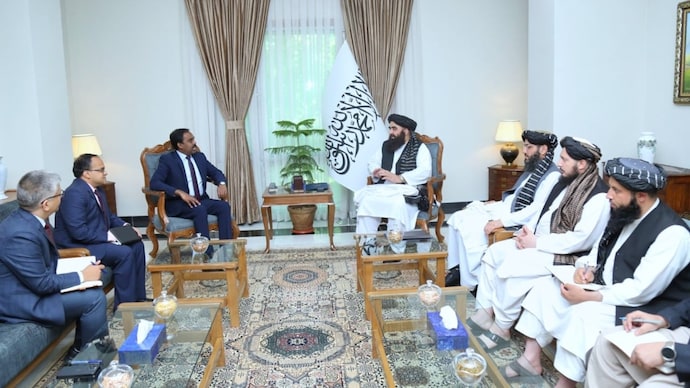
India’s initial response to the Taliban’s takeover in August 2021 was swift: closing consulates, shutting the embassy, revoking visas, and evacuating citizens. However, a degree of uncertainty followed regarding formal engagement. This eventually transitioned into an initial contact when the Indian ambassador in Qatar met the head of the Taliban’s political office in Doha to seek security assurances.
The gradual process continued, leading to the operationalization of a technical mission in Kabul in June 2022, following a visit by a Joint Secretary from the Ministry of External Affairs. This move represented a modest, albeit reluctant, engagement that has now matured into tacit acceptance of the need to deal with the Taliban reality.
A significant breakthrough occurred early this year in Dubai, where the Indian Foreign Secretary met Muttaqi, marking the first high-level engagement. Discussions spanned humanitarian aid, development assistance, and the importance of the Chabahar port. The Taliban’s Ministry of Foreign Affairs subsequently referred to India as a “key economic and regional player.” Following a terrorist attack in Pahalgam in April, a subsequent meeting and a telephonic conversation between Jaishankar and Muttaqi saw India express gratitude for the Taliban’s condemnation.
The India-Taliban engagement has gained momentum partly due to the deterioration of ties between Pakistan and Afghanistan, giving New Delhi more maneuvering space. India’s strategy is driven by long-standing historical ties as well as immediate security concerns regarding the north-western frontier, particularly the presence and potential support for terror groups like ISKP, Al Qaeda, Lashkar-e-Taiba, and Jaish-e-Mohamed.
New Delhi’s increasing engagement is also influenced by growing regional acceptance of the Taliban, exemplified by Russia granting de jure recognition in July. Other nations like China, Iran, and the Central Asian Republics have stepped up their engagement, either by exchanging ambassadors or handing over embassies to Taliban appointees.
For the Taliban, engaging with India is a means to project domestic legitimacy and demonstrate a pragmatic, balanced foreign policy, separate from past over-dependence on Pakistan. While this separation benefits India by creating space, New Delhi must remain mindful of the China–Pakistan–Afghanistan trilateral dynamic.
India’s actions also have a significant impact on the Afghan populace. There has been a consistent push for New Delhi to resume visa services, increase humanitarian aid, and refocus on development assistance, with the Taliban also seeking the resumption of infrastructure projects and investments. India was a prompt provider of aid after the August 31 earthquake, utilizing the Chabahar port.
The upcoming meeting is expected to see Muttaqi push for the institutionalization of the status quo, likely advocating for a Taliban-supported ambassador in New Delhi, a development sought since Republic-era appointees left the embassy. Further demands are expected regarding visas, investments, and the restart of infrastructure projects.
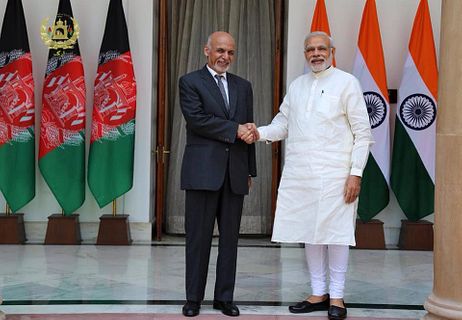
For India, the priority remains extracting security guarantees and protecting its interests. New Delhi’s deepening political engagement with the Taliban must be balanced with continued support for the Afghan people, addressing concerns about the regime’s draconian restrictions on women and minorities. The extent of India’s leverage in pushing for these changes and the trust it can place in the Taliban’s security assurances remain key uncertainties in this evolving relationship.
This article is also published in Emerging World daily.