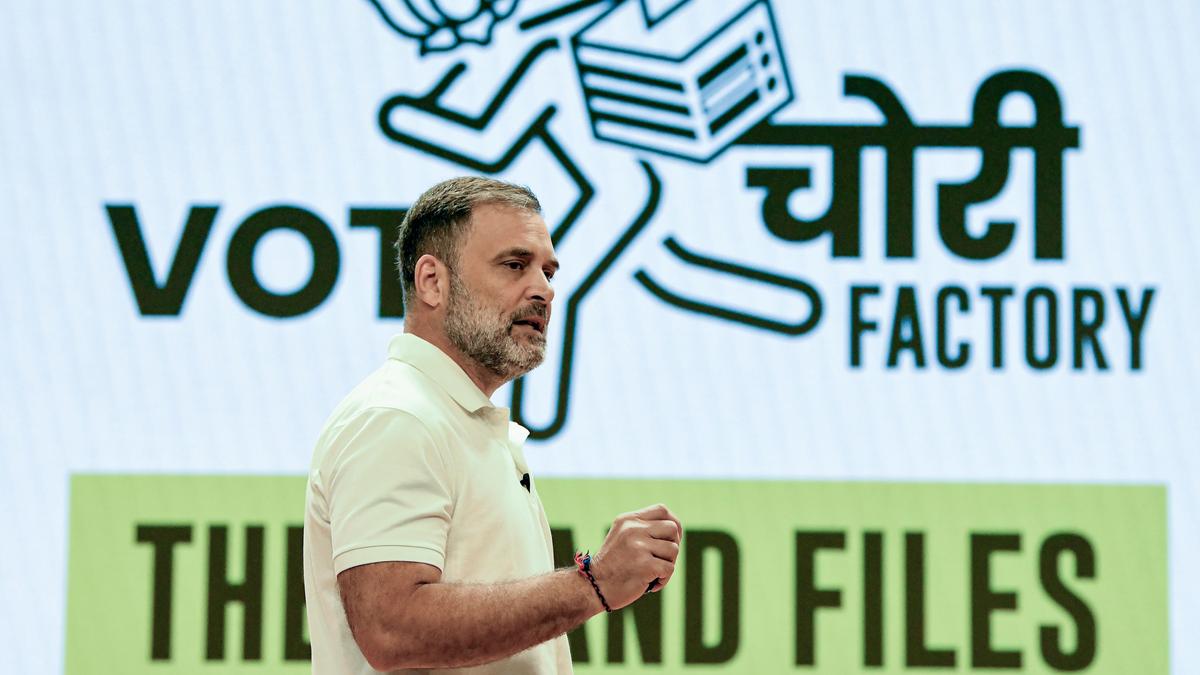
A wave of restlessness about identity is sweeping across the length of the country following Bihar’s SIR. A sense of vagueness about individual existence in records is gaining on the electorate. It only promises to worsen with revelations and discoveries about Haryana‘s elections, leaving a bad aftertaste about upcoming SIRs in Southern States. Absurd are the findings displayed on the screen by the Leader of the Opposition. More absurd are the silences of many, including the Election Commission, from whose very records evidence of scam after ugly scam is being unearthed.
The bizarre multiplicity of the same name in a different address, gender, age, or booth is the baring of corruption‘s snarling teeth on the masses. Another parallel genocide is the disappearance and absence of names amounting to nearly seventy lakhs, in a single State. It signals the beginnings of overt autocracy from the covert, and the massacre of Democracy in the minds of the fresh as well as patriotic voters.
It was always understood by the thinking audience that unlawfulness is a deadly malaise that is cancerously eating away at the justice, power, and growth mechanisms of this country. However, totalitarianism’s fangs have begun to spew poison in the form of mass identity theft for backdoor power capture at the cost of the skeletal framework that built this country from scratch – Constitutional Rights.
One needs to be alive even to experience pain or injustice! If one is declared dead and still forced to be around, what does one do for the rest of (non) life? It is a state of limbo, a state of damnation that relegates one to the backyards of anonymity.
To feel dead when alive is a poetic luxury, but to live dead when alive is a macabre absurdity. The average labourer, farmer, migrant, construction worker is that simple, illiterate, disadvantaged, highly ignored basic workforce that holds the rest of the economy on its fragile shoulders. Yet they are first in the line of fire, taken on that ride called We killed you. Doubly jeopardised first by poverty, then death of identity, the clandestine machinations of the power centres strip this underdog of his already weak, unheard-of existence, rendering him dead.
When the enemy has taken away your identity, it leaves the smell of death behind with you. Have you smelt death? It is both elusive and here to remain. How does that odour feel? How does it hit you? Shall we call that smell Mrutyugandh? One poet does.
A series of Seven Shorts has been created and released about the helplessness and emptiness of being declared dead while alive. They portray the nihilism in having to continue to live dead as the only leftover reality for the rest of ‘life’. The dichotomy of being caught between living and non-existing is described in very poignant terms in the visuals and poetry that render these Seven Shorts immortal, to use a chosen word! I was tempted to use killer Shorts but refrained.
These short musical and poetry-laden Hindi videos were released on YouTube in the intervention of a visionary International Film Festival in the backwaters of Kochi. Interestingly, a village in Kadamakudy in Kerala had come together for the Second edition of its homegrown International Film Festival in 2025, where the kitchen was closed inside homes, bringing the women, men, and children of the village into a harmony of community service, leading to the success of the festival. Food and Films were he common binder for the simple, hardworking people of this host village. They watched handpicked films with Malayalam subtitles and celebrated world classics, new experiments in Cinema, and sat through engaging discussions by the masters.
The visibility of these Short videos arises in the backdrop of Vote Chori. The released ideas about the existential crises of dead-living coincided with Rahul Gandhi inviting the supposed dead to sip tea in his company.
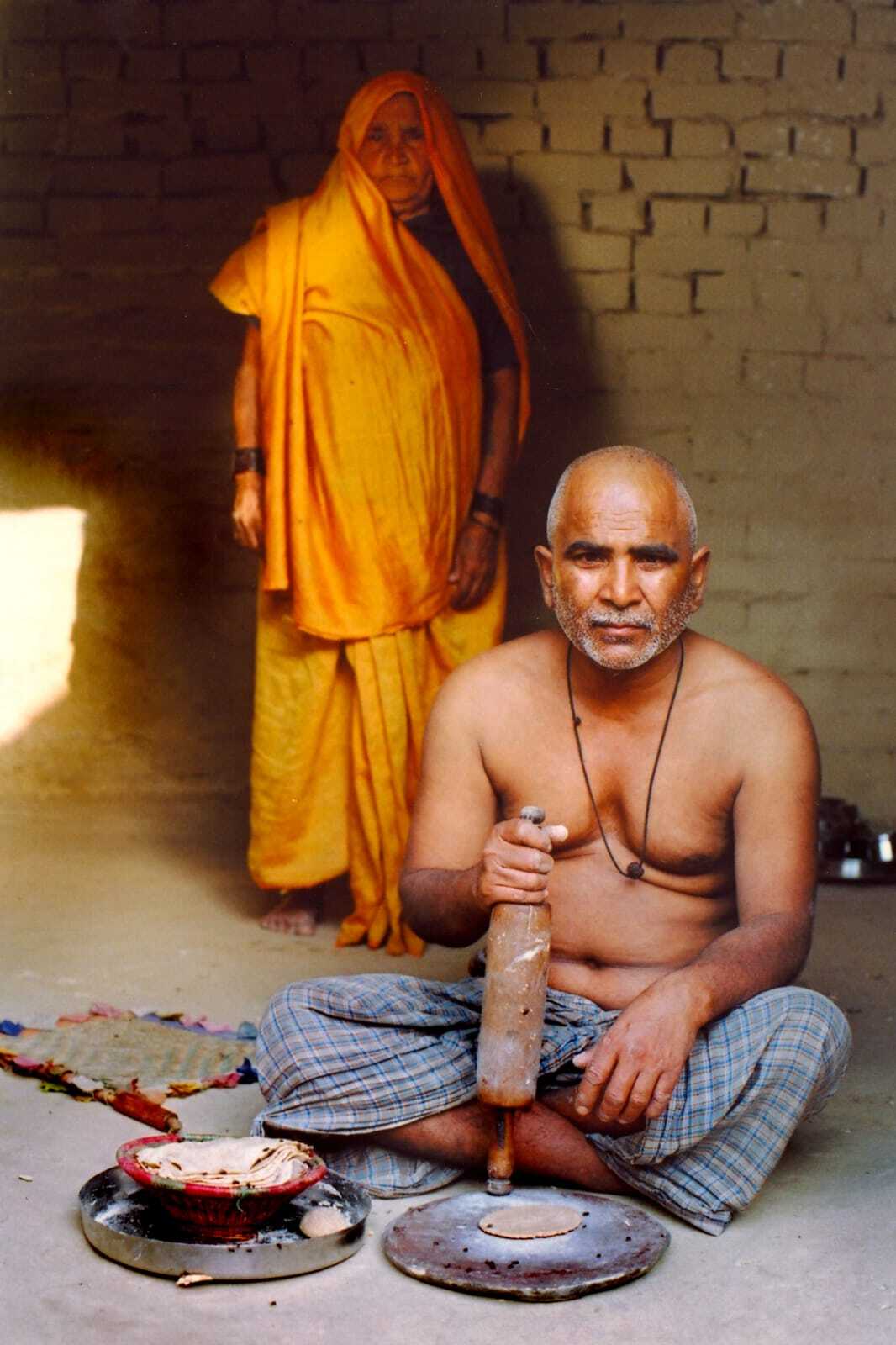
Titled Banaras and a ‘Dead Poet’, Dead man contests to Parliament, Deadman making Chappati, Dead man becomes Sadhu, Death by Court Order, Mirza Ghalib poem on Death and Smell of Death, Mrityugandh, these poems have a quotient value in the context of the recent developments in the country.
For a festival conducted in May 2025, these videos prophesied the death of the voter that was going to be unravelled around the corner, in the surveys’ leak. The poetic lines remind us of living corpses that stink of neglect, exclusion, and marginalisation to the fringes of humanity. Poets as famous as Mirza Ghalib, Kaifi Azmi, Kedarnath Singh, Kumar Vikalp, Chandrakant Devtale, Uday Prakash, and Ramsamujh render the poignancy of annihilation while visuals in these Shorts chaperone us on the abysmal pathways of Death by corruption.
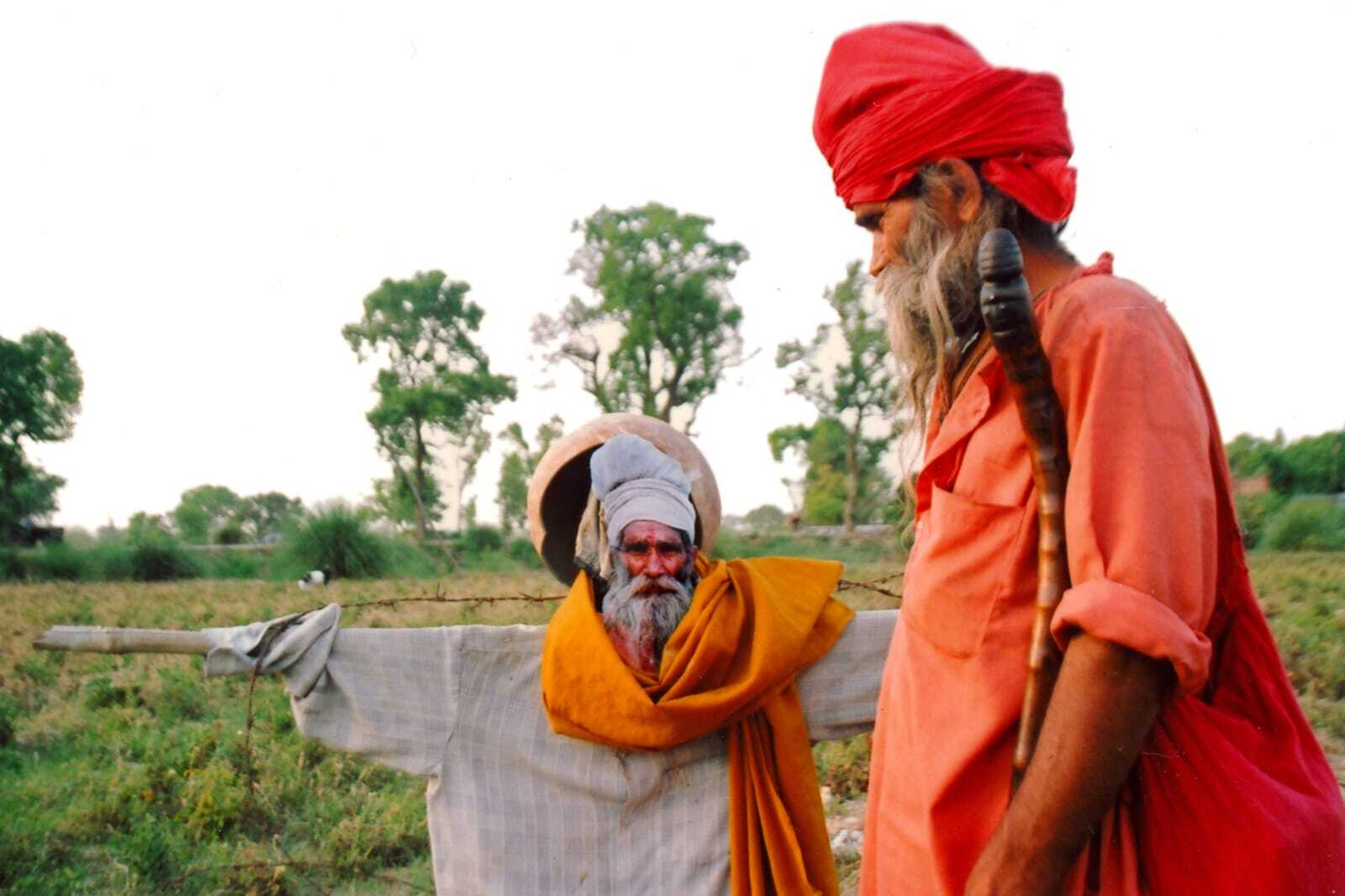
Is there not a haunting polish, a fine finish when a voice recites Hindi poetry in meaningful pauses while visuals lead you philosophically? Loaded utterances, the pointed stress, instances thrilling with authentic pronunciation of a breezy Urdu combined with Hindi, is a symphony, not mere music, to the ear. Added to this, when visuals play Catch Me If You Can, the ecstatic presence of Urdu-wrapped Hindi enamours and pulls at the heartstrings alike, for the context is Death. Death is not the regular end of life, but death as the continuum of living in the declaration of dying.
The beauty of aspirated words in Hindi and Urdu is that they need not exist within poetry to sound poetic. That puff of air that escapes as sound utterance conjures up an aesthetic, pleasant. Within this auditory dynamism, any raw truth, unsavoury reality, or hardcore philosophy can be poignantly conveyed. Laden with meaning, each of the Shorts represents a facet of one who is a living Dead.
The expose of Vote Chori is a gunshot wound on the Legislative backbone of a supposed role model democracy with the highest number of amateur, young voters to boot.
The Shorts were a pleasing coincidence about death, death of identity, and death of the voter rigmarole rocking the pre-2026 election scenario. Though the seven pieces could all be watched in a mere 22 minutes, one video is a tad bit longer than the This short attention span purpose. These poems in Hindi are testimony to the spirit of aesthetics, integration, and nationality emanating as hope amidst the ambushes of voter identity gripping the nation.
In an absolute reversal of roles, a form of investigative journalism was played out to a full house of Journalists: The Leader of the Opposition calls for a conference of leading media houses to put evidence on the table against fraud in electoral rolls. Still, no hue, cry, or roar emanates ferociously or calmly in the media to the blind eye turned by the Election authorities to a well-planned or well-executed decision to play with votes.
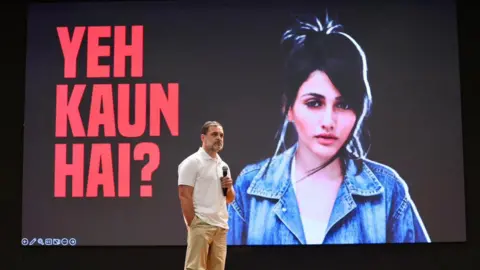
Social media decries the findings. It is not the mainstream media that is rife with discussions, arguments, questions, or debates about strongly supported and displayed facts. The sheer shamelessness and absurdity of a Brazilian model‘s face appearing 22 times as Seema, Sweety, Saraswati, Vimla, and others has evoked a response from the model herself. I wonder, further down, would foreign media only come to observe elections in this vast country or participate in it too?