

Opposition Needs Clarity, Cohesion, and Consistency: Stalin’s Bihar Postmortem


Tamil Nadu Chief Minister M.K. Stalin has long been regarded as one of the most strategic political thinkers within the INDIA bloc. His experience in statecraft, his deep organisational grounding, and his ability to communicate political ideas with clarity make him an influential voice in national Opposition circles. After the recent drubbing that the RJD–Congress–Left alliance suffered in Bihar, Stalin offered a concise but pointed observation that has quickly gained attention beyond Tamil Nadu.
“Election outcomes reflect welfare delivery, social and ideological coalitions, clear political messaging, and dedicated management until the last vote is polled,” he said. It is a line that sounds deceptively simple, almost like a textbook summary of political strategy. Yet, beneath its simplicity lies an uncomfortable truth: these “basics” remain elusive for much of the national Opposition.
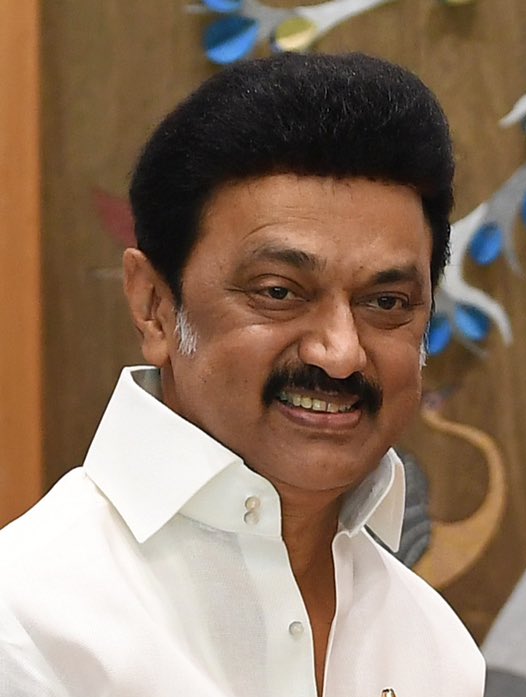
At its essence, Stalin’s remark encapsulates the foundational building blocks of electoral success. These are not worn merely by arithmetic coalitions or by hoping that anti-incumbency will automatically work in the Opposition’s favour. They must be lived by parties and alliances that convey a clear message, demonstrate tangible achievements, build cohesive social alliances, and maintain organisational discipline. These, as Stalin implies, are not optional ingredients but the minimum requirements for any serious political contender. The Bihar results, disappointing as they were for the Mahagathbandhan, reflect a failure to meet these essential criteria.
One of the INDIA bloc’s central weaknesses, and certainly the Mahagathbandhan’s in Bihar, is the inability to craft and communicate a central narrative. A political alliance without a narrative is like a ship without a compass; it may move, but it does not travel in a purposeful direction. In Tamil Nadu, the DMK has mastered the art of building an ideological framework that informs its welfare policies, its criticism of opponents, and its vision for the future. Voters know what the DMK stands for; they know its ideological lineage, and they can identify with its language of social justice and inclusive development. In Bihar, however, the Opposition entered the electoral battle with fragmented messaging. At times, the campaign appeared to focus on unemployment. At other times, inflation, governance failures, or caste justice were highlighted. But never did these themes merge into a coherent story that could emotionally and intellectually bind voters.
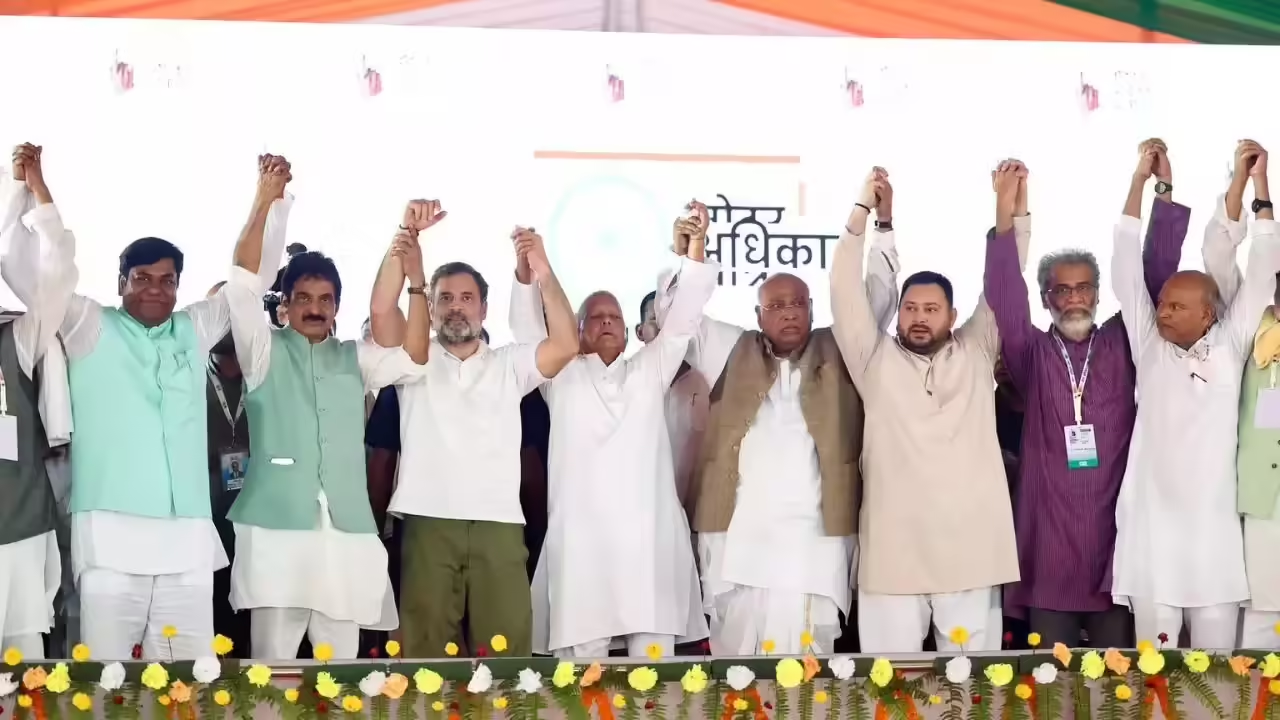
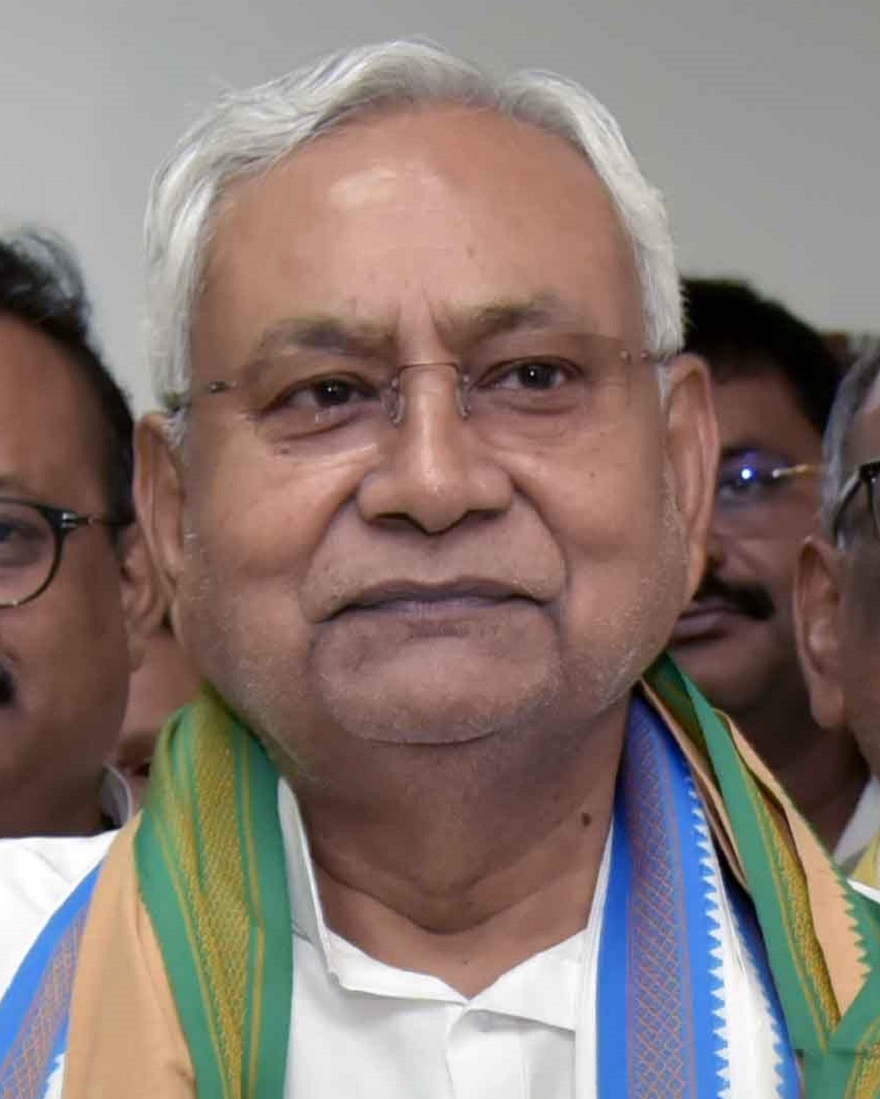
Political messaging is not merely about pointing out flaws in the incumbent. It is about presenting a credible alternative that feels both aspirational and realistic. The NDA in Bihar, despite facing criticism over several governance fronts, offered voters the comfort of continuity, stability, and a familiar leadership structure. With Nitish Kumar’s governance narrative, Modi’s national appeal, and the NDA’s emphasis on welfare schemes, a consistent storyline that voters could easily understand. The Opposition, by contrast, struggled to articulate why voters should choose them instead. Without a unifying emotional appeal or a sharply defined vision, the campaign looked disjointed and reactive. Stalin’s emphasis on welfare delivery is also a reminder that political credibility is built not through promises but through execution. In Tamil Nadu, the DMK has nurtured an ecosystem where welfare schemes are embedded deeply into everyday life—free bus travel for women, school breakfasts, healthcare initiatives, and other targeted benefits that reach households consistently. This creates a reservoir of goodwill that goes beyond electoral cycles.
Bihar’s Opposition, however, faces the challenge of contesting an incumbent that has, over time, institutionalised ration benefits, women’s empowerment initiatives, and other welfare schemes that resonate particularly with poorer households. Criticising a government’s shortcomings cannot substitute for demonstrating an alternative governance model. The Mahagathbandhan did not convincingly display how its administration, if elected, would improve the everyday realities of the people.
Beyond welfare and messaging lies the crucial question of organisational strength. Election management is often invisible to outsiders, but it is decisive at the booth level. Stalin’s comment about “dedicated management until the last vote is polled” touches the core of electoral credibility. Stalin’s intervention is not just a reflection on Bihar; it is a broader commentary on the INDIA bloc’s national challenges. As the alliance aspires to present itself as a viable alternative to the BJP-led coalition, it must internalise the fundamentals that he articulates. It must build a narrative rooted not only in criticism of the central government but in a compelling vision of governance and development. It must invest in organisational structures that can mobilise voters beyond social-media campaigns and urban rallies. It must forge ideological frameworks that can unify diverse regional parties into a coherent force. And above all, it must demonstrate the discipline and seriousness that modern electoral battles demand.
The defeat in Bihar should not be dismissed as an isolated event, nor should it be attributed solely to local factors. It is a symptom of a deeper malaise within the national Opposition—a lack of clarity, cohesion, and consistency. Stalin’s candid advice offers a roadmap that is grounded in experience and proven success. Whether the Opposition chooses to heed it remains to be seen. But if the INDIA bloc is serious about challenging the BJP’s political dominance, it can no longer afford to treat electoral fundamentals as optional. The lessons from Bihar will continue to repeat themselves until the Opposition embraces the basics that Stalin has laid out so plainly.







Well said Dr Pandey .. The big question though is that the ivory tower people in opposition do not learn these simple lessons despite serial reverses