“Why should I waste my energy when I don’t matter? In the rally, people were made to wait for hours for a 1-minute speech by Tejashwi Yadav, while the local leaders were made irrelevant,” said Nitish, a supporter of the Rashtriya Janata Dal (RJD) in Bihar. He echoes a sentiment shared by party workers across parties, including the Bharatiya Janata Party (BJP). This management approach visibly undermines grassroots political workers, rendering them irrelevant.
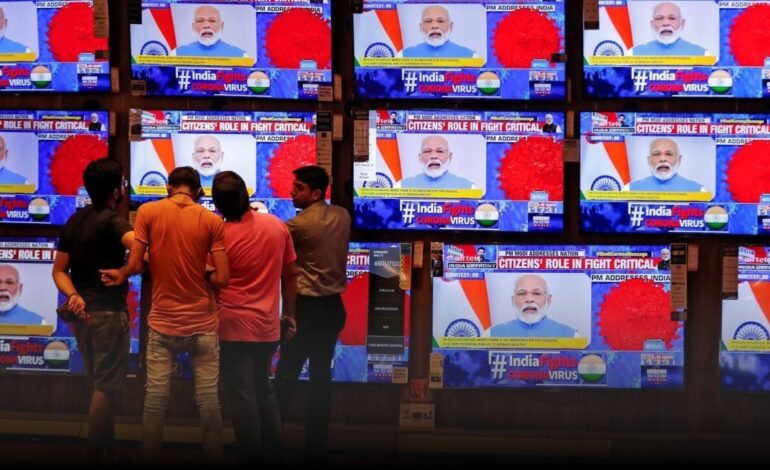
Political parties, which a couple of decades ago used to be bottom-up organisations with workers at block and district levels forming the bedrock, now largely mimic top-centric organisations, aided by outside consultants. These consultants polish the personal brand of the top leader, manage elections through surveys, design campaigns, and select candidates.
In a democracy, a political party can’t be a for-profit company answerable only to shareholders. But can a political party behave like an NGO to stay current with market innovations? “Political parties are becoming apolitical,” says Venkitesh Ramakrishnan, senior political journalist based in New Delhi for over four decades. He adds that this is an overriding phenomenon cutting across ideologies and electoral outcomes .” Irrespective of winning elections, politicians have largely lost touch with the ground.”
Top-down Organisational Structure
A political party is broadly a social coalition coalesced around shared ideology or issues. “During pre-independence times, Gandhi’s style was a combination of social and political,” says Manindra Nath Thakur, who teaches Political Science at Jawaharlal Nehru University. “Our political preferences are shaped by our social beliefs. Political parties have changed in the last 15-20 years, where power flows from top to bottom and has become much more centralised.”
“Congress became a top-down party during Indira Gandhi’s reign in the 70s. Gradually, every other party mimicked this approach,” says Ramakrishnan.
Nitin R. Gokarn, retired IAS Officer of the Uttar Pradesh cadre, says politics nowadays demands resources and funds. “It’s difficult to find volunteers to work pro bono. Values and ethics have changed in politics, too.”
Workers vs Employees
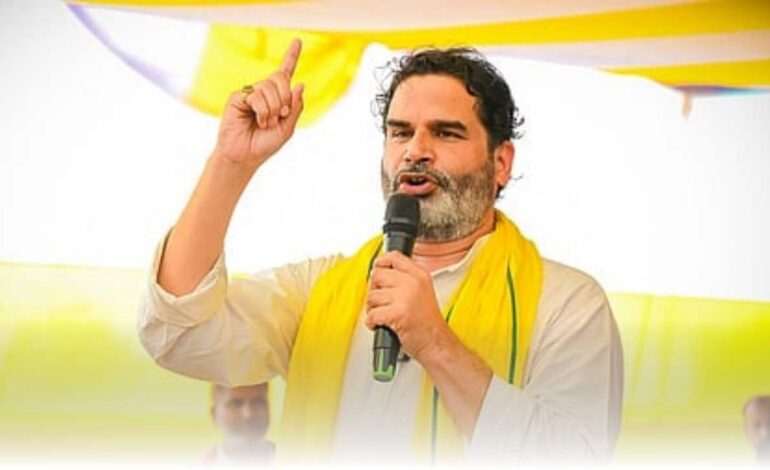
With increasing centralisation, district/block-level workers are getting replaced with paid employees. “External consultants, like Prashant Kishor, bypass the established party structure and work directly with top leaders. Local workers are marginalised,” says Vidya Subramaniam, former Associate Editor of The Hindu. “Running a party with hired resources is about resources, not ideology,” she adds.
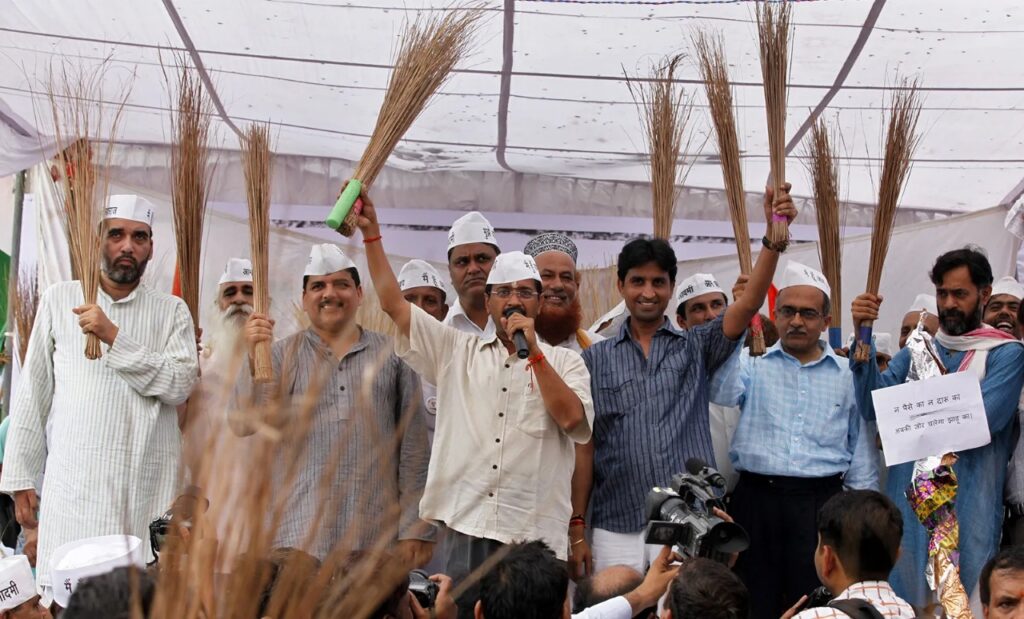
“In politics, many workers arrange their own funds to do party work, while in NGOs everyone is an employee,” says Thakur. “NGO-like structure gained prominence after Aam Aadmi Party’s rise,” adds Ramakrishnan.
“A party needs to learn to survive in opposition,” says Thakur. “Unless cadre feels he has a chance, a party won’t flourish.”
Even AAP’s success in the Delhi state elections didn’t translate into wins in successive Lok Sabha elections.
The Democratic Deficit
“When they bring in candidates from outside the party, they should arrange for the workers as well,” said a local worker in the Mohania assembly constituency of Kaimur District in Bihar. All major parties had put up candidates who were switchovers.
“Reliance on external consultants comes at the cost of loss of ideology,” says Subramaniam.
“People can’t name the candidates of their assembly constituency,” says Priyanka Jha, who teaches Political Science at Banaras Hindu University. “A local political leader is far more accountable to the public than an external consultant.”
The Electoral Imperative
“In a democracy, a model is useful if it can help you win elections,” says Subramaniam. “A leader obsessed with a single issue and unable to integrate it with larger issues plaguing voters will lack effectiveness.”
“Are parties adopting the top-down, centralised approach winning elections?” asks Jha. “If it’s not bringing electoral dividends, why stick to the model?”
“BJP’s case is unique because of its association with the Rashtriya Swayamsewak Sangh, RSS—a collection of several multi-speak organisations,” says Ramakrishnan.
Even the BJP has not been immune to these trends, hiring Prashant Kishor for the 2014 Lok Sabha elections. However, its parallel RSS structure—with shakhas, local pracharaks, and ideological training—provides the ground-level connectivity that other parties are losing.
Congress won several elections following its traditional model that heavily relied on local leaders and workers. DMK in Tamil Nadu and Left in Kerala still have strong district-level Organisations , bringing rich electoral dividends.
Between central, state, and local elections, parties have much shorter timeframes to act than NGOs, which have longer horizons to work on issues. A political party needs to balance social and political needs to keep winning elections and bring lasting social change.
The Democratic Paradox
“While NGOs can contribute valuable ideas and policy expertise—as evidenced by UPA’s landmark legislation—their organisational model appears incompatible with the demands of electoral politics,” says Jha. The centralisation and top-down functioning that characterise NGO-style politics have weakened ground-level organisation, created ideological vacuums, and disconnected parties from workers and voters.
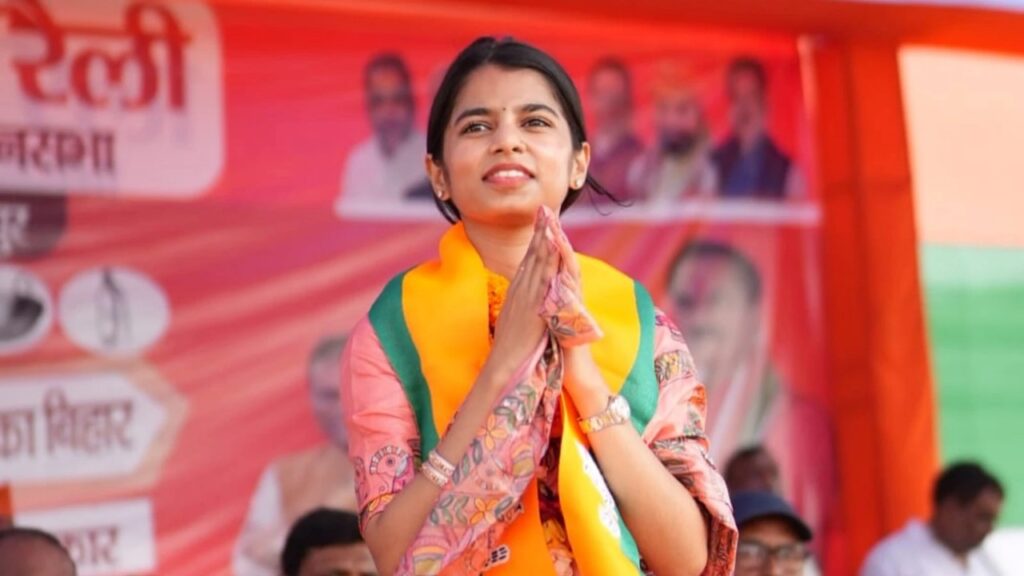
“Social media presence has become a criterion for party nominations. Candidate selection has become undemocratic,” says Thakur. Surveys for candidate selection are outsourced to external companies, with no mechanism for party workers to express opinions. Maithili Thakur’s nomination from Alinagar constituency in the Bihar elections drew opposition from the BJP party workers.
“Political parties need to draw from non-governmental sources, and a symbiosis should happen,” says Ramakrishnan. Well-intentioned ideas aren’t enough to effect change; you need organisational wherewithal. “A smart leader will know what functions to delegate and what to keep inside the organisation,” notes Subramaniam.
Ultimately, the experts agree: in a democracy, you need to win elections. Winning elections requires not just good ideas or professional management, but workers who feel invested, local leadership that feels valued, and an organisation connected to the ground. The NGO model, for all its merits in advocacy and welfare, has not demonstrated it can deliver this essential foundation of democratic politics. Whether in government or opposition, parties that lose touch with ground-level workers risk not just electoral defeat, but organizational decay.