



After years of administrative rule, Maharashtra’s municipal elections were meant to revive grassroots democracy. Instead, for large sections of the urban electorate—most starkly in Mira-Bhayandar—they exposed how procedural tinkering and bureaucratic indifference can quietly disenfranchise citizens.
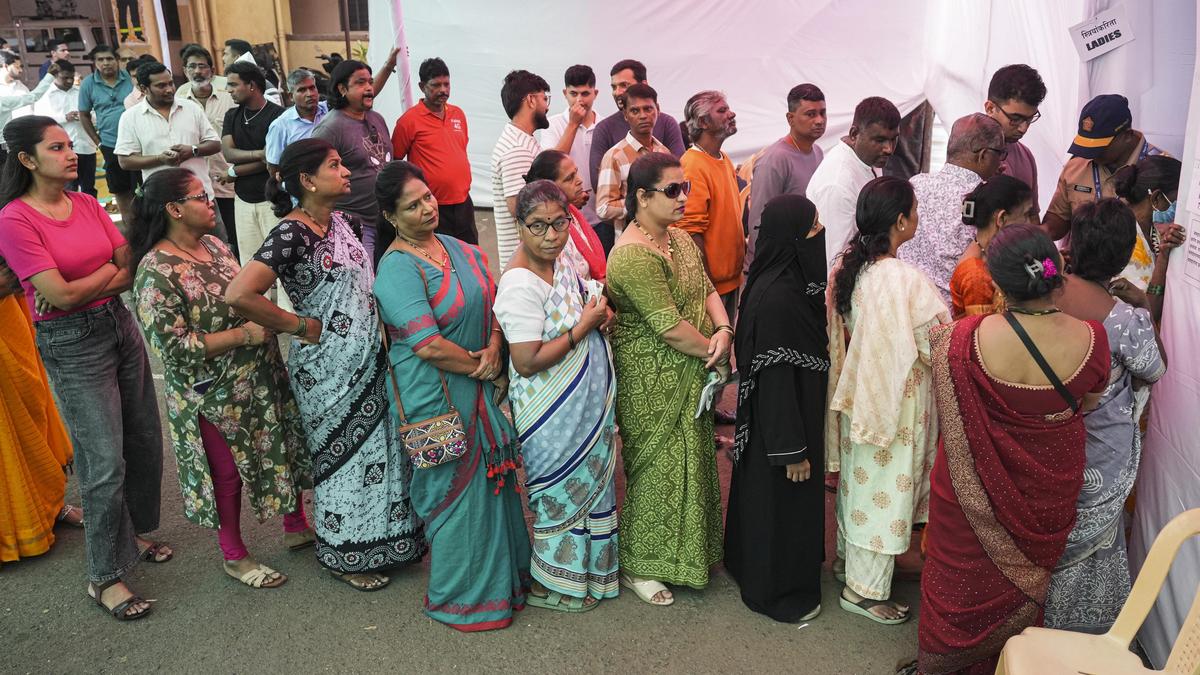
Instead, for large sections of the urban electorate—most starkly in Mira-Bhayandar—they exposed how procedural tinkering and bureaucratic indifference can quietly disenfranchise citizens.
Democracy Returns, Confusion Reigns
After a three-year democratic drought, during which Maharashtra’s major municipal corporations were run by state-appointed administrators rather than elected representatives, the municipal elections held on January 15, 2026, were expected to restore the people’s voice in local governance. For many urban voters, however, the day will be remembered less as a celebration of democracy and more as a cautionary tale of how electoral processes can alienate those they are meant to empower.
Nowhere was this more evident than in the Mira-Bhayandar Municipal Corporation (MBMC). What should have been a straightforward act of civic participation was transformed into an exhausting exercise in confusion, uncertainty and distrust—largely because of the sudden imposition of a three- and four-member ward system that altered the voter’s relationship with both the ballot and the candidate.
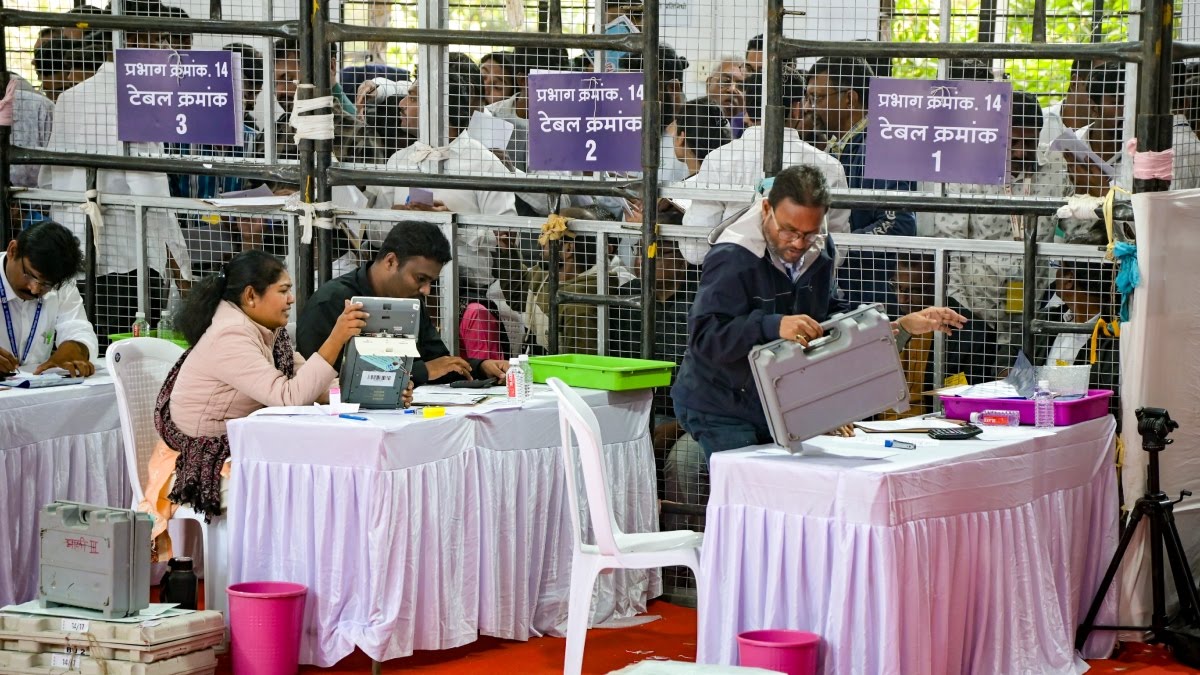
In areas like Mira Road, the sense of disorientation was immediate and widespread. For decades, residents had voted in familiar booths, choosing a single corporator from their neighbourhood—someone they could identify with, approach and hold accountable. This election ruptured that long-standing civic understanding. Families discovered on polling day that their names were split across different booths, sometimes kilometres apart, with little or no prior communication. Elderly voters and women bore the brunt of this disruption, many simply turning home after repeated, fruitless attempts to locate their polling stations.
Inside the booth, confusion deepened. The multi-member ward system required voters to cast multiple votes for a panel of candidates rather than selecting a single representative. Many voters reported being confronted with lists of candidates they did not recognise, some representing areas far removed from their own neighbourhoods. When a Mira Road resident is compelled to vote for a panel spanning distant localities, the very idea of “local” self-government is hollowed out. The corporator ceases to be a familiar figure rooted in the community and becomes an indistinct name on a collective slate, insulated from individual accountability.
When Procedure Becomes a Barrier
The problems of January 15 were not isolated mishaps but systemic failures. Across Maharashtra, the replacement of the traditional indelible ink with ordinary marker pens triggered immediate alarm. Reports of ink being easily wiped off using simple solvents surfaced early in the day. The State Election Commission’s explanation—which shifted responsibility to the manufacturer—did little to reassure voters and was accompanied by no effective real-time corrective measures.
Equally troubling was the absence of VVPAT (Voter Verifiable Paper Audit Trail) machines in several MBMC booths. In an age when transparency is routinely invoked as a democratic virtue, asking voters to press multiple buttons on an EVM without any physical confirmation only deepened suspicion. For many, it felt like a regression rather than a technological advance.
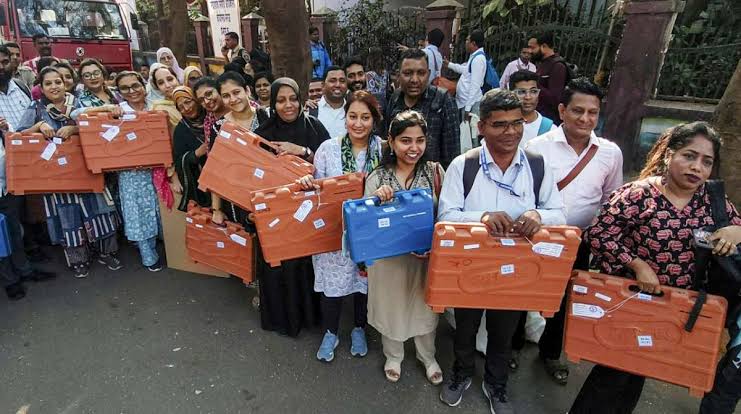
Adding to the chaos was the collapse of the SEC’s digital infrastructure. The official website, meant to help citizens locate polling booths and verify voter details, repeatedly crashed under heavy traffic. In neighbourhoods such as Nayanagar, voter turnout slumped to around 22 per cent by mid-afternoon—not because of apathy, but because citizens were worn down by endless searches, contradictory information and repeated redirections between schools and community centres.
Mumbai’s Curious Immunity
The confusion invites an unavoidable question: why was Mumbai spared? While 28 municipal corporations across the state were subjected to the multi-member panel system, the Brihanmumbai Municipal Corporation (BMC) continued with the traditional one-ward-one-corporator model.
This selective experimentation exposes a troubling inconsistency in the State Election Commission’s approach. Why were advanced M3 EVMs largely reserved for Mumbai? Why were controversial Printing Auxiliary Display Unit (PADU) machines—introduced so late and without adequate public explanation elsewhere—rolled out at all? If the multi-member ward system truly promises “broader representation,” as official justifications claim, why is it deemed unsuitable for the state’s most prominent municipal body?
The Cost of Administrative Convenience
The 2026 municipal elections demonstrate a simple but uncomfortable truth: when you complicate the ballot, you disenfranchise the voter. Shifting polling stations without adequate notice, failing to ensure reliable voting ink, deploying untested systems unevenly, and imposing a ward structure that confuses even experienced voters collectively signal an institutional indifference to the citizen’s experience.
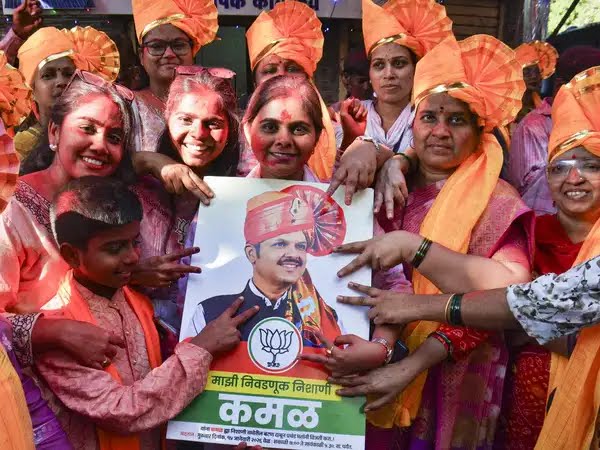
As the results settle, the State Election Commission and the Maharashtra government owe the electorate more than procedural explanations. They owe a serious reckoning. Democracy cannot rest on marker pens that fade, websites that crash, and panels that obscure accountability. If local representation is sacrificed at the altar of administrative convenience, the danger is not merely low turnout—it is the gradual erosion of trust itself.
Elections may continue to be held, but without clarity, transparency and genuine local connection, the voter’s voice risks being reduced to a faint echo inside the ballot box.