

Prison Memoirs of Sudha Bharadwaj and Seema Azad


On Saturday, the evening of February 7, 2026, the Press Club of India hosted a discussion centred on two significant books: Unsilenced: The Jail Diary of an Activist by Seema Azad and Phansi Yard Se by Sudha Bharadwaj.

Held exactly 16 years to the day after Seema Azad’s arrest in 2010, the event was a collective witnessing of life behind bars.
The panel, featuring feminist historian Uma Chakravarti, activist Seema Azad, and translator Shailza Sharma, among others, moved quickly away from high-flown revolutionary rhetoric. Instead, Uma Chakravarti set a sobering tone by recalling an interview with Durga Bhabhi, the legendary figure who assisted Bhagat Singh. Rather than focusing on the thrill of the escape, Durga Bhabhi had focused on the grim architecture of her imprisonment—her ward was located directly next to the morgue. This anecdote served as a warning against romanticization, that jail is not a stage for heroics, but a site of trauma, the smell of death, and systemic dehumanization.
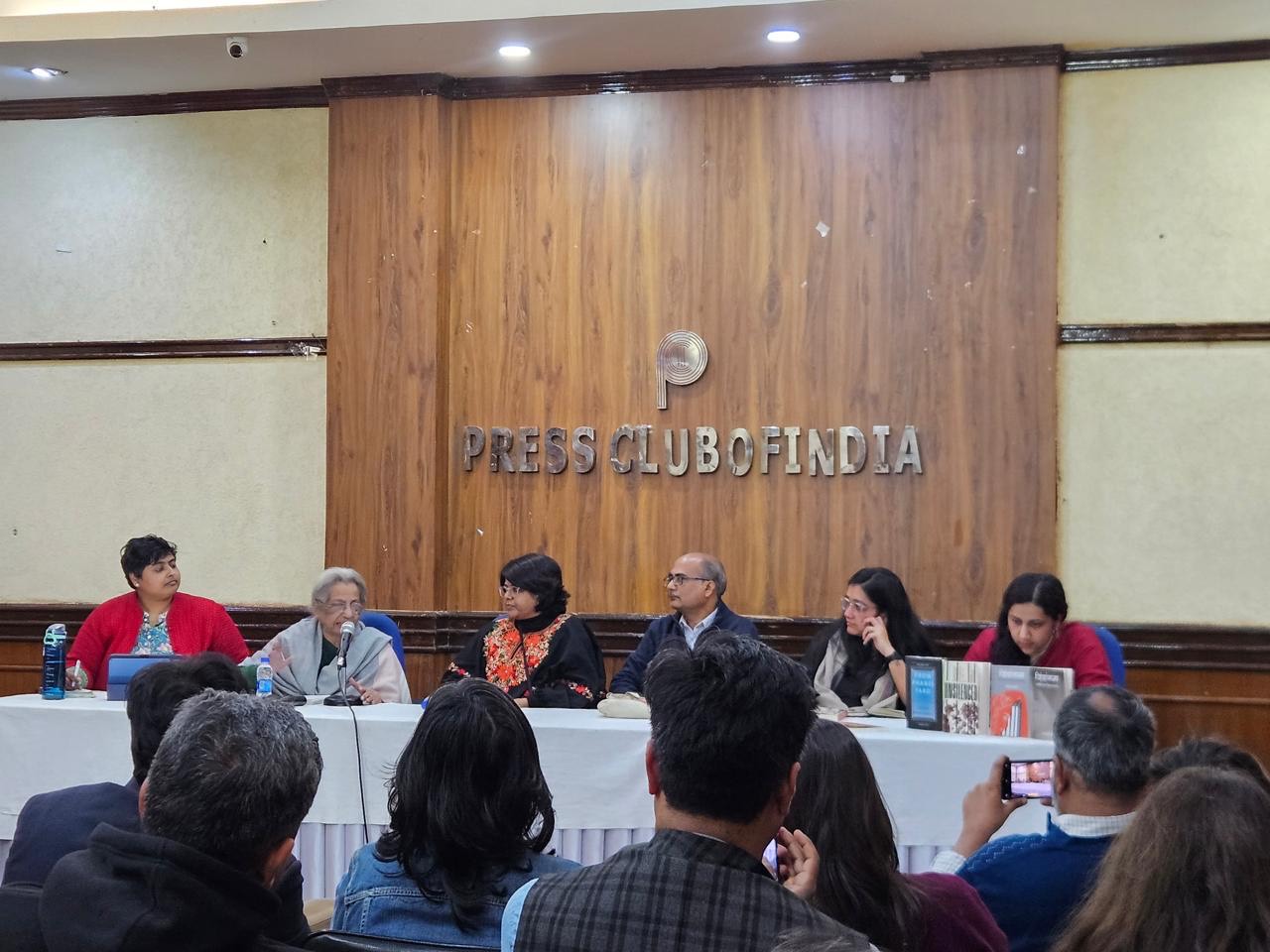
For women, the prison serves as a “microcosm of the world we live in,” as researcher Mary Abraham noted. The discussions highlighted how the class structure of the outside world is mirrored within the walls. Chakravarti poignantly recalled a nine-year-old Dalit girl imprisoned for the “crime” of pushing a landlord’s son into a pond, illustrating how the law often targets the most vulnerable. This intersection of caste and gender was further explored through the story of Koteshwar Amma, who, in a fierce act of protest, sent back rations sent by her husband. Her refusal to cook while in custody was a rejection of the domestic roles that patriarchy demands of women, even in the midst of state persecution.
Survival, however, often looks like “jugaad”—the art of improvisation. While Seema Azad spoke of prison as a place for the “discovery of the self,” the panel also touched upon the practical resilience of Sudha Bharadwaj during her time in Yerwada. In a space designed to strip away agency, Bharadwaj reclaimed hers through the kitchen, mastering the “jugaad” required to cook biryani and ladoos. Similarly, Shailza Sharma described how women inmates created their own internal economies—whether it was “Salma,” the resident expert at shaping eyebrows, or others who charged for the vital service of writing letters home.
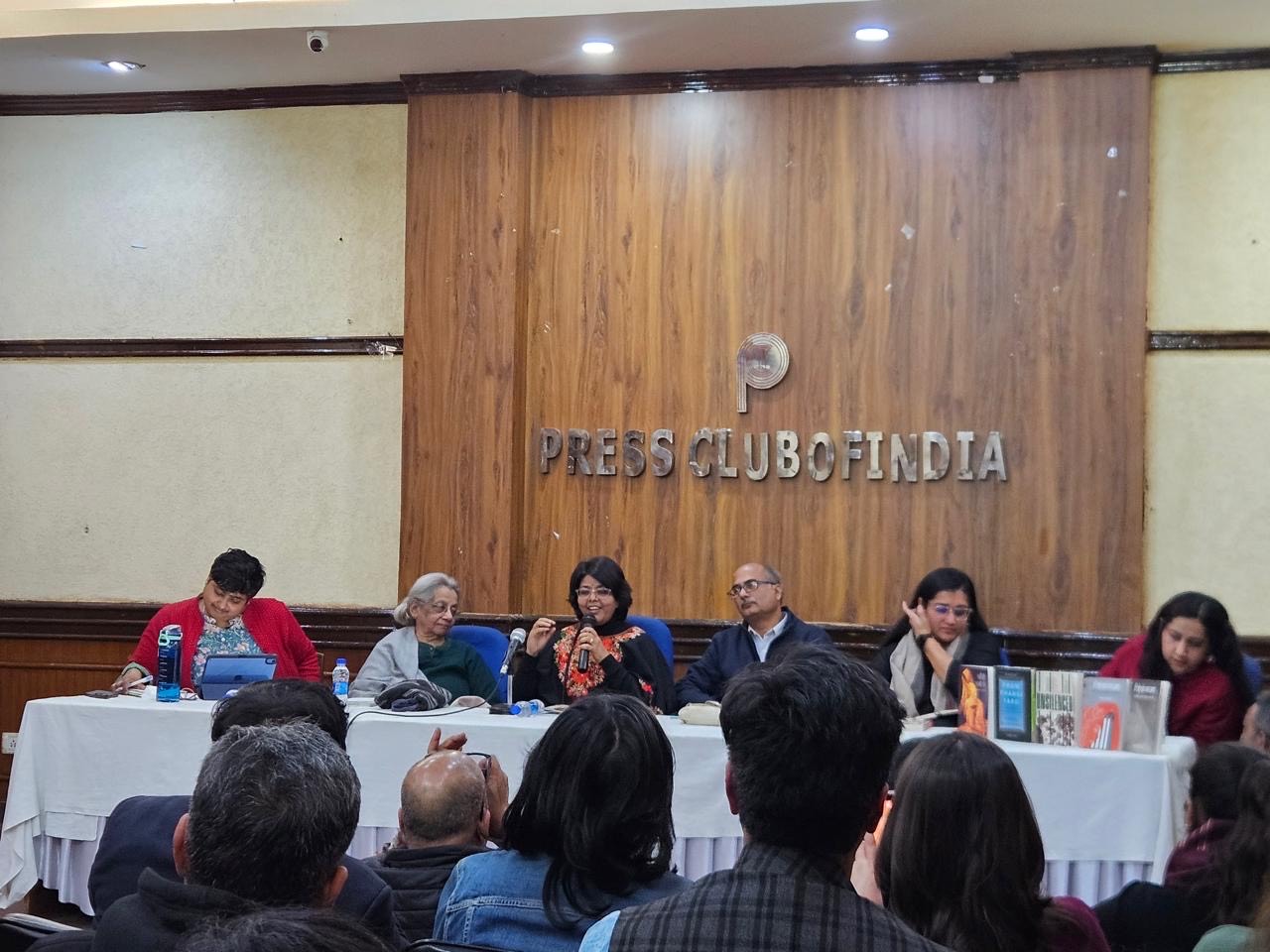
The emotional weight of the evening was perhaps best captured by Seema’s husband, Vishwa Vijai, who was arrested on the very same date, February 7, back in 2010. He recounted the agonizing brevity of the 15-minute Saturday meetings and the small, defiant acts of love, like stealing flowers from the prison garden. His words, “Your walls are high, but my voice is louder,” served as a fitting coda for the event.









This article raises important questions and offers a meaningful perspective on the issue.”