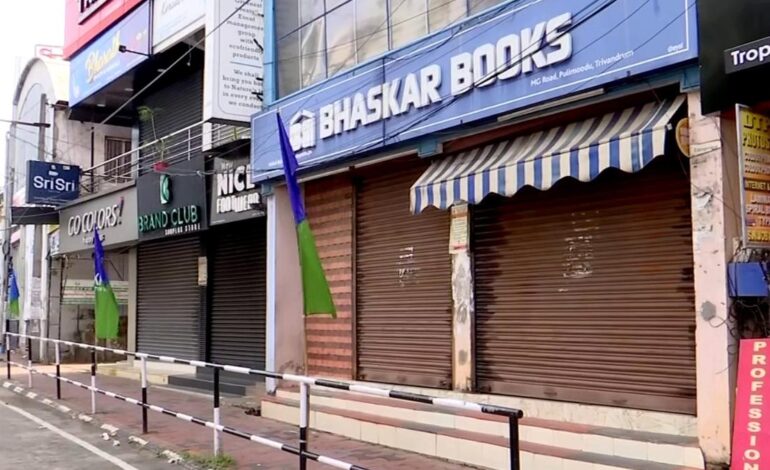
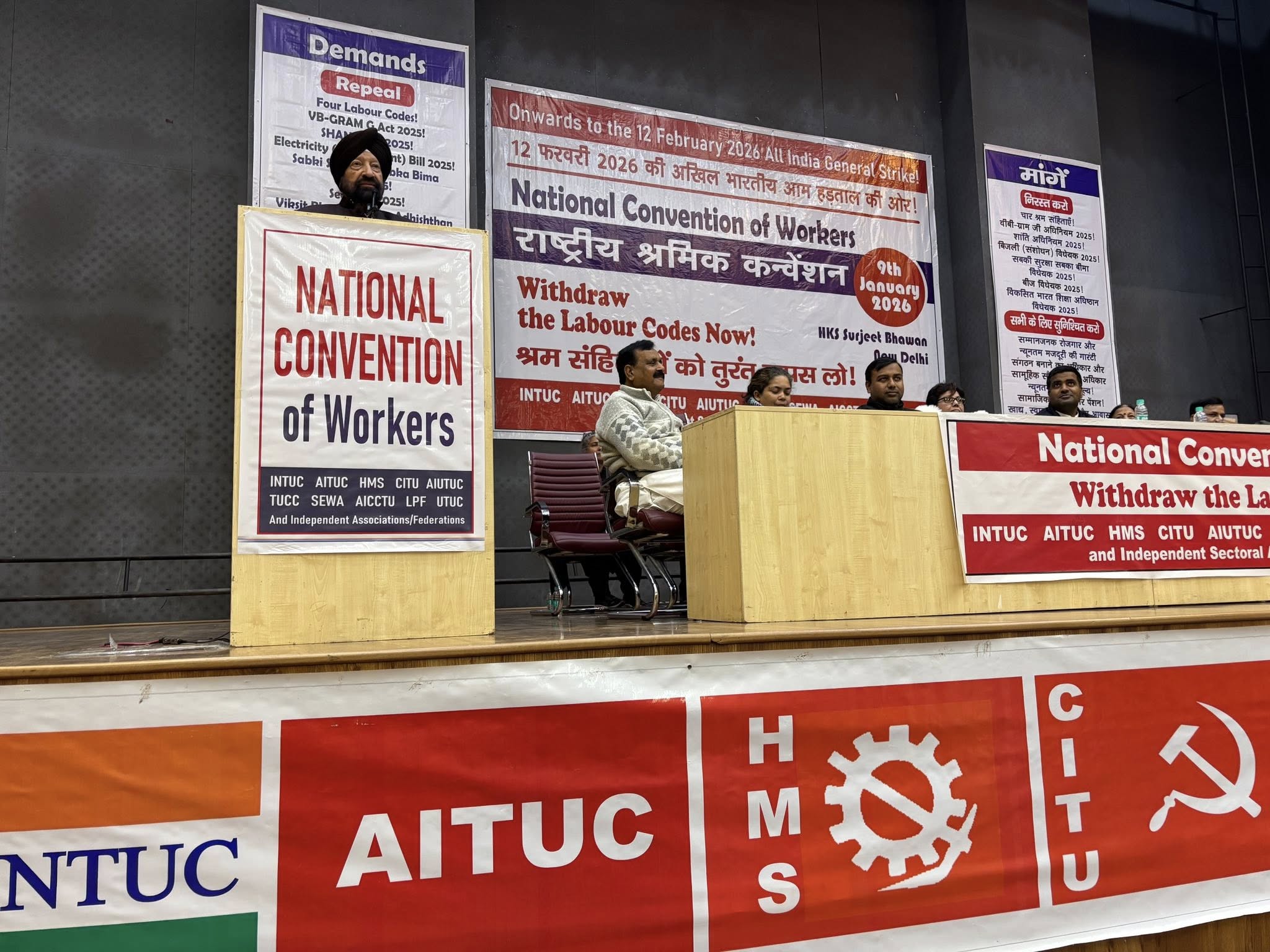
भारत 12 फरवरी 2026 को हाल के वर्षों में कामकाजी तबकों की सबसे व्यापक जुटानों में से एक का साक्षी बनने जा रहा है, जब केंद्रीय ट्रेड यूनियनें, स्वतंत्र महासंघ, कृषि मज़दूरों के संगठन और किसान आंदोलनों के समूह मिलकर अखिल भारतीय आम हड़ताल करेंगे। यह आह्वान, जो 9 जनवरी 2026 को नई दिल्ली में हुए राष्ट्रीय मजदूर सम्मेलन में पारित किया गया था, आयोजकों के मुताबिक श्रम अधिकारों, सार्वजनिक संस्थानों और लोकतांत्रिक प्रक्रियाओं पर तेज़ हुए हमले के ख़िलाफ़ एक निर्णायक जवाबी अभियान को चिह्नित करता है।
सम्मेलन ने इस हड़ताल को किसी अलग-थलग औद्योगिक कार्रवाई के रूप में नहीं, बल्कि कारखानों, खेतों, सार्वजनिक सेवाओं और विशाल असंगठित अर्थव्यवस्था समेत अलग-अलग क्षेत्रों में बढ़ती प्रतिरोध कार्रवाइयों के चरम बिंदु के तौर पर पेश किया। इसमें यह घोषणा की गई कि औपनिवेशिक शासन के दौर से लेकर आज़ादी के बाद के गणतंत्र तक, दशकों की लड़ाइयों के ज़रिये हासिल अधिकारों को संघीय सरकार के शीर्ष पर बैठे तथाकथित “कॉरपोरेट–सांप्रदायिक गठजोड़” के हवाले नहीं किया जाएगा।
एक व्यापक सामाजिक मोर्चा
केंद्रीय ट्रेड यूनियनों (सीटीयूज़) के संयुक्त मंच, स्वतंत्र महासंघों और एसोसिएशनों द्वारा बुलाई गई इस राष्ट्रीय मजदूर सम्मेलन में दस केंद्रीय ट्रेड यूनियनों, केंद्र और राज्य सरकार के कर्मचारियों की विभिन्न सेक्टोरल महासंघों तथा बैंकिंग, बीमा और दूरसंचार क्षेत्र (जिसमें बीएसएनएल भी शामिल है) के संगठनों के प्रतिनिधि शामिल हुए। बिजली, रक्षा उत्पादन, रेलवे, पेट्रोलियम, कोयला, इस्पात, पानी और सड़क परिवहन जैसे प्रमुख रणनीतिक क्षेत्रों की भागीदारी ने भी अपनी उपस्थिति दर्ज कराई।
उतना ही महत्त्वपूर्ण असंगठित और अर्द्ध-संगठित अर्थव्यवस्था से जुड़े कामगारों की भागीदारी थी, जैसे निर्माण मज़दूर, घर-आधारित कामगार, रेहड़ी–पटरी लगाने वाले विक्रेता और आंगनवाड़ी कर्मचारियों, आशा स्वास्थ्य कार्यकर्ताओं और मिड-डे मील स्टाफ जैसी योजना आधारित कामगार महिलाएँ। इन समूहों की मौजूदगी ने हड़ताल की बदलती प्रकृति को रेखांकित किया, पारंपरिक औद्योगिक बंद से आगे बढ़कर यह अस्थिर, स्त्रीकृत और ग्रामीण श्रम को समेटते हुए एक व्यापक सामाजिक प्रतिरोध का रूप ले रही है।
सम्मेलन की अध्यक्ष मंडली ने मंच की इस विविधता को प्रतिबिंबित किया, जिसमें सीआईटीयू, आईएनटीयूसी, एआईटीयूसी, एचएमएस, एआईयूटीयूसी, टीयूसीसी, सेवा, एआईसीसीटीयू, एलपीएफ और यूटीयूसी के नेता शामिल थे, ऐसी संगठनाएँ जो अक्सर राजनीतिक विरासत के आधार पर बंटी रहती हैं लेकिन मौजूदा श्रम व्यवस्था का विरोध करने में एकजुट हैं।
श्रम संहिता और काम की नई बनावट
असंतोष के केंद्र में संसद द्वारा पारित चार श्रम संहिदाएँ और उनके तहत जारी मसौदा नियम हैं। ट्रेड यूनियन नेताओं का तर्क है कि ये संहिदाएँ मौजूदा श्रम सुरक्षा प्रावधानों को समेटकर और कमजोर बनाती हैं, खासकर इस तरह कि श्रम क़ानूनों के लागू होने की सीमा बढ़ा दी गई है, निश्चित अवधि और ठेका रोजगार का विस्तार किया गया है और यूनियन पंजीकरण व सामूहिक सौदेबाज़ी पर प्रक्रियात्मक पाबंदियाँ लगाई गई हैं।
सम्मेलन में बोलने वालों के मुताबिक, श्रम विनियमन का यह पुनर्गठन कई स्तरों पर और कई सालों में फैली परस्पर जुड़ी प्रक्रियाओं के ज़रिये आगे बढ़ा है:
प्रशासनिक बदलाव, जिनसे निरीक्षण में कटौती हुई है और नियोक्ताओं के लिए स्व–प्रमाणन को बढ़ावा मिला है।
विधायी बदलाव, जिन्होंने लचीले रोजगार को बढ़ावा दिया और छँटनी के नियम ढीले किए।
सामाजिक सुरक्षा का पुनर्गठन, जिसमें नियोक्ताओं के अंशदान में कमी और बाज़ार-आधारित या निजी बीमा तंत्र पर ज़्यादा निर्भरता शामिल है।
ट्रेड यूनियन गठन और हड़ताल के अधिकार को प्रभावित करने वाली प्रक्रियात्मक बाधाएँ।
एक प्रमुख चिंता “कर्मचारी” की संकुचित होती परिभाषा को लेकर उठाई गई। ट्रेड यूनियन प्रतिनिधियों ने दलील दी कि घरेलू कामगार, गिग और प्लेटफॉर्म कामगार, सहायक नर्सें, प्रशिक्षु, घर-आधारित कामगार और आशा व आंगनवाड़ी जैसी योजना आधारित कामगारों के साथ-साथ मनरेगा मज़दूरों जैसे बड़े हिस्से या तो अपर्याप्त रूप से कवर हैं या व्यवहार में पूरी तरह बाहर कर दिए गए हैं। इस बहिष्करण के लैंगिक पक्ष पर भी ज़ोर दिया गया, क्योंकि महिलाओं का बड़ा हिस्सा इन्हीं क्षेत्रों में केंद्रित है।
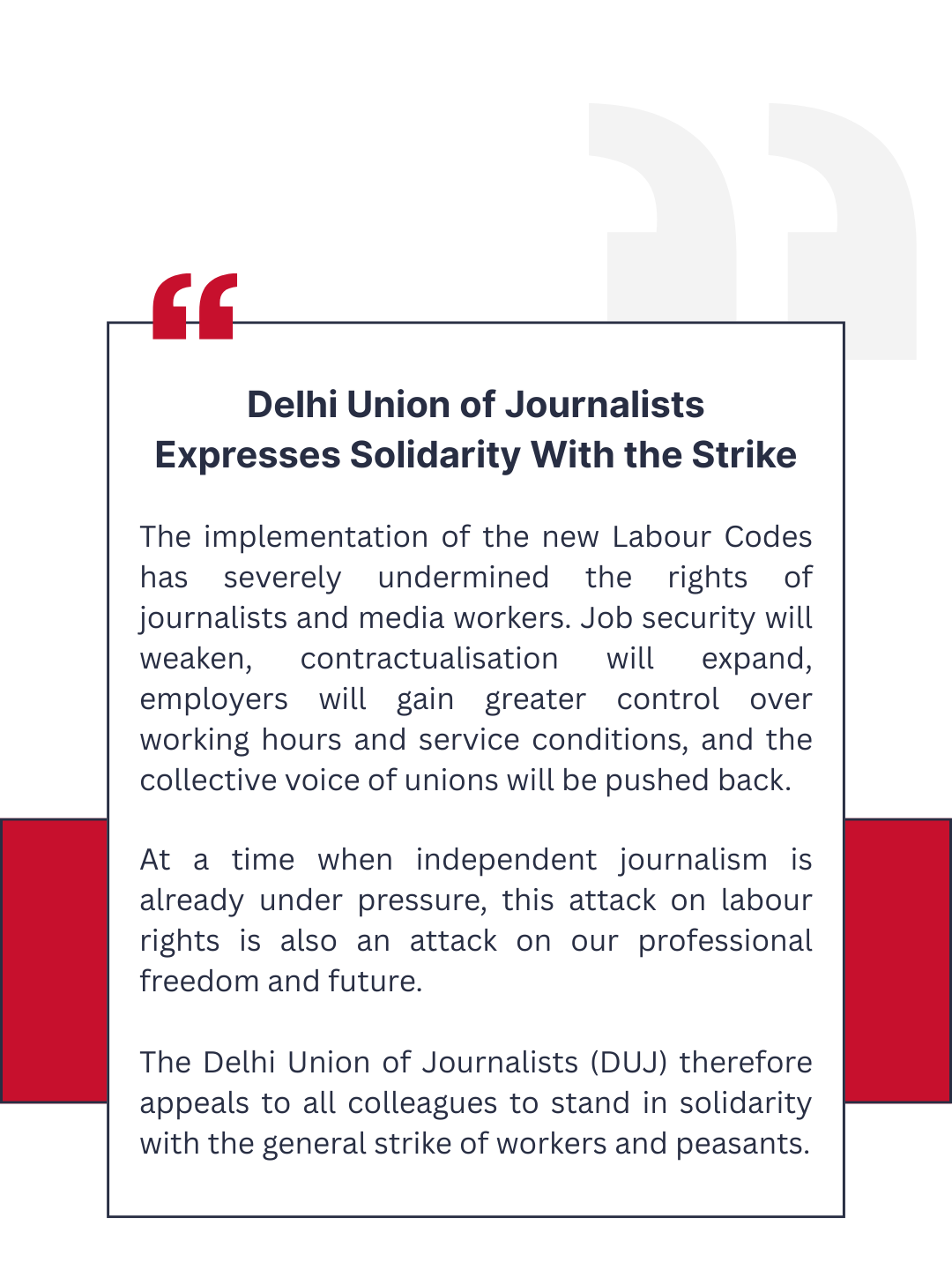 वक्ताओं का कहना था कि इन सभी उपायों का सम्मिलित असर सामूहिक सौदेबाज़ी को कमजोर करने, व्यावसायिक सुरक्षा संबंधी दायित्वों को घटाने और दशकों में खड़ी की गई सामाजिक सुरक्षा संरचनाओं को ध्वस्त करने की दिशा में जाएगा। उनका यह भी तर्क था कि श्रम अधिकारों का ह्रास सिर्फ़ फैक्टरी फर्श तक सीमित नहीं है, बल्कि यह स्वयं गणतंत्र के लोकतांत्रिक ताने-बाने को प्रभावित करता है। उनके नजरिए में संगठित होने और हड़ताल करने का अधिकार एक मूल लोकतांत्रिक अधिकार है, और उसका संकुचन व्यापक संवैधानिक स्वतंत्रताओं के सिकुड़ने का संकेत है।
वैश्विक संदर्भ और राजनीतिक अर्थव्यवस्था
सम्मेलन ने घरेलू घटनाक्रमों को वैश्विक पूँजीवाद के गहराते संकट के संदर्भ में रखा। बढ़ते भू–राजनीतिक तनावों, व्यापार युद्धों, शुल्क व्यवस्थाओं और आक्रामक आर्थिक कूटनीति का उल्लेख किया गया। इस दृष्टि में कृषि, विनिर्माण और सेवाओं को प्रभावित करने वाले व्यापार समझौते और शुल्क नीतियाँ ऐसे औज़ार हैं, जिनके ज़रिये भारत खुद को वैश्विक प्रभुत्वशाली पूँजी, खासकर अमेरिका की पूँजी, के साथ और गहरे तरीके से जोड़ता हुआ दिखाई देता है।
केंद्र सरकार और बड़े भारतीय कॉरपोरेट समूहों को इस वैश्विक पुनर्संरचना के अनुरूप इस तरह ढलते हुए चित्रित किया गया कि संकट का बोझ मजदूरों और किसानों पर डाल दिया जाए, देर नियमन, निजीकरण और उदारीकरण की नीतियों के ज़रिये। इस आलोचना ने श्रम सुधारों को व्यापक नीतिगत कदमों से जोड़ा, बीमा क्षेत्र में 100 प्रतिशत एफडीआई, बिजली क़ानून में संशोधन और संसद के शीतकालीन सत्र में लाए गए कई विधेयक, जिनमें सीड बिल 2025, ड्राफ्ट इलेक्ट्रिसिटी (संशोधन) बिल 2025, वीबी–जी रैम जी अधिनियम 2025 और विकसित भारत शिक्षा अधिष्ठान बिल शामिल हैं।
ट्रेड यूनियनों ने आरोप लगाया कि इन उपायों को बहुत कम संसदीय बहस के साथ आगे बढ़ाया गया, जो उनके मुताबिक सत्ता के केंद्रीकरण और लोकतांत्रिक विमर्श की कमज़ोरी को दर्शाता है।
किसान आंदोलनों के साथ एकरूपता
सबसे महत्वपूर्ण developments में से एक संगठित मजदूर आंदोलनों और किसान आंदोलनों के हिस्सों के बीच बन रहा गठजोड़ है। संयुक्त किसान मोर्चा (एसकेएम) ने 12 फरवरी की हड़ताल को, तारीख़ औपचारिक रूप से तय होने से पहले ही, बिना शर्त समर्थन दिया। वीबी–जी रैम जी अधिनियम के ख़िलाफ़ आंदोलन की तैयारी कर रहे कृषि मज़दूरों के संघों ने भी इसमें हिस्सा लेने का निर्णय किया है।
सम्मेलन ने एसकेएम के उस आह्वान के प्रति एकजुटता जताई, जिसमें उसने 16 जनवरी 2026 को सीड बिल, ड्राफ्ट इलेक्ट्रिसिटी (संशोधन) बिल और संबंधित क़ानूनों के ख़िलाफ़ राष्ट्रव्यापी प्रतिरोध दिवस के रूप में मनाने की अपील की थी। यह अभिसरण 2020–21 के किसान आंदोलन के दौरान दिखी मज़दूर–किसान एकता को पुनर्जीवित करता है और “उत्पादक वर्गों” का एक व्यापक मोर्चा बनाने की नई कोशिश का संकेत देता है।
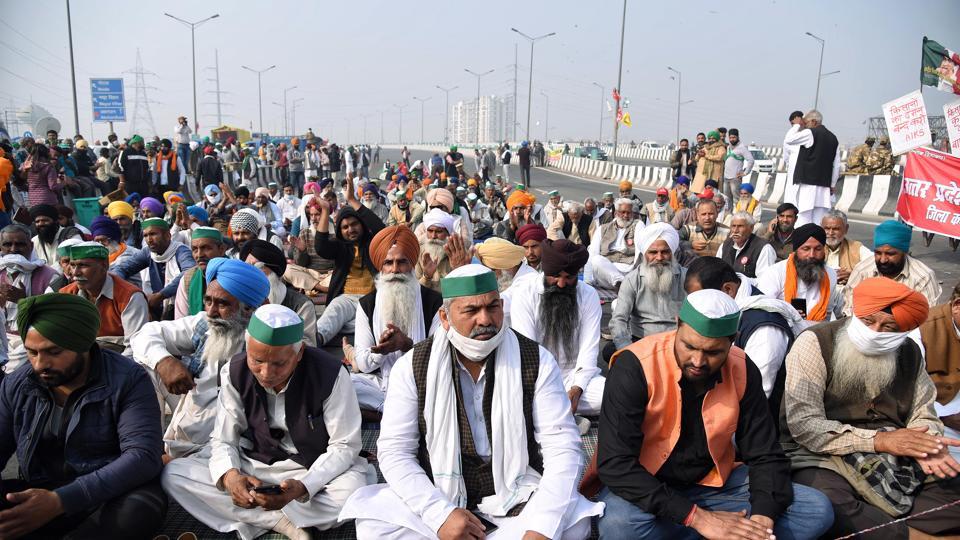
सीआईटीयू, एआईकेएस, एआईएडब्ल्यूयू, डीवाईएफआई, एसएफआई, डीएसएमएम, एएआरएम और एनपीआरडी समेत वर्ग और जन संगठनों की एक संयुक्त बैठक ने reportedly यह निर्णय लिया है कि जमीनी स्तर तक हड़ताल समितियाँ बनाई जाएँ। मक़सद यह है कि केवल संगठित औद्योगिक इलाकों में ही नहीं, बल्कि ग्रामीण भारत और असंगठित अर्थव्यवस्था में भी व्यापक लामबंदी सुनिश्चित की जाए।
प्रतिरोध का इतिहास
12 फरवरी की कार्रवाई 1990 के दशक की शुरुआत में नवउदारवादी सुधारों की शुरुआत के बाद से 24वीं अखिल भारतीय आम हड़ताल होगी। यह 2014 में भाजपा–एनडीए सरकार के सत्ता में आने के बाद नौवीं ऐसी हड़ताल होगी, 2 सितंबर 2015, 2 सितंबर 2016, 8–9 जनवरी 2019, 8 जनवरी 2020, 26 नवंबर 2020, 28–29 मार्च 2022, 16 फरवरी 2024 और 9 जुलाई 2025 के राष्ट्रव्यापी बंद के बाद। यह श्रम संहिदाओं के पारित होने के बाद पाँचवीं आम हड़ताल भी होगी।
सम्मेलन ने यह दावा किया कि ट्रेड यूनियनों और किसान संगठनों की लगातार संयुक्त कार्रवाइयाँ सरकार को श्रम संहिदाएँ वापस लेने और विवादास्पद क़ानूनों को रद्द करने के लिए मजबूर कर सकती हैं। यह चेतावनी भी दी गई कि अगर संहिदाओं के तहत अधिसूचित नियमों को बिना रद्द किए आगे बढ़ाया गया, तो और ज़्यादा उग्र कदम, जिनमें कई दिनों की आम हड़तालें और समन्वित सेक्टोरल संघर्ष शामिल हो सकते हैं, उठाए जाएँगे।
12 फरवरी की ओर
आयोजकों के अनुसार 12 फरवरी की हड़ताल संघर्ष के एक नए चरण की शुरुआत का संकेत है, जो उनके मुताबिक नवउदारवादी पूँजीवाद के संरचनात्मक संकट और उसके साथ चल रही सत्तावादी प्रवृत्तियों में निहित है। वे औद्योगिक, सेवा और ग्रामीण क्षेत्रों में बड़े पैमाने पर भागीदारी की उम्मीद कर रहे हैं, जिसमें परिवहन, बैंकिंग, बीमा, कोयला, इस्पात और सार्वजनिक सेवाओं पर खासा असर पड़ने की संभावना जताई जा रही है।
देश रुक जाएगा या हड़ताल सरकार को बातचीत की मेज़ पर लाएगी, यह अभी स्पष्ट नहीं है। इतना तय है, हालांकि, कि 12 फरवरी 2026 श्रम अधिकारों, आर्थिक नीतियों और भारतीय गणतंत्र के लोकतांत्रिक चरित्र पर चल रही जारी जद्दोजहद में एक अहम पड़ाव के रूप में दर्ज होने जा रहा है।
India is set to witness one of the widest mobilisations of working people in recent years on February 12, 2026, when central trade unions, independent federations, agricultural workers’ organisations and peasant movements converge in an all-India General Strike. The call, endorsed at the National Convention of Workers held in New Delhi on January 9, 2026, marks what organisers describe as a decisive counter-offensive against an intensified assault on labour rights, public institutions and democratic processes.
The Convention framed the strike not as an isolated industrial action, but as the culmination of mounting resistance across sectors—factories, farms, public services and the vast informal economy. It declared that rights won through decades of struggle—under colonial rule and in the post-Independence republic—would not be surrendered to what it characterised as a “corporate-communal nexus” at the helm of the Union government.
A Broad Social Coalition
Convened by the Joint Platform of Central Trade Unions (CTUs) along with independent federations and associations, the National Convention brought together representatives of ten central trade unions, sectoral federations of state and central government employees, and organisations from banking, insurance and telecommunications, including BSNL. Major strategic sectors—electricity, defence production, railways, petroleum, coal, steel, water and road transport—were represented.
Equally significant was the participation of workers from the unorganised and semi-formal economy: construction labourers, home-based workers, street vendors and scheme workers such as Anganwadi employees, ASHA health workers and Mid-Day Meal staff. The presence of these groups underscored the strike’s evolving character—from a traditional industrial stoppage to a broader social protest encompassing precarious, feminised and rural labour.
The presidium that chaired the Convention reflected the platform’s diversity, including leaders from CITU, INTUC, AITUC, HMS, AIUTUC, TUCC, SEWA, AICCTU, LPF and UTUC—organisations often divided by political lineage but united in opposition to the current labour regime.
Labour Codes and the Restructuring of Work
At the centre of the discontent lie the four Labour Codes enacted by Parliament and the draft rules notified thereafter. Trade union leaders argue that these Codes consolidate and dilute existing labour protections, particularly by raising thresholds for the application of labour laws, expanding the scope for fixed-term and contract employment, and imposing procedural constraints on union registration and collective bargaining.
According to speakers at the Convention, the restructuring of labour regulation has unfolded through multiple, overlapping processes over several years:
- Administrative changes that have reduced inspections and expanded self-certification by employers.
- Legislative alterations facilitating flexible employment and easing retrenchment norms.
- Reconfiguration of social security, with reduced employer contributions and greater reliance on market-linked or private insurance mechanisms.
- Procedural barriers affecting trade union formation and the right to strike.
A key concern raised was the narrowing definition of “worker” under the Codes. Trade union representatives argued that large segments of the workforce—domestic workers, gig and platform workers, auxiliary nurses, apprentices, home-based workers and scheme workers including ASHAs and Anganwadi employees, as well as MNREGA labourers—remain either inadequately covered or effectively excluded. The gendered dimension of this exclusion was emphasised, given the concentration of women in precisely these sectors.
Speakers contended that the cumulative impact of these measures would be to weaken collective bargaining, erode occupational safety obligations and dismantle social security frameworks built over decades. They further argued that the dilution of labour rights has implications beyond the shop floor, affecting the democratic fabric of the republic itself. In their formulation, the right to organise and strike constitutes a core democratic right, and its curtailment signals a broader contraction of constitutional freedoms.
Global Context and Political Economy
The Convention situated domestic developments within what it described as a deepening crisis of global capitalism. References were made to escalating geopolitical tensions, trade wars, tariff regimes and aggressive economic diplomacy. In this view, trade agreements and tariff impositions affecting agriculture, manufacturing and services are seen as instruments that align India more closely with dominant global capital, particularly that of the United States.
The Union government and large Indian corporate conglomerates were portrayed as adjusting to this global realignment by transferring the burdens of crisis onto workers and peasants through deregulation, privatisation and liberalisation. The critique linked labour reforms with broader policy moves—100 per cent FDI in insurance, amendments to electricity legislation, and a series of bills introduced in the winter session of Parliament, including the Seed Bill 2025, the Draft Electricity (Amendment) Bill 2025, the VB-G RAM G Act 2025 and the Viksit Bharat Shiksha Adhishthan Bill.
Trade unions alleged that these measures were pushed through with minimal parliamentary scrutiny, reflecting what they described as a centralisation of power and weakening of democratic deliberation.
Convergence with Farmers’ Movements
One of the most consequential developments is the alignment between organised labour and sections of the farmers’ movement. The Samyukta Kisan Morcha (SKM) extended unconditional support to the February 12 strike even before the date was formally finalised. Agricultural workers’ unions preparing for agitation against the VB-G RAM G Act have also resolved to participate.
The Convention extended solidarity to the SKM’s call to observe January 16, 2026 as a nationwide Resistance Day against the Seed Bill, the Draft Electricity (Amendment) Bill and related legislations. This convergence revives the worker–peasant unity witnessed during the 2020–21 farmers’ movement, suggesting a renewed attempt to forge a broad front of “producing classes”.
A joint meeting of class and mass organisations—including CITU, AIKS, AIAWU, DYFI, SFI, DSMM, AARM and NPRD—has reportedly resolved to form strike committees down to the grassroots level. The objective is to ensure mobilisation not merely in organised industrial belts but across rural India and the informal economy.
A History of Resistance
The February 12 action will be the 24th all-India general strike since the onset of neoliberal reforms in the early 1990s. It will be the ninth such strike since the BJP-led NDA assumed office in 2014, following nationwide stoppages on September 2, 2015; September 2, 2016; January 8–9, 2019; January 8, 2020; November 26, 2020; March 28–29, 2022; February 16, 2024; and July 9, 2025. It will also be the fifth general strike since the passage of the Labour Codes.
The Convention asserted that sustained joint action by trade unions and farmers’ organisations could compel the government to repeal the Codes and withdraw contentious legislations. It warned that if the notified rules under the Codes proceed without repeal, further escalated actions—including multi-day general strikes and coordinated sectoral struggles—would follow.
Toward February 12
Organisers describe the February 12 strike as the opening of a new phase of heightened struggle, rooted in what they perceive as a structural crisis of neoliberal capitalism and an accompanying authoritarian turn. They predict large-scale participation across industrial, service and rural sectors, with transport, banking, insurance, coal, steel and public services expected to be significantly affected.
Whether the strike paralyses the country or prompts negotiations remains to be seen. What is clear, however, is that February 12, 2026 is poised to become a crucial marker in the ongoing contest over labour rights, economic policy and the democratic character of the Indian republic.