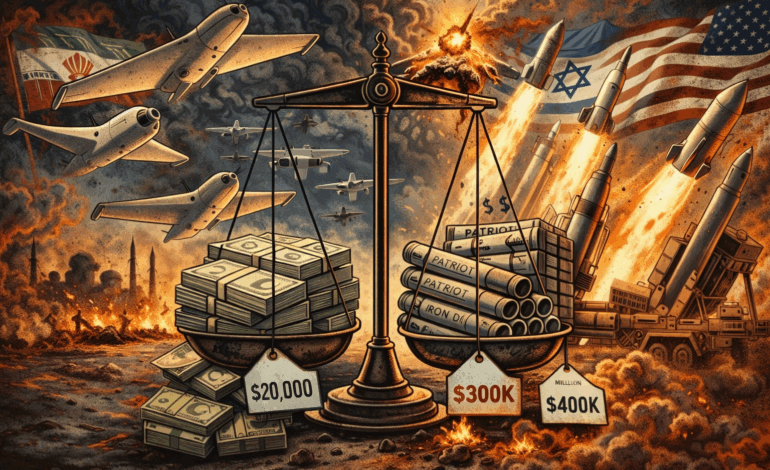
West Asia War Exposes Limits of Military Power, Global Economic Stability

Energy disruption, asymmetric warfare and geopolitical divisions could reshape global markets and regional stability
Contemplating the war of choice initiated by Israeli Prime Minister Benjamin Netanyahu, a conflict he has been dreaming about and preparing for nearly forty years, with the green signal from US President Donald Trump, who joined with alacrity, it is painfully clear that the situation is likely to get worse before it gets better. Israel and the US appear determined to compel Iran to surrender.

Iran, under its new supreme leader, is equally determined to fight an asymmetric war in which the weaker belligerent is not necessarily destined to lose. The Vietnam War (1955–75) is a reminder of that reality, ending with the American ambassador fleeing by helicopter, clutching the flag he had hoisted that morning at the embassy, from Saigon on 30 April 1975.
We are flooded with news, including the fake variety, often generated with artificial intelligence. It is therefore useful to focus on the major developments.
Damage to Iran’s institutions and the information war
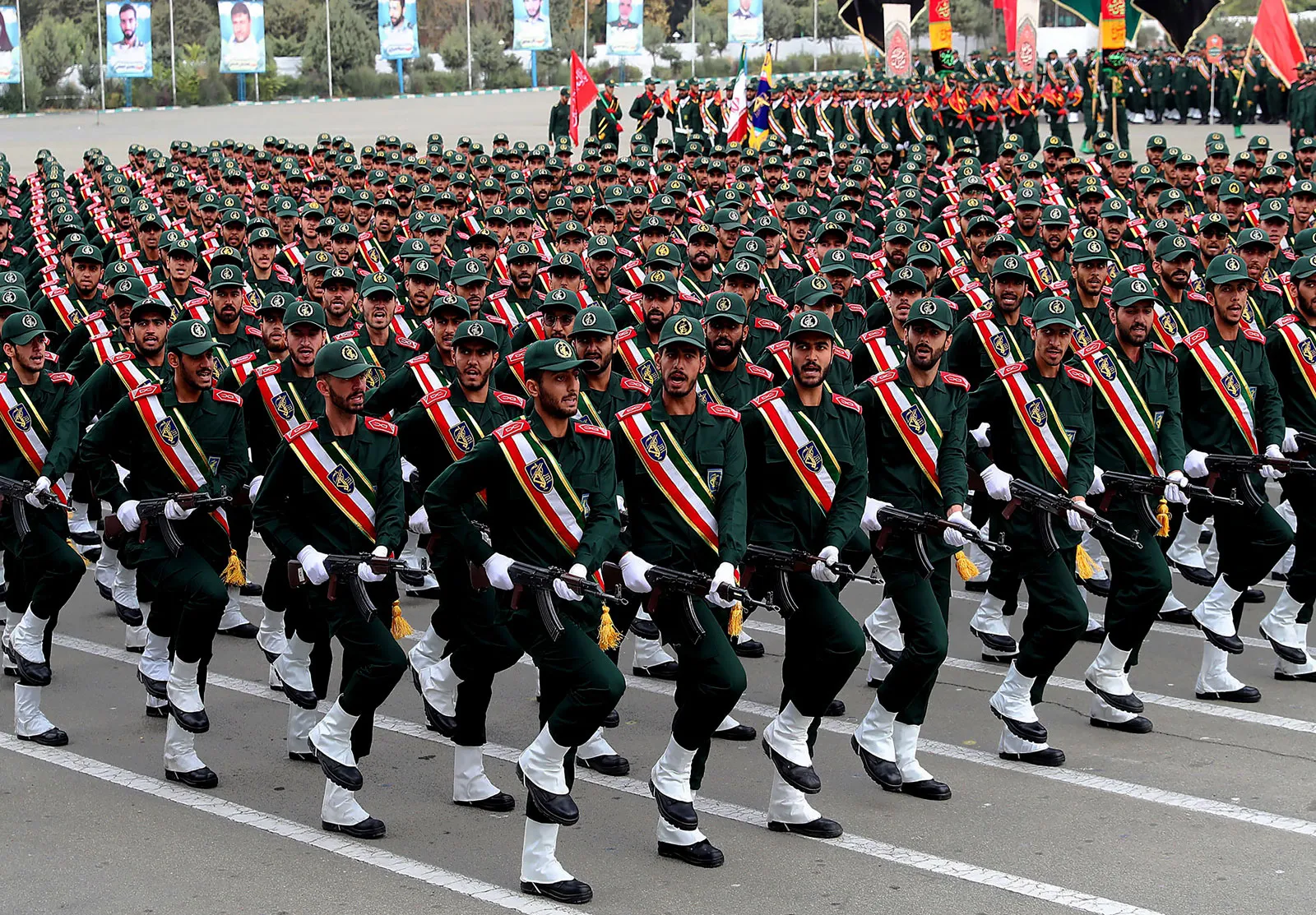
The US and Israel have severely damaged Iran’s institutions, including the Islamic Revolutionary Guard Corps (IRGC), by bombing their facilities and killing senior personnel.
Civilian sites have also reportedly been hit. A girls’ school was bombed on 28 February, killing around 170 girls and teachers.
Trump has repeatedly asserted that an Iranian missile misfired and struck the school. BBC Verify, however, concluded that the weapon was a Tomahawk missile. When confronted with this finding, Trump responded that the US had supplied such missiles to other countries. In reality, only the United Kingdom and Australia possess them.
The latest is that the Pentagon has admitted that an outdated intelligence caused the targeting.
The lesson is that Trump’s claims must be treated with caution.
His aides have also contributed to the confusion. For example, his press secretary Karoline Leavitt claimed that Spain, which had earlier disallowed the use of a US base there, had later changed its mind. Spanish Prime Minister Pedro Sánchez publicly contradicted her.

The Secretary of Defense, Pete Hegseth, added to the confusion by stating that US Navy vessels would accompany oil tankers transiting the Strait of Hormuz. No tanker has in fact been escorted so far. In any case, such an idea is impractical, as no charterer would risk a tanker being caught in crossfire.
Iran’s resilience after leadership losses
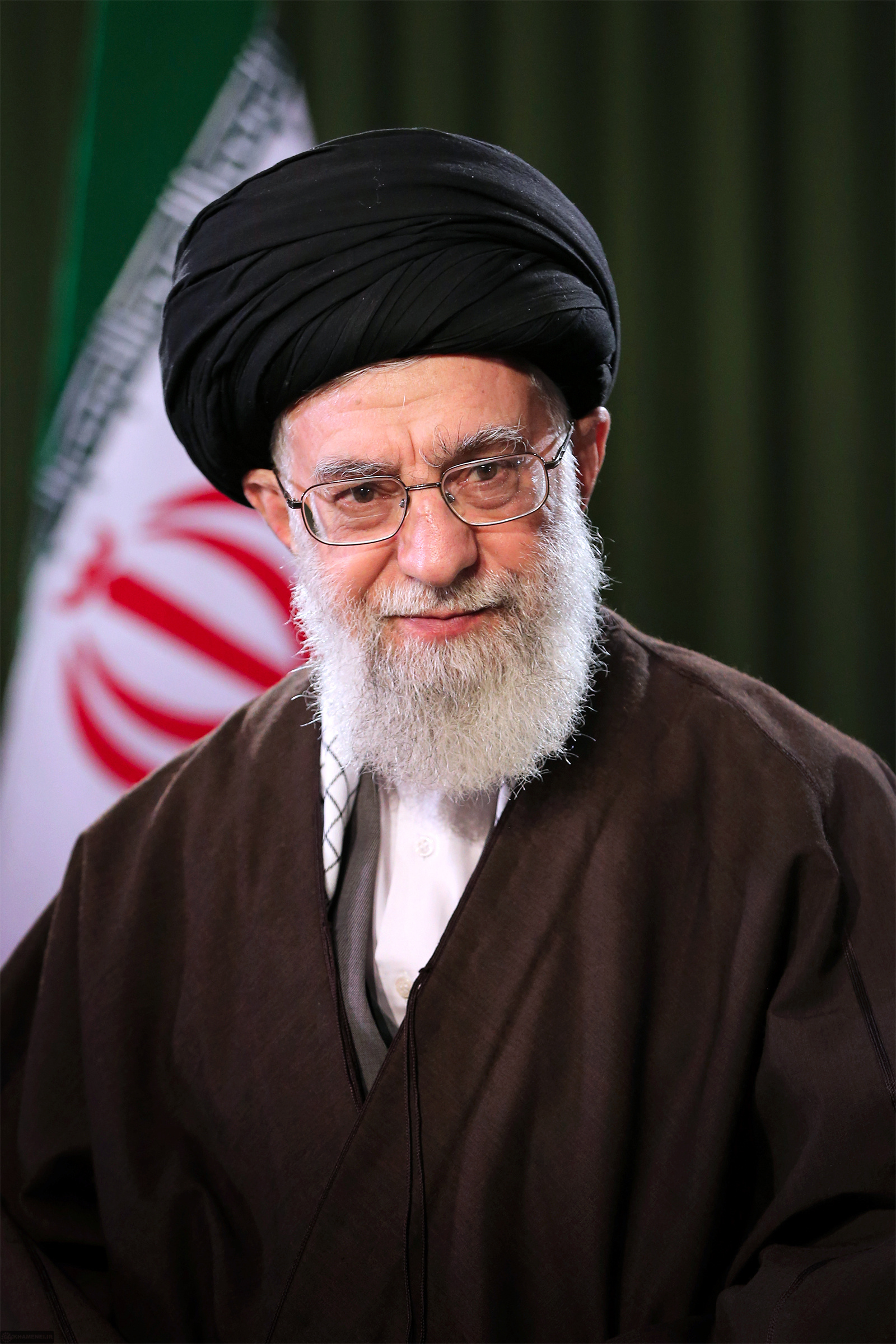
If anyone in Washington or Tel Aviv had imagined that the decapitation of Iran’s leadership, including the killing of Supreme Leader Ali Khamenei, would force Tehran to surrender immediately, that expectation has been proved wrong.
Iran has suffered heavily, and its conventional military capability remains weak. It has a limited air force and relatively modest air defense capabilities. Decades of US sanctions have also severely damaged its economy.
Yet Iran retains drones and missiles. Neither the Israel Defense Forces (IDF) nor the Pentagon may have a precise idea of how many missiles and drones Iran possesses or how many it can produce over time.
Israel’s air defense systems, including Iron Dome and David’s Sling, have not intercepted all incoming drones and missiles.
Meanwhile, the theocratic system established by Ayatollah Ruhollah Khomeini, which had faced growing domestic protests, has managed to rally large sections of the Iranian public around the national flag.
One might therefore ask whether this is an unintended consequence of Netanyahu’s war.
Divisions within Israel
Netanyahu has largely succeeded in convincing many Israelis that the Iranian regime represents an existential threat to Israel.
However, questions are increasingly being raised about his judgment in initiating the war, and protests have begun to appear.
On 8 March, hundreds of demonstrators gathered at Habima Square in Tel Aviv to protest Israel’s military campaign against Iran. The protests highlighted the divisions within Israeli society as the conflict entered its second week.
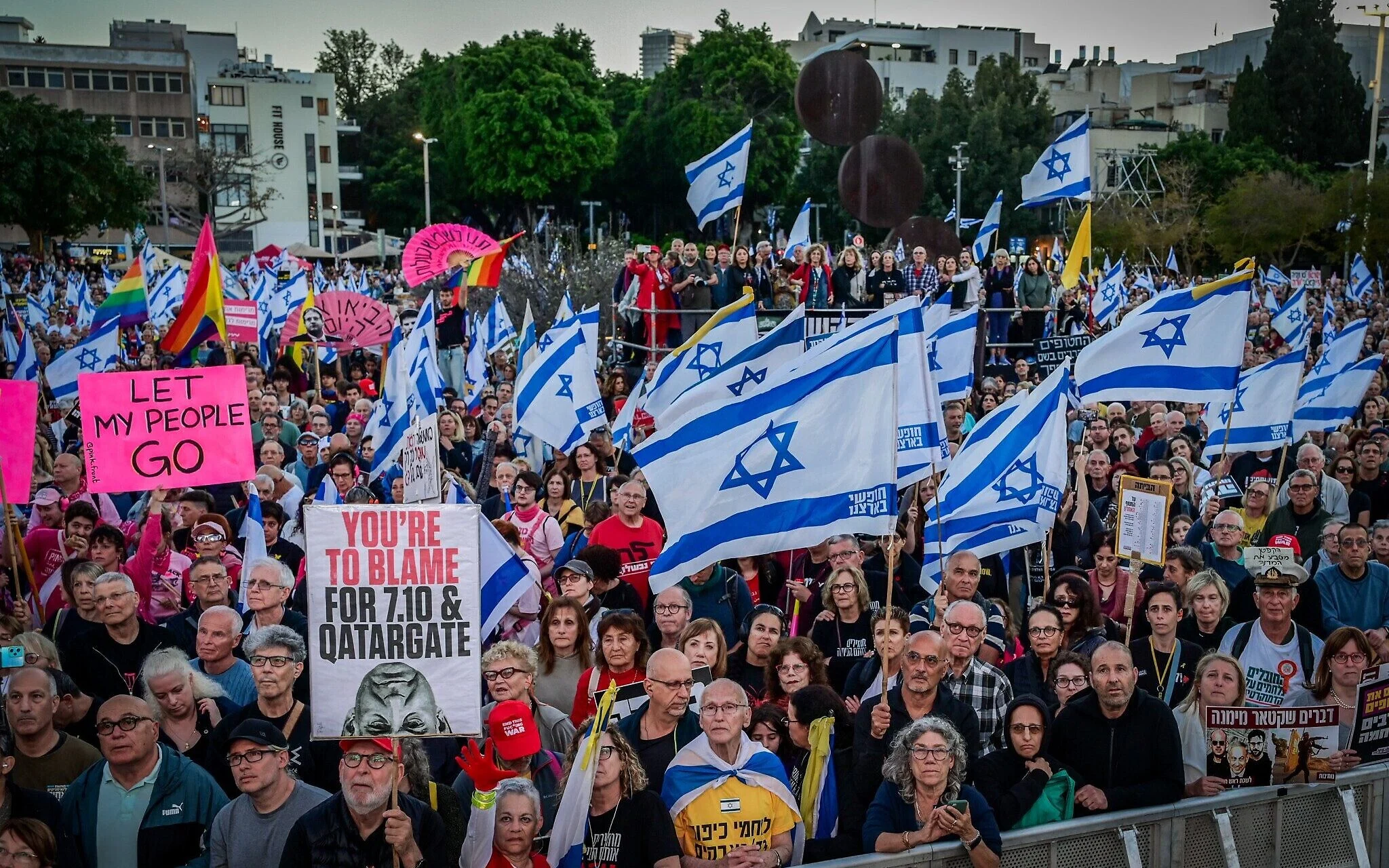
Pro-war groups confronted the demonstrators, and police eventually intervened.
Iran’s asymmetric strategy
In any asymmetric war, the weaker side often resorts to unconventional strategies that may not be anticipated by the stronger adversary.
Iran’s strategy appears aimed at inflicting economic damage on the wider world, particularly the US and the Gulf Cooperation Council (GCC) states that host US military bases.
Given the interconnected nature of the global economy, such actions inevitably affect the wider international community. Iran appears to hope that rising economic pressure will eventually compel other countries to push Washington toward ending the war.
The situation on the thirteenth day
As of the morning of the thirteenth day of the conflict, the situation appears as follows:
Iran has effectively blocked the Strait of Hormuz. Oil and gas prices have surged, as roughly 20% of globally traded oil and gas passes through this narrow waterway.
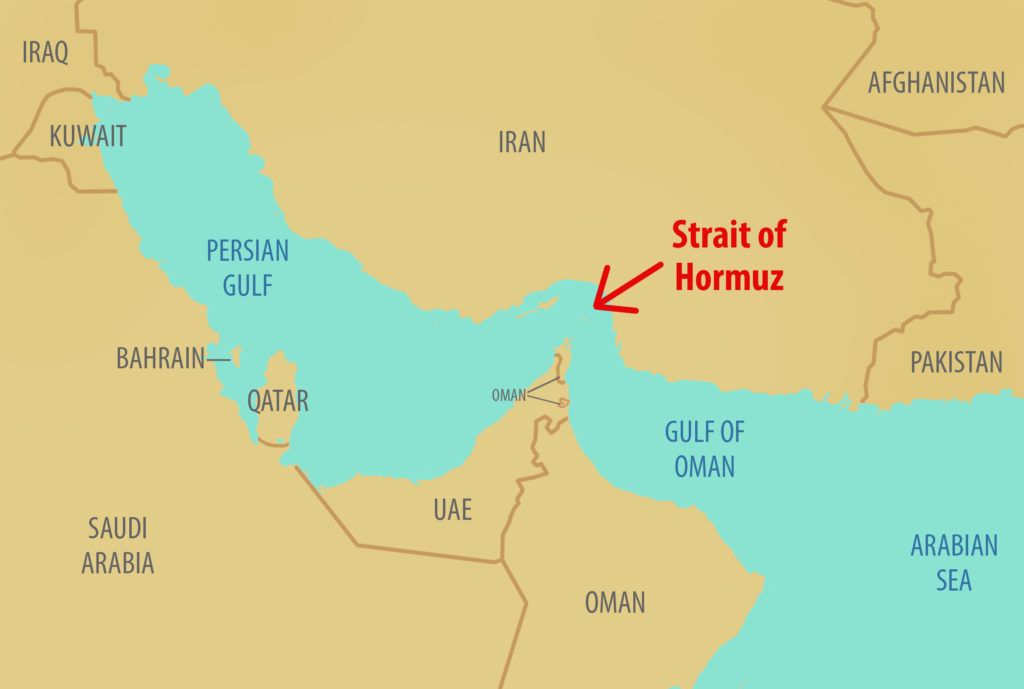
The Pentagon currently appears to lack an effective means to reopen the strait.
The 32-member International Energy Agency has announced plans to release about 400 million barrels of oil over time, although the exact timeline remains unclear. The United States alone plans to release 172 million barrels.
It is uncertain whether these releases will significantly calm markets. At the same time, the GCC has reportedly decided to cut production by around 5 million barrels a day.
Even after the announcement of strategic releases, prices have continued to rise. Markets are unlikely to stabilize until safe passage through the Strait of Hormuz is restored.
Iran has targeted 17 US bases in the Gulf, with 11 reportedly sustaining damage. Air defense systems at several bases have also been hit, with damage estimated at nearly $2 billion in the first four days alone.
Drone activity near Dubai airport has disrupted wider Gulf flight operations.
International response
Has Israel received significant diplomatic or military support from Europe?
None.
Spain has withdrawn its ambassador. The UK, under pressure from Washington, has allowed the use of US bases on British territory for what it describes as “defensive operations.” In practice, it is difficult to see how military actions in the current situation could be described as purely defensive.
The Pentagon has used bases in Saudi Arabia, Kuwait, Qatar, the UAE, Bahrain, Iraq and possibly Oman.
Impact on India
The consequences for India could be severe.
Around 10 million Indians live in the Gulf region, with more than 100,000 in Israel and around 10,000 in Iran.
Western governments have advised their citizens to leave the region, even as flights have been disrupted. Some stranded Indians have managed to return home.
However, a large-scale evacuation of Indians would be extremely difficult. Even if the community agreed to return, many would have to abandon their jobs in the region.
The massive evacuation by air of 176,000 Indians during the 1990–91 Gulf crisis following Iraq’s occupation of Kuwait would be extremely difficult to replicate under current circumstances.
India previously received around 1.9 million barrels of oil per day through the Strait of Hormuz.
Qatar, India’s main supplier of liquefied petroleum gas (LNG), has reportedly halted production after one of its facilities was hit by Iranian strikes.
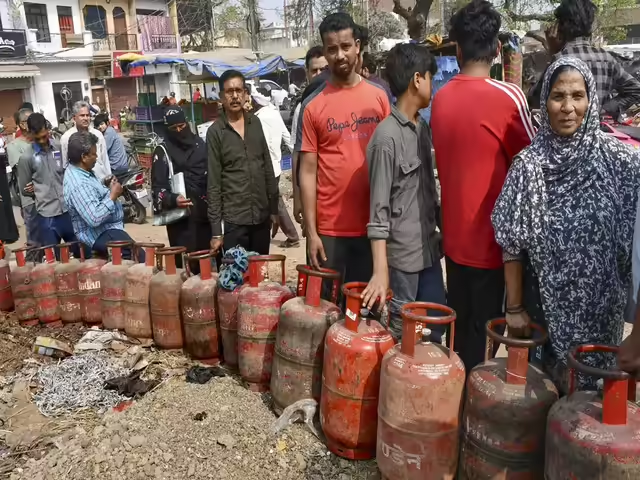
LPG shortages have already begun to affect the hospitality industry, with some restaurants facing closure. Air India has also raised fares.
With energy import dependence approaching 90%, India has a strong interest in seeing the crisis end as soon as possible.
Prospects for a ceasefire
At present it is difficult to predict when a ceasefire might emerge.
Since Netanyahu initiated the war with Trump’s approval, only the latter may ultimately be able to stop it if the political costs become too high.
Left to himself, Netanyahu may prefer to do a ‘Gaza’ in Iran and prolong the conflict, both to delay elections that he might lose and to postpone corruption proceedings against him.
Iran’s President Masoud Pezeshkian has publicly demanded compensation before agreeing to a ceasefire. In reality, he may be willing to accept one if Trump declares “victory” and halts the attacks.
The original article was published in Press Insider and can be read here.