

World Cup 2026: The Human Factors

The AIDEM’s countdown to the FIFA World Cup 2026 continues with a deeper analysis of the teams. In this essay, we layer the expert analyses with six human factors – tournament psychology, squad age profile, knockout resilience, tactical flexibility, injury dependency, and historical big tournament DNA – to achieve a more rounded forecast.
A deeper structural observation evidences that international football is increasingly converging toward hyper-organized football states. The era of purely improvisational genius is fading. The modern World Cup rewards academies, sports science, tactical judgement and flexibility, demographic depth, emotional management, institutional continuity, and such. In that sense, football is beginning to resemble state capacity. This makes Klement’s model more interesting. He is implicitly saying, “World Cups are won by countries that repeatedly manufacture football competence.” It is perhaps not what the fan who wears his heart on the sleeve of his team jersey wants to hear. But, tot up how often France, Germany, Spain, Argentina, and Brazil keep returning and Klement’s statement, pragmatic as it may appear, cannot be drowned in the passionate rahs.
Some people believe football is a matter of life and death. I am very disappointed with that attitude. I can assure you it is much, much more important than that. – William Shankly, Football player & Manager
While making a forecast, it is tempting to look for a single answer. Some trust FIFA rankings. Others prefer betting markets. Some rely on statistical models such as OPTA simulations. Others are attracted to structural approaches such as Joachim Klement’s model which looks beyond individual players. Each method captures something relevant; yet none captures the whole truth. The limitation is not in the models, it is created by the nature of the World Cup.
A league season rewards consistency. Over thirty-eight matches, the strongest squad usually rises to the top. But, a World Cup is not a league season; it is a compressed psychological war fought over 30 days. It combines talent, tactics, emotion, luck, health, leadership and timing. A team can dominate world football for four years and disappear because of one bad evening, one injury, one red card, one penalty shootout or one moment of brilliance from an opponent. In effect, the result is largely driven by the 22 players that take the field.
Let us consider a more sophisticated composite model to try and decode this complexity. The following model takes six ‘human factors’ into account and scores each team.
Human Factors
- Tournament Psychology
- Emotional stability under pressure
- Squad Age Profile
- Balance between youth and experienced core.
- Knockout Resilience
- Ability to survive ugly matches
- Tactical Flexibility
- Capacity to adapt mid-tournament
- Injury Dependency
- Reliance on 1–2 critical stars
- Big Tournament DNA
- Historical institutional memory
Scoring: Elite: 10, Average: 05, Severe Weakness: 01
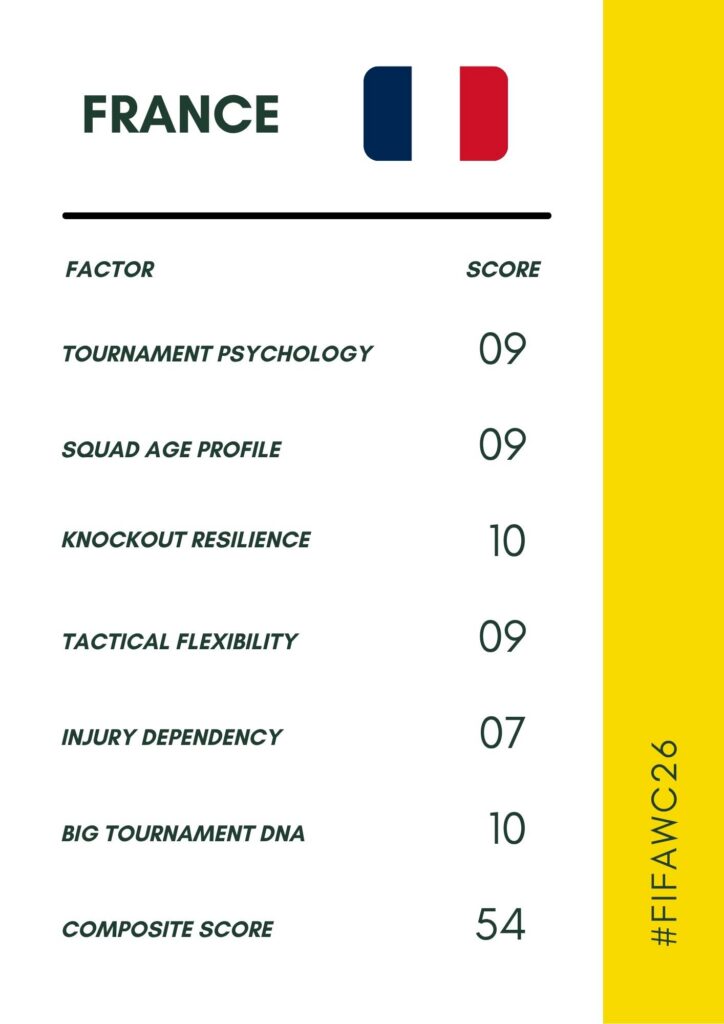
Currently, France bears the closest resemblance to a ‘tournament machine’. It possesses depth, athleticism, tactical adaptability, and emotional composure. Most importantly it can play badly and still win. That is the mark of great tournament teams. Their institutional memory now spans: 1998, 2006, 2018, The only perceptible weakness is occasional dressing-room fragmentation. But, structurally France may be the safest semifinal prediction on earth.
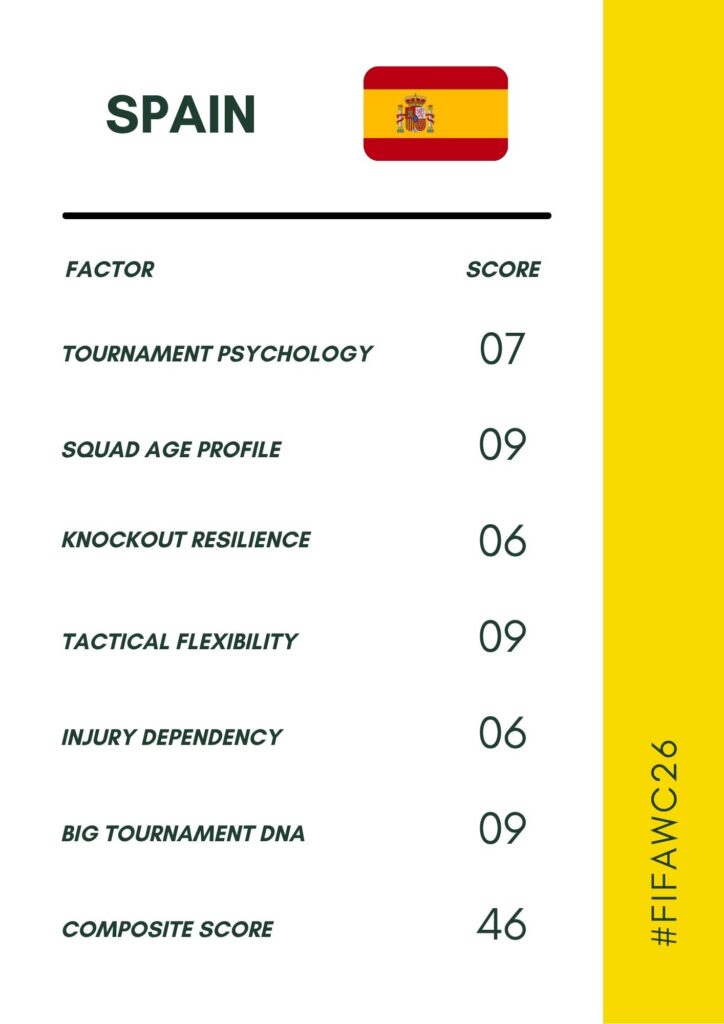
Technically, Spain may be the most advanced. But, history shows that it suffers when matches become chaotic, physical, and emotionally disorderly. Spain likes control. World Cups deny control. Its technical ceiling may be the highest, but can it survive penalties, aerial warfare, ugly transitions, and referee-driven chaos?
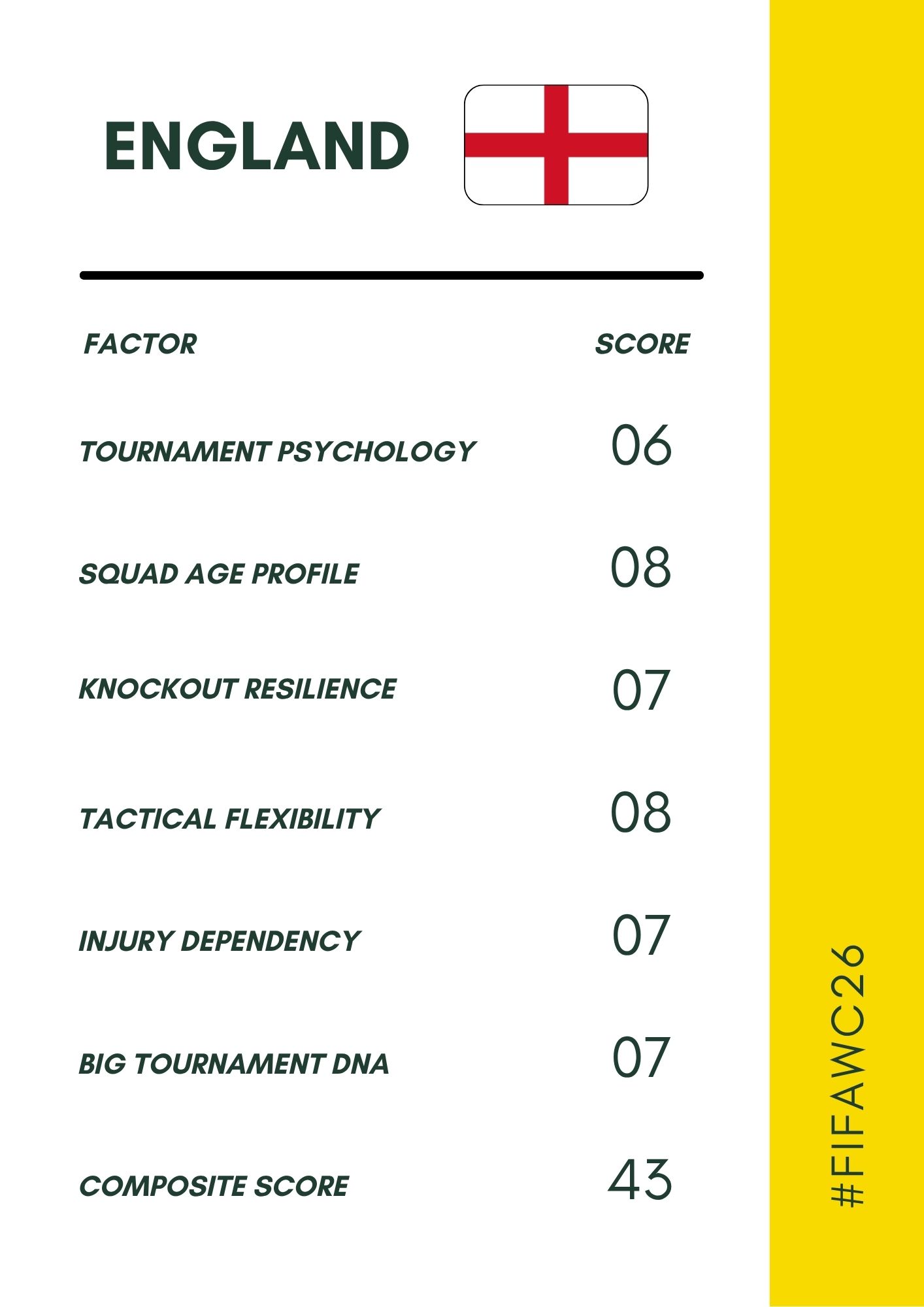
England’s eternal enemy? England. No major football nation generates more media hysteria, more expectation pressure, more emotional turbulence than this team. But, it has evolved; this generation is calmer than the previous ones. It possesses better tactical maturity, better midfield intelligence and less emotional recklessness. Yet, until England actually wins, their psychological burden remains real.
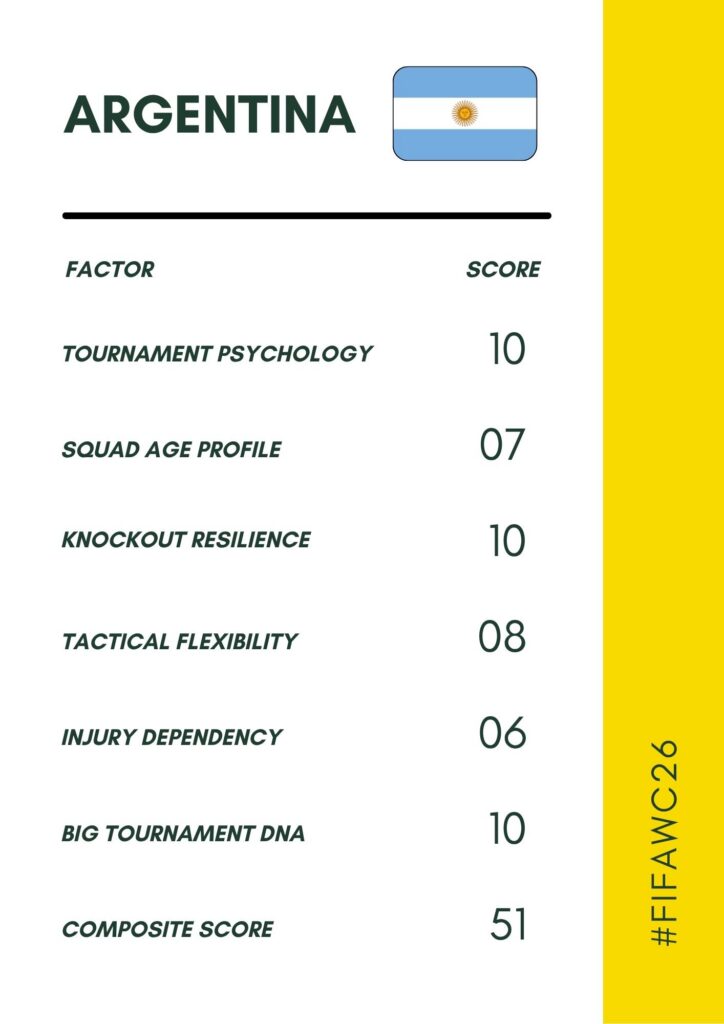
Argentina may possess the greatest competitive psychology in world football. They thrive in emotional warfare, ugly matches, penalties, hostile environments. Argentina understands tournament suffering. That matters enormously. Their weakness is the post-Messi generational transition. But emotionally, Argentina is still a terrifying opponent.
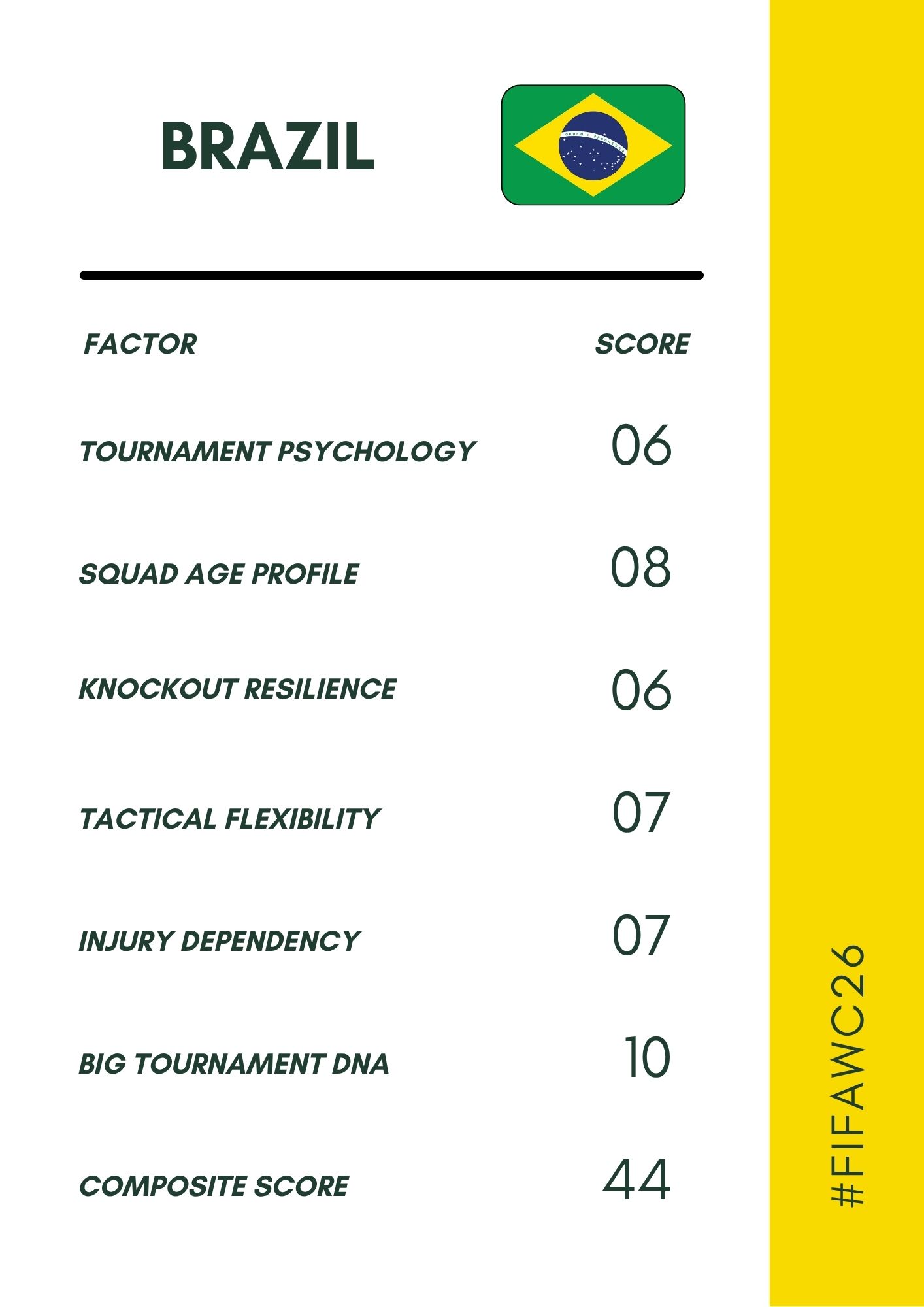
Brazil historically carried an invincibility aura. That aura weakened after 2014, repeated European eliminations. Modern Brazil still has immense talent, but sometimes lacks collective tactical hardness, emotional discipline, defensive tournament pragmatism. Brazil now often looks more like an “entertainment superpower” than “cold tournament machine.”
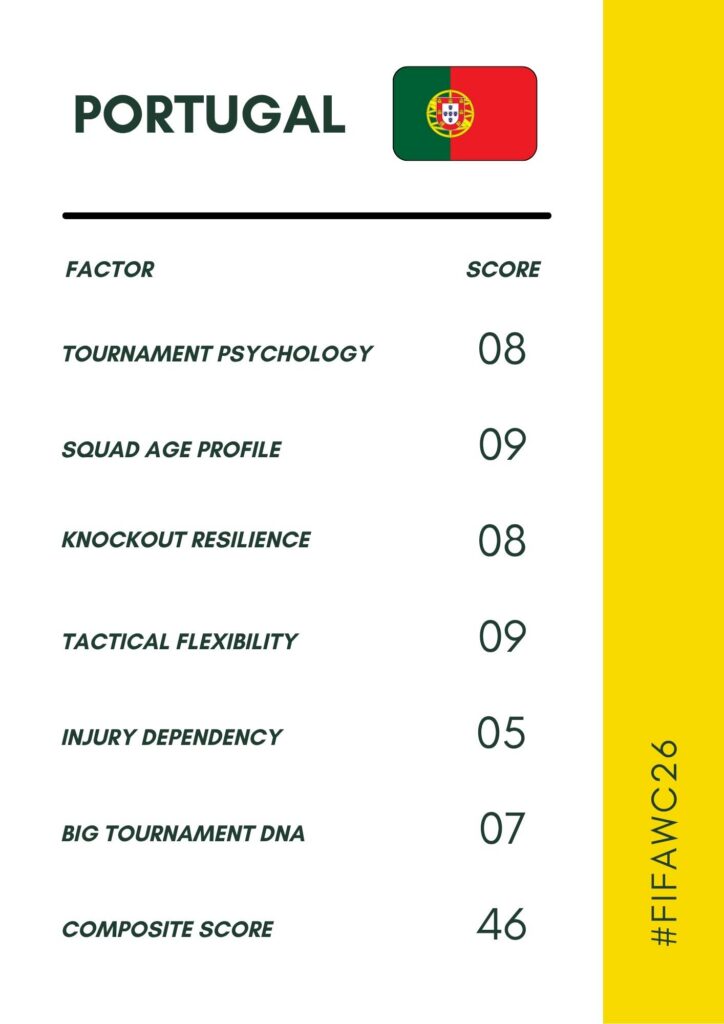
Portugal may quietly be the most balanced squad in the world. The post-Ronaldo transition is crucial. The team previously revolved around individual gravitational force and now, they are becoming tactically collective, technically fluid, and emotionally calmer. Their midfield intelligence is extraordinary. Portugal looks very ‘2026-compatible’.
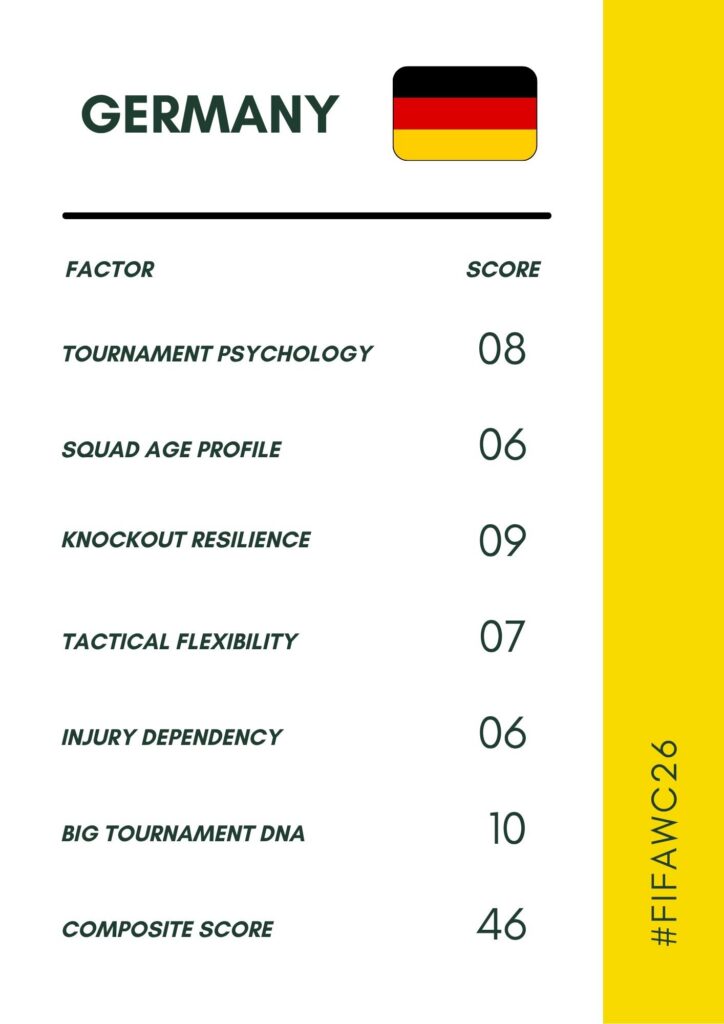
Germany remains football’s greatest example of institutional tournament memory. Weak German teams, too, remain dangerous. Why? Because Germany historically masters tournament pacing, emotional control, and knockout efficiency. But, the old German certainty has weakened and modern Germany is in transition. Yet, never underestimate Germany in tournaments. Ever.
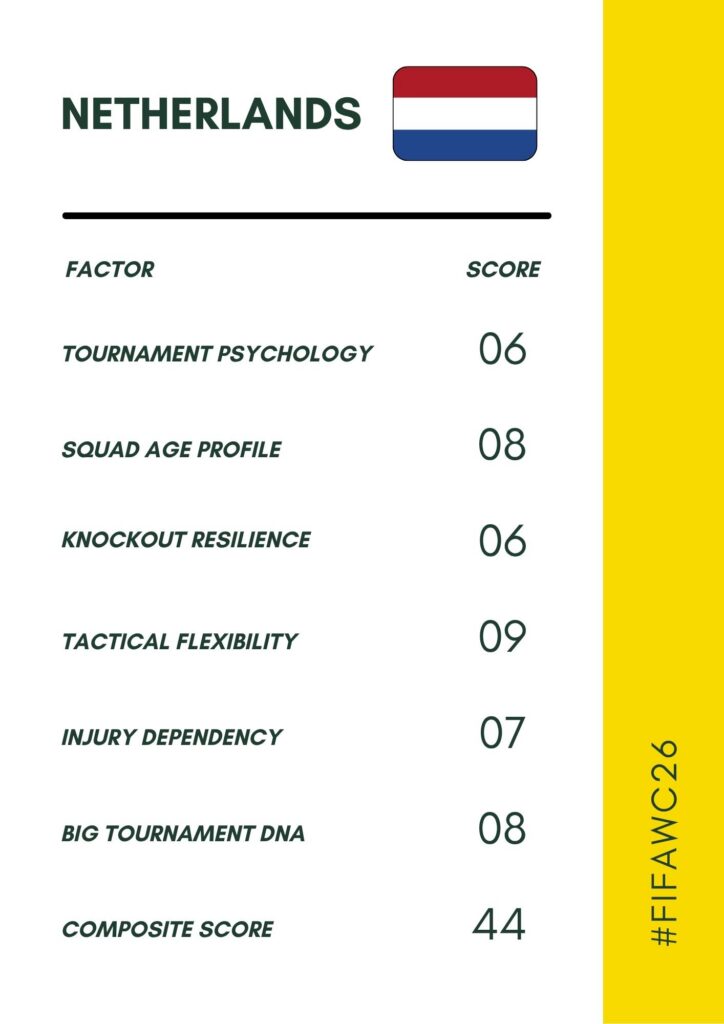
The Dutch are football intellectuals. Wonderful systems. Wonderful tactical design. Historically, though, they often struggle to convert elegance into brutality. The Netherlands frequently plays beautiful quarterfinal football. Winning semifinals and finals is (almost) a whole different ball game.
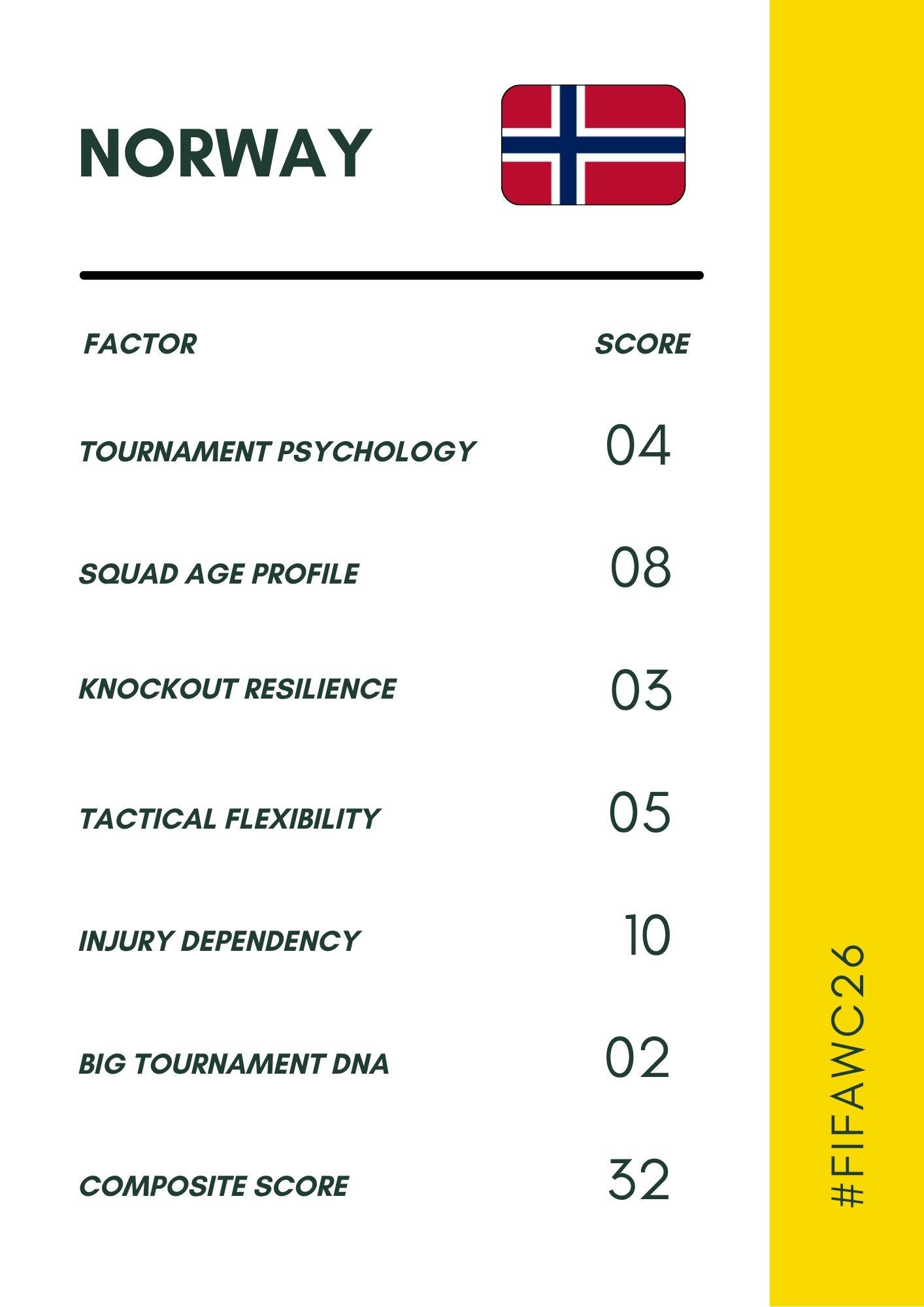
Norway is fascinating because markets may overreact to Haaland, Ødegaard, and Premier League visibility. But it lacks tournament institutional memory which matters enormously. World Cups punish nations unfamiliar with compressed pressure, knockout pacing, and emotional volatility. Another blip is the team’s excessive dependence on the health, and form of Haaland and Ødegaard. One injury could collapse the mission.
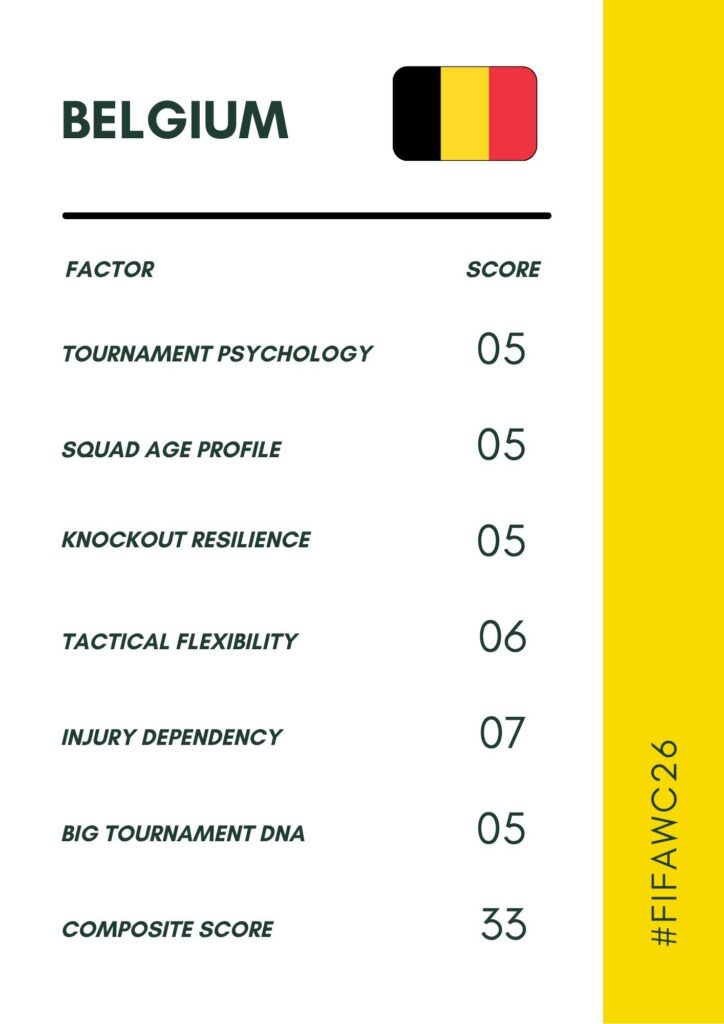
Belgium’s ‘golden generation’ scarred the nation psychologically. It became the textbook case of confusing talent accumulation with tournament greatness. For years, its FIFA ranking concealed the lack of true knockout identity. Belgium appears to be between cycles. Dangerous? Yes. But, no longer structurally elite.
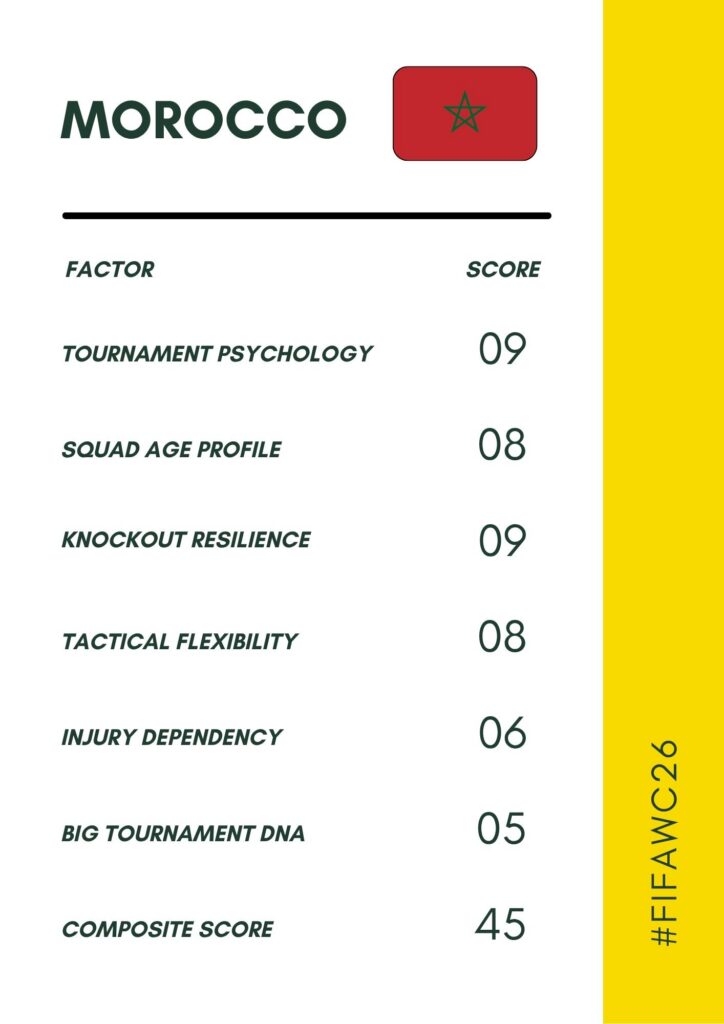
Morocco scores high because it is no longer merely the ‘romantic underdog’. Now, it possesses elite emotional cohesion, hardened defensive identity, tactical elasticity, and enormous collective energy. Its greatest strength is tournament psychology. Currently, it is among the best ‘emotionally unified’ teams in world football. In tournaments, emotional synchronization matters enormously. In 2022, Morocco displayed collective sacrifice, resilience, fearlessness, and comfort under pressure. That is repeatable to some extent.
Its ‘Big Tournament DNA’ score is low because this category reflects decades of repeated deep runs, institutional tournament inheritance, and historical normalization of pressure. Morocco is building this factor but it does not possess the historical continuity of Germany, Argentina, France, and Brazil.
Knockout football often rewards emotional intensity plus defensive structure. Morocco has both. Modern football increasingly rewards compactness, transitions, and tactical suffering, more than aesthetic dominance. And, that is why Morocco could deliver a surprise or two.
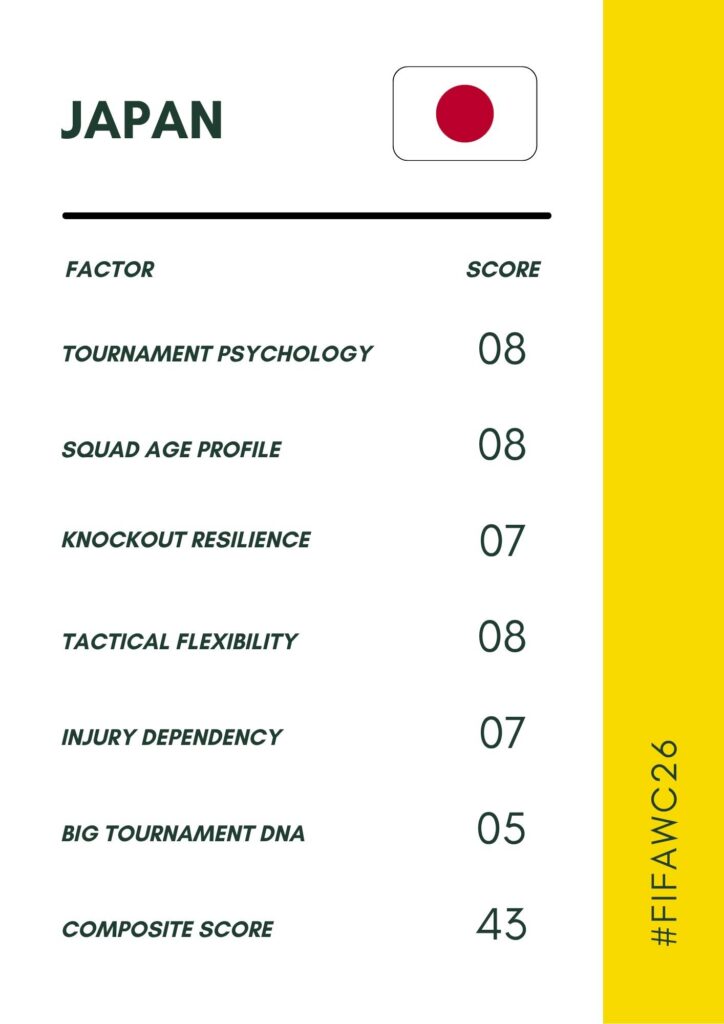
Japan has become one of the world’s most coherent football systems. Its rise is methodical, institutional, and sustainable. Japan no longer enters tournaments hoping to compete; it enters expecting to compete. This psychological shift matters enormously. Its greatest strength is tactical discipline. Japan may now be among the best-organized teams outside Europe. They transition rapidly, defend collectively, maintain shape, and adapt intelligently. They are difficult to destabilize emotionally.
But, it occasionally lacks killer instinct in chaos football. When matches become physically ugly, emotionally irrational, penalty-driven, it struggles to impose psychological dominance.
What do these scores tell us? Here is the updated composite score table:
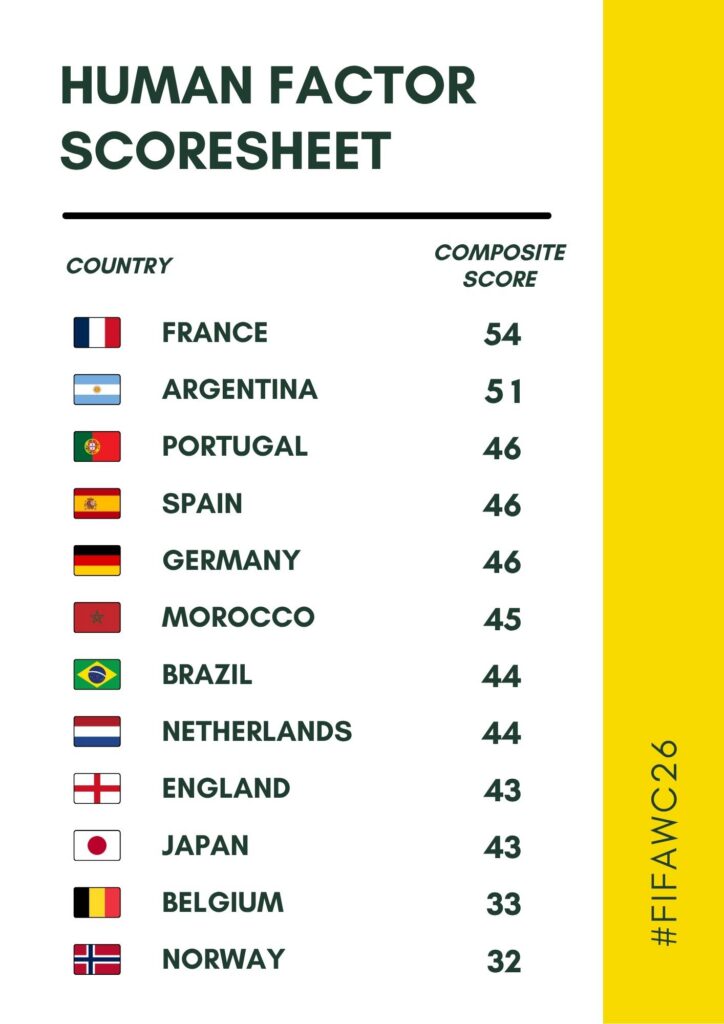
The scores throw up some surprising insights. For instance, Argentina and Germany outperform their raw talent level. Why? Because tournament competence is cultural. Some football nations know how to suffer, how to manage pressure, how to survive ugly football, how to control emotional energy. That knowledge becomes institutional memory.
Football is not merely athletic. It is emotional regulation, collective trust, symbolic burden, national psychology, and institutional continuity. That is why ‘golden generations’ fail, and historically mature football civilizations keep returning. France, Germany, Argentina, and Brazil don’t merely produce players; they produce tournament organisms. And World Cups are won by organisms, not collections of talent.
The next part in the series, considers the role of the all important twelfth player – the manager. It also combines several layers of analysis, each of which illuminates a different dimension of tournament success to create a model that identifies which nations possess the greatest capacity to survive seven consecutive encounters with uncertainty.
This series is essentially a concise version of the author’s long format Substack series on the World Cup. The Substack series can be read here.
Related Stories: FIFA World Cup 2026










“A thoughtful take on World Cup 2026. Beyond talent and tactics, the human factors of resilience, teamwork, mental strength, and adaptability often make the difference on football’s biggest stage. Great read!”