

The Fading Light Of The Forests’ Wandering Stars


Mudumalai, in the Nilgiris district of Tamil Nadu, is one of India’s most important wildlife sanctuaries. It is a vast forest ecosystem that consists of wet tropical deciduous forests, rolling grasslands and thorny shrub areas. A part of the biodiversity reserve, it is home to elephants, tigers, sloth bears, and a large variety of birds and insects.
Among all these creatures live the bioluminescent fireflies, an icon in folklore. Just as stars beautify the night sky, the green and yellow glow of fireflies lights up the forests of Mudumalai during summer, creating a magical spectacle. But apart from delighting children and adults alike, the fireflies, also known as glow worms, have a crucial role to play in ecology’s delicate balance, including pollination and pest control.
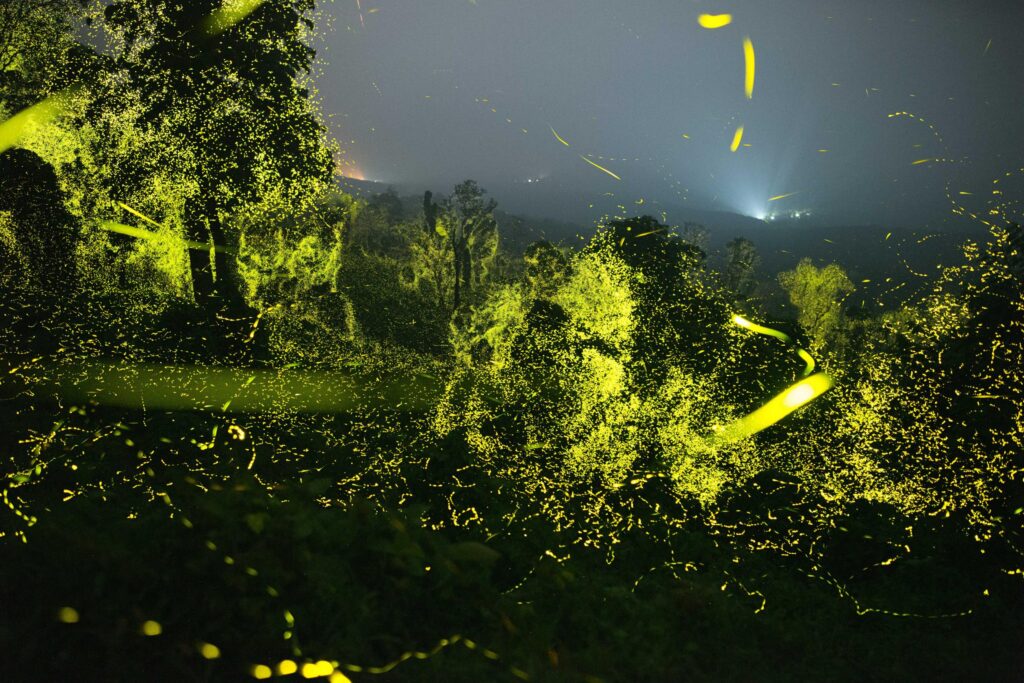
The sad news is that the population of these creatures is slowly dwindling with the onset of climatic changes in the Nilgiris. Villagers living in the area say that today they are mainly found in tea estates, coffee plantations, and dense shola forests. However, only small numbers can be seen around tribal villages and settlements. Once upon a time villages such as Pokkapuram and Allur used to have thousands of glow worms that at night looked like wandering stars in the darkness. These were places where traditionally glow worms were shown to children to distract them while they were being fed.
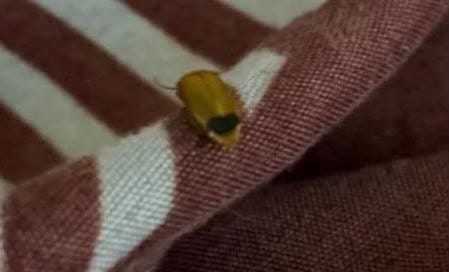
Though no study had been done in the Nilgiri district, anecdotal evidence points to declining numbers. This reporter spent time in Sembakolli near Gudalur to document fireflies, but to his disappointment very few appeared in a region that used to boast of hundreds. The reason is that the region is witnessing heavy incessant rainfall, with daytime temperatures unusually low. Very few fireflies appeared at night.
While India lacks long-term studies linking climate change directly to firefly declines, emerging international research suggests there is strong cause for concern. A 2024 study led by researchers at Penn State University, analysing more than 24,000 firefly observations across North America, found that fireflies are highly sensitive to changing temperature and rainfall patterns. Warmer winters, erratic precipitation and extreme weather can disrupt breeding cycles, flood larval habitats or dry out the moist soils where young fireflies develop.
The reason for the declining numbers here and in many other countries is being attributed to climate change, including increasing rainfall, water pollution and temperature variations. According to Sriram Murali, an entomologist, conservationist, filmmaker and wildlife photographer who has been studying fireflies in the Nilgiris for several years, it is artificial lighting (light pollution) and other aspects of climate change that are among the major reasons for the decline in firefly populations. Murali found that the electricity lit towns nearby were throwing too much ambient light into the tiger reserve and this was a threat to the populations of glow worms.
Speaking to a travel blog, Murali explained that fireflies flash to communicate, especially to find mates and when competing with artificial light their bioluminescent signals become ineffective. “The male fireflies are perched on the trees. They flash together to attract females of the same species… If the lighting gets as bright as the moonlight, they do not flash. Mating does not happen. The population dies out in a couple of years.”
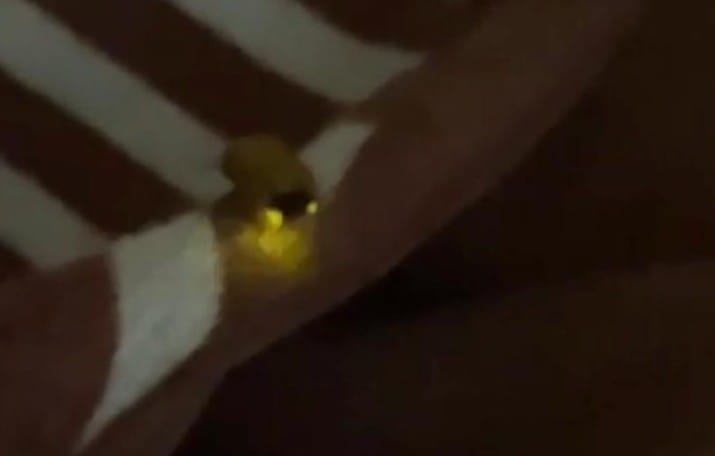
Murali’s research also points to agricultural expansion, habitat loss, and changes in land use as contributing factors. Fireflies are indicators of a healthy forest ecosystem. Their declining numbers serve as a warning that our forests are losing their ecological health.
Murali’s words are validated by research carried out in the neighbouring state of Andhra Pradesh. Two decades ago, in1996, the population of the firefly, Abscondita chinensis, was documented as being “several hundreds” in the remote village of Barrankula in Krishna district. The study was conducted along a 10-metre area adjoining the fresh water Barrankula canal surrounded by paddy fields.
However, the same site was found to have a declining population of only 10 to 20 fireflies in January 2019.
The Lampyrid Journal, an international publication devoted to bioluminescent beetle research (Volume 8) says that a decline in firefly populations can have significant impacts on ecosystems. The decline could lead to a reduction in pollination, which could negatively impact plant populations and the animals that rely on them for food. In addition, it could lead to an increase in pest populations, which in turn could lead to the use of harmful pesticides that can harm the environment and other animals.
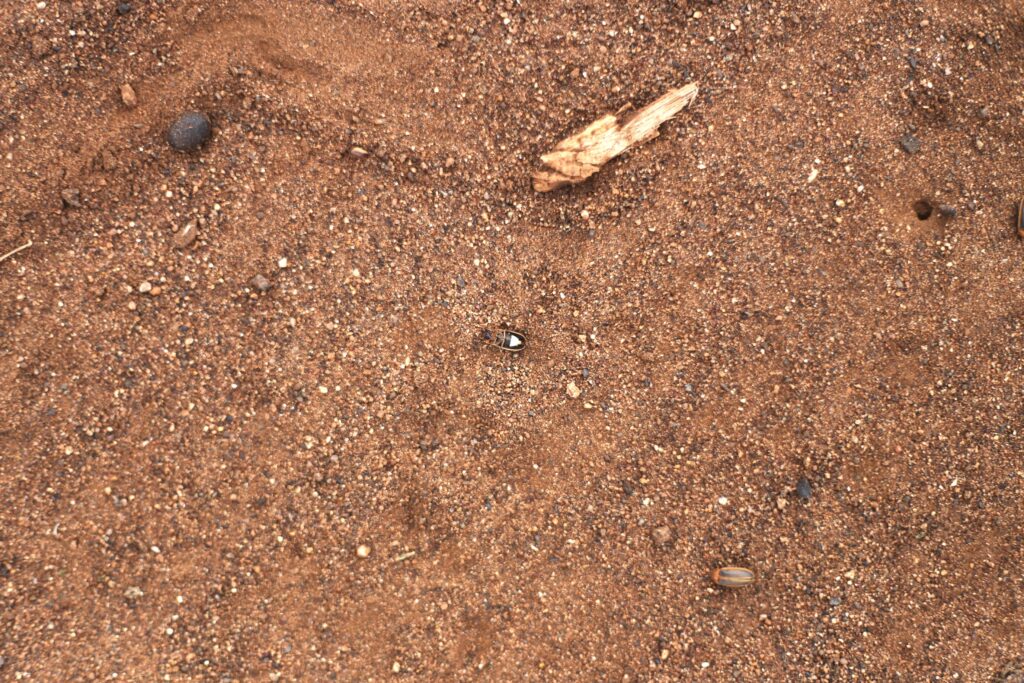
The journal also points out that glow worms have been recognized for their potential contributions to medical research. “The chemical responsible for fireflies’ bioluminescence, known as luciferin, has been studied extensively for its potential uses in medical imaging and other diagnostic tools. This has led to the development of new medical treatments and therapies that can help detect and treat various diseases and conditions. For example, luciferin has been used to develop imaging techniques that can detect cancer cells, monitor the progression of diseases such as Alzheimer’s, and even aid in the development of new drugs.”
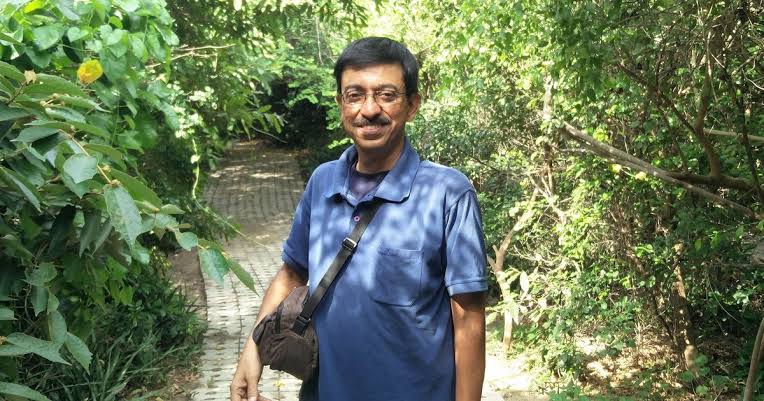
The publication asserts that it is essential to recognize their importance and take steps to preserve their habitats and populations. So do nature enthusiasts like photographer S. Venkataraman of Chennai, popularly known as “Poochi Venkat” (poochi meaning insect in Tamil). He concludes with conviction, “Fireflies are among the most delicate and important creatures in our natural world. As the dominant species on Earth, it is our responsibility to ensure that they can continue to live in harmony with nature, free from human disturbance.”










*A beautifully written and deeply reflective piece that reminds us how fragile our forests have become. The fading light is not just about nature—it is also about the choices we make as a society. Thank you for bringing together ecology, memory, and hope in such a compelling narrative. A powerful and timely read.*