


In the Indian corporate landscape, the name ‘Tata’ is synonymous with trust. From salt to steel, automobiles to software, and hospitality to aviation, every sector they have ventured into bears their undeniable hallmark of excellence and long-term vision.
Therefore, when the Tata Group founded Jamshedpur FC in 2017 and entered the Indian Super League (ISL), the nation didn’t view it merely as another corporate investment. It was celebrated as a monumental vote of confidence by a colossal industrial family in the future of Indian football. Jamshedpur FC embodied a grand hope—a dream that football in India would finally evolve into a thriving industry, grounded in professional culture and long-term sustainability.

But that dream has now met a decisive end.
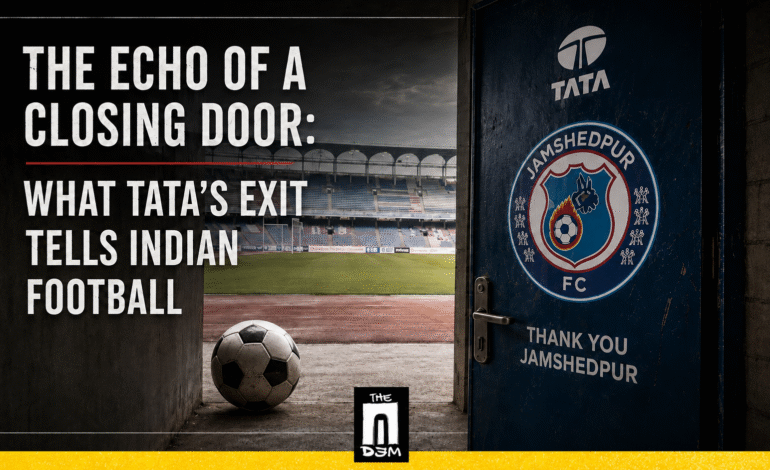
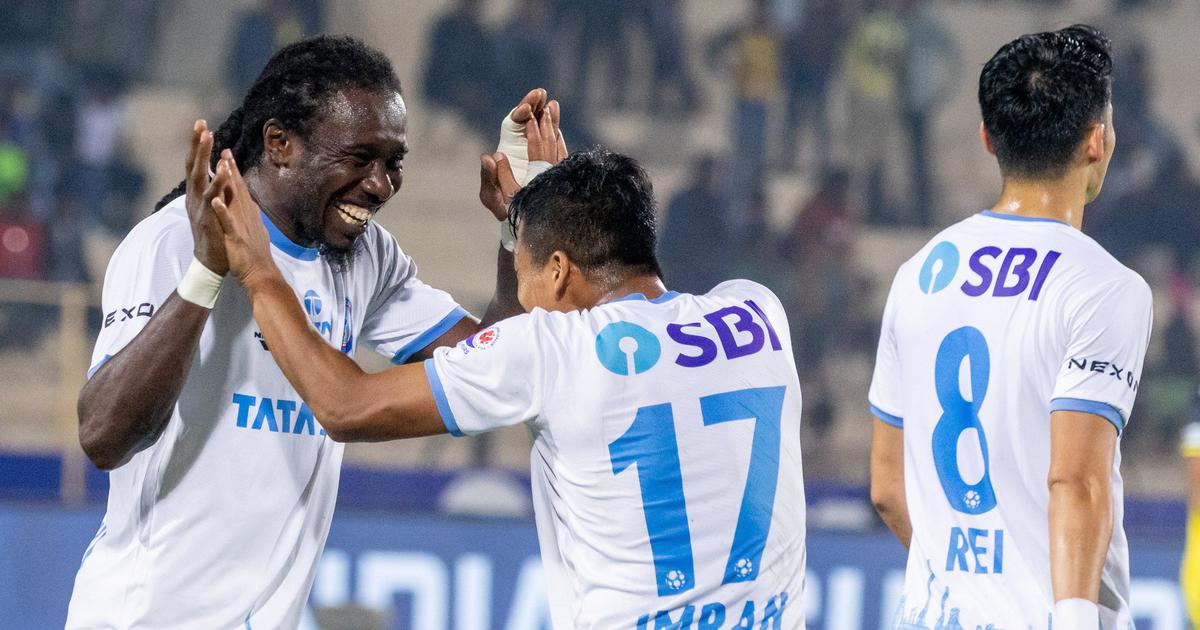
Following their defeat against Mohun Bagan in the Durand Cup quarter-final on Monday, Jamshedpur FC hung up their boots for the last time. Those iconic red and blue jerseys will no longer grace the pitch in pursuit of the ball. The team’s journey has concluded, relegated now to the pages of history. Tata has walked off the field, reportedly handing over the club’s licence to Churchill Brothers ‘free of cost.’
A Harsh Mirror to Reality
When a conglomerate as mighty as Tata shuts down an enterprise and walks away, what should we infer? It holds up a harsh mirror to the reality of Indian football. Tata has realised a bitter truth: despite the massive popularity of football in India—one of the world’s largest cricket markets—it is unlikely to transform into a viable, positive business model in the foreseeable future.
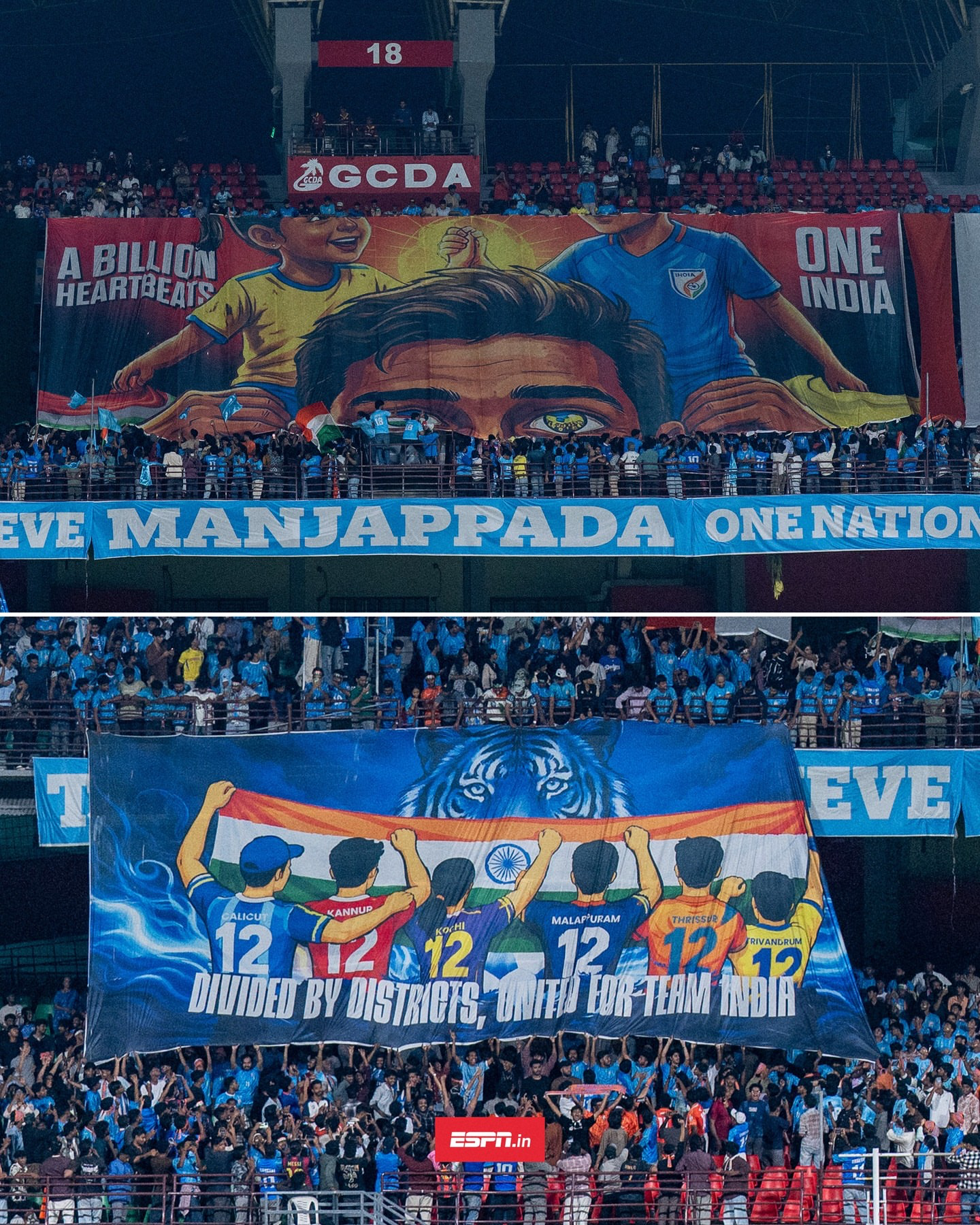
We have the stadiums. We have passionate fans. We have a social media frenzy. Yet, a glaring question remains: How professional is the system that governs and drives Indian football?
The All India Football Federation (AIFF) has consistently failed to honour its commitments and execute visionary decisions. The holy trinity of a professional sports industry—stability, clarity, and reliability—is completely eclipsed by systemic uncertainty.
“The tragedy is not that India lacks a market for football; the tragedy is the absence of a professional system capable of managing that market.”
It has been over a dozen years since the inception of the Indian Super League. The fact that the league has still not managed to establish a solid, competitive structural framework is a matter of grave concern. When stakeholders cannot even be certain if or how a season will commence on time, the very credibility of the league is put on trial.
The Cost of Uncertainty
Football clubs do not survive on mere emotion. Behind every club is a staggering financial investment, supported by staff, academies, players, sponsors, and fans. In an environment where the future beyond a single season remains murky, how long can a corporate entity bleed capital? What tangible guarantees does the AIFF offer to those willing to pour their resources into Indian football?
For the sport to flourish, it requires clear regulations, a long-term roadmap, and, most importantly, administrative transparency. Currently, Indian football lacks all of these.
If the history of the Tata Group has taught us anything, it is that they are not mere profit-hunters. This is precisely why their withdrawal is deeply unsettling. Tata’s exit is a definitive, red-alert warning to the nation’s footballing ecosystem. If an industry lacks the vision required for growth, even the most resilient investor will pack their bags.
Tata didn’t deliver this message through a fiery press conference, loud protests, or public finger-pointing. They said it by silently shutting a door behind them. The resounding echo of that closed door is a wake-up call Indian football cannot afford to ignore.
A Tragic Historical Parallel
In truth, this isn’t the first time Tata has pulled the plug on a football club.
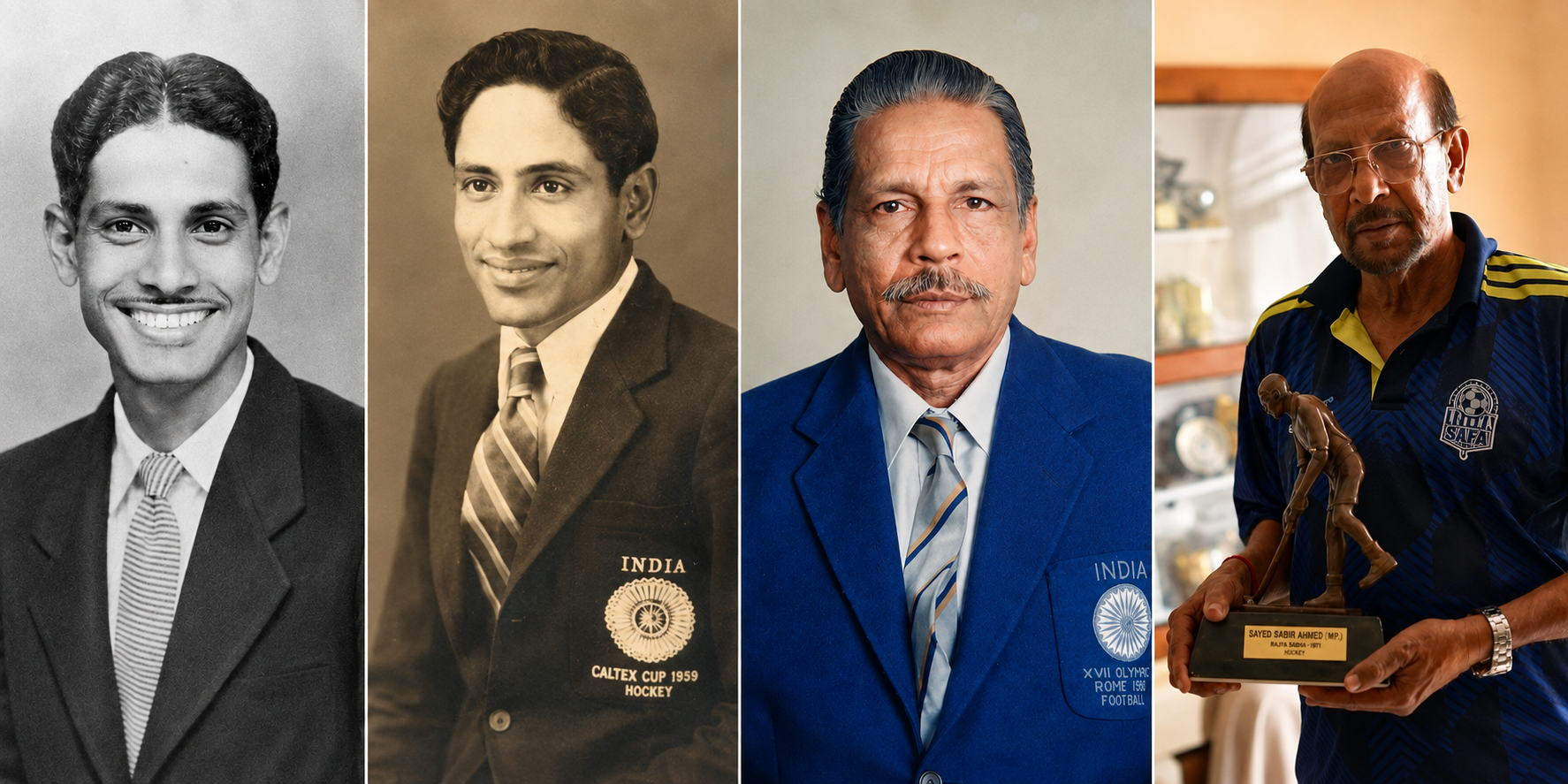
Back in 1937, they launched the Tata Sports Club in Mumbai. The legendary J.R.D. Tata served as the club’s president for nearly four decades. The club’s jersey was worn by players who left an indelible mark on Indian football history, including Malayali Olympians Thiruvalla Pappan and Babu Narayan, Olympic hat-trick hero Neville D’Souza, and the legendary Shabbir Ali.
Once a glorious nursery of extraordinary talent, the journey of the Tata Sports Club came to a grinding halt by the 1980s. Power struggles, vested interests, and rampant infighting within the football associations played a crucial role in the ‘death’ of that historic institution.
Half a century later, as Tata steps away from Indian football once again, history presents a bizarre, tragic parallel. The times have changed, the game has evolved, and the global football landscape is unrecognisable from what it once was. Yet, the ‘standard’ of Indian football administration remains stubbornly, tragically unchanged.
Tata has closed its door.
The question now is: Who will open the door to save the future of Indian football?








A sharp and timely piece on what Tata’s exit means for Indian football. When corporate commitment withdraws, the real question is whether Indian football has built a sustainable ecosystem beyond individual institutions and big investors. The game needs long-term vision, grassroots development and accountable leadership—not short-term promises. ⚽🇮🇳