
Between Belonging and Erasure: The Anglo-Indian Struggle to Remain Visible in India

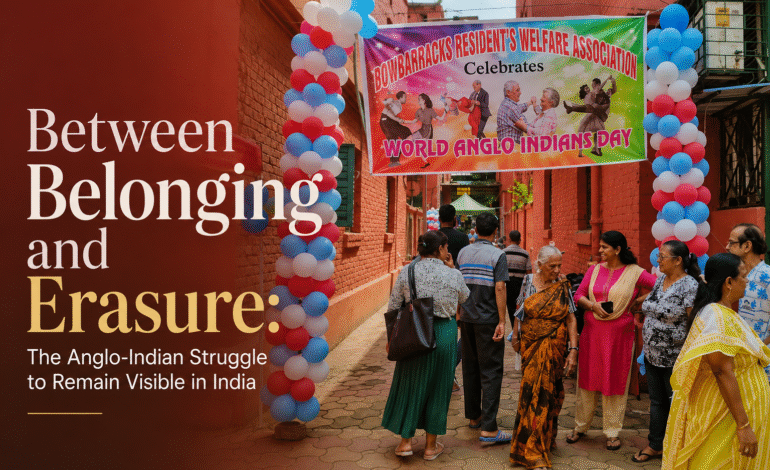
Every year on August 2, World Anglo-Indian Day is celebrated. But who is an Anglo-Indian? And why is August 2 chosen as the day to celebrate?
The history of Anglo-Indians dates back to when Europeans first arrived in the Indian subcontinent, but the term “Anglo-Indian” was officially adopted as a term for the community in the 1911 Census. Lord Hardinge of Penshurst (1910–1916) referred to “Anglo-Indians” in the Indian Census of 1911 as people of mixed European and Indian ancestry. However, British officers working in India but not born in India were not included in this definition. Only the Europeans who were born in India and lived there permanently from their birth till death gained acceptance in the society and were classified as “Anglo-Indians”. Prior to this, children of mixed heritage were often called Eurasians or East Indians.
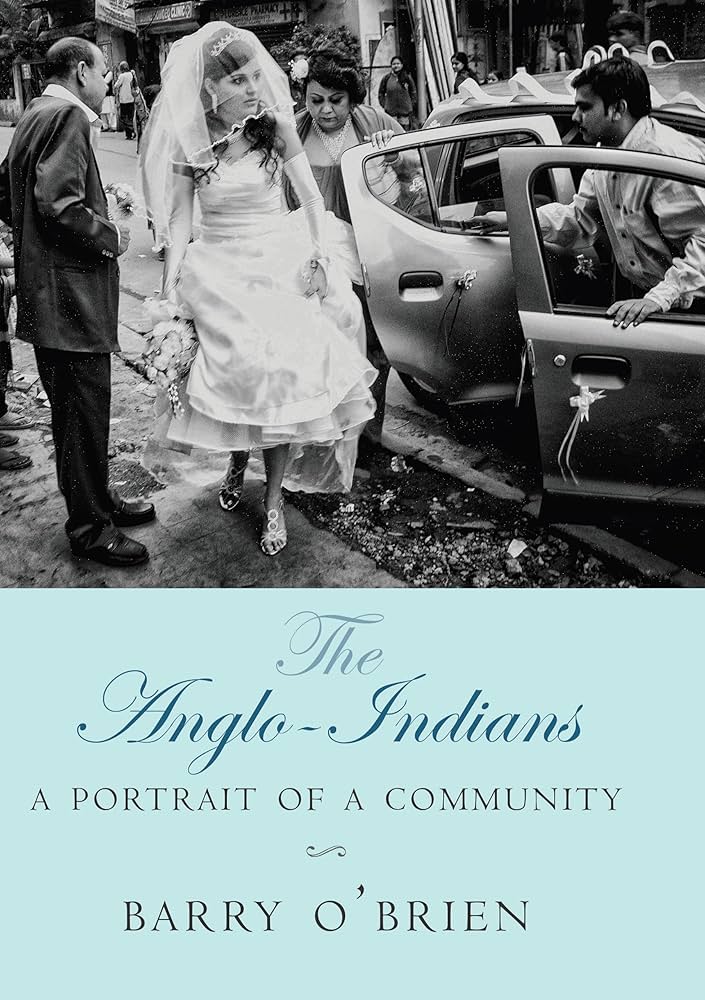
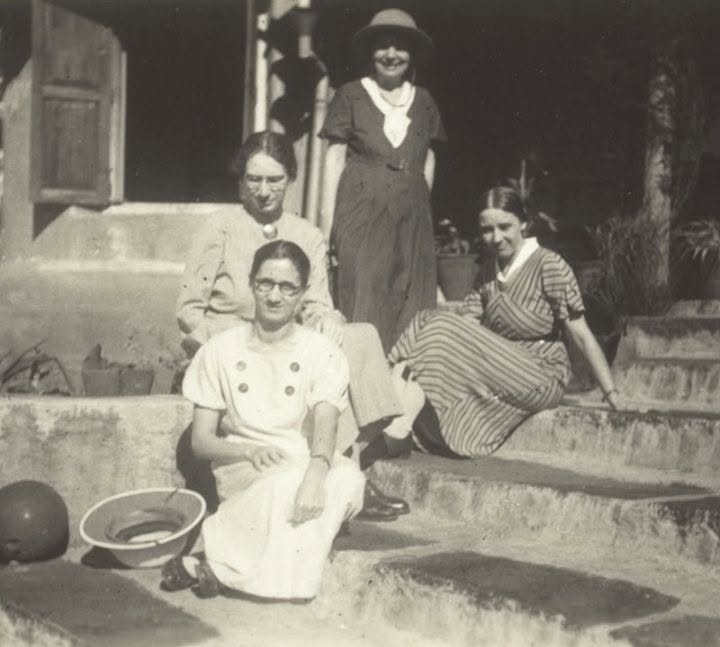
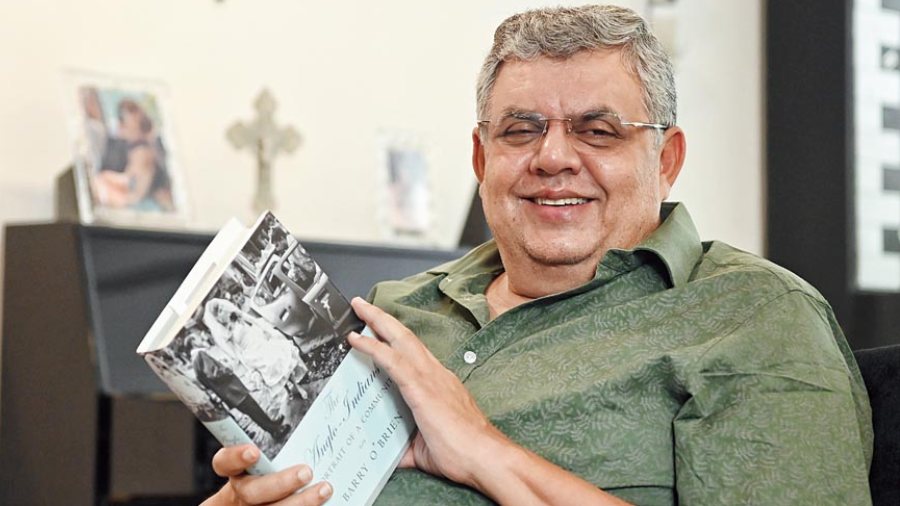
In contrast to popular narratives, Anglo-Indians faced marginalisation and ostracism from both Indians and Europeans. Although they once held many high positions during the British Raj, their social status began to decline after the Pitt’s India Act of 1784, which strengthened the British government’s control over the East India Company. The Act established a Board of Control to supervise the Company’s political affairs in India. Consequently, the position of Anglo-Indians and Eurasians within the colonial administrative and social order became increasingly constrained over time. By the late 1800s, this decline became more noticeable, especially after the opening of the Suez Canal, because earlier it took months to travel from Europe to the Indian subcontinent and vice versa, due to which women stayed back in Europe, and now it was made easier for larger numbers of Europeans to travel to India. Additionally, as noted by Barry O’Brien in his book The Anglo-Indians: Portrait of a Community, jobs that were once held by Anglo-Indians began to be reserved for Europeans, and wealthier members of the Indian society competed for the same.
While the 1911 Census used the term “Anglo-Indians” as an official designation for the community, it was the Government of India Act of 1935 which provided a formal statutory definition of an “Anglo-Indian” as a person whose father or another male progenitor in the male line was or had been of European descent but who was a native of India. This definition was further explained in great detail in the Government of India Act of 1935 and later included in Article 366(2) of the Constitution of India, which states: “An ‘Anglo-Indian’ means a person whose father or any of whose other male progenitors in the male line is or was of European descent but who is domiciled within the territory of India and is or was born within such territory of parents who habitually resided there and did not establish there for temporary purposes only.” (Legislation.gov.uk)
While August 2, 1935, marked the date on which the Government of India Act, 1935, received Royal Assent, the feeling of confusion that had settled in the minds of Anglo-Indians on the question of their identity and nationality pushed them into a dilemma of whether they should stay in India after the country attained independence or move out. Finally, in 1942, Anglo-Indian leader Frank Anthony, who was also a member of the Constituent Assembly, stated, “The more we love and are loyal to India, the more will India love and be loyal to us.” Hence, many of the Anglo-Indian families decided to stay in India. The Government of India Act, 1935, was passed in 1935 and came into effect in stages, with its principal provisions coming into operation in 1937. (Legislation.gov.uk)
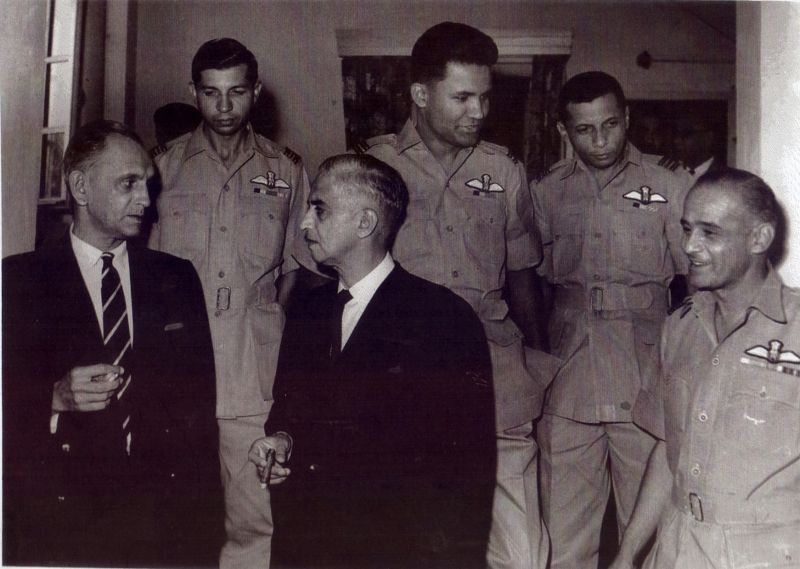
Although they were granted Indian citizenship, it remained uncertain if the popular masses truly accepted them as Indian. For example, in 2024, a video of Ruskin Bond demonstrated the open ostracism the community faced on a daily basis. He recounted a visit to the Konark Sun Temple where he was asked to pay extra money as an entry fee because the guard believed that he was a foreigner while a Punjabi man behind him with a British passport entered the temple for free. In contrast, Barry O’Brien mentioned at the Kolkata Literature Festival of 2023 that the community is portrayed as a sad and eternally impoverished community, while the original photograph of the community is not the same, as it is a jolly community.
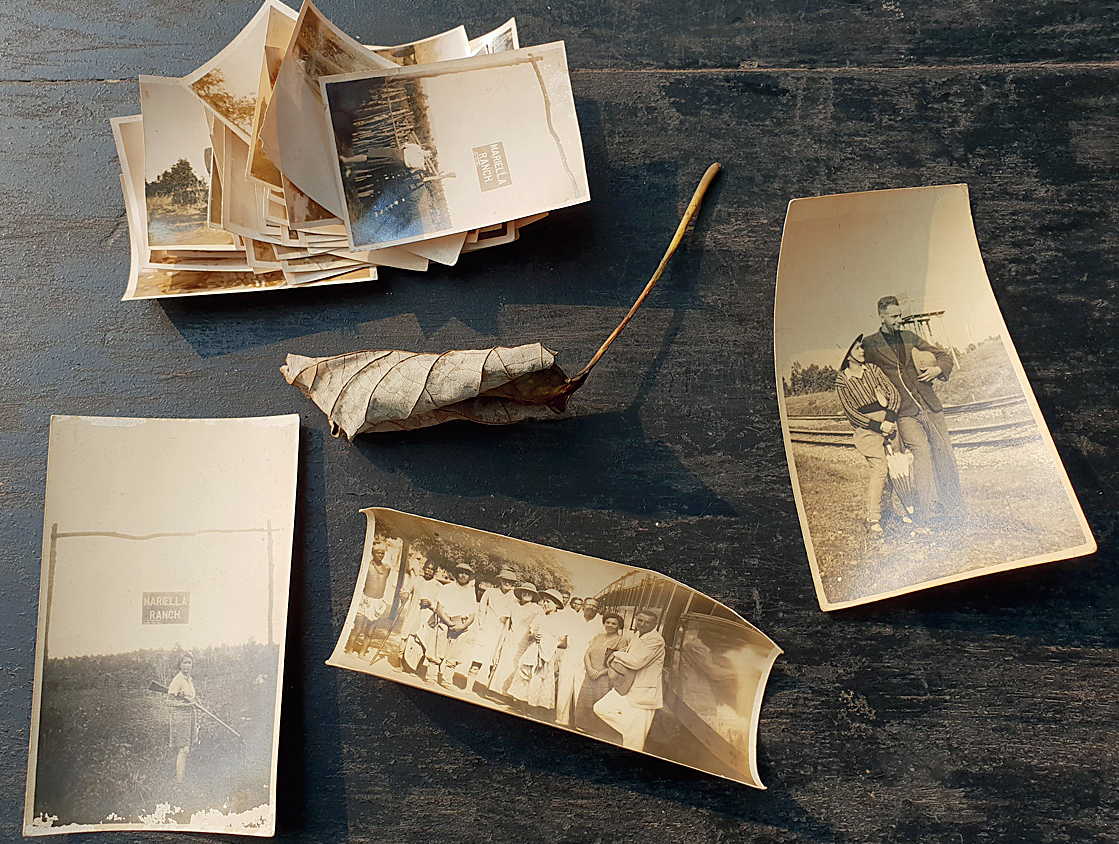
Somewhat similar is the story of the two well-known Anglo-Indian settlements: McCluskieganj and Bow Barracks. McCluskieganj, in Jharkhand, was created during British rule as a home for Anglo-Indians, envisioned as a sanctuary to preserve their culture and self-sufficiency. However, due to significant emigration at the time of independence and the constantly changing socio-economic conditions, this once-thriving town has largely become a quiet, semi-abandoned place filled with large bungalows and fading memories. In contrast, Bow Barracks in central Kolkata is a lively, close-knit area of old brick buildings that were originally built as a garrison mess during World War I. Despite facing urban challenges and a dwindling population, Bow Barracks comes to life, especially during the Christmas and the New Year celebrations when the family members who have been living abroad return to their home to spend time with their family and elder members of the neighbourhood.
A significant change occurred in January 2020 when the Anglo-Indian reserved seats in the Lok Sabha and state legislative assemblies of India were discontinued under the Constitution (104th Amendment) Act, 2019, which originated as the 126th Constitutional Amendment Bill of 2019. This removal of seats left the community without formal political representation in Parliament and state assemblies, taking away their legislative voice to protect and preserve their cultural and socio-economic needs. The government justified the discontinuation of the Anglo-Indian reserved seats based on demographic data from the 2011 Census, which was cited as recording only 296 people who identified themselves as Anglo-Indians. Lawmakers argued that keeping special political nominations for such a small group was no longer defensible. They also claimed that the community had successfully integrated into India’s socio-economic landscape over the past seventy years. These statements clearly display a conscious effort to de-legitimise the community’s identity and their cultural heritage. However, community leaders challenged this census figure, highlighting significant undercounts in states like Kerala and Tamil Nadu. In response to this sudden removal, which happened without prior consultation while other reservations were extended, the community and representative organisations like the All-India Anglo-Indian Association (AIAIA) expressed deep concern, disappointment, and widespread protest. As a dispersed urban minority without concentrated neighbourhoods, they felt unable to win elections independently. Therefore, removing these nominated seats left them completely unrepresented in Parliament and state assemblies for the first time since independence. It stripped them of the ability to advocate for their unique cultural, educational, and socio-economic interests. (Wikipedia)
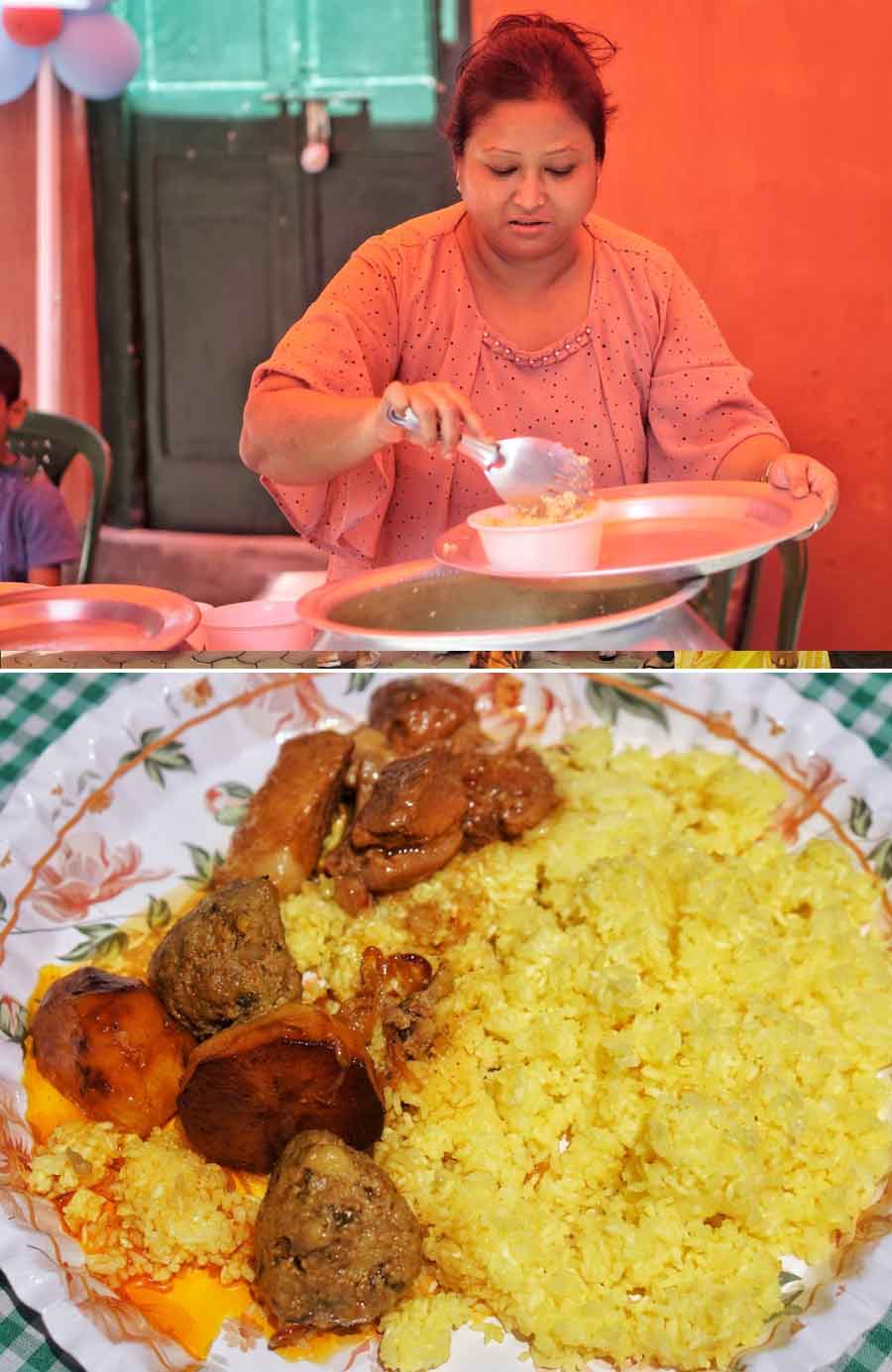
While there was the repeal of the reservation that was provided to Anglo-Indians under the Constitution when it came into force in January 1950, the other side of the story is the celebration of World Anglo-Indian Day, which is celebrated on August 02 each year and is marked in Kolkata with a mix of remembrance, cultural pride, and community events. Schools, churches, associations, and notable institutions across the city hold special services, prayer meetings, and choir performances that feature traditional hymns. Events often include multimedia presentations showcasing the community’s significant historical contributions to India’s railways, defence, education, and social work, along with cultural programs where members display traditional music, dance, and attire. Community gathering spots like Bow Barracks and local societies host lively food festivals where Anglo-Indians and the broader public come together to celebrate their unique identity by sharing signature dishes like yellow rice, ball curry, and savoury roasts.
Anglo-Indians, therefore, represent one small aspect of Kolkata and India in general, i.e., its plurality. The kaleidoscopic nature of the country is being constantly threatened by a government that is trying to undermine the pluralities in exchange for a homogeneous Hindu identity through educational and political reforms. Such identities are not based on fraternity, on which the nation was constructed; rather, they indicate a move towards hatred and violence. Anglo-Indians remain one such community who continue to suffer at the hands of such fascist regimes.