“A critical piece of writing is always lapped up; something praised enveloped in tenor, looked with slight suspicion about ulterior motives. That is the Post Truth Reality.”
Some praise needs no explaining. This piece is small truth-telling — about a school and the quiet ways it shaped lives.
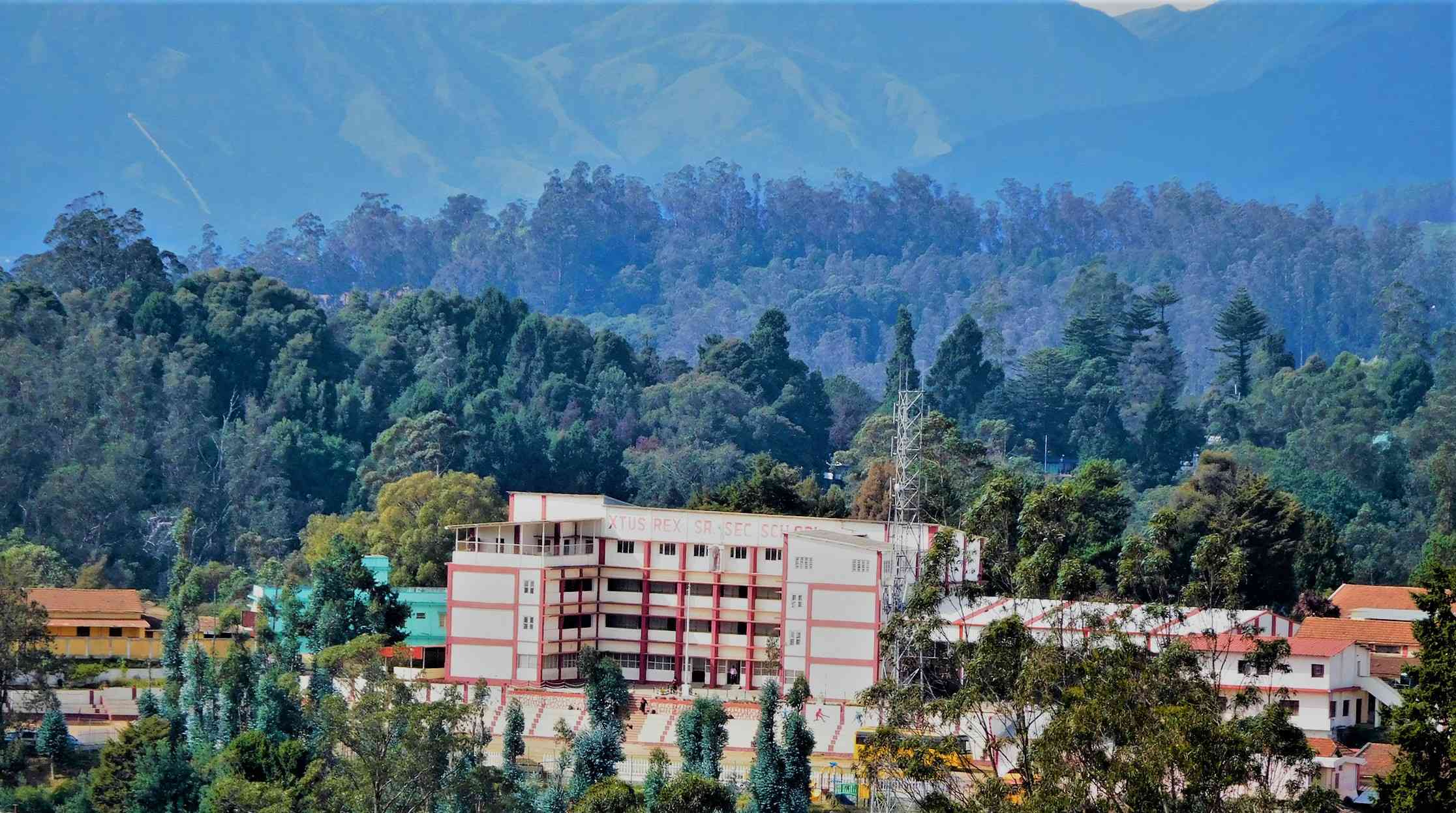
Growing up in the 1980s meant different things to different people. For me, it meant blazers drying in the sun, the scent of mist on the grass, and the nervous hush of morning assembly. Christus Rex Senior Secondary School sits among the blue hills and small hill-stations — a school that was tucked away unassumingly, among tall trees, the hard weather, the chill, and the terrain of the surreal Blue Mountains in the South of India.
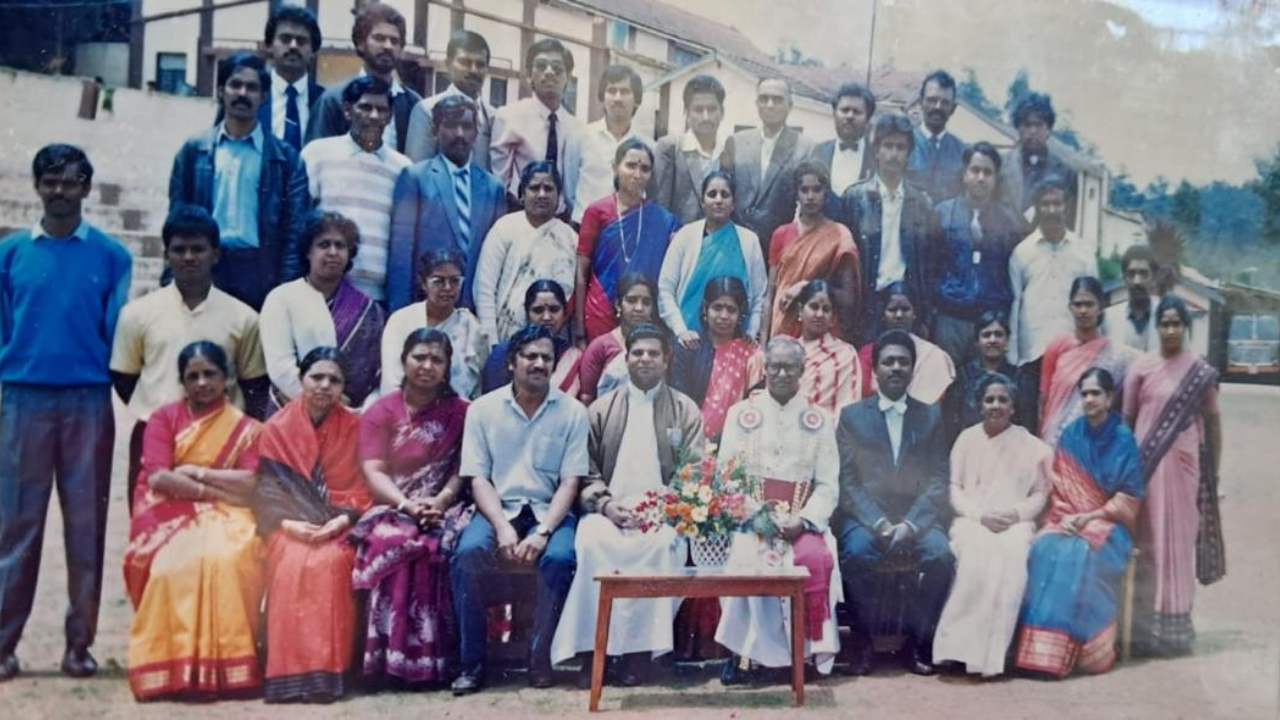
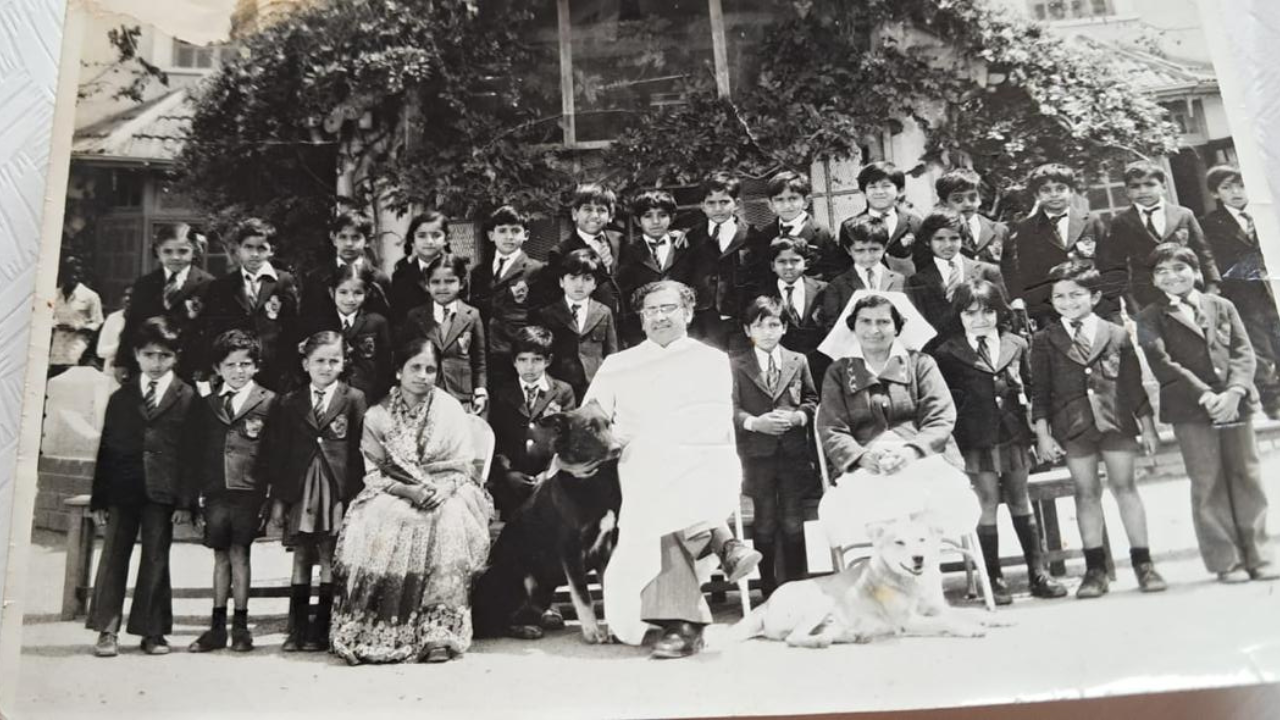
I was a day scholar in primary classes. This year, Rex turns fifty. The school was never showy. It is one without the flamboyance of commercialism or the vulgarity of richness reeking out of its advertised features. It offered instead a quiet, steady promise — an education that was calm, uncomplicated, and rooted in daily practice.
The school began simply. Christus Rex Senior Secondary School was bought from the Maharaja of Mysore, whose Summer house it once served as. From a single residence and a block of classrooms, it grew into a campus threaded with routines: chapel, dormitories, a broad ground, and the odd concrete building that became home to learning. Unlike some hill schools that wear colonial spectacles, Rex kept its face to the hills and to the small tasks of daily life.
We sang the school song with more heart than understanding: “High in the Hills where the cool mist spreads, Rex School proudly stands…” That chorus and the trembling voices of Standards I and II are what stay with me — tiny children trying to match the grown-up rhythm of ritual.
Rex never had teachers or mentors. It had love disguised in kaleidoscopes that got handed over to us during admission.
Fr. Mathew Kottaram — cassocky, imposing, whose stride meant order. Joe — guitar in hand, a swagger that taught confidence. John — the calm mathematician, precise and patient. Janet — a gentle smile that steadied the day. Prem — the humour box with a ready whistle, who made us laugh even in drills. Margaret — composed, a steady shoulder for frightened pupils. Rita — strict and clear, whose look kept discipline honest.
Rex was a cocoon and a stage. This cocooning environment that cared for us as Rexians insulated the sombre atmospheric chill with a homegrown warmth. Boarders learned to miss home a little less because dorm life had its own rhythms: Chaechis fussing, evening lights, the smell of hot food, joy of sharing tucks, and the bullying. Day-scholars learnt the small trade — secret purchases from Radha-kka outside the gate were a rite of passage.
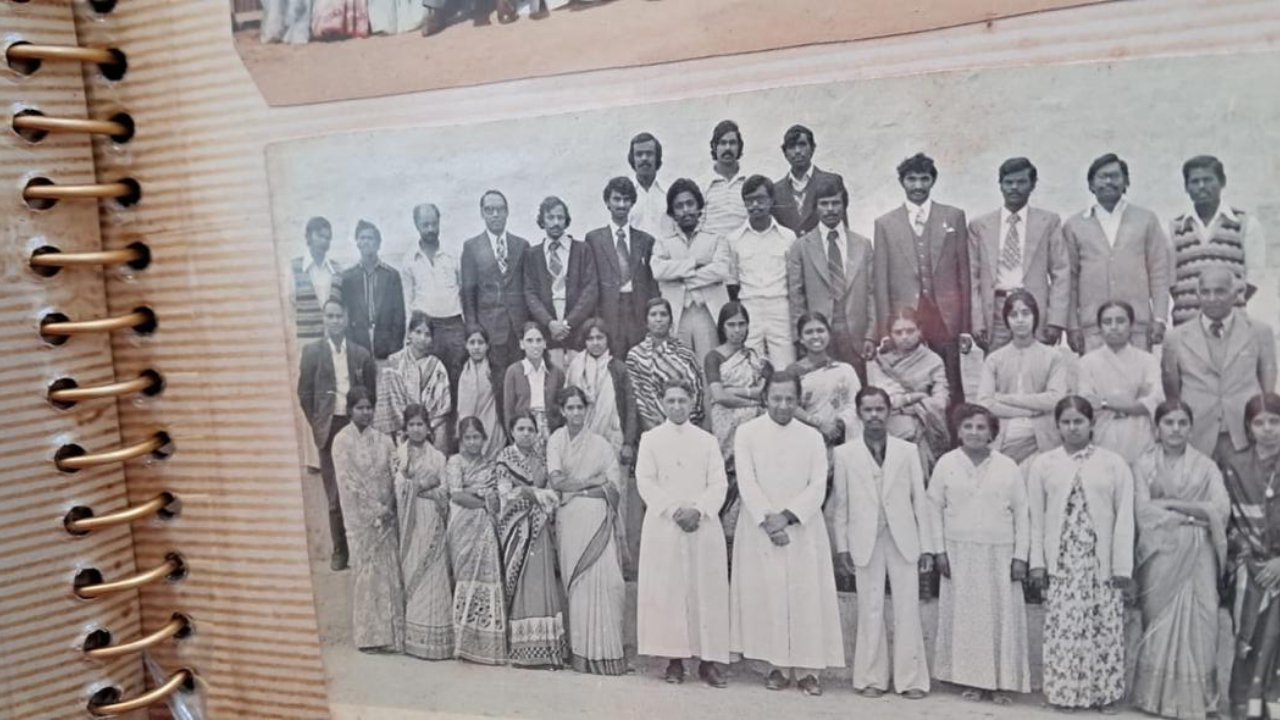
Small moments stand tall. I remember the first computer brought into assembly — hard, bold, heavy, and intriguing — and how it made us feel that the world beyond the campus was suddenly larger and stranger. I remember Sheela Miss bringing the fruit, dates, to class and telling us about deserts; I remember Rasheen Chettan (later actor Rahman) in his pupil-leader gown; little shocks of awe that felt enormous then.
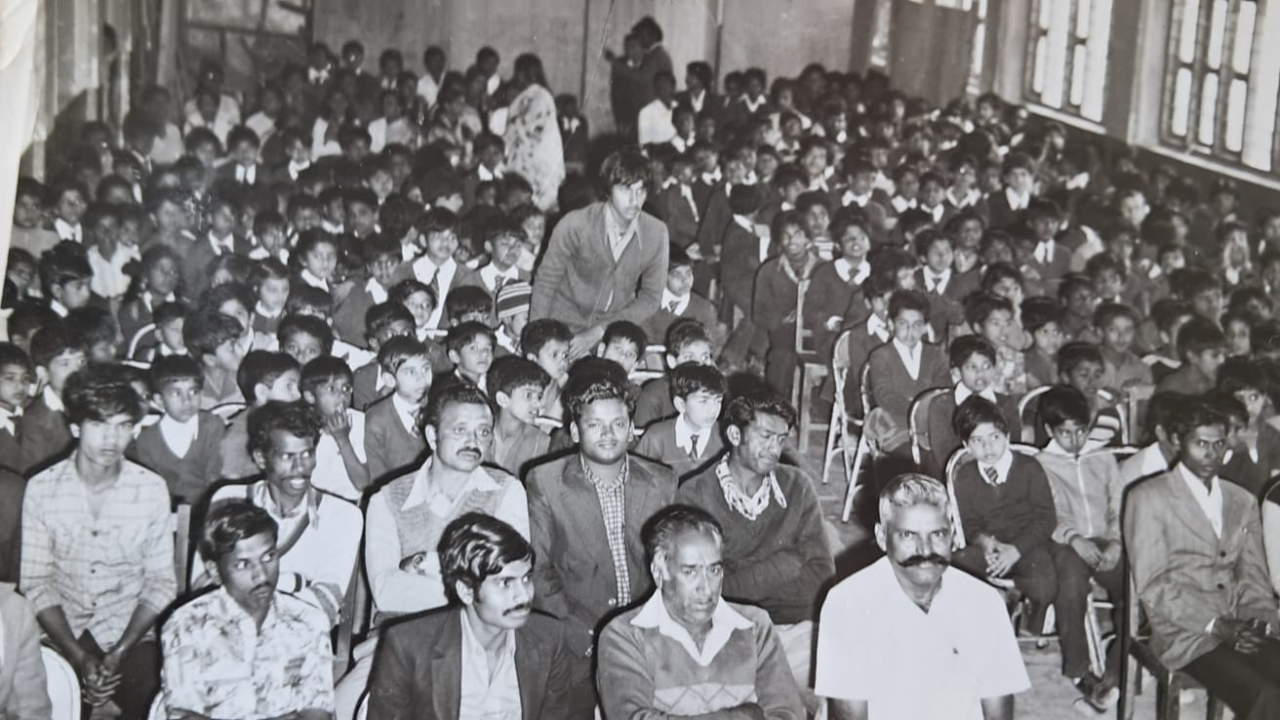
Home and school braided together. My mother, a teacher, carried Rex with her in the way she worked: her cultural programmes for interschool competitions at the Stadium, her Stationery distribution, her tuitions, those tasks meant she was everywhere at once. Rex was not only another institution; it was part of family life.
Rex taught habits more than slogans. Selfless, original, respectful beyond whims, genuine and brave — are not lofty phrases here; they are small daily moves: standing when the hymn played, helping without praise, showing up. These lessons now feel ironically outdated for the new world, but they sit in us quietly, as muscle memory.
If anyone’s name is missed out in the recollection…they would understand and not register a cribbing complaint. That’s Rex for you. That forgiving spirit — of memory and community — is the school’s warmest legacy.
Now, fifty years on, old students return. They walk the ground, hum the song, look at teachers who seem smaller in their frames but monumental in memory — and for a while, men become boys again. As for me, I only want to join Rex on that practical evening walk with a flask of tea and a cap in hand and celebrate by writing about goodnesses lost when the last century was lost.
Rex is not simply where we studied. It is a feeling — a phenomenon…an idea. It holds an old-school authenticity that the new world, loud and advertisement-driven, rarely knows. To say more would steal the charm of a slow, soft age — that was not media-looted, world tutored.
So I leave it at this: Rex is a promise kept in small daily acts. It is the quiet house of our younger selves. Fifty years in, the school has not only survived — it continues to give shape to the ordinary goodness we still carry.