

China’s $100 Million Gaza Gambit: Beijing’s Calculated Strike at Western Primacy


Chinese President Xi Jinping’s 4 December 2025 pledge of $100 million in humanitarian aid to Palestine is far more than a charitable gesture—it is a calibrated geopolitical move designed to reshape the regional order while exposing the strategic vulnerabilities of both Washington and New Delhi. Announced alongside French President Emmanuel Macron, the commitment marks Beijing’s transition from economic partner to political arbiter in one of the Arab world’s most volatile arenas.
A Dual-Track Strategy
The structure of the aid programme underscores Beijing’s adept use of hybrid influence. By routing funds through established UN channels, Egyptian corridors, and Jordanian operational networks, China casts itself as a responsible actor while avoiding the political constraints that often hinder Western donors. The approach simultaneously provides immediate humanitarian relief and secures privileged access for Chinese firms in Gaza’s future reconstruction—an approach honed across Belt and Road Initiative projects, where emergency assistance frequently evolves into long-term economic entrenchment.
Palestinian Authority President Mahmoud Abbas’s swift letter of gratitude illustrates the political return on Beijing’s investment. Unlike Western aid—typically burdened with governance conditions or tied to Israeli security coordination—China’s support arrives with minimal political caveats, amplifying its symbolic value among Arab publics increasingly disillusioned with what they perceive as Western hypocrisy on Gaza.
The Collapse of American Strategic Credibility
China’s Gaza move exploits a long-standing contradiction at the heart of US Middle East policy—one Beijing has systematically weaponised. While the United States maintains extensive military infrastructure across the region, those very assets stoke anti-American sentiment that China converts into diplomatic capital through targeted media framing portraying Washington as an unreliable actor prioritising Israeli interests over Arab security.
Polling trends crystallise this shift: in Tunisia, Chinese favourability rose from 70% to 75% after October 2023, while US approval plunged from 40% to 10%, reflecting a dramatic realignment of public sentiment. This perception gap now translates into measurable strategic decline. The 2025 Asia Power Index recorded China’s diplomatic influence at the highest level ever documented, while US scores fell to historic lows—evidence of Beijing’s patient strategy of economic engagement paired with non-interventionist rhetoric.
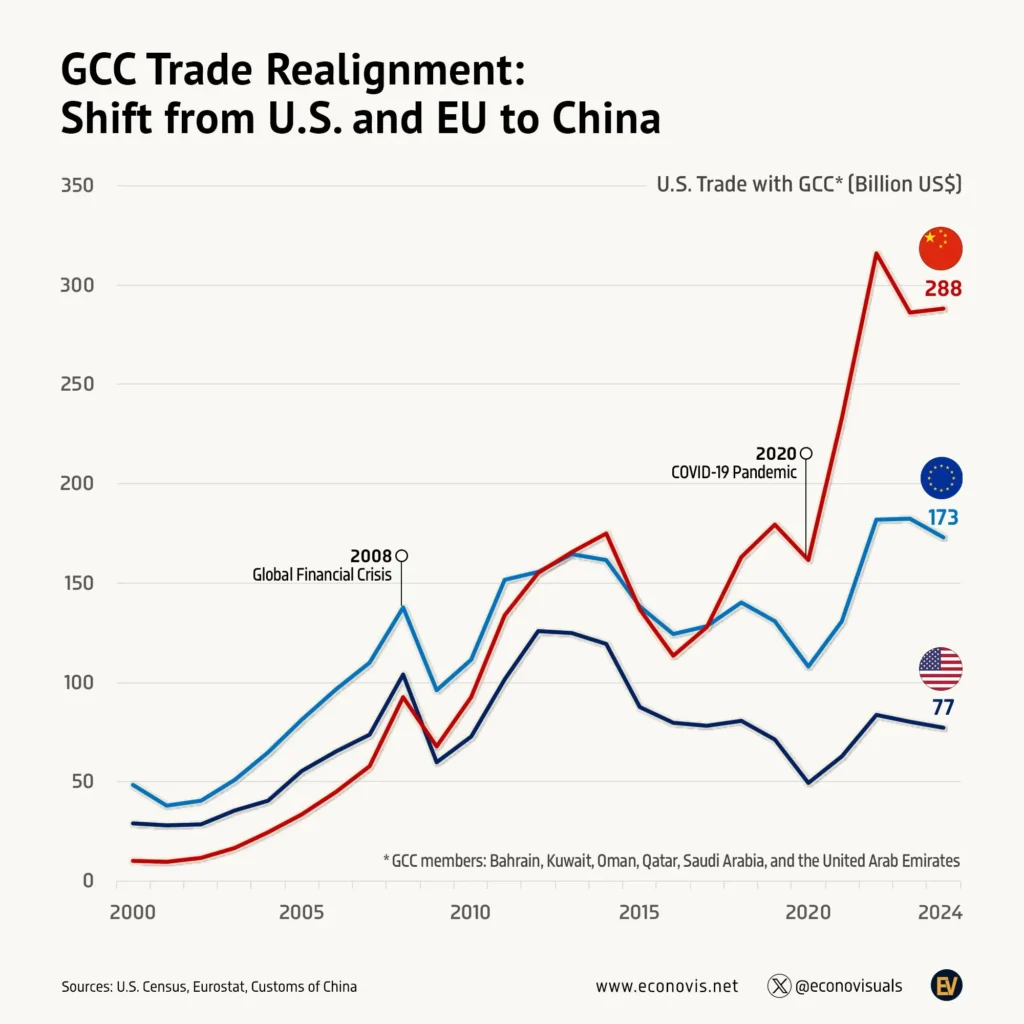
Economic gravity reinforces these dynamics. Chinese trade with Gulf states has reached $163 billion, with energy investments exceeding $72 billion—creating strategic dependencies that make regional governments increasingly reluctant to align with US-led frameworks.
Beijing’s successful mediation of the 2023 Saudi-Iran rapprochement further demonstrated its capacity to deliver diplomatic outcomes where American leverage has eroded. Each successful intervention strengthens the narrative of Chinese pragmatism versus Western interventionism, gradually weakening the post-1945 security architecture that sustained US regional dominance.
India’s Strategic Incoherence
India’s hesitant and contradictory response to the Gaza crisis exposes the limitations of its much-touted “multi-alignment” doctrine when confronted with conflicts demanding moral clarity. New Delhi’s attempt to balance declarations of support for Palestinian statehood with deepening defence cooperation with Israel satisfies neither side. Arab publics view India as complicit in Gaza’s destruction, while Israeli policymakers see Indian support as transactional rather than principled.
The contrast with Beijing is stark. With a relatively modest humanitarian commitment, China has bought political goodwill at a fraction of the cost India invests in bilateral relationships—yet New Delhi gains neither strategic leverage nor diplomatic momentum. Despite relying on the Middle East for nearly 54% of its crude oil imports, India has failed to convert this dependence into political capital—a failure that stands in sharp contrast to Beijing’s ability to transform trade into strategic influence.
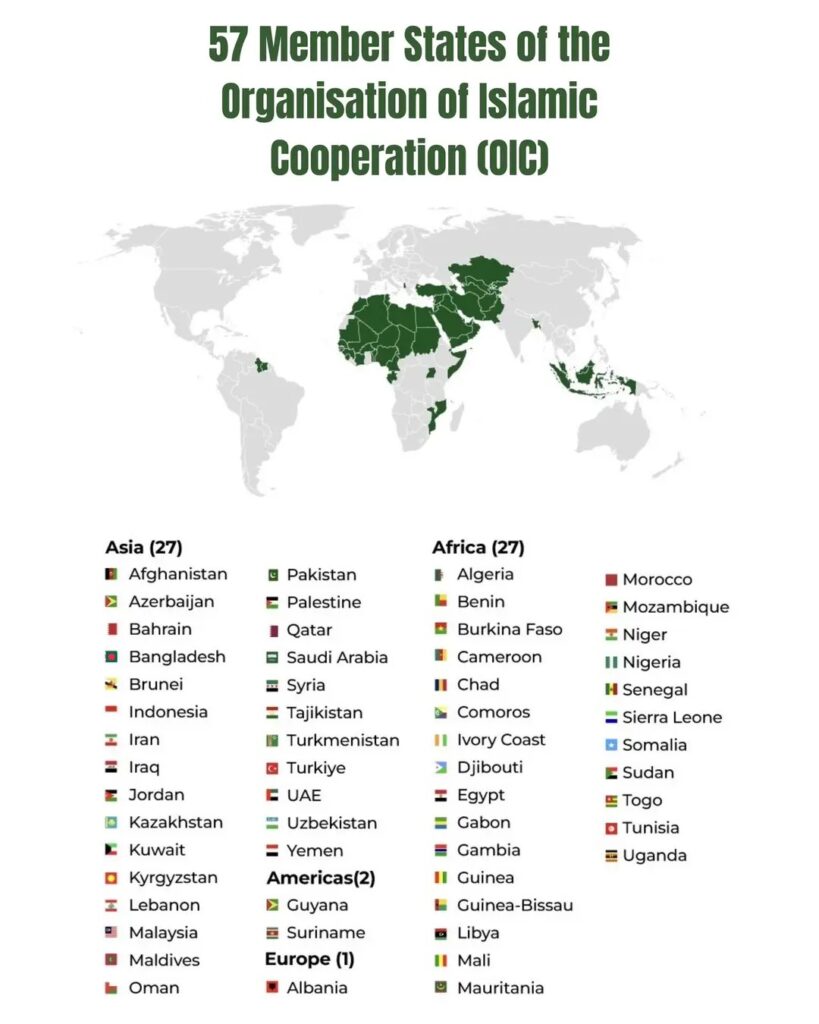
India’s exclusion from the Organisation of Islamic Cooperation, reinforced by Pakistan’s lobbying, further restricts its diplomatic bandwidth. This exclusion denies New Delhi a multilateral platform to shape narratives on Palestine, leaving it limited to bilateral engagements lacking the symbolic resonance of China’s pan-Arab messaging.
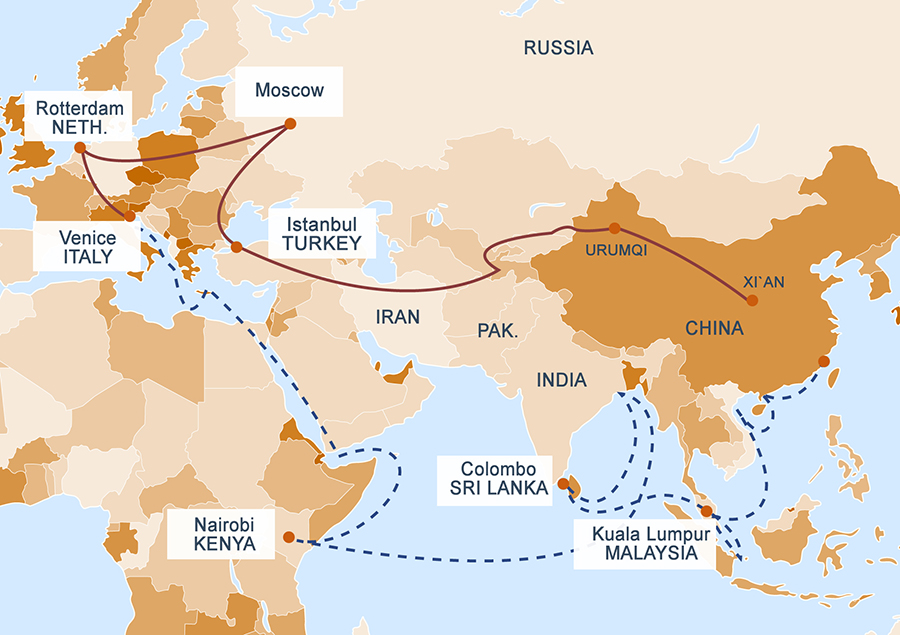
Compounding this challenge is India’s institutional weakness in proactive mediation. While China brokers reconciliations and positions itself for Gaza’s reconstruction, India clings to pre-war assumptions increasingly divorced from the region’s evolving power realities. Beijing’s Belt and Road Initiative is steadily outmanoeuvring India’s International North-South Transport Corridor and the India-Middle East-Europe Economic Corridor—offering concrete infrastructure rather than aspirational connectivity.
A Shifting Regional Centre of Gravity
The trajectory is unmistakable: through economic statecraft fused with carefully calibrated humanitarian diplomacy, China is consolidating influence in a region where US military primacy and India’s aspirational diplomacy are losing relevance. The Middle East is moving—incrementally but decisively—towards a Beijing-centred model defined by pragmatism, non-intervention, and transactional stability.









This is international political analysis at its best – unique and brilliant. Thank you The Aidem and always a pleasure to read and follow Ms Sarin .