

Excessive Rain, Severe Frost, Intense Drought: The Extremes Nilgiri Farmers Suffer Due to Climate Change

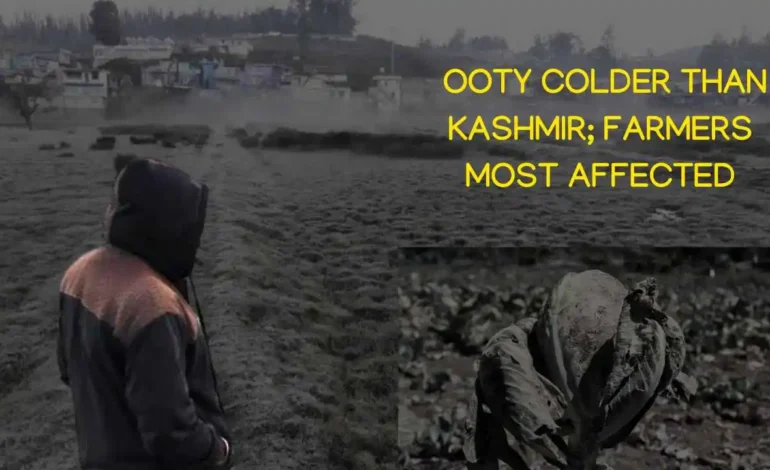
In recent times, it is clearly visible that the Nilgiris is experiencing excessive rainfall during the rainy season, severe frost during winter, and intense drought during summer due to climate change. As a result, agriculture in this region has been affected, and farmers are struggling to sustain their livelihoods.
The Nilgiris is surrounded by areas of lush green forests with water bodies such as Avalanche, Upper Bhavani, Pykara, and Mukurthi. Although these hills attract tourists, the environmental problems faced by this “Queen of Hills” are not widely known in the public domain.
During the British period, shola forests were destroyed to establish tea plantations. Subsequently, grasslands were also destroyed in the process. Illegal construction of buildings and resorts in forest areas during the past decades has severely damaged the environment and contributed to climate change. As a result, rainfall patterns in these regions have become irregular and unpredictable. At times, extremely heavy rainfall leads to sudden floods and landslides. Similarly, the impacts of frost and drought are immense and indescribable.
Due to this, Indigenous Tribal communities such as the Bettakurumba, Alu Kurumba, Mullakurumba, Paniya, Kattunayakan, Toda, Kota, and Irula, along with other communities including the Badagas, are being severely affected.
In the Nilgiris, it is customary to receive about 800 mm of rainfall during the Southwest Monsoon (July to September) and 400 mm during the Northeast Monsoon (October to November), spread over a period of around 120 days. However, in recent years, the monsoon rains are being received within just a few days.
In 2019, Avalanche recorded more than 900 mm of rainfall within 24 hours in a single day. In 2022, the region received a maximum of 1859.6 mm of rainfall over 124 days, the highest in the past 40 years.
During the Northeast Monsoon, heavy rains caused major landslides in the Nilgiris in 1998, 2001, 2006, and 2009. Residents point out that landslides also occurred in the Coonoor region due to heavy rains in October last year and January this year.
“Due to heavy rainfall in a single day in 2022 at a place called Balada in Ooty, floods occurred. As a result, mud was deposited on agricultural lands. This caused the soil to lose its fertility. Stones and debris carried by the flood accumulated on farmlands. Because of this, agricultural lands have been damaged and crop yields have decreased,” says Bharat, a farmer from Balada.
Similarly, temperatures have been steadily increasing. In April, temperatures in the Nilgiris usually range from 15°C to 25°C. In April 2024, daytime temperatures reached 29°C, while nighttime temperatures ranged between 11°C and 13°C. In 2025, daytime temperatures ranged from 23°C to 25°C and nighttime temperatures from 11°C to 13°C. In 2026, daytime temperatures ranged from 18°C to 25°C, while nighttime temperatures ranged from 11°C to 16°C.
Residents say that as the daytime temperatures increase, the intensity of frost at night is also increasing.
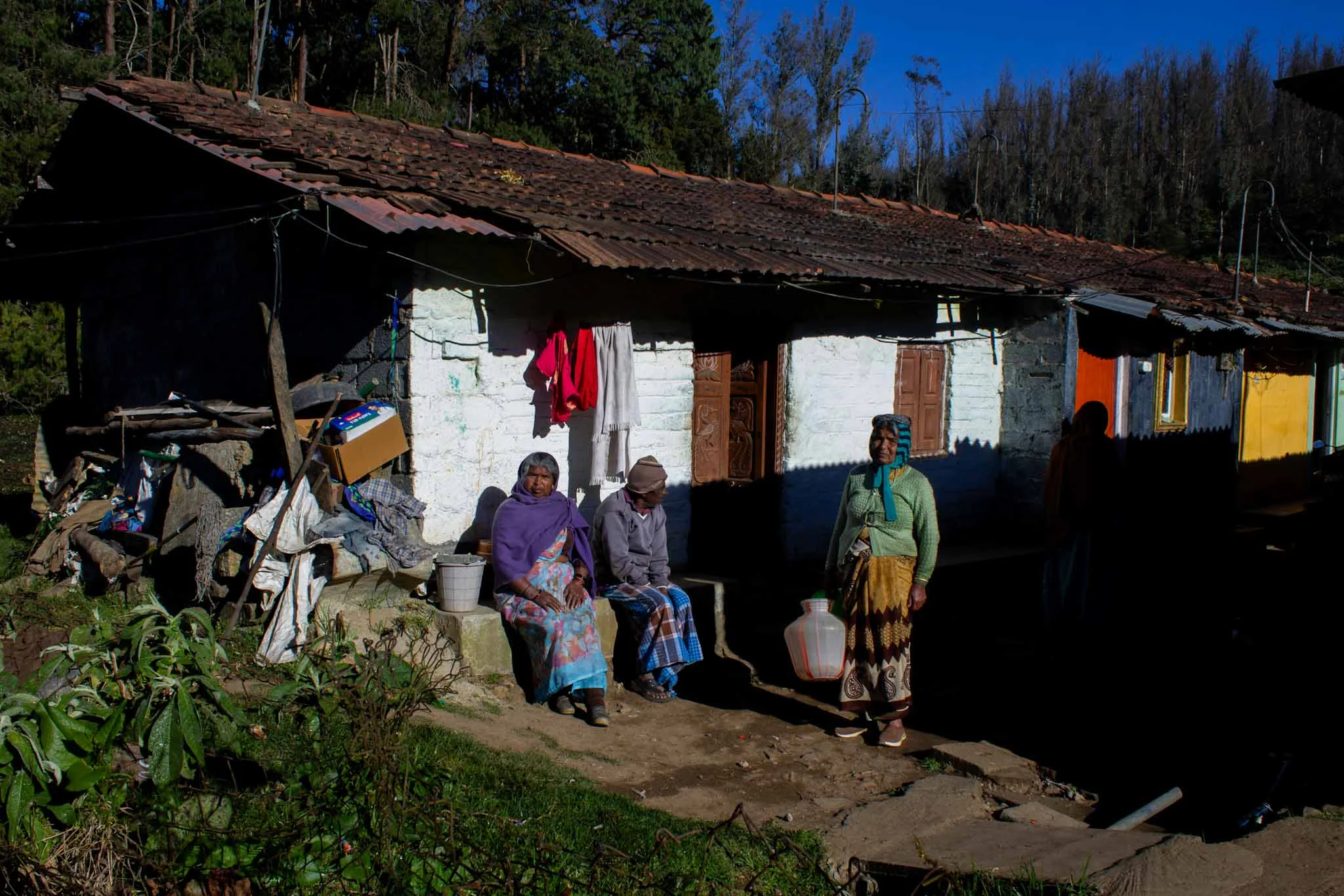
“Frost falls from 2 a.m. to 5 a.m. It has been particularly severe this year. In our tin-roofed houses, we sleep wearing woollen clothes and covering ourselves with up to two blankets to protect ourselves from the extreme cold.”
Statistics show that during December–January 2023–24, daytime temperatures ranged from 16°C to 23°C and nighttime temperatures from 5°C to 10°C. In 2024–25, during the same period, daytime temperatures ranged from 20°C to 22°C and nighttime temperatures from 9°C to 11°C. In 2025–26, daytime temperatures remained between 20°C and 22°C, while nighttime temperatures dropped to as low as -3°C.
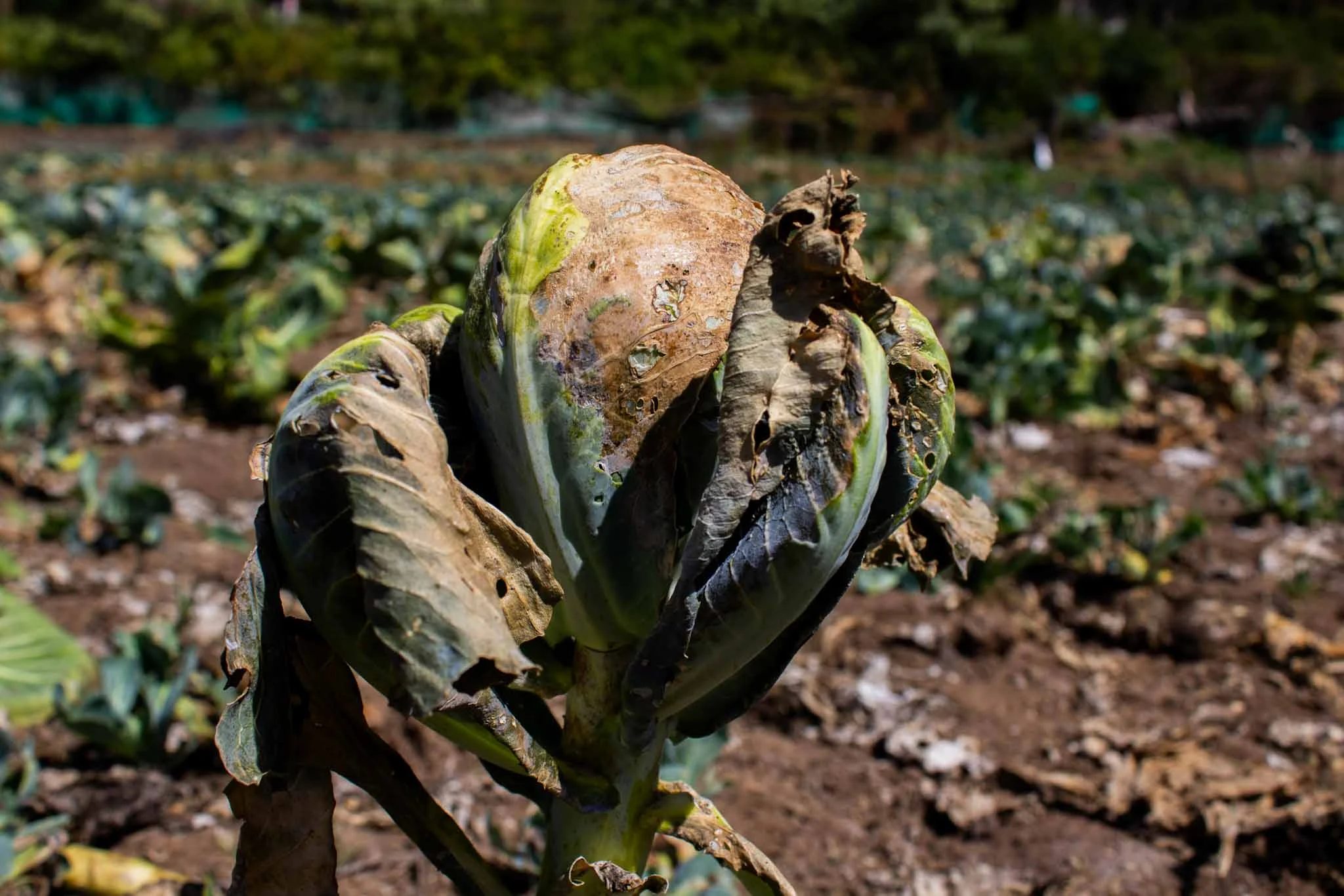
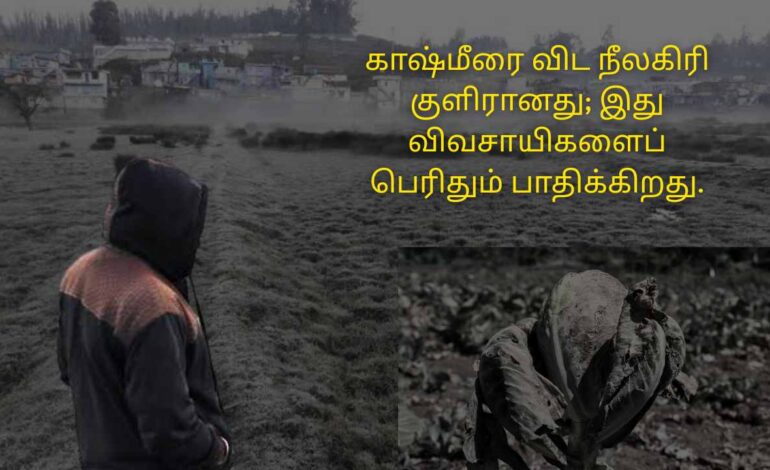
Farmers in the Nilgiris say that frost in December 2025 affected agriculture in the region. Agriculture is the primary occupation in this hill region. Major crops include carrot, beetroot, cabbage, garlic, and potato. Due to frost, potato and cabbage production has been severely affected this year. In low-lying valley areas where sunlight does not reach easily, crops like potato and cabbage were damaged by frost, causing significant financial losses to farmers. Higher altitude areas were less affected.
“This year’s frost has destroyed our farming,” says Kannan (48), a farmer from Finger Post. He showed with distress how cabbage leaves in his field had been scorched by frost.
Farmers cultivating carrots usually harvest between 2 a.m. and 5 a.m. to maintain quality and fetch good market prices. However, due to severe frost, it has not been possible to harvest carrots at the right time.
“In situations where frost intensifies due to snowfall in the Nilgiris and surrounding areas, the land’s fertility is severely affected, which poses a major threat to agriculture,” says Nandakishore (28) from the Hindustan Photo Film Factory area.
Residents also point out that during the severe drought period of 2016–17, rising temperatures delayed frost formation.
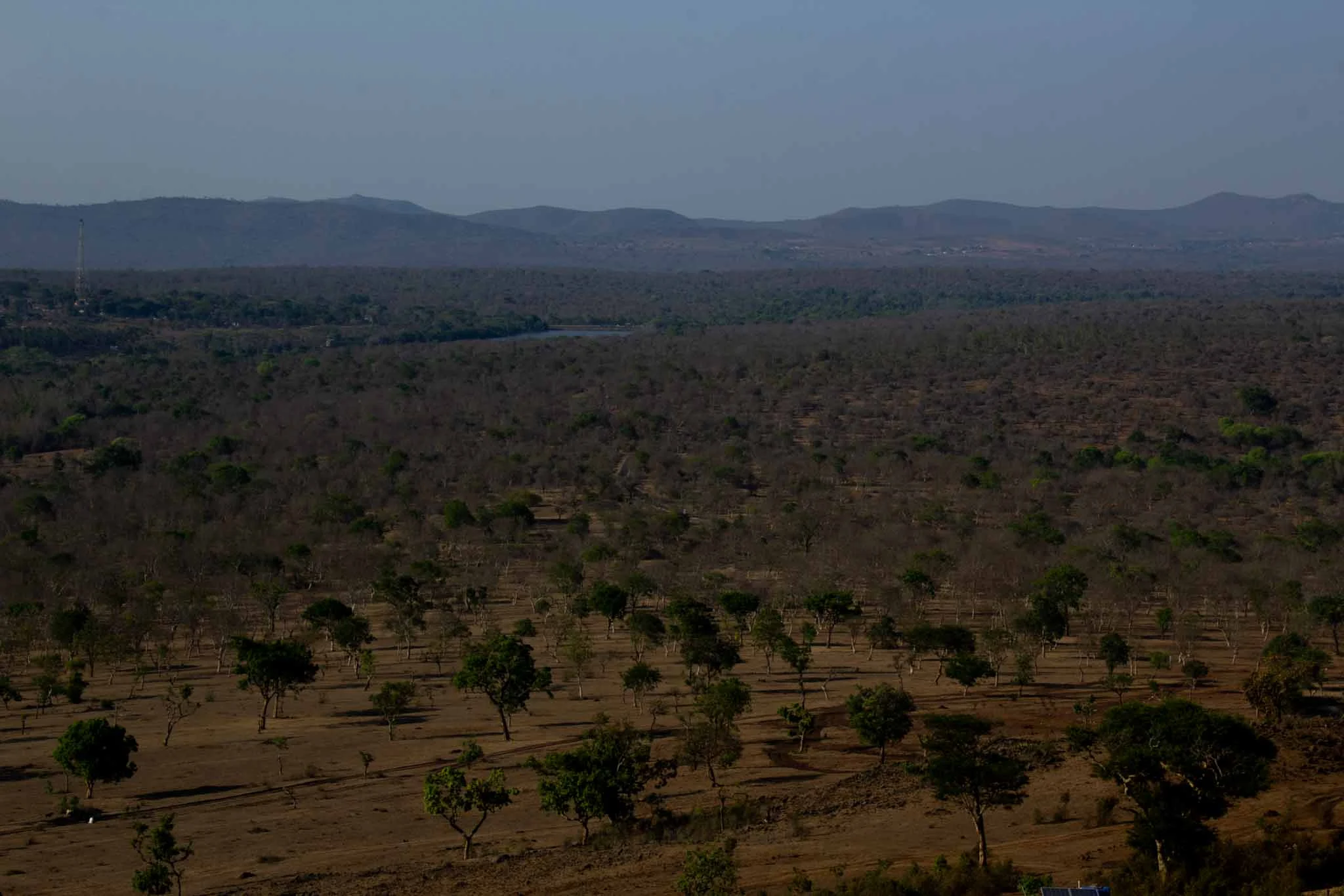
Following frost, the biggest issue faced by the Nilgiris district is drought. From March to May 2024, temperatures reached an unprecedented 29°C. Masinagudi recorded 31.3°C. Due to this, water bodies dried up. Areas like Mudumalai and Masinagudi, once lush with forests and wildlife, appeared dry, as if covered in yellow and brown sheets.
In 2024, farmers ploughed their lands and waited for rain to sow seeds. However, due to drought, water inflow into major dams such as Kundah and Porthiyada decreased, leaving agricultural lands barren and uncultivable.
“Even if farmland is located near the dam, water is not available for agriculture. Pumping water using motors is expensive. Some farmers take loans and struggle to repay them. As a result, many have stopped farming altogether,” says Dhanush, a farmer from the region.
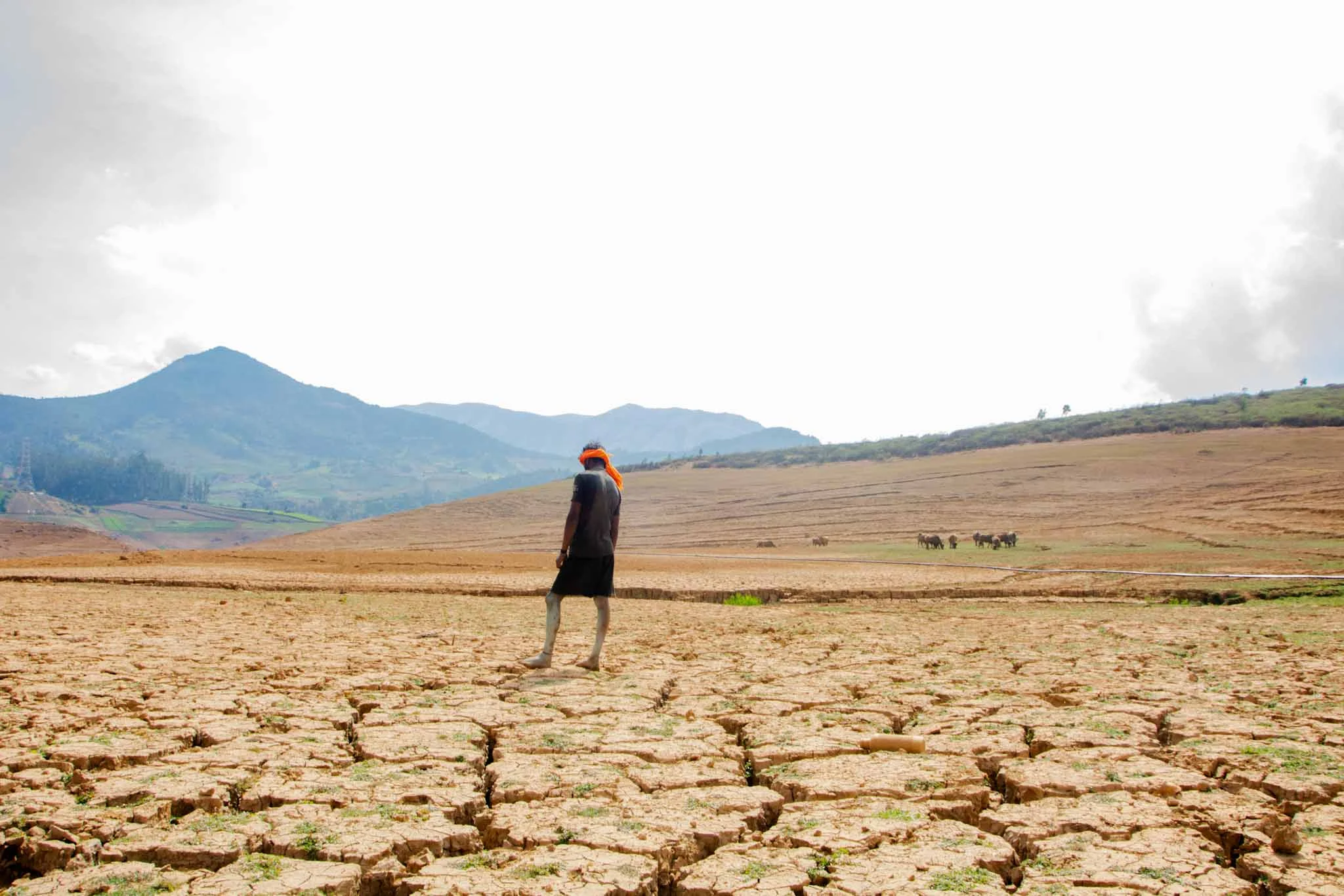
During drought, water in forest lakes decreased, forcing wild animals to migrate from forests to villages in search of drinking water and food. Spotted deer, which usually flee upon seeing humans even from 100 metres away, were seen entering human settlements in search of water.
Elephants have begun breaking into ration shops at night and consuming rice and other food items. Due to elephants entering villages in search of food, people are living in fear even at night.
Residents of Bokkapuram say that up to 10 cattle died due to drought. In Masinagudi and surrounding areas, cattle deaths have been high. Some livestock in poor health had to be sold at low prices. Such incidents have become common during drought periods.
Bokkapuram village depends on a small stream flowing from the hills as its main water source. With no water in the stream, people dig pits in the riverbed to collect small amounts of spring water for bathing and washing clothes. “When water does not come through pipes, we are forced to buy water from the Masinagudi river,” say villagers.
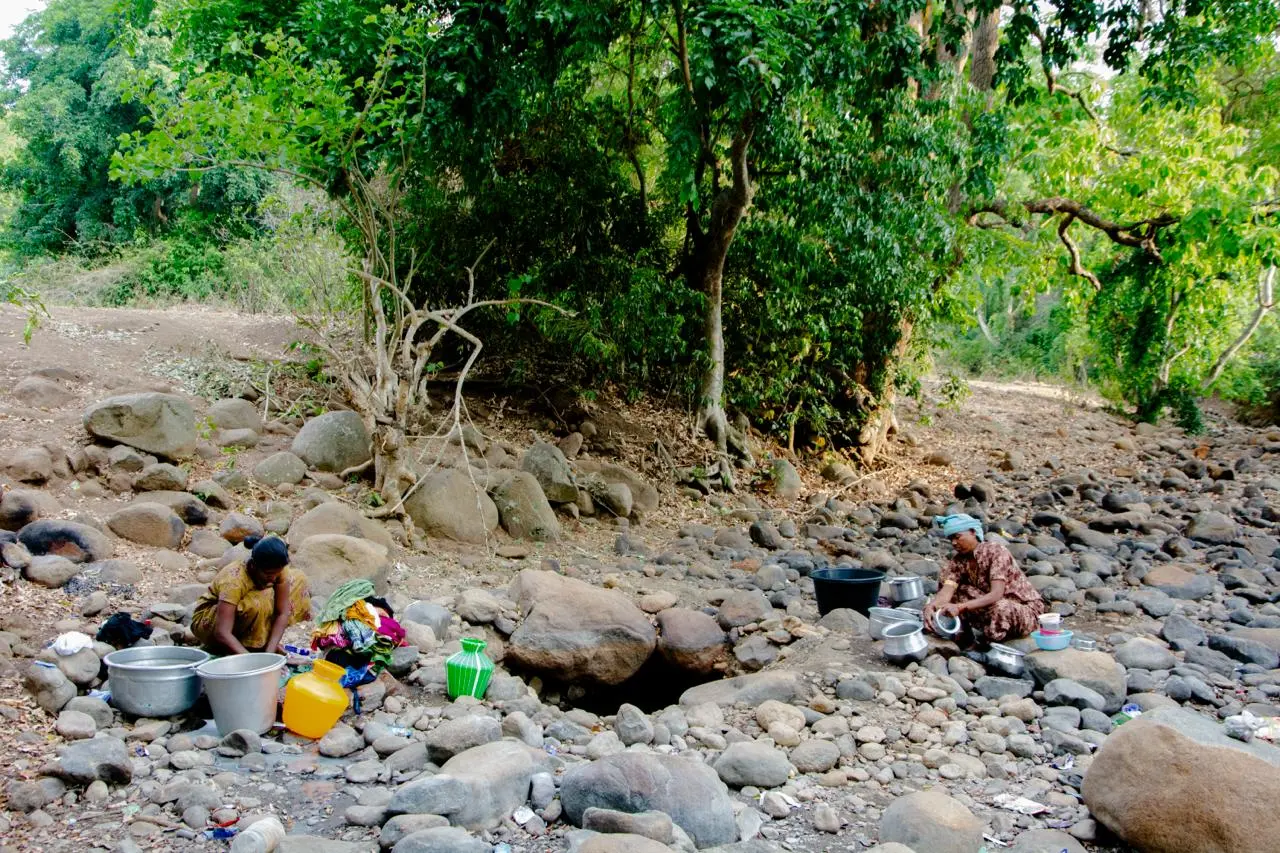
“Every year, temperatures are increasing in the Nilgiris. Water levels in major dams like Emerald and Avalanche are continuously decreasing. Currently, digging borewells for drinking water is not permitted anywhere around the Nilgiris. Even those with existing borewells are not getting sufficient groundwater,” says Bharat from Balada.
Due to drought, agriculture and grazing are affected from March to mid-May, forcing many people to depend on employment under the hundred-day work scheme for their livelihood.
“The Nilgiris is part of the Western Ghats, surrounded by shola forests. During the British period, these forests were destroyed for tea plantations. The exotic trees planted in plantations absorb large amounts of groundwater, reducing water flow from shola forests. As a result, drought has begun to affect areas dependent on these forests. Furthermore, global warming has intensified frost, causing major damage,” says environmental activist Karthik Gunasekaran, founder of Aram Thinai.
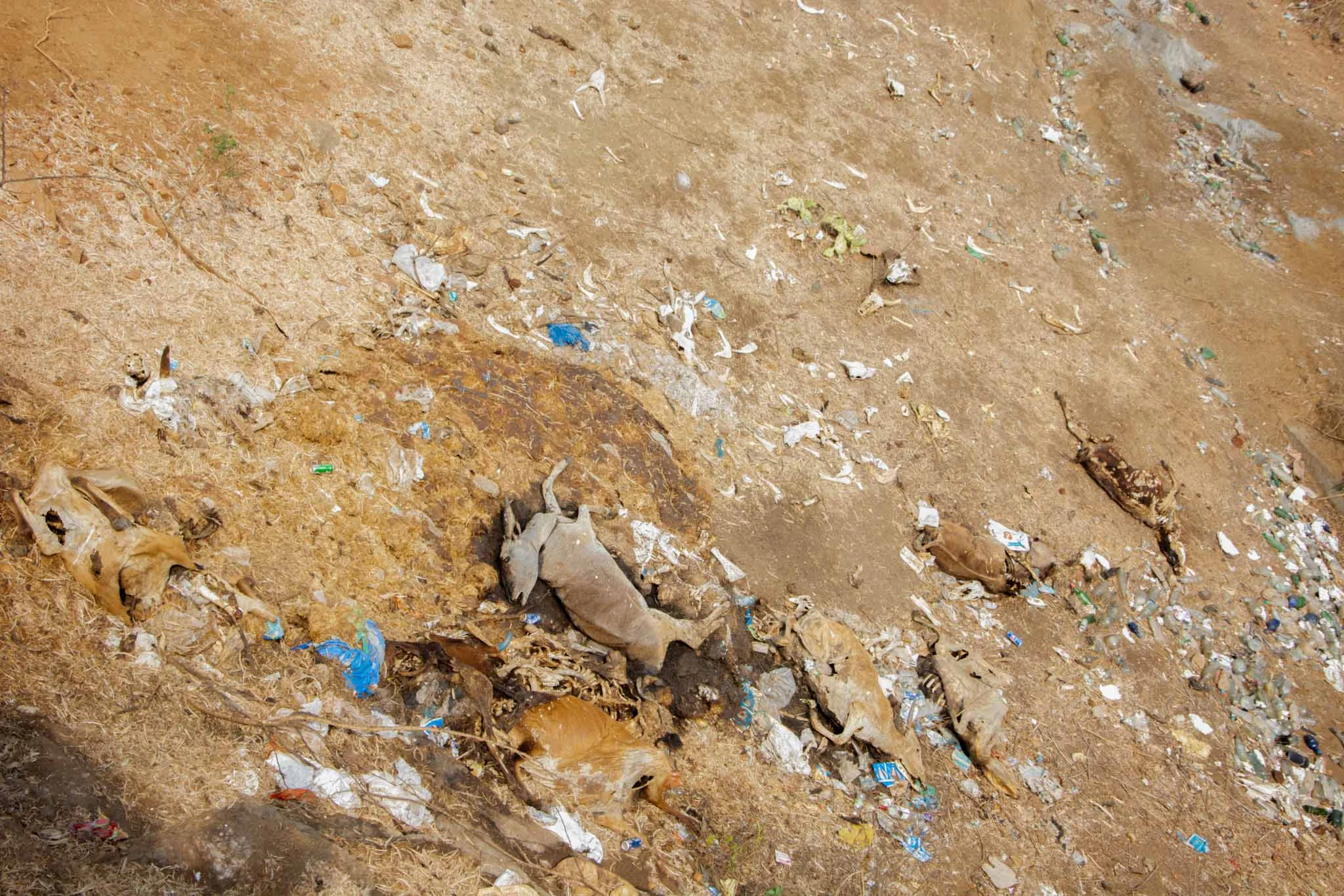
Irregular heavy rainfall, severe frost, and intense drought not only affect agriculture but also damage the unique ecology of the Nilgiris. As a result, farmers dependent on agriculture are facing severe hardships.
“Unrestrained consumerism as a way of life and the reckless exploitation of resources are the main enemies of the environment,” said Fidel Castro. The impact of these enemies has led to global warming and climate change, which are now affecting the Nilgiris. This is the present reality. It is time to act without delay to protect the biodiversity of the Nilgiris region.









“A powerful piece highlighting the harsh realities of climate change and the urgent need to support vulnerable farmers facing these extreme conditions.”
Though it’s an engaging read, don’t you think a few points seem overstated? Ooty has always had such patterns, but when it comes to man-made disasters, I question whether climate change is really the primary cause.