From Gaza to the Panchatantra: Stories of Empathy in Times of War


War announces itself through statistics and slogans; suffering arrives as silence. When bombs speak louder than conscience, what remains for those armed only with words? “Empathy,” fragile yet enduring, has always been humanity’s quiet resistance. From ancient fables to fireside tales, storytellers have stepped in where power fails—offering not solutions, but sight. Nalin Verma travels from Gaza’s ruins to the moral universe of the Panchatantra, arguing that cruelty is never new, but neither is compassion. “When history brutalises the present,” stories remind us how to endure, imagine, and remain human—especially when being human is hardest.
One wonders how a storyteller can provide relief to the children, women, and men of Gaza and other strife-torn parts of the world.
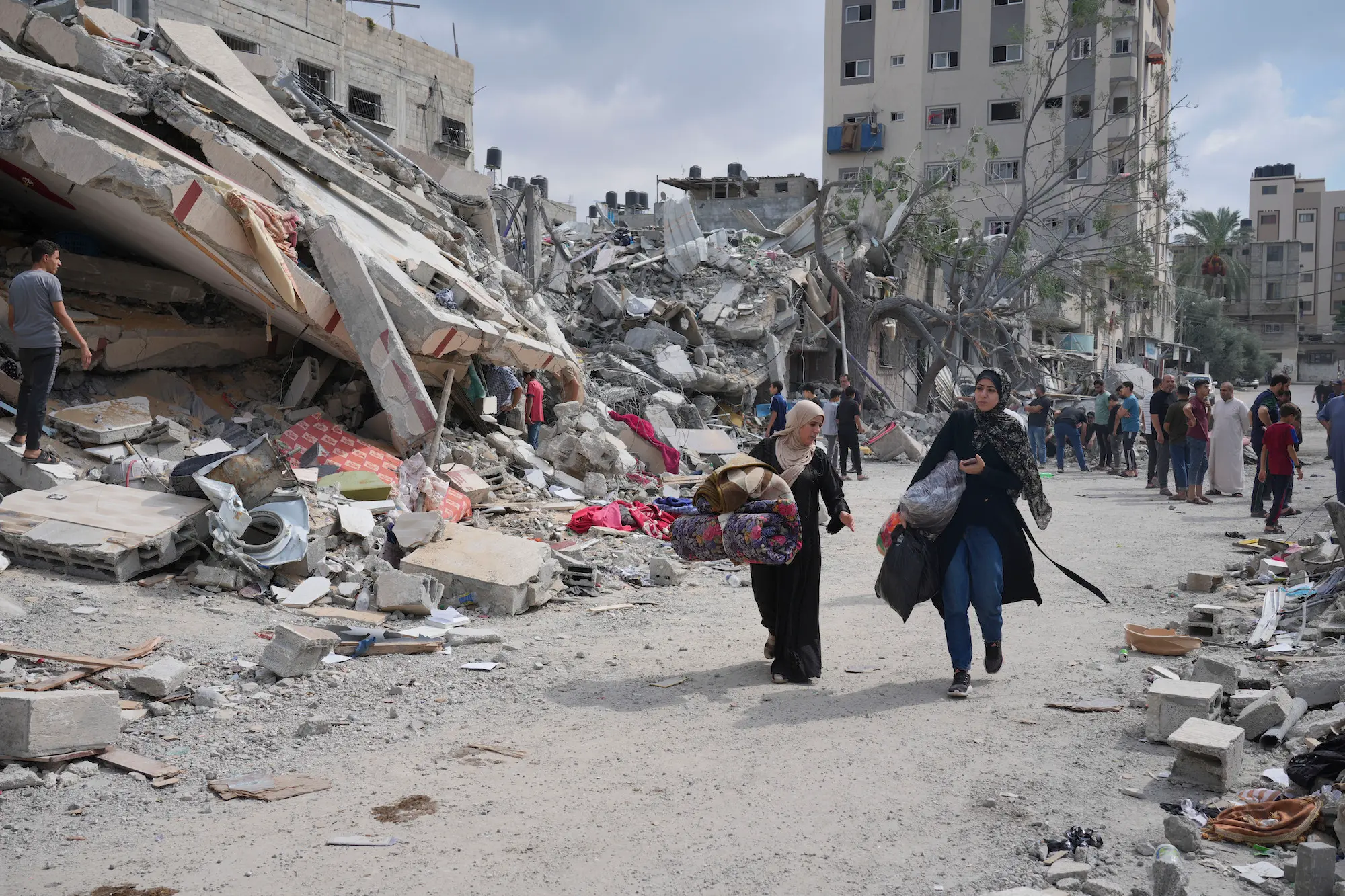
A storyteller enjoys little influence over powerful states armed with lethal weapons and driven by warmongers. He cannot deliver food, water, or medicine to victims trapped in war zones either.
Yet there exists one enduringly beautiful emotion called empathy—an emotion storytellers across humanity have possessed for generations, across centuries. Using animals and birds, they have narrated tales of wit, wisdom, and resilience, helping people imagine ways to survive dire circumstances.
Empathy is a divine blessing that can be distributed freely and in abundance. This is what storytellers have done, perhaps, since the inception of humankind on planet Earth. The plight of people in Gaza or Ukraine cannot be seen in isolation, nor as something distinctive to a particular era.
Gaza, Ukraine, or the violence inflicted on the weak, defenceless, and innocent by the powers that be, is a phenomenon deeply intertwined with the evolution of human civilisation. It has existed within societies, across nations, and beyond borders—and it continues to exist in most parts of the world today.

For instance, can the trauma of the family of 24-year-old Anjel Chakma—an MBA from Tripura, brutally stabbed in Dehradun—be fundamentally different from that of families in Gaza who lose their loved ones to bombs and missiles falling on shelters? Can the plight of families whose huts and houses are bulldozed in several parts of India today be different from that of Ukrainians watching their homes bombed and destroyed? Can the suffering of the near and dear ones of Venezuelan President Nicolás Maduro and his wife Cilia Flores be different from that of Umar Khalid, Sharjeel Imam, or Sonam Wangchuk confined in Indian jails?
The purpose of this story is not to fuel blame or acrimony, but to underline how powerful people have repeatedly used systems to torture and force the weaker into submission. Insecurity, jealousy, hatred, greed, rage, and revenge—intrinsic to the composition of humankind—are among many reasons for chaos and violence in human society.

The history of ancient Egypt, France, China, and the medieval Indian subcontinent bears testimony to the fact that “five to ten percent of the population perished” (as noted in Homo Deus by Yuval Noah Harari) during famines, epidemics, and wars. Yet, what emerged as silver linings for struggling humanity, time and again, were storytellers—those who wove narratives of wit and wisdom to help people endure life’s harsh battles.
This writer is unable to weave his own story in such difficult times. Instead, he retells stories once narrated by ancient and medieval storytellers—perhaps in an attempt to offer clues on how to endure adversity and survive tragedy.
The Crow and the Pitcher
The Panchatantra—a collection of fables from the 3rd and 4th centuries, along with later retellings—contains the well-known story of a thirsty crow.
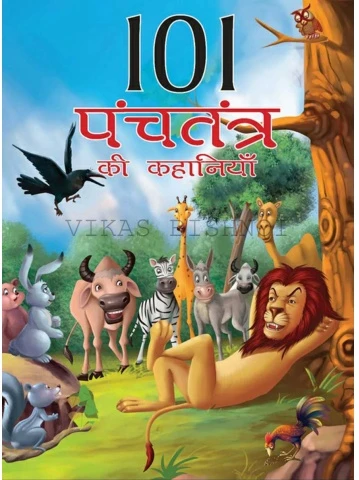
One hot summer day, a clever crow flew about in search of water, dying of thirst. After a long search, he spotted a pitcher lying under a tree. Overjoyed, he flew down and peered inside. There was some water at the bottom, but the pitcher’s neck was narrow, and the water level was too low for the crow to reach with his beak.
He tried to tilt the pitcher, but it was too heavy for him to manage. Desperate yet wise, he did not give up. Nearby, he noticed small pebbles scattered on the ground. An idea struck him. Picking them up one by one with his beak, he dropped them into the pitcher.
With each pebble, the water level rose a little higher. Patiently, he continued until the water reached the brim. The crow quenched his thirst and flew away happily.
The moral, in traditional retellings, is simple: wit and patience can solve even the toughest problems.
Aesop’s Greek fables also include The Crow and the Pitcher, but in Indian folk literature, it is commonly presented in a Panchatantra style, emphasising intelligence and resilience.
Kalila wa Dimna
In classical Arabic folk literature, the most famous fable involving a jackal and a lion comes from Kalila wa Dimna—an Arabic version of ancient fables translated from Persian and originally inspired by the Indian Panchatantra.
The book features two jackals, Kalila (the cautious one) and Dimna (the ambitious and cunning one), who serve as advisers to a lion king. One of its central narratives—often known as The Lion and the Bull or The Ox and the Lion—highlights themes of jealousy, deceit, and the dangers of courtly intrigue.
According to traditional Arabic retellings, there once lived a powerful lion who ruled as king over the animals in a vast forest. He resided with his court, which included two jackal brothers who served as close attendants: the honest Kalila and the scheming Dimna.
One day, a strong and prosperous bull named Shanzabeh wandered into the lion’s territory and began grazing peacefully. The lion observed the bull from a distance but did not attack, as he was well-fed and perceived no immediate threat.
Dimna, envious of the bull’s prosperity and eager to rise in the lion’s favour, saw an opportunity. He approached the lion and planted seeds of suspicion: “O mighty king, this bull is growing fat on your land and secretly plotting to challenge your rule. He boasts of his strength and intends to overthrow you.”
The lion, trusting Dimna, grew suspicious. Meanwhile, Dimna went to the bull and deceived him as well: “The lion is enraged and plans to kill you for trespassing.”
Frightened, the bull sought peace and offered his loyalty and service to the lion. Yet Dimna continued whispering falsehoods to both sides, inflaming their fears until the lion attacked and killed the innocent bull in a fierce confrontation.
After the bull’s death, Dimna expected rewards and recognition. Instead, the lion’s mother warned the king of Dimna’s treachery. Kalila, the good brother, had earlier cautioned Dimna against meddling in the affairs of rulers, but Dimna ignored his advice.
Eventually, the lion uncovered Dimna’s deceit through evidence and the jackal’s own careless slips. Enraged at being manipulated, the lion ordered Dimna’s execution.
Kalila, who had remained cautious and uninvolved, survived.
The moral of Kalila wa Dimna is clear: jealousy and false counsel destroy friendships and lead to ruin; meddling in the affairs of the powerful without truth invites disaster. This framed collection of fables imparts enduring lessons on politics, wisdom, and ethics.
While this is a classical Arabic text, Palestinian oral variants may differ in detail, yet the essence and moral lessons remain unchanged.
Hikayat Khararif
Even amid the ongoing conflict in Gaza, alongside Kalila wa Dimna, traditional Palestinian folk tales—known as hikayat or khararif—continue to be shared within families, especially among children living in displacement camps and tents. These stories offer comfort, resilience, cultural continuity, and hope in times of hardship. Storytellers—often grandparents or community elders—use them to distract children from fear, impart moral lessons, and preserve collective memory.
Through this story, the writer seeks to offer solace to victims in strife-torn zones—the only instrument he possesses and can distribute freely.
Long live the people of the war zones.