

Iran’s New Supreme Leader Mojtaba Khamenei – What He Brings to The Global Arena

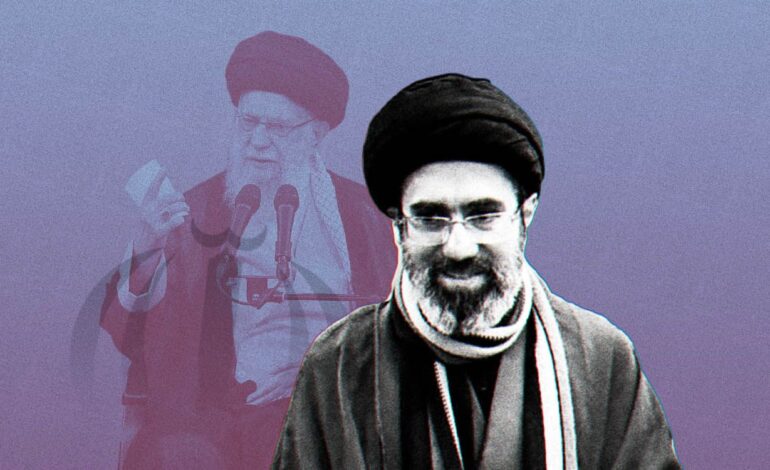
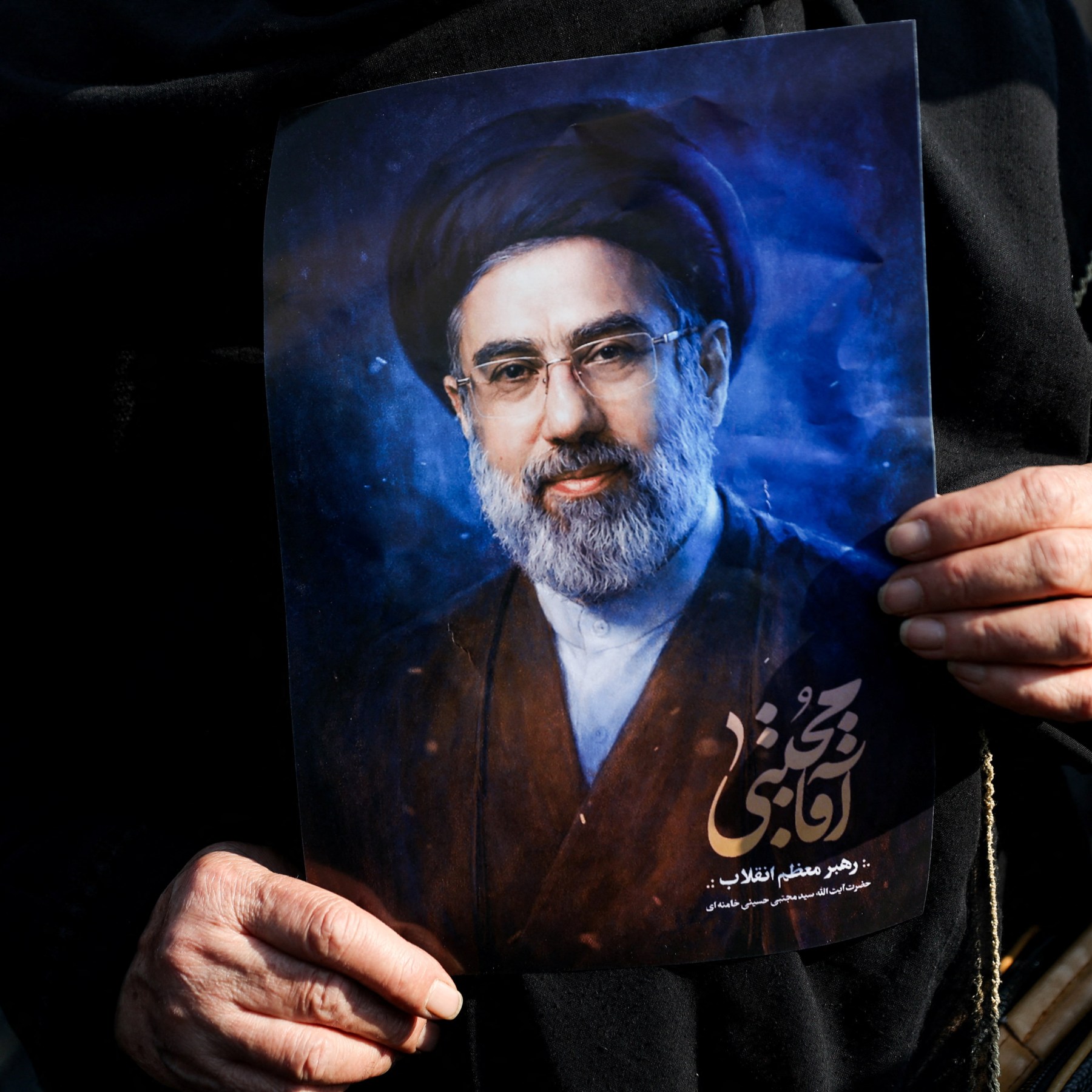
Iran on Monday (March 9) named Mojtaba Khamenei to succeed his father, Ali Khamenei, as the Supreme Leader of Iran, signalling that hardliners remain firmly in charge. Iranian institutions and politicians, from the foreign ministry to lawmakers, issued statements expressing their allegiance to the country’s new Supreme Leader as the war entered its 10th day and fresh missile and drone strikes reverberated across the West Asia. This has also resulted in the failure of Western countries to overthrow the current regime in Iran.
For years, the West has been trying hard to bring about regime change in Iran’s Islamist-led government. To promote an anti-Islamist and anti-Shiite stance, it raised concerns over the denial of democracy in the country, repression against women, social stagnation, and economic decay. But the underlying factor has always been—and remains—how to control Iran’s oil and mineral wealth and make the country bow to capitalist ideology.
The current US-Israeli intervention was accompanied by a rhetorical campaign by both United States President Donald Trump and Israeli Prime Minister Benjamin Netanyahu, urging Iranians to “rise up”. The assassinations of Ayatollah Ali Khamenei and other high-level Iranian officials were celebrated as a major achievement of the alliance.
Mohammad Reza Farzanegan, Professor of Economics of the West Asia at Philipps-Universität Marburg, Germany, is of the view that the assumption that the removal of a central figurehead will lead to a “short and decisive rupture” followed by a smooth transition is far from certain. In fact, Iran after Ayatollah Khamenei may not be at all what the proponents of intervention desire to see.
If we take a wider look at the West Asia, we will be able to identify three countries where external intervention in regime change has not resulted in a smooth transition and stability. Iraq, Syria, and Libya have only witnessed chaos, not stabilisation. Whereas the fourth country in the region, about which the most negative apprehensions were expressed, has been able to negate these assumptions, and the Taliban seem to have consolidated their control in the country.
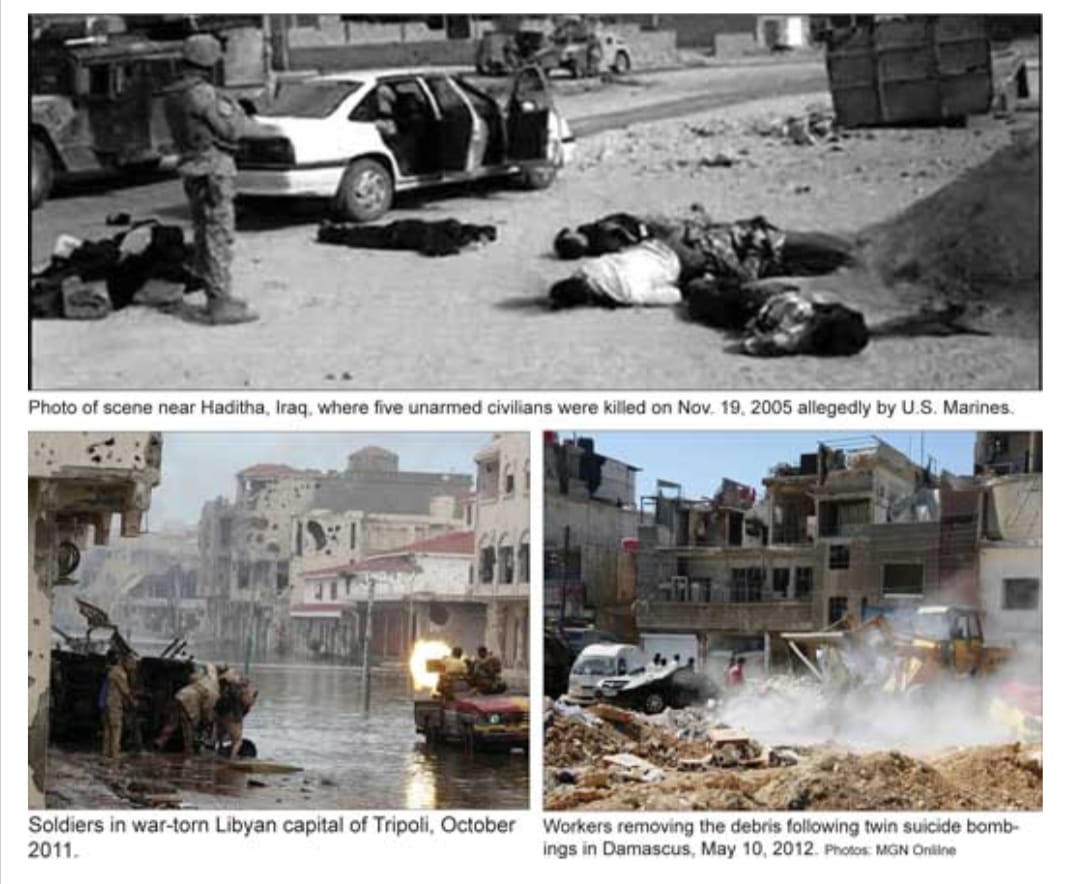
Iraq has seen various insurgencies and civil war following the US invasion in 2003; despite democratisation efforts, the country is still unable to return to its pre-2003 stability.
Libya’s collapse following a NATO-led intervention in 2011 has not resulted in any recognisable recovery in sight. The country remains split between two centres of governance—in Tripoli and Benghazi.
Syria, after the fall of Bashar al-Assad and the emergence of Al Sharaa on the country’s political scene, has not been able to foster a new welfare regime for the people but has instead seen Al Sharaa propped up by the US administration.
But the case of Iran is different from these countries in many ways. Further, the assassination of Ayatollah Khamenei may have a profound impact which may not result in a state collapse.
Within the symbolic universe of Shia Islam, to which the majority of Iranians belong, Khamenei’s death can be interpreted as the fulfilment of a martyrological script. Death at the hands of perceived enemies of Islam can be framed as a redemptive passage rather than defeat; it is not a bitter collapse, as is the case with other West Asian rulers who were ousted or killed. It is instead an idealised closure: the sacralisation of political life through sacrificial death, says Prof Farzanegan.
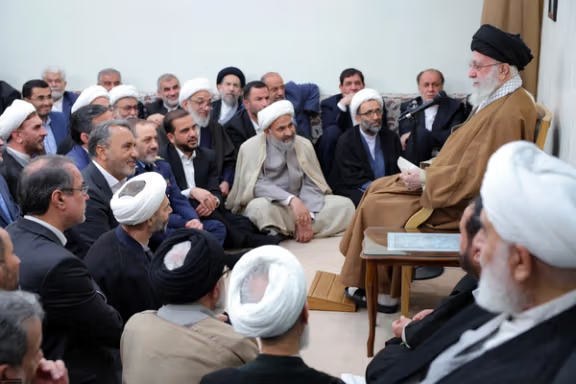
For Iran, the big question now is whether administrative cohesion and territorial integrity can be preserved. Achieving this depends primarily on the survival of the “deep state”, the resilient civil bureaucracy and technocratic class that manages the country’s fiscal and essential services. Furthermore, territorial integrity rests on the continued unity between the regular army (Artesh) and the Islamic Revolutionary Guard Corps (IRGC), maintains Prof Farzanegan.
But here the critics forget that Iran possesses a level of ethnic and linguistic diversity greater than that of the average West Asian country. In the absence of a central authority, and with the security leadership currently targeted, the risk of state fragmentation and the rise of various militias should not be underestimated.
In a worst-case scenario, internal turmoil is likely to follow the fault lines of existing grievances. In the borderlands, long-simmering insurgencies among the Baluch, Kurd, and Arab populations could escalate into full-scale separatist conflicts as central control diminishes.
In recent weeks, the saying “a bitter ending is better than endless bitterness” has been invoked by some to justify foreign military intervention in Iran. Such perceptions seem to rest on the belief that a quick resolution can be achieved through military means.
For the people of Iran, the “bitter ending” of a regime may not be the final act of their suffering, but the opening chapter of a new, structurally entrenched era of “endless bitterness” that could haunt the region for decades to come.
As far as fissures appearing between the majority Shia and minority Sunnis in Iran are concerned, this also does not seem plausible. As recently as March 5, hundreds of Sunni scholars in Iran’s Sistan and Baluchestan declared jihad against the Zionist entity and its backers, while voicing support for Iran’s armed forces amid ongoing tensions. A group of 660 Sunni scholars in Iran’s Sistan and Baluchestan province issued a statement condemning the ongoing US-Israeli aggression and calling for resistance against it.
The scholars stated that religious and historical duty requires not remaining silent in the face of what they described as aggression against the country. They further issued a religious ruling declaring that “jihad against the criminal Zionist entity and its arrogant backers is a major obligation.”
The statement also urged residents of the province to remain vigilant and not fall prey to what the scholars described as plots and sedition by hostile groups and supporters of the Pahlavi family, while announcing full support for Iran’s armed forces and the Islamic Revolutionary Guard Corps in defending the country’s security.
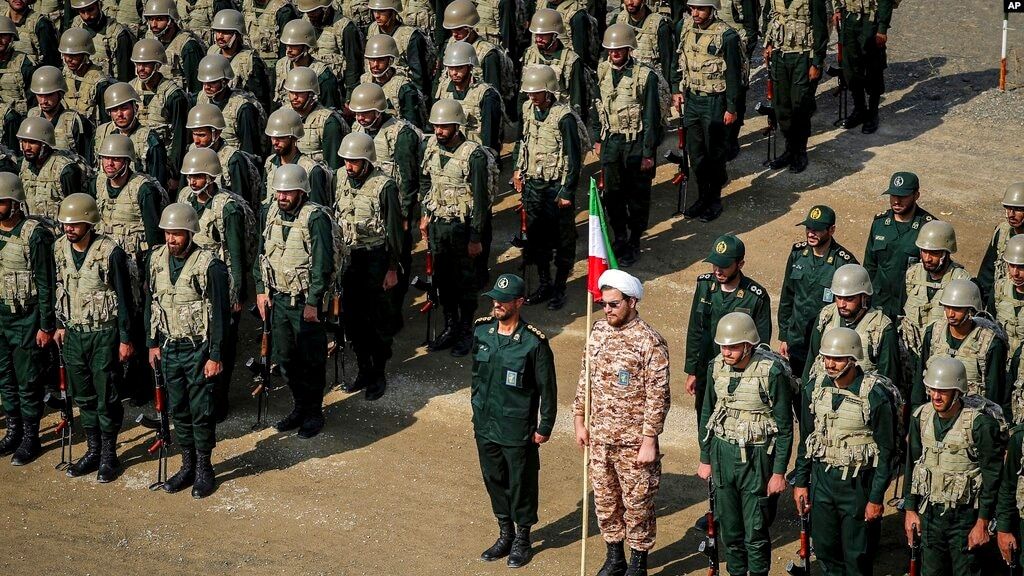
Shiite scholars were also quick to announce a fatwa of jihad against the US and “Israel” following the attack on Iran and the martyrdom of Sayyed Ali Khamenei. Scholars endorsing the fatwa included Sheikh Javadi Amoli, Sheikh Makaram Shirazi, Sheikh Nouri Hamedani, and Iraq’s Sayyed Hashem al-Haidari.
This coming together of Shia and Sunni factions, besides the control of the Supreme Council and IRGC, will ensure the continuity of the current regime in Iran, belying the fallacious propaganda and wishful thinking of US-led Western and Zionist powers.






“A thoughtful look at Iran’s new leadership and its global implications