


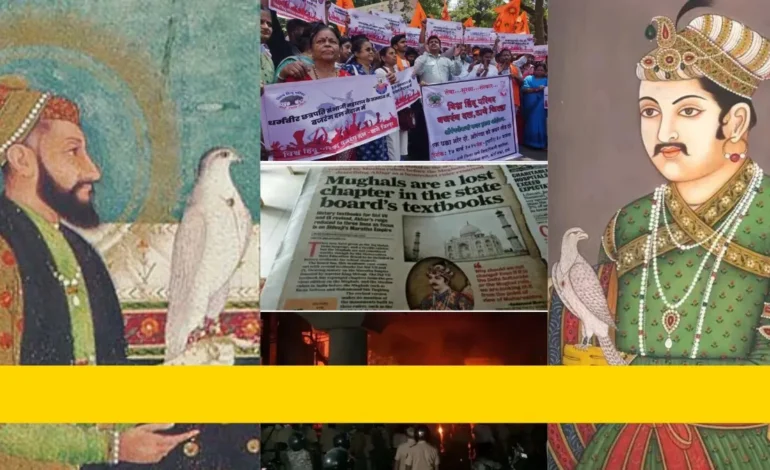
Marcus Garvey, the renowned Jamaican-born Pan-African leader, likened a nation without proper knowledge of its history and culture to a bare tree without roots. He highlighted how ignorance of one’s past can erode and even reconstruct a nation’s identity. Garvey’s analogy serves as a reminder that understanding the past is essential for the growth and unity of any society. History acts as a mirror, reflecting the collective consciousness that defines a nation’s true identity.
A nation’s sense of self is built upon shared memories of struggles against oppression, collective achievements, and cultural heritage, all passed down through generations. Citizens feel connected to a common root and tradition only when they share a unified historical narrative. However, for over a century, the Sangh Parivar has attempted to project the ideology of Hindutva in order to dismantle these common roots and establish the notion that the traditions and histories of different communities are distinct and antagonistic.
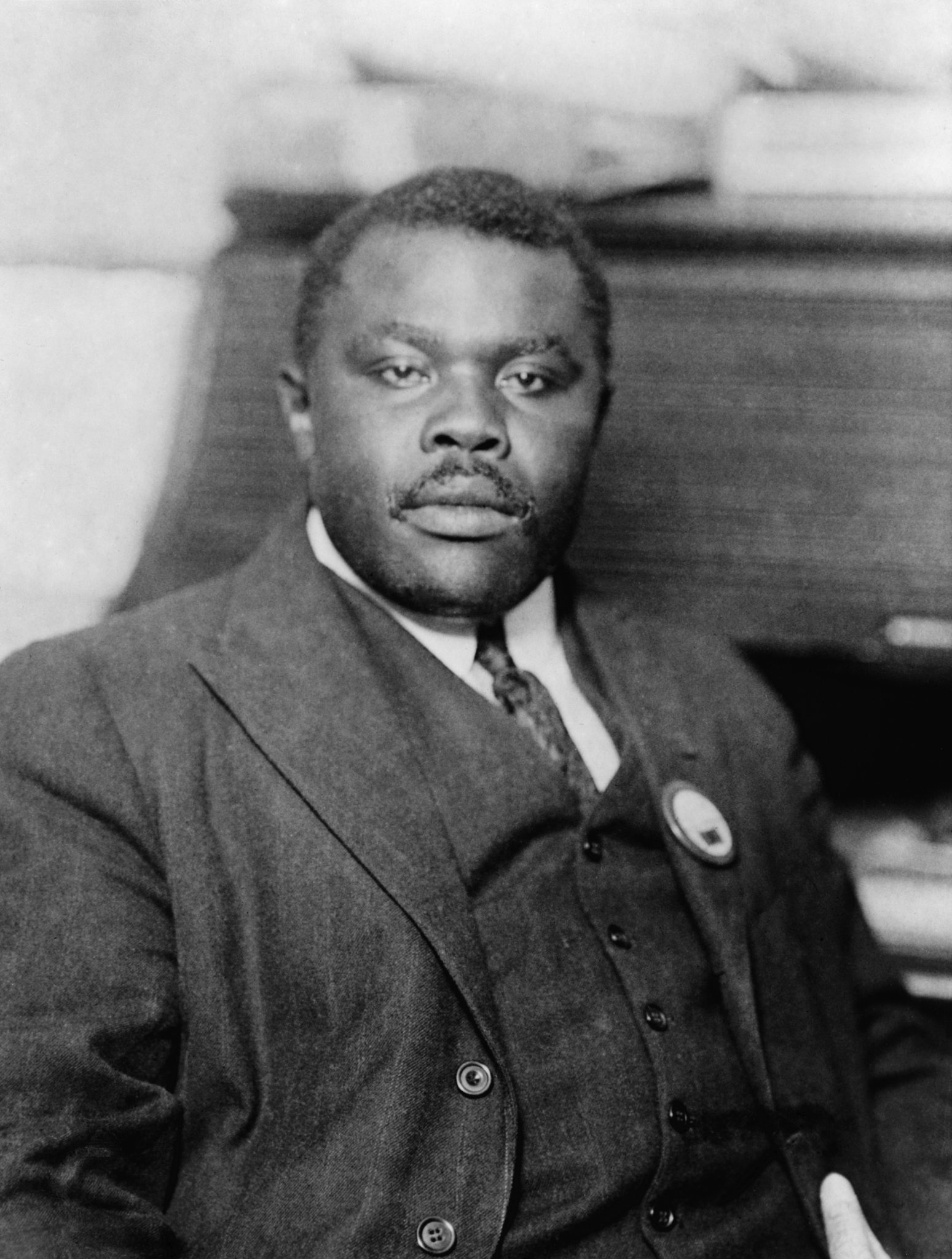
The Weaponisation of History
History provides the answer to the question, “Who are we?” It forms the bedrock of nationalism by chronicling a nation’s emergence, its crises, and its triumphs. While history helps strengthen nationalism, it can also become a source of division when it turns into an obsession. Those who seek to transform nationalism into a form of mass frenzy often show a particular interest in history, manipulating which events to remember, which heroes to worship, and what to consciously forget. In the Indian context, the medieval period has become the primary battleground for these ideological conflicts.
India’s medieval history is as vibrant and multifaceted as a colourful painting, representing one of the most glorious eras of our past. Yet today, this period is being exploited for contemporary political ends. When a narrow, exclusionary vision of Hindutva nationalism is imposed upon the medieval era, it results not in objective historical analysis, but in the creation of myths. The conflict between these manufactured myths and genuine history has become the cornerstone of the Sangh Parivar’s academic agenda.
The One-Sided Reading of Mughal Rule
The Sangh Parivar consistently seeks to view medieval dynasties through a purely religious lens, attempting to sever them from the mainstream of Indian history. Their central narrative is that the Mughals were merely foreign invaders. Historically, this claim lacks merit.
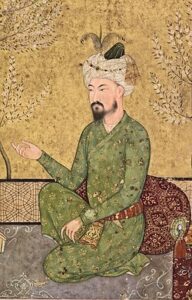
Firstly, Indian civilisation is built upon the contributions of people who arrived from various places over centuries. Babur, the founder of the Mughal dynasty, arrived from Afghanistan, a region that, according to Indian mythology as the land of Gandhari, is considered part of ancient Bharat. If one were to apply the Sangh Parivar’s exclusionary criteria to foreigners, a vast number of characters in the Mahabharata would similarly be disqualified.
By labelling the Mughal and other Muslim dynasties as mere foreign invaders, the Sangh Parivar effectively denies the continuity of India’s history. They treat the entire Mughal era as a monolith, analysing Akbar’s religious tolerance and Aurangzeb’s policies as though they were identical. This approach ignores the reality that the primary goal of all medieval rulers, regardless of religion, was the consolidation of political power.
Religious Dimensions and Administrative Pragmatism
While it is true that some religious elements existed during Mughal rule, it is sociologically inaccurate to describe the Mughal state as a theocracy. Historians agree that although the Mughal emperors used religion to promote political stability and administrative convenience, they did not subordinate the state to religious dogma. Their governance was based on pragmatic political principles rather than religious scriptures.
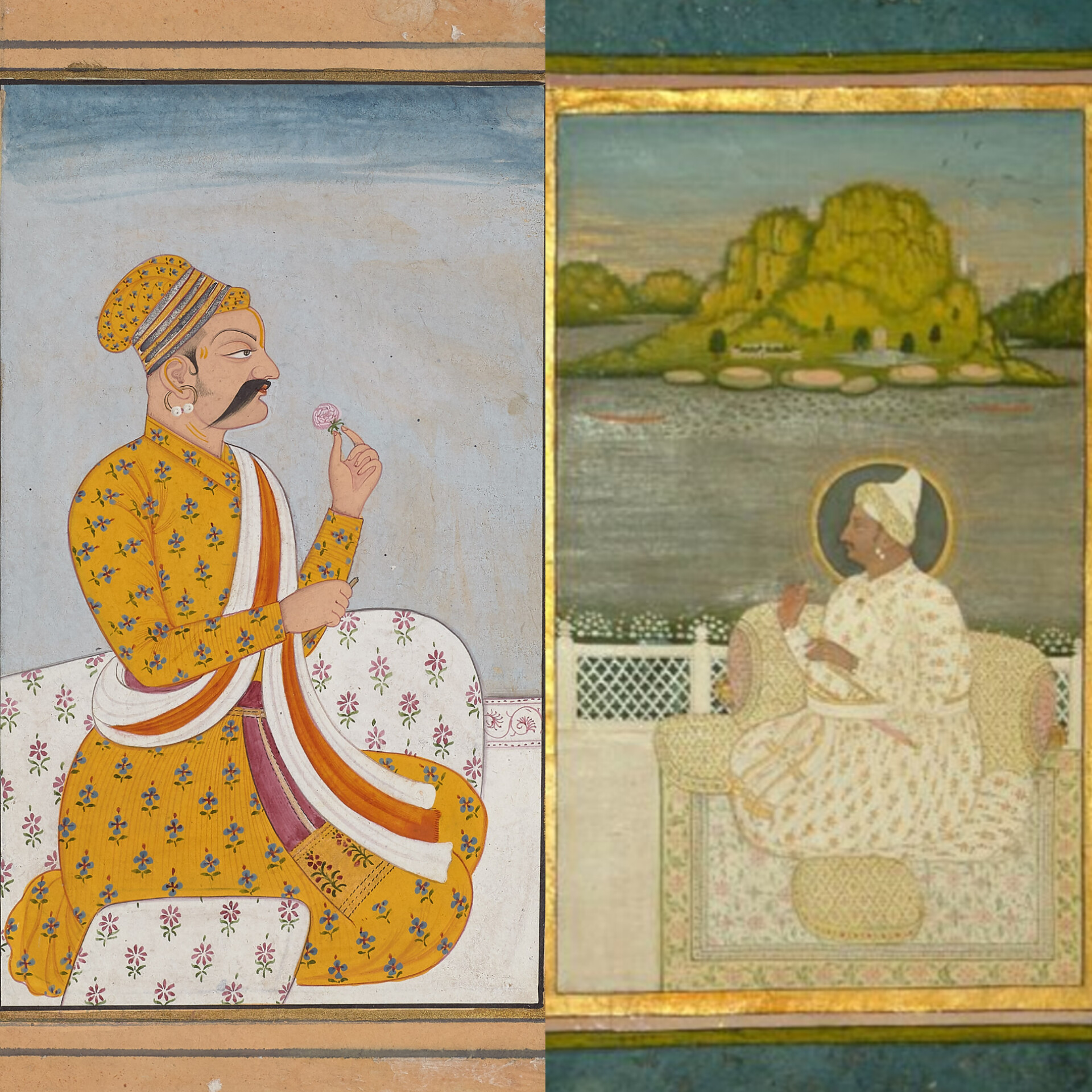
The proof of this is evident in the Mansabdari system, which formed the backbone of the Mughal Empire, where Rajput leaders such as Raja Man Singh and Raja Todar Mal held pivotal positions.
Akbar’s abolition of the jizya tax in 1564 was a conscious attempt to move away from religious discrimination. Furthermore, Mughal art, architecture, and music did not belong to any single religion; they represented a synthesis of Persian and Indian traditions.
The Mughals frequently formed political alliances with Hindu kings and fought against other Muslim rulers, often appointing Hindus as senior military commanders. They recognised that, in order to maintain power in a land where the majority were non-Muslims, an inclusive and pragmatic approach to governance was the only viable path.
Temple Destruction and Conversions
The Sangh Parivar’s attempt to Hindutva-ise India’s medieval history relies on cherry-picking facts and exaggerating historical events. While it is historically true that temples were destroyed during the medieval period, the Sangh Parivar uses these incidents to fuel hatred rather than encourage historical inquiry.

Historians, such as Richard Eaton, have documented that the extent of temple destruction has often been exaggerated by court chroniclers seeking to glorify their kings’ military victories. In the medieval context, these acts were driven more by politics than religion. Temples were symbols of wealth and power, and destroying them was a common way for medieval rulers, both Hindu and Muslim, to demonstrate dominance over their rivals. For instance, in the seventh century, the Pallava king Narasimhavarman raided the Chalukya capital of Vatapi and looted its temples. Religion was irrelevant; it was an assertion of political strength.
Similarly, the narrative of forced mass conversions ignores the social realities of the time. Many lower-caste communities embraced Islam to escape the oppression of the rigid caste system, while others were attracted by the humanitarian message of the Sufi saints.
From Heroes to Communal Icons
In their quest to construct a synthetic nationalism, the Sangh Parivar has transformed historical figures into communal icons, doing injustice both to history and to the individuals themselves. By portraying figures like Chhatrapati Shivaji and Maharana Pratap solely as defenders of the Hindu faith, their true political foresight and administrative genius are erased.
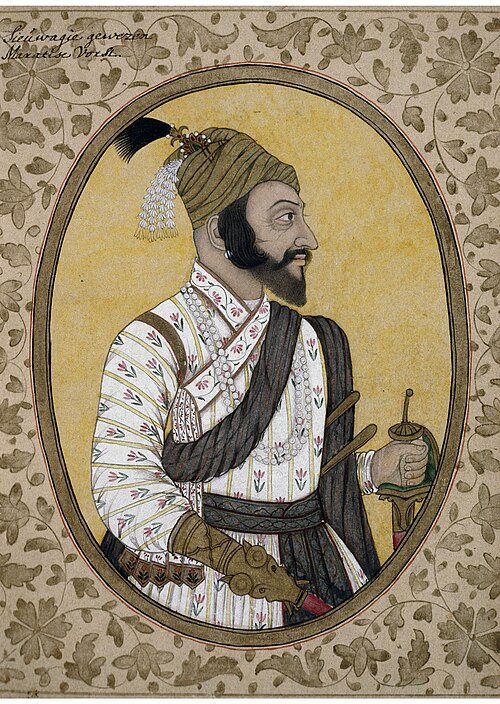
Shivaji had a large number of Muslims in his army and navy; he practised religious tolerance while establishing his kingdom. To reduce him to a religious symbol is to strip him of his stature as a statesman. Similarly, Maharana Pratap’s struggle was not a religious war against Akbar but a political battle for the sovereignty of Rajasthan. Indeed, the Mughal army that fought against him was led by Raja Man Singh, a Hindu.
History is a record of the past. If we manipulate it to suit contemporary agendas, it ceases to be history and becomes myth. This project of fabricated hostility is itself a myth that threatens to shatter the diversity of Indian society. Medieval India is not just a story of religious hatred, but a complex narrative of political struggle, accommodation, and survival. Only by viewing this era as a sophisticated social and political landscape can we build a healthy and inclusive nationalism for our present and future.








“History should illuminate, not inflame. When the past is reduced to manufactured hostility, society loses the opportunity to learn from its true complexities. This thoughtful article is a timely reminder that evidence, context, and critical inquiry must always prevail over prejudice and political narratives. Thank you, AIDEM, for keeping the space for informed public discourse alive.”