Putin’s India Visit Was Not Diplomacy — It Was Deal-Making for Survival
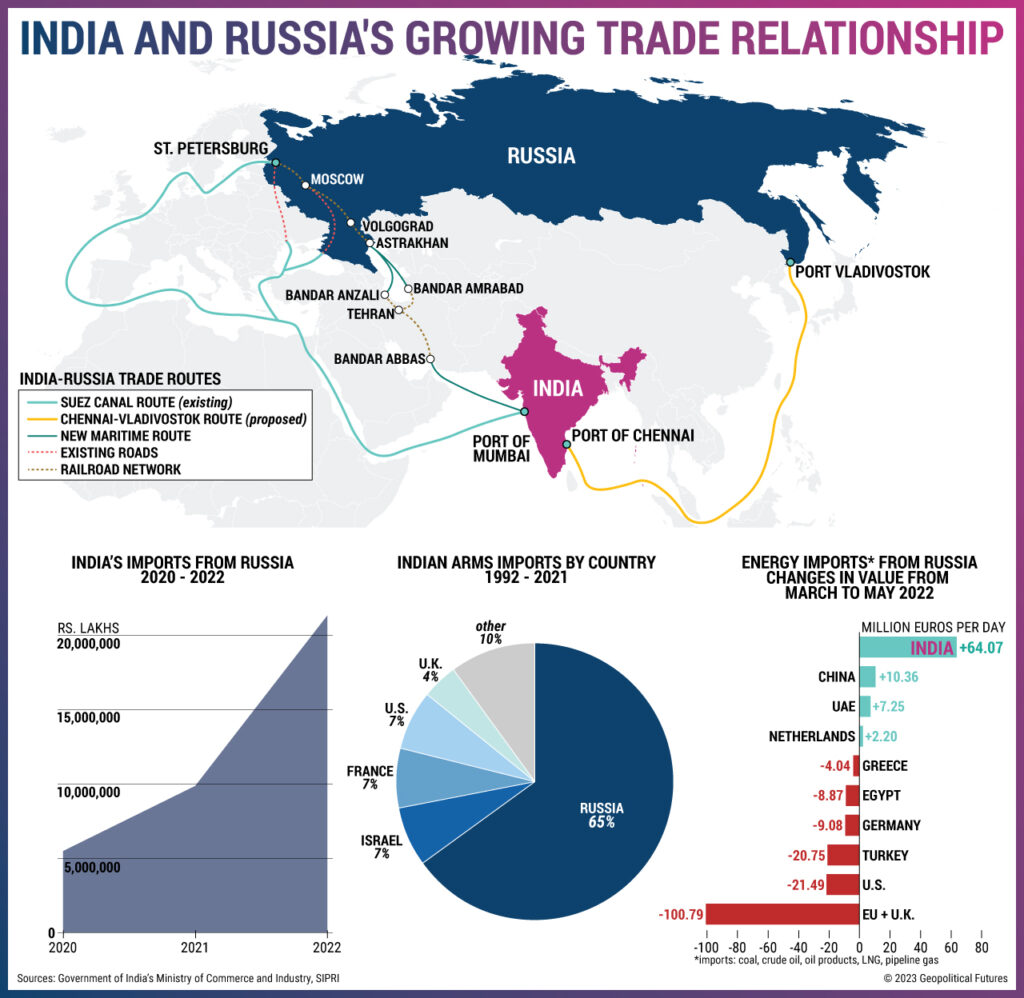
Putin didn’t fly to India for handshakes or nostalgia. He came because he needed something desperately — a reliable buyer for his oil to keep the Russian war economy alive. And India, under the Modi government, welcomed him exactly for that reason.
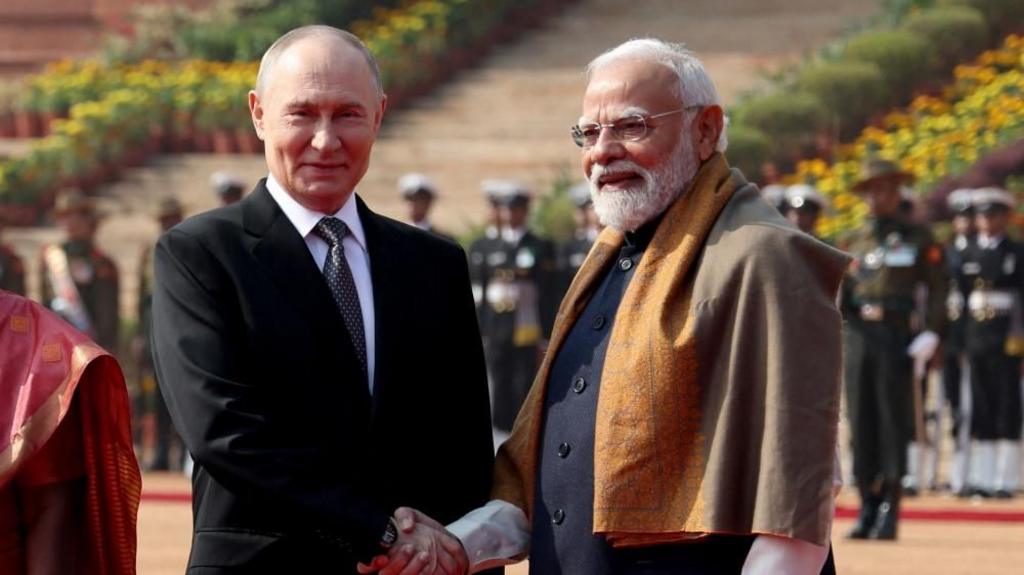
The meeting looked grand — cameras flashing, ceremonial hugs, cultural shows, and social-media celebrations of “unbreakable friendship.” But beneath the spectacle, this was a business deal between two leaders who need each other for very different reasons. Russia wants cash to keep financing its military operations. India wants cheap oil — not to reduce the burden on ordinary families, but to feed an economic ecosystem where a few private players dominate the energy trade.
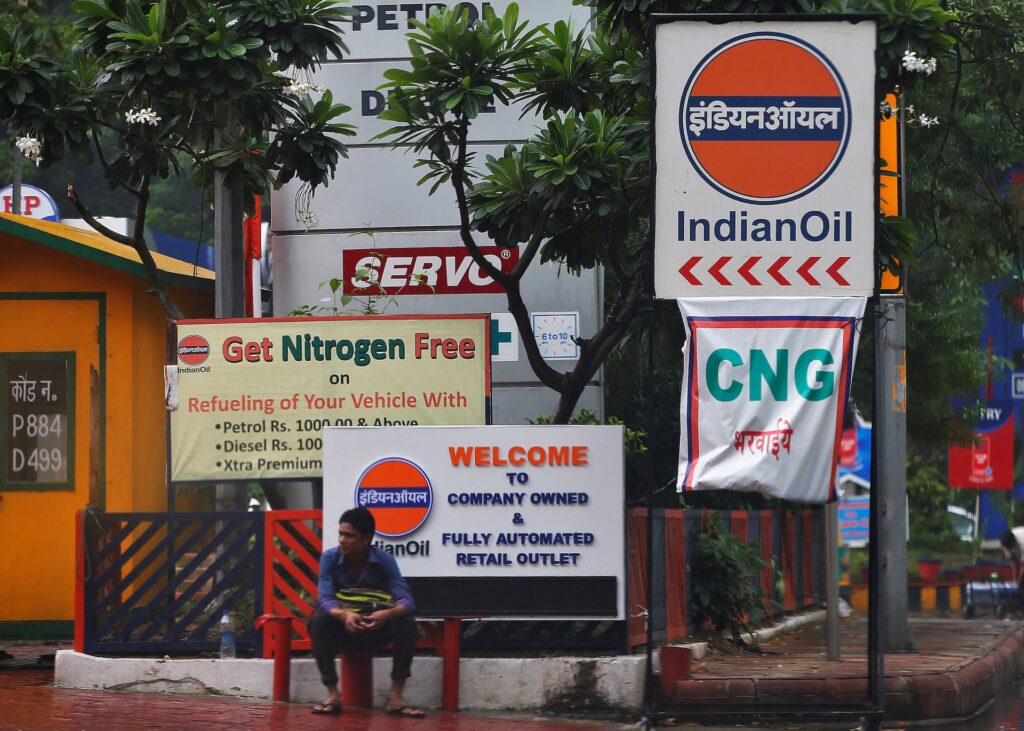
Whenever discounted crude arrives, the profits don’t show up at petrol pumps. Prices don’t fall to help the middle class. There is no relief for households battling inflation. Instead, the biggest benefits flow smoothly to the two industrial giants who control India’s refineries, storage, logistics, and fuel distribution. The state negotiates. The corporations harvest the reward. The public claps — and pays.
This is where the story shifts from diplomacy to theatre. The handshake between Putin and Modi wasn’t just a foreign policy moment. It was an image carefully designed for domestic consumption — strongman meets strongman, India defies the West, India plays in the big league. Every hug, every headline, every curated moment was meant to build a message: “Look how powerful we are.”
But power for whom? Russia walks away with financial oxygen for its war. India’s ruling leadership walks away appearing globally dominant. And the wealthiest business families walk away with larger margins and deeper influence over the country’s most crucial sector — energy.
Meanwhile, citizens walk away with the same reality: expensive fuel, high inflation, and an economy where national resources increasingly serve private profit.
There was a time when India’s foreign policy stood on the pillars of values — peace, non-alignment, global justice. Today it feels more like transactional nationalism: money over morality, optics over principles, and corporate interest dressed up as national interest. The more this model advances, the less room remains for public welfare or democratic accountability. Cheap fuel becomes a bargaining chip in elections. Industrial monopolies become political assets. Foreign policy becomes an extension of domestic propaganda.
Putin has already received what he wanted — a market big enough to sustain his wartime economy. Modi has received what he wanted — the image of a global strongman who answers to no one. The oligarchs closest to power have received what they wanted — guaranteed profits in a sector with no real competition.
But what do the people of India get?
If fuel prices don’t fall, if living standards don’t improve, if democracy doesn’t strengthen, then something is deeply wrong. Foreign policy cannot keep producing prosperity for the powerful while ordinary citizens are reduced to spectators in the country’s biggest decisions.
The world will forget the ceremonies and headlines. But one question will remain long after history writes this chapter:
Was this visit a diplomatic milestone — or simply a profitable alliance between two leaders and the billionaires who stand behind them, while the public pays the bill?
If the answer is the latter, then the danger for India isn’t who it is partnering with abroad — it is who it is becoming at home.