

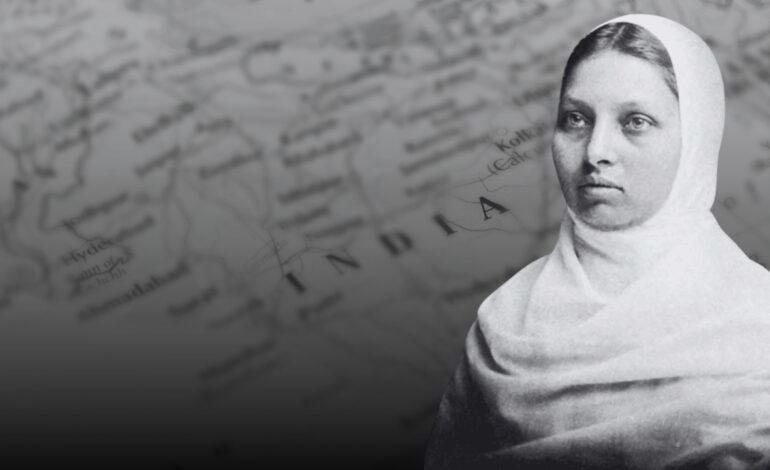
The following article is part of the Trailblazing Women of India series. A series presented by The AIDEM, exploring the lives and ideas of women who played a decisive role in shaping India’s social, political, and intellectual history.
The AIDEM underscores the enduring contemporary relevance of revisiting the lives of these women leaders and the ideas they championed. Click here to watch the video.
Imagine a young woman in 1878, engaged in a rigorous debate on scriptures with learned men in Kolkata. Her mastery of Sanskrit astonishes them, and they bestow upon her the titles Pandita and Saraswati—honors reserved for the most erudite male scholars.
Her name was Ramabai Dongre. And she was about to reshape India’s understanding of womanhood, religion, and freedom.
Born in 1858, Ramabai’s story begins in the forests of Gangamul near Mangalore. Her father, Anant Shastri Dongre, was an uncompromising scholar. Instead of surrendering to the prevalent orthodoxy that considered women incapable of reason and studying sacred texts, he uprooted his family from their village, leaving comfort behind and wandering from one pilgrimage site to another. He never compromised his values, training both his wife and his daughter in traditions of Sanskrit that society deemed forbidden to women. Those values of defiance and integrity profoundly shaped Ramabai’s outlook, instilling in her the conviction that education and dignity were non‑negotiable rights for women.
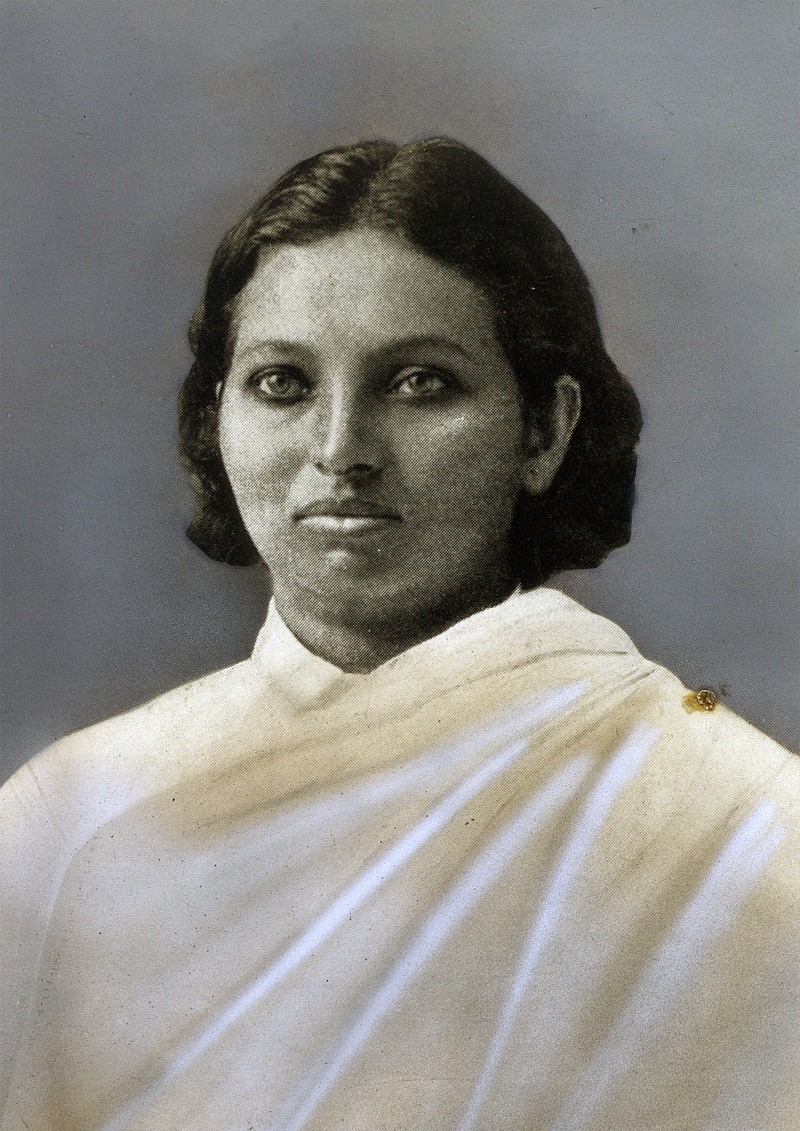
By sixteen, both her parents had died, leaving her orphaned and caring for her younger brother, Srinivas. She later married Bipin Bihari Medhavi, from a backward caste compared to Ramabai—a union deemed inappropriate even today. At twenty-four, she was widowed, left with a daughter, Manorama, and a conviction.
Here’s what makes Ramabai extraordinary: she transformed her personal suffering into a larger mission of independent womanhood.
She didn’t just challenge Hindu orthodoxy—she dissected it. In her groundbreaking work The High-Caste Hindu Woman, she exposed how scriptures had been interpreted to control women. She showed how child widows—some barely five or six—were forced into ritual death: heads shaved, clothes stripped of color, treated worse than animals. The same texts imposed no such restrictions on men, creating double standards.
But Ramabai didn’t stop at critique. She built solutions.
In 1889, she established Sharada Sadan—India’s first residential school for widows. It offered education, vocational training, and independence. While reformers like Ishwar Chandra Vidyasagar, M.G. Ranade, and Gopal Agarkar, among others, discussed women’s education, Ramabai established institutions that trained women to stand on their own feet and lead lives of dignity and freedom.
In 1892, she founded Mukti Sadan for destitute women and victims of trafficking, a pioneering work that anticipated empowerment.
Her vision of liberty went beyond politics. She argued for liberation from religious dogmas and orthodoxy, economic independence, and intellectual equality. In 1882, she appeared before the Hunter Commission and outlined a plan for women’s education in India. She spoke openly about the opposition from educated male social reformers, demanded female teachers, and highlighted the importance of subjects like Maths and Science.
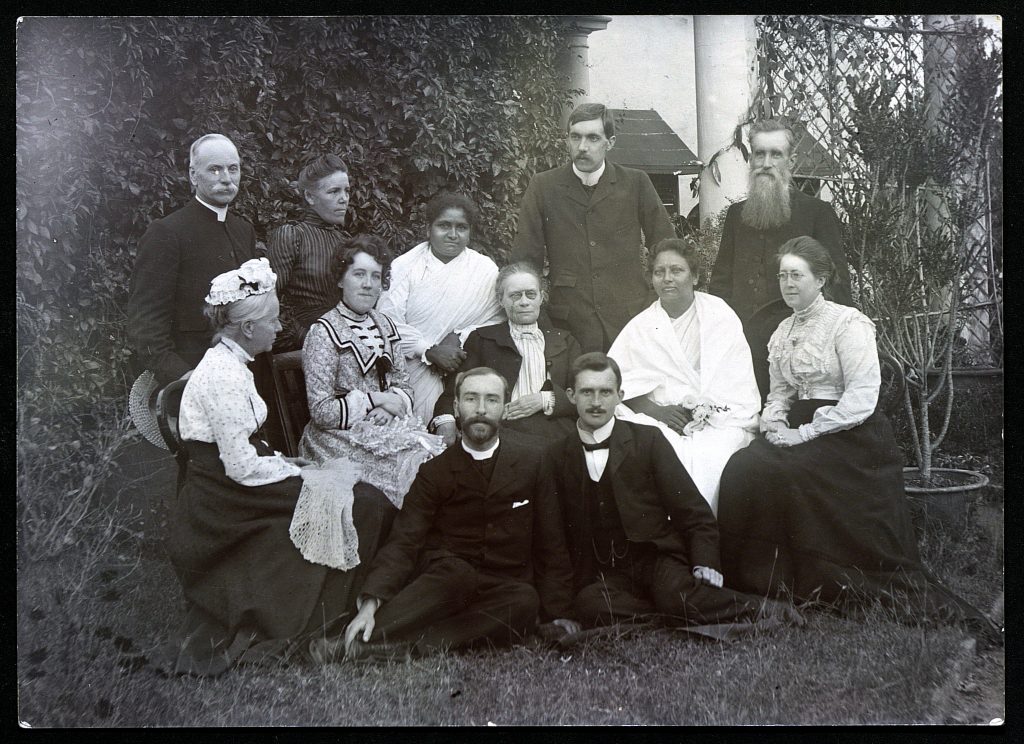
She also wrote “famine essays”, fiercely criticizing colonial policies that deepened suffering. She advocated for women’s medical education, writing directly to Queen Victoria. The Dufferin Fund for female doctors was established as a result of her persistence.
Her conversion to Christianity in 1883 wasn’t abandonment—it was expansion of her politics. When the papal authorities in England tried to silence her, she reminded them she was her father’s daughter and insisted she would not succumb to pressure or give up her convictions. She critiqued the Anglican Church’s patriarchy as fiercely as Hindu orthodoxy.
She translated the Bible from Hebrew, centering women’s dignity. In 1886, she attended the convocation of Anandibai Joshi in Pennsylvania, witnessing one of India’s first female doctors graduate. The experience deepened her conviction that education was the path to freedom.
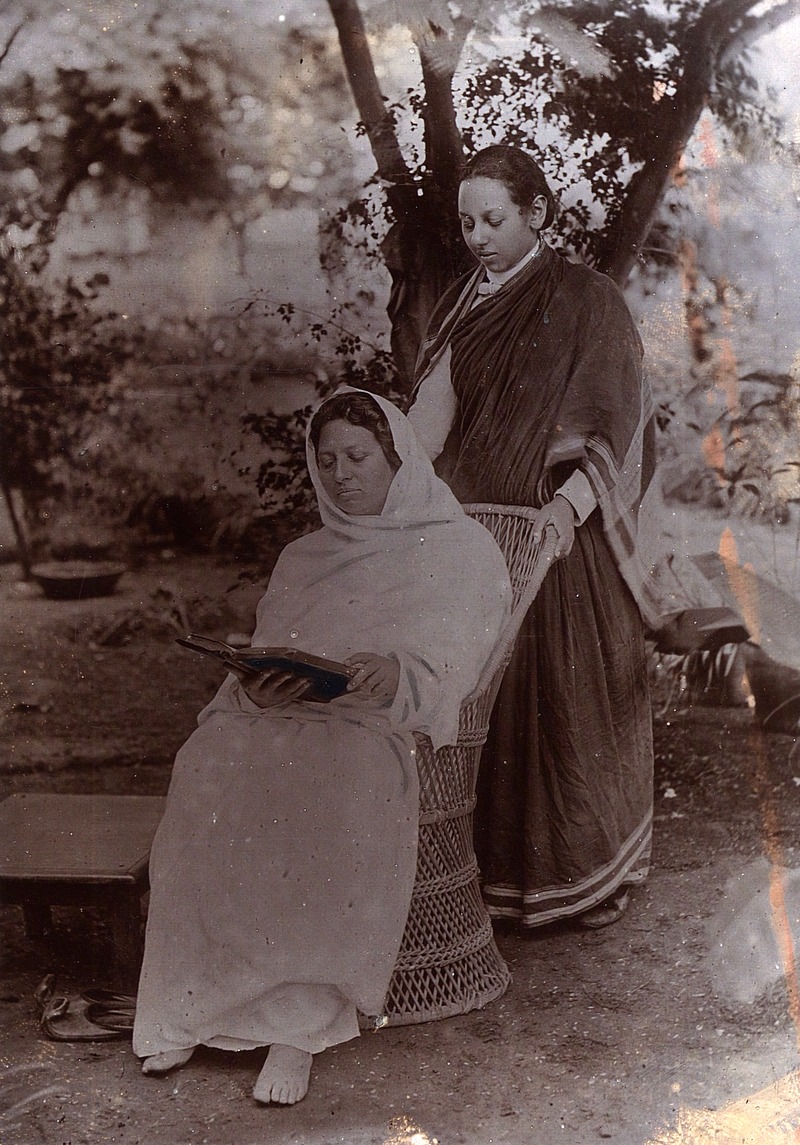
Her legacy endures. She turned suffering into universal questions of freedom, equality, and justice. She proved reform meant not just talking about change, but building institutions to make it real.
Ramabai died in 1922. But her question echoes: Can we call ourselves free when half our population lives in chains?
For young thinkers, her life is a challenge. A life to be read, debated, and carried forward. Because as Pandita Ramabai showed, freedom is never given—it is fought for, imagined, and lived.