

Reclaiming Comrade Norma Jeane: Marilyn Monroe at 100

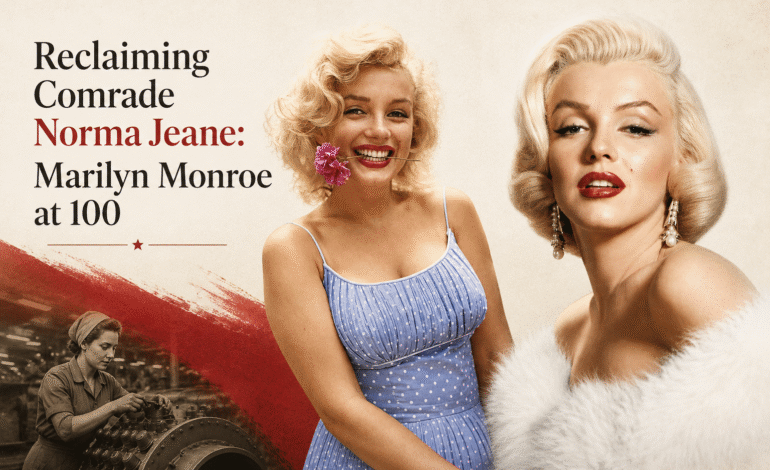
A century has passed since the birth of the woman the world remembers as Marilyn Monroe. Born Norma Jeane Mortenson on June 1, 1926, her name remains synonymous with the absolute pinnacle of Hollywood glamour. Yet, as the mainstream press continues to gape at the ghost of a colossal commercial icon, spinning tales of tragic victimhood and blonde superficiality, a radically different celebration is taking place in the United Kingdom.
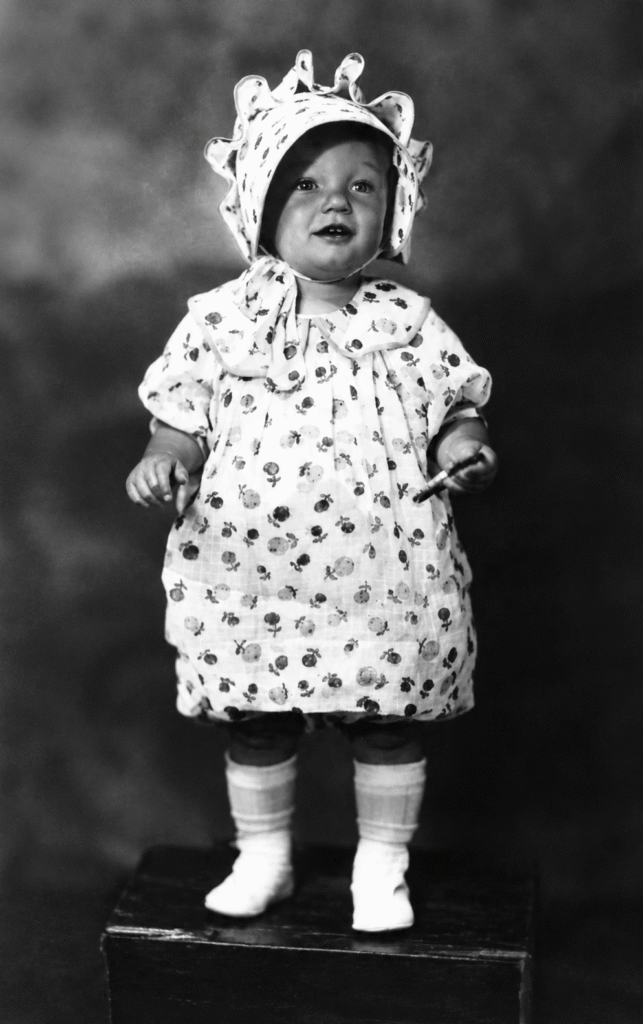
On this centenary, the Communist Party of Britain (CPB) has issued a striking reclamation: honouring not the capitalist commodity, but the intellectual, the working class survivor, and the comrade. The CPB and its supporters assert that to understand Marilyn Monroe, one must look past the peroxide and the celluloid to the smoke and steel of her origins. Her politics were not adopted in high-society salons; they were born of the assembly line.
Forged on the Factory Floor
Before she was a billboard, Norma Jeane was a proletarian. Tossed through a grueling succession of Los Angeles foster homes and a state orphanage, her early life was a masterclass in institutional neglect and working-class instability. By 1944, at just 18 years old, she was a war worker at the Radioplane Munitions Factory in Van Nuys, spraying aircraft fuselages with toxic liquid resin and inspecting parachutes.
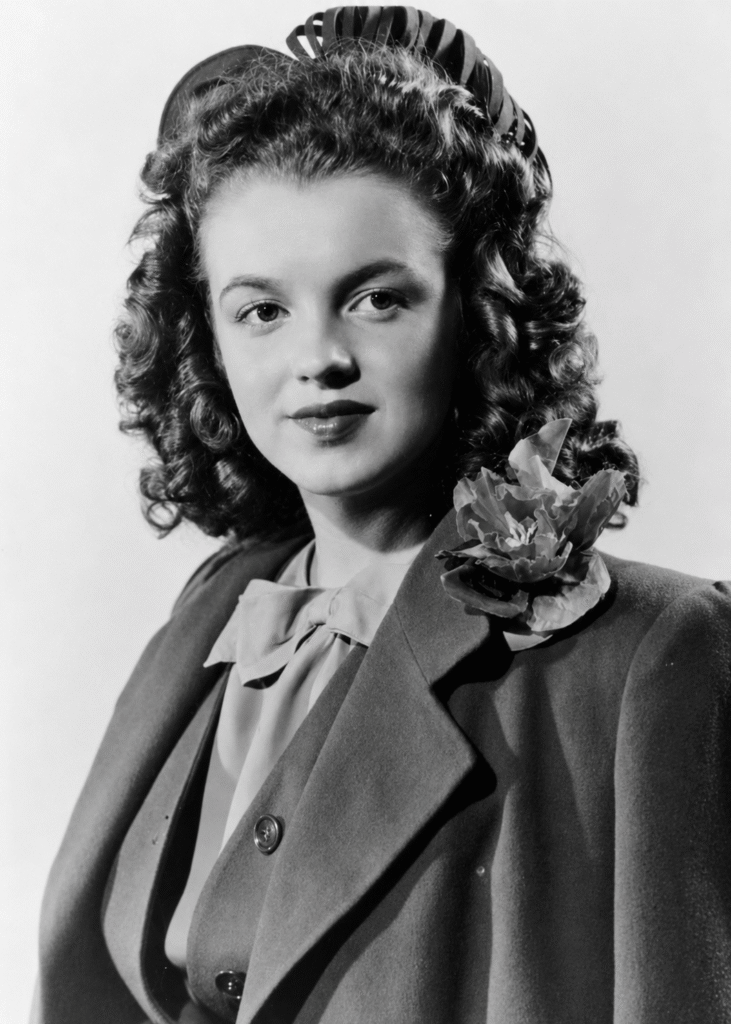
It was here, amidst the roar of machinery and the shared labor of wartime women, that her class consciousness was forged. She knew the reality of a 10-hour shift, the sting of low wages, and the vulnerability of the female worker in a male-dominated industrial landscape.
When an army photographer captured her smiling over a drone propeller, it wasn’t a star being born, it was a worker being discovered and subsequently extracted by the machinery of capitalist mass media.
The Parasitic Studio System and the Fight for Autonomy
The Hollywood that swallowed Norma Jeane was not a magical dream factory; it was an aggressive, monopolistic industry. Under the old “studio system,” actors were literal property. Twentieth Century Fox owned her image, dictated her wages, and leased her out like machinery. Despite generating millions of dollars for studio executives, Monroe was chronically underpaid compared to her male peers and stripped of all artistic agency. But Monroe possessed a fierce intelligence that deeply unsettled the men who sought to manage her. Rather than submit to the status quo, she revolted. In 1954, she went on a historic strike against Fox, refusing to play yet another demeaning “dumb blonde” caricature.
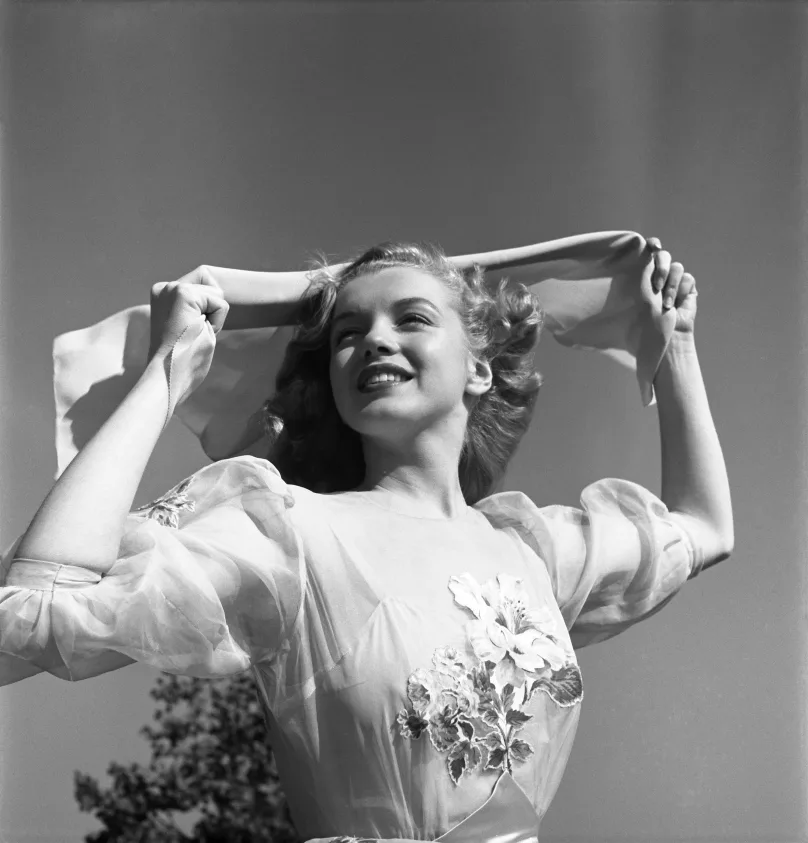
In an unprecedented move for a woman in Hollywood at the time, she packed her bags for New York and founded her own independent production company, Marilyn Monroe Productions. By challenging the studio bosses on their own financial turf, she won a groundbreaking contract that granted her higher pay and crucially, director approval. It was a stunning victory of labor flexing its muscle against monopolistic capital.
The Subversive Intellectual
The bourgeois narrative has long suppressed Monroe’s intellectual hunger. She was a woman who sought out education, taking literature and history classes at UCLA. Her private library contained over 400 volumes, spanning radical literature, poetry, and philosophy.
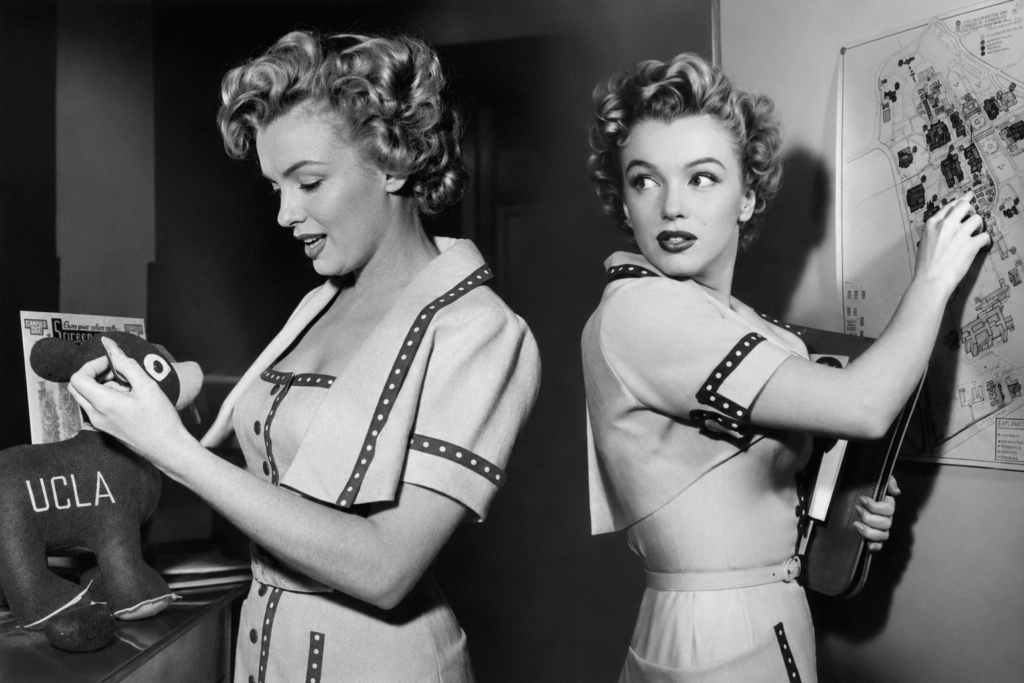
Her shelves held the works of Walt Whitman, James Joyce, Thomas Paine, and Karl Marx. She did not merely read; she looked at the world through a lens of profound social empathy.
During the height of the oppressive McCarthyite “Red Scare,” when associating with leftists meant professional ruin, Monroe defiantly chose her side. She fell in love with and married the Marxist playwright Arthur Miller. When Miller was hauled before the House Un-American Activities Committee (HUAC) for refusing to name communist sympathizers, the studio bosses begged Monroe to publicly distance herself from him to save her career. She flatly refused, standing by him at the witness gates.
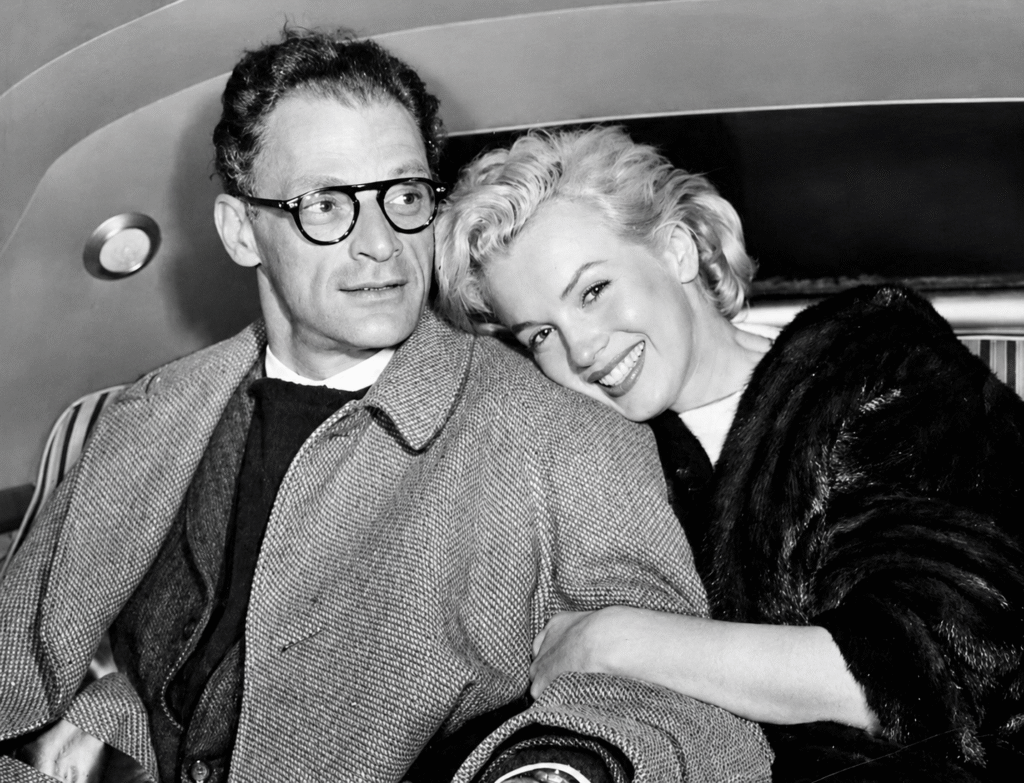
This defiance drew the heavy, paranoid eyes of the state. Declassified documents have since revealed that the FBI maintained a thick file on Monroe, tracking her associations with known communists, her trips to Mexico to buy art from exiled left-wing artists and her open defense of civil rights.
Monroe used her massive cultural leverage to push back against racial segregation.
When the famous jazz vocalist Ella Fitzgerald was barred from performing at the elite Mocambo club due to her race, Monroe personally called the owner. She promised that if they booked Fitzgerald, she would sit at the front table every single night, ensuring massive press coverage. The club relented and Fitzgerald’s career was fundamentally transformed.
A Centenary Redefined
Marilyn Monroe was a woman trapped in the gears of an industry designed to alienate the worker from their own labor and identity. She was sexualized, commodified and ultimately consumed by a system that extracts maximum profit at the expense of human life.
On her 100th birthday, the Communist Party of Britain’s tribute reminds us that the real tragedy of Marilyn Monroe was not her personal fragility, but the capitalist apparatus that refused to let her be whole.
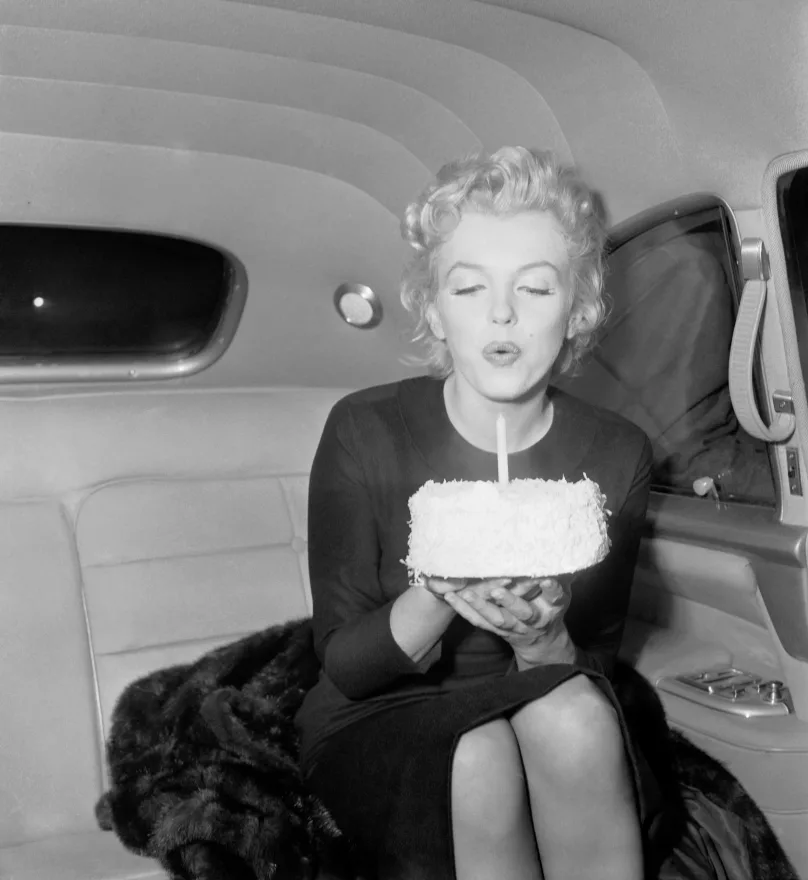
A century later, we stripped away the tinsel. We look past the dazzling commodity created for bourgeois consumption, and we reclaim the brilliant, defiant woman from the Radioplane factory.
Happy 100th Birthday, Comrade Norma Jeane. Your struggle against the machine is not forgotten.







Beyond the glamour and the myth stood a woman who challenged stereotypes, sought artistic respect, and left a lasting mark on culture and society. A fitting tribute to Norma Jeane at 100. �
EFE Noticias +1
This is a singular piece of writing 👌. Thoroughly shaken and moved.
What a beautiful piece on Marylin Monroe by beautiful Keerthana S .S.!! Loves ❤️ & blessings, Keerthana. Keep writing, Nalin