


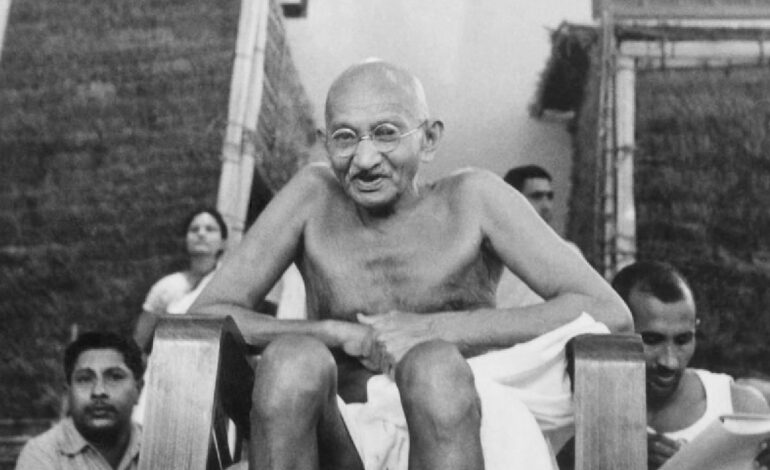
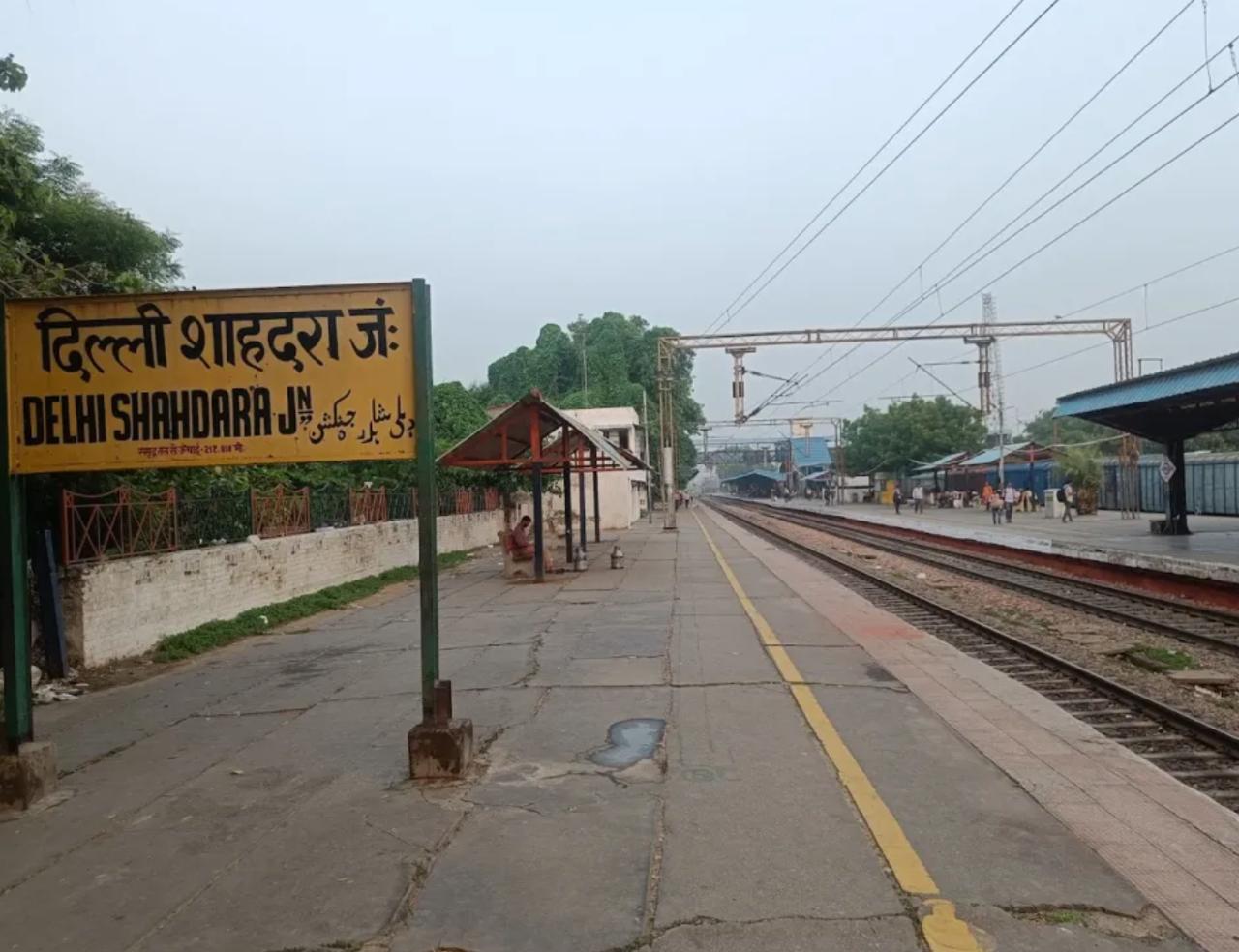
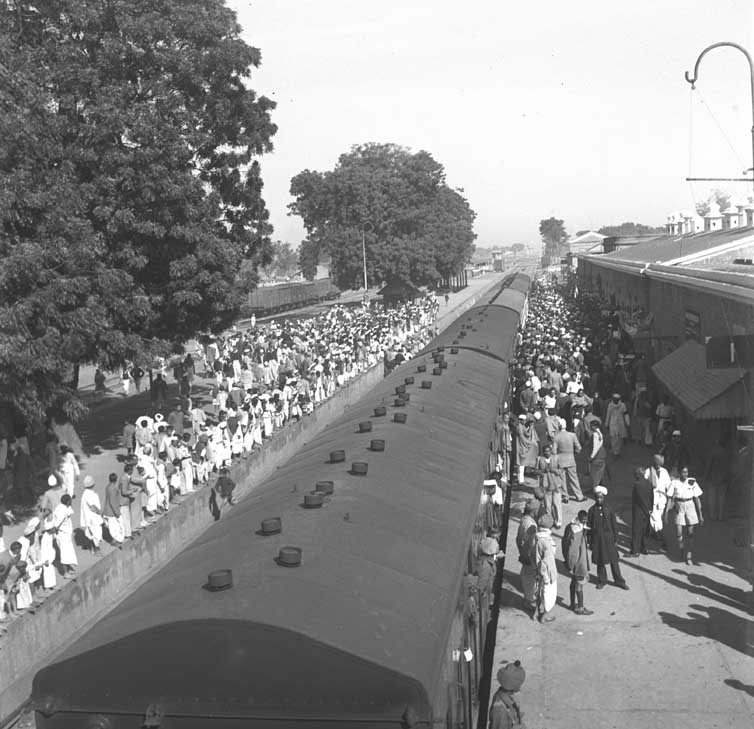
The morning of September 9, 1947, did not dawn with the jubilant spirit of a newly independent nation. Instead, a heavy, disquieting silence hung over Delhi, a silence punctuated by whispers of fear and the cries of those displaced by the rampant riots that rocked large parts of North India. It was into this fractured landscape that Mahatma Gandhi’s train, already running late, arrived at Shahdara Railway Station. The chugging locomotive, usually a symbol of a city’s vibrant pulse, felt sluggish and weary. This small, seemingly unremarkable delay was a poignant symbol of a capital whose very lifelines had been thrown into disarray by the brutal reality of Partition. Delhi’s people, like its railways, were unmoored, their lives rerouted by a vast, violent upheaval.
He had come to Delhi almost a month after the declaration of Independence. He came to a capital struggling with its own soul. This was not a visit of a triumphant leader, but of a moral guide returning to a city on the brink, his presence a final, desperate plea for sanity amidst the madness of Partition. On his first visit to this city 12th April 1915, he was received by the students of St Stephen’s College at the Old Delhi station. For his last one, he had to deboard at Shahdhara railway station, the train terminating before it crossed Yamuna. The situation in Old Delhi station was not conducive.
On this last arrival to the capital, Gandhi was to witness a different Delhi. The buzzing political nerve centre of the nation’s independence struggle was no longer alive to the tunes of patriotic slogans. The omnipresent grandeur and the imperial protocols of Lutyen’s area was amiss. A newly born nation found itself stained with the blood of its own people. Just weeks after the triumphant dawn of Independence, the dream of a free India had curdled into a nightmare of mass migration and communal violence. While Delhi’s official buildings buzzed with the machinery of a new government, its streets and railway stations bore witness to a profound human tragedy. It was into this landscape of chaos and despair that Mahatma Gandhi made his final, most critical pilgrimage for peace.
As Gandhi, accompanied by his faithful personal secretary Pyarelal Nayyar, stepped onto the platform at approximately 9:00 am, there were no celebratory drums or sloganeering to welcome. No red carpet for the tallest leader of the independent country. The air was thick not with flower petals, but with the scent of dust and unwashed bodies. He was met not by a welcoming committee, but by the solemn, weary faces of Sardar Vallabhbhai Patel and Sarojini Naidu, their usual warmth replaced by a palpable gravity that mirrored the immense burden they carried.
The scenes that unfolded before Gandhi at the station was a tableau of human suffering. Shahdara station was a dense mosaic of exhausted refugees, their clothes caked with the dust of their long journeys, their faces hollowed by fear and fatigue. Their worldly possessions were reduced to a few tightly bound bundles, clutched like lifelines. Gandhi, ever attuned to the human spirit, absorbed this sight in profound silence for a while, his eyes reflecting a deep and empathetic sorrow. It was not surprising to him. He anticipated it with his experience in Bengal in the previous weeks. He had not arrived in the capital to bask in the glow of freedom but to confront the raw, painful aftermath of a nation’s birth.

Gandhi stood on the Shahdara platform, the cries and murmurs of the thousands of refugees washing over him like a tide. He did not need a report to understand the scale of the tragedy. Pain was etched onto every face, visible in every ragged bundle. The political leaders saw a crisis of law and order, but Gandhi saw a crisis of the human spirit. His quiet sorrow was not just for the victims but for the very soul of the nation he had helped liberate, now tearing itself apart. Unlike the vigour and enthusiasm of earlier years, those were different days. When he spoke, his voice was not for the politicians in front of him but for the bruised and broken hearts around him, reminding them that true freedom could not be built on the foundation of hatred.
Though emotionally broken, Gandhi gathered his strength and within moments, he turned to the crowds. He didn’t shout or command. Ramchandra Guha in his book ‘Gandhi: The years that changed the world’ notes that he spoke with a voice that was soft yet unyielding, a quiet force that cut through the surrounding despair. “The blood of Muslims is as precious as that of Hindus,” he declared, a profound and courageous statement that hung in the oppressive air, a beacon of moral clarity in a moment of utter darkness. This act at Shahdara Railway station set the unshakeable tone for his final stay at Birla House, and may be his assasination too. Words that were reflective of his unwavering commitment to non-violence in the face of escalating violence.
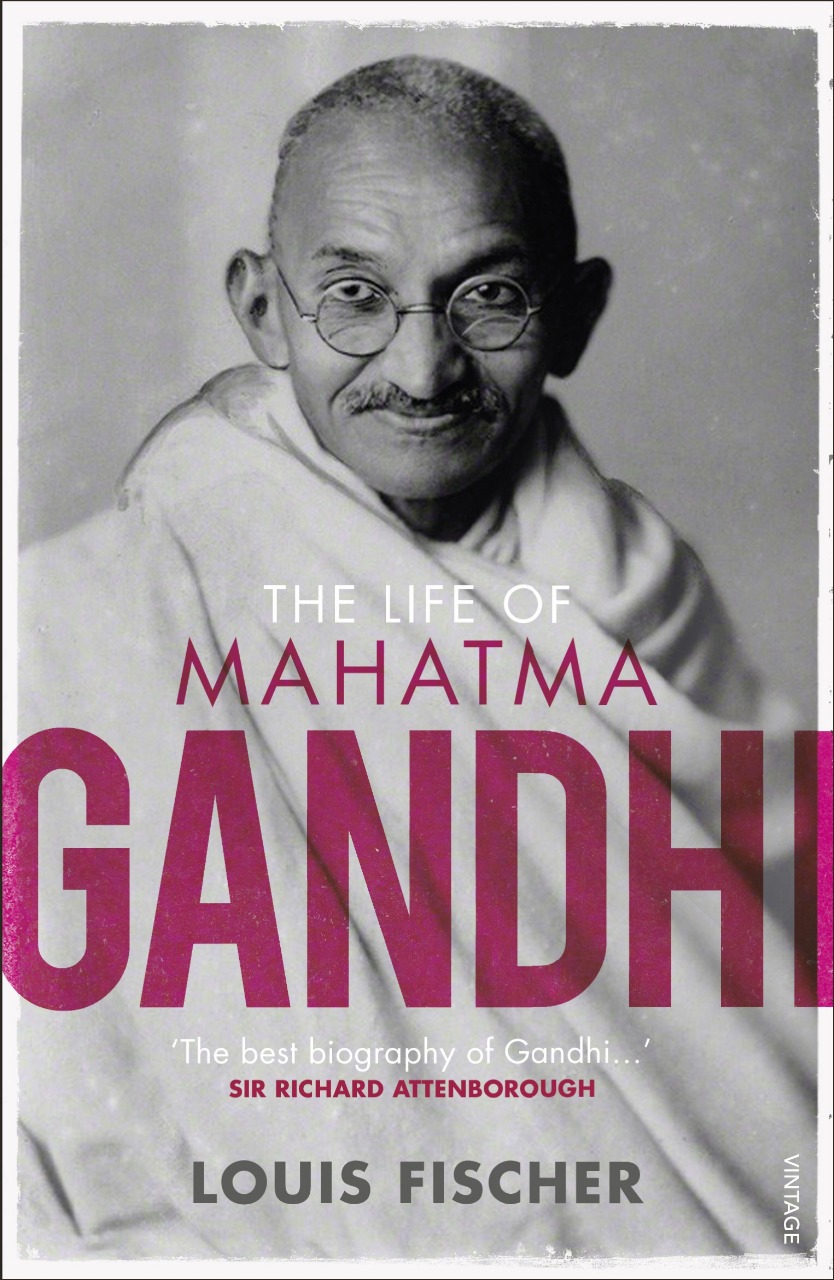
Gandhi had thought of continuing to stay at his previous abode in the city at the Harijan Basti in Reading Road in the premises of the Valmiki Mandir. He was a resident of this colony almost always, barring some breaks since April 1, 1946. He held meetings of senior Congress leaders, British officers and even had long hours of discussion with American journalist and author Louis Fischer at the Basti. Fischer was working on his biography ‘The Life of Mahatma’, at that time.
Gandhi’s heartfelt desire to return to Bhangi Basti, the community where he had previously lived among the Valmiki people, was declined. His earlier stays were marked by his hands-on dedication to social upliftment, where he taught children and fostered inter-community harmony. He felt a deep, almost spiritual pull to be with these marginalized communities during this time of crisis. However, Sardar Patel and other leaders, citing grave safety concerns, regretfully denied his request. The colony, now a crowded and volatile refugee camp, was deemed too dangerous.
The denial of his request to visit Bhangi Basti was more than a security precaution, it was a profound moment of disconnect. Gandhi had always found solace and strength among the marginalized, believing their company to be the truest path. To be barred from them now, to be told his presence was a danger, was a bitter pill to swallow. Yet, a part of him knew that by moving away from the people he served, he was also moving toward a more isolated and dangerous fate.
Though Gandhi accepted their decision with his characteristic grace, his disappointment was palpable. The tragic irony of this decision would later be noted by some like Dalit activist and Balmiki community leader Dr. Om Prakash Shukla, who suggests that the natural protection of a populous community might have shielded him from the isolation that contributed to his eventual assasination. Shukla has been fervently advocating that Gandhi’s killing was more to do with his love for the dalit untouchables, an act that was feared to be a challenge to the established upper caste dominated social order in the independent nation.
The journey from Shahdara was a blur of dust and despair. After Yamuna bridge and crossing the Tees Hazari area, the motorcade moved through streets where suspicion and fear lurked in every alleyway. But along the way, Gandhi called for an unscripted halt at Talkatora Garden. As noted in Pyarelal Nayyar’s diary, this was not merely a break but a deliberate act of reflection. In the quiet solitude of the garden, amidst the rustling of leaves and the distant sounds of a city in turmoil, Gandhi meditated. He used these moments to center himself and to strategize, demonstrating his powerful ability to blend deep contemplation with decisive action. This brief, tranquil interlude was his silent preparation for the maelstrom that awaited him at Birla House.
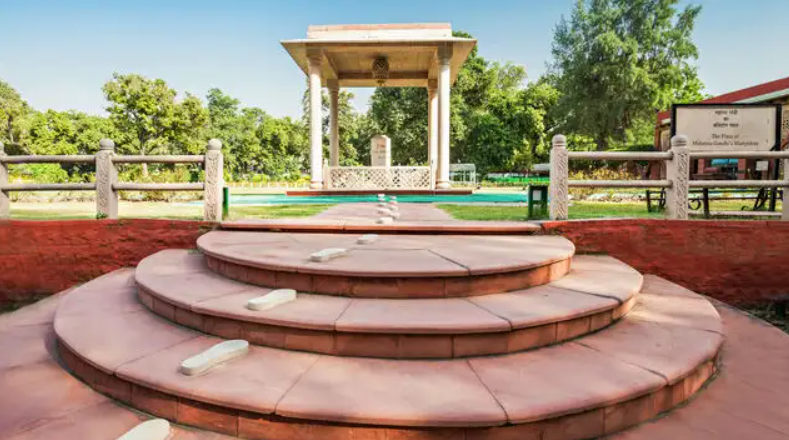
Soon after reaching Birla House, his last abode, Gandhi held an impromptu meeting with local Congress leaders and relief workers. For him, politics was not an abstract game of power. It was a living, breathing commitment to service. He bypassed questions of high policy, focusing instead on the tangible, visceral needs of the displaced, their access to food, shelter, and protection. His questions were not about grand strategy, but about the very essence of survival.
Gandhi’s actions during this period were a testament to his core beliefs. Guha writes that he famously abstained from the jubilant Freedom Night celebrations on August 15, 1947, because he consistently believed that “service to the suffering was more urgent than celebrations”.
Birla House was meant to be a sanctuary, a secure base from which to conduct his mission. The spacious rooms and manicured gardens were a stark contrast to the ravaged city outside. Here, the country’s leaders could meet in relative safety to strategize. But for Gandhi, the very walls that offered him protection from the riots also insulated him from the very people he had come to serve. It was a golden cage, and the irony was not lost on him. He was safe, yet isolated.
Gandhi immediately transformed the residence into a command center for peace. He held immediate, urgent consultations with Patel, Naidu, and other leaders, coordinating relief efforts for riot-affected neighborhoods across Delhi. While the house offered a secure base for his work, Pyarelal Nayyar observes a profound truth in his writing “its very isolation made him tragically vulnerable”.
Gandhi’s final visit to Delhi was not about political maneuvering or ceremonial, spectacle oriented public interactions. It was a final, selfless act of service. While others celebrated freedom and built governments, he immersed himself in the pain of his people. His last days were a living testament to his core philosophy: that true liberation lay not in power or patriotism, but in compassion and non-violence. His actions at Shahdara, his desire to return to Bhangi Basti, and his ultimate sacrifice at Birla House together form a timeless narrative, reminding us that the measure of a nation’s greatness is found not in its triumphs, but in its ability to heal its deepest wounds.









Very insightful
Great Anu jain mam…u balance all parameters and make it intresting to read for all others fields..
I must say this is a very interesting and important information. Nicely crafted in words. Moving for families like us who have been at the receiving end. Never knew this. Thank you.
It’s important for aspirants mostly who has history optional subject…..,👍🏻thank u mam
Good reading Aidem. Different from others.
Didn’t know this . Thank you
What a way to rewrite, quite impressive. Gandhi’s passion for ‘selfless acts of service’ is more relevant in the contemporary era.