

The Sovereign Silence – An Analysis of the 2026 AI Summit

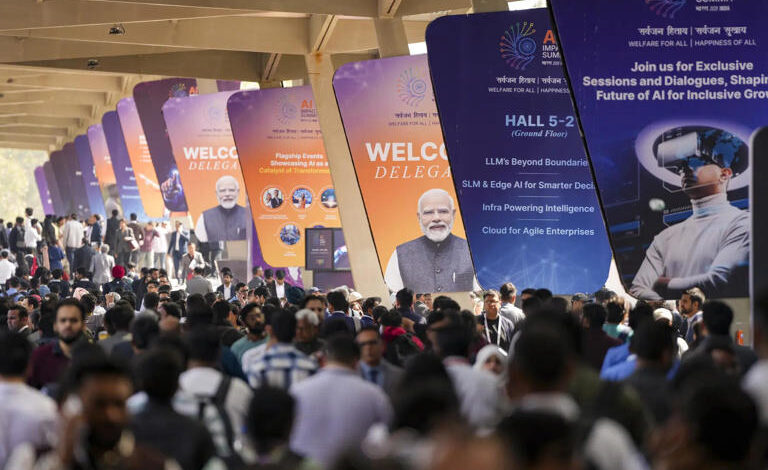
The spotlights at the 2026 AI Summit are blinding, designed to obscure the shadows where the real power dwells. On stage, the rhetoric is electric — saturated with terms like “sovereignty” and “disruption.” For a fleeting moment, it feels as though the epicentre of the intelligence revolution has finally migrated East.
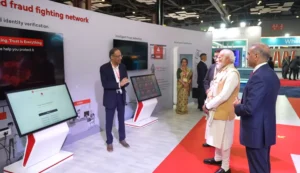
But after the applause fades, the logic remains: Are we architecting the future, or are we merely decorating it?
The Anatomy of Digital Mercantilism
History is not repeating; it is simply changing its medium. If we look closely at the front row of the summit, the ghosts of the 18th century emerge in digital skin.
The New Robert Clive:
Just as Clive used a trading charter to establish a “company state,” figures like Elon Musk and Bill Gates represent the soft-power entry. By embedding “foundational” software and philanthropic standards into our public systems, they cultivate a digital soil that we work, but they own.

The Modern-Day Jagat Seth:
The high-finance intermediaries who once banked the Nawabs have been replaced by the architects of the “Cloud Rails.” Satya Nadella oversees the infrastructure of thought; we do not own the servers — we merely rent our existence on them.
The Digital Dalhousie:
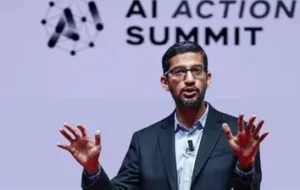
The “Doctrine of Lapse” has been modernised. Under Sundar Pichai, any sector of the Indian economy — from healthcare to UPI — that lacks a native AI “heir” is effectively annexed by foreign algorithms that can “manage” it better.
The Thermodynamics of Exploitation
The physical reality of the summit is its most damning logical flaw. We are witnessing a Net-Negative Resource Exchange that mirrors colonial extraction.
We are burning our finite physical lifeblood — the water of Bengaluru, the land of our outskirts — to sustain the infinite digital expansion of foreign entities. This is not partnership; it is an extractive cycle where we provide the cooling for machines that monetise our own data.
The Value Chain Trap: Market vs. Maker
Logic dictates that India’s current role sits at the “Lower End of the Smile Curve.” In the global economy, value is concentrated in the Concept (R&D) and the Brand (Distribution). The middle — the assembly and hosting — carries the lowest margins.
By hosting the summit without owning the Foundational Models or the Semiconductor Fabs, India is positioning itself as the “Assembly Line of AI.” We provide “Cooling as a Service” and “Data as a Service,” while the high-margin “Intelligence as a Power” remains offshore.
“A market is a place where you spend; a maker is a person who earns. We are being cheered for our scale as a consumer, not our strength as a creator.”
From Host to Owner
Empires no longer arrive with flags; they arrive with Server Stacks. They no longer extract spices; they extract Metadata. They no longer demand tribute in gold; they invoice it monthly, per token, in a currency we do not control.
February 16, 2026, marks a symbolic beginning. But the true history of Indian AI will only begin when we decide whether we want to host the revolution — or own the code that writes it.
The real beginning is not found under conference lights, but in the sterile silence of a domestic semiconductor fab and the ownership of our own sovereign compute.








This report raises deeply troubling questions about power, proximity to influence, and the lack of transparency in public life. The paper trail highlighted here deserves serious, independent scrutiny, not silence. When allegations intersect with global networks of privilege, accountability becomes even more important. Public trust depends on clear answers, institutional oversight, and the courage of the media to pursue uncomfortable truths