

‘Wake Up Keralam’ Questions Kerala High Court for Criminalising Dalit Protest While Ignoring Caste Injustice

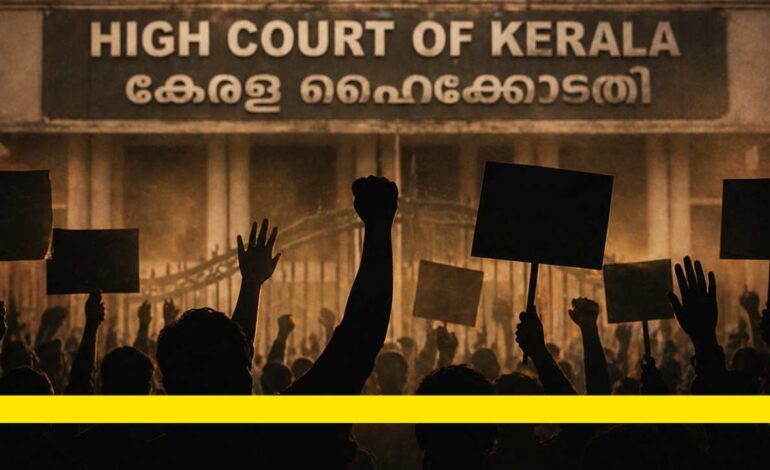
The people’s collective “Wake Up Keralam” (WUK) has mounted a sharp and unequivocal challenge to the suo motu proceedings initiated by the Kerala High Court against Dalit organisations which called for a hartal on 28 April 2026 . The WUK pointed out that the court’s move was not just legally questionable, but fundamentally undemocratic.
The hartal had not happened in a vacuum. It was a cry of anguish and protest following the tragic suicide of medical student Nithin Raj, a young man reportedly pushed to the brink by sustained caste-based humiliation. Testimonies from fellow students have highlighted a pattern, not an aberration—an entrenched culture of discrimination that continues to fester within Keralam’s much-vaunted higher education system.

It is in this context that leaders of Wake Up Keralam—including K. Sachidanandan, Khadija Mumtaz, C. R. Neelakandan, Haridas Kolathur, Kusumam Joseph, Ajitha Usman, Suresh Kodur, and Sarath Chelur—have come together to denounce what they see as a grave injustice. They pointed out that even after bail was denied, the failure to arrest the accused teacher in Nitin Raj’s case exposes a disquieting inertia when it comes to acting against caste oppression.
“Instead of addressing this moral and institutional collapse, the focus has shifted—almost conveniently—to disciplining those who dared to protest it. What makes this intervention particularly indefensible is the nature of the hartal itself. By all accounts, it was peaceful—devoid of violence, free from vandalism, and rooted in democratic expression. In a state with Keralam’s long and proud history of social reform movements, from anti-caste struggles to labour uprisings, such protests are not aberrations but inheritances. To criminalise them is to turn that history on its head.”
The question that demands asking is stark: when institutions fail the marginalised, and when even death does not trigger timely accountability, what avenues remain except protest?
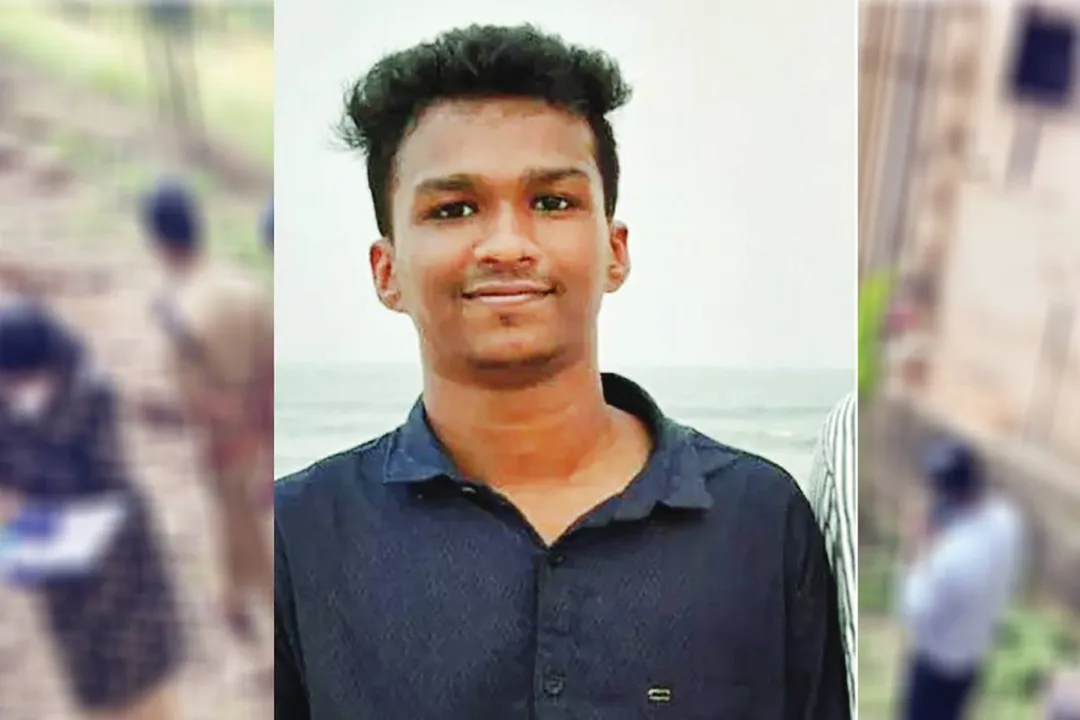
There is also a deeper, more structural violence at play. The suicide of Nithin Raj is not an isolated tragedy—it is part of a continuum shaped by the growing commercialisation of education. As higher education becomes increasingly exclusionary, Dalit and Adivasi students find themselves navigating not just financial barriers but also hostile social terrains. This convergence of caste prejudice and economic exclusion creates a lethal environment—one that claims lives while preserving the façade of meritocracy.
In such a context, the hartal was not merely a protest; it was an assertion of dignity.

By initiating suo motu proceedings against it, the judiciary risks aligning itself with a pattern that punishes resistance while postponing justice. This inversion of priorities erodes public faith—not only in institutions but in the very idea of constitutional morality.
If Keralam is to remain true to its progressive legacy, the path forward is clear. Ensure swift and uncompromising justice for Nithin Raj. Hold the accused accountable without delay. And withdraw legal actions that seek to intimidate those who stood up, peacefully, against injustice.
Anything less would not just fail one student—it would fail an entire promise. – WUK leaders observed.







“A sharp and courageous piece that raises uncomfortable but necessary questions about justice and accountability. It powerfully highlights how caste realities continue to be overlooked, making this both timely and deeply thought-provoking.”