

How to Watch A Football Match, the Right Way


The concluding essay in The AIDEM’s countdown to the FIFA World Cup 2026 discusses how changing the way we watch the game can elevate our experience of engaging with it. The first part focuses on how highlights emphasise the memorable rather than the important, preventing viewers from getting the real picture. The second part of the story draws on the insights of Ruud Gullit and Andrea Pirlo to outline the right way to watch a match.

In our series so far, we have discussed various analytical models and considered a more extensive one. We went back in time to browse through the intellectual history of football and the ideologies that have shaped the game into what it is today. And now, the day is upon us. It is kickoff time for the tournament that will, for the next 30 days, occupy imaginations and conversations across the board.
You’ve got the screen, the company, the snacks and drinks…but are you watching football as you should?
Highlight Bias to Algorithmic Football:
Why you should watch the full match and not just the highlights?
Highlight shows are fun. But, curiously, they also make it more difficult for viewers to appreciate what really happens on the pitch during the 90+ minutes of a match.
They provide a small and very unusual sampling of what happens during the course of a match. They highlight extraordinary feats of athleticism and skill in a very compressed period of time. But we don’t see the shots that went astray, endless passes back to the goalkeeper, ping pong back and forth in midfield, or goal kicks that go out of bounds.
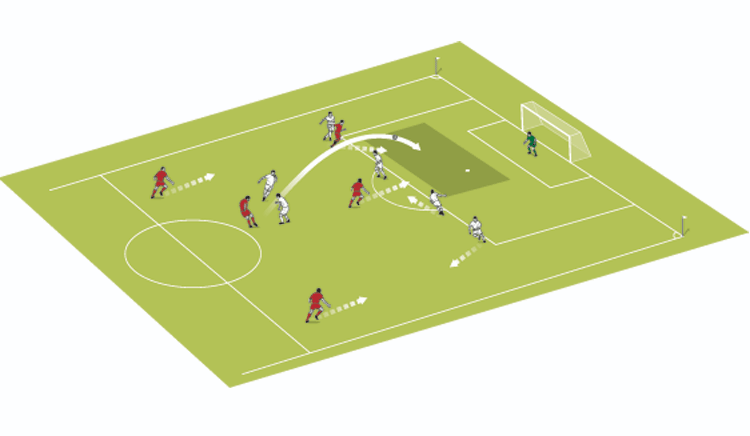
This matters. First, it means that the football of ‘highlights’ is a game of outliers, i.e., things that don’t actually happen all that much. This makes the task of analysts – to provide an accurate representation and analysis of what does happen on the pitch – more challenging. They also lead fans astray because they play to what psychologists would call their cognitive limits and biases. The biggest problem with highlight shows is that they commit one of the cardinal sins of statistical analysis: selection bias. Thus, were we to conduct a study of what leads to goals, we would be likely to draw biased conclusions. This is a classic example of what scientists call selection on the dependent variable, because we are restricting the variation in the outcomes we are trying to understand.
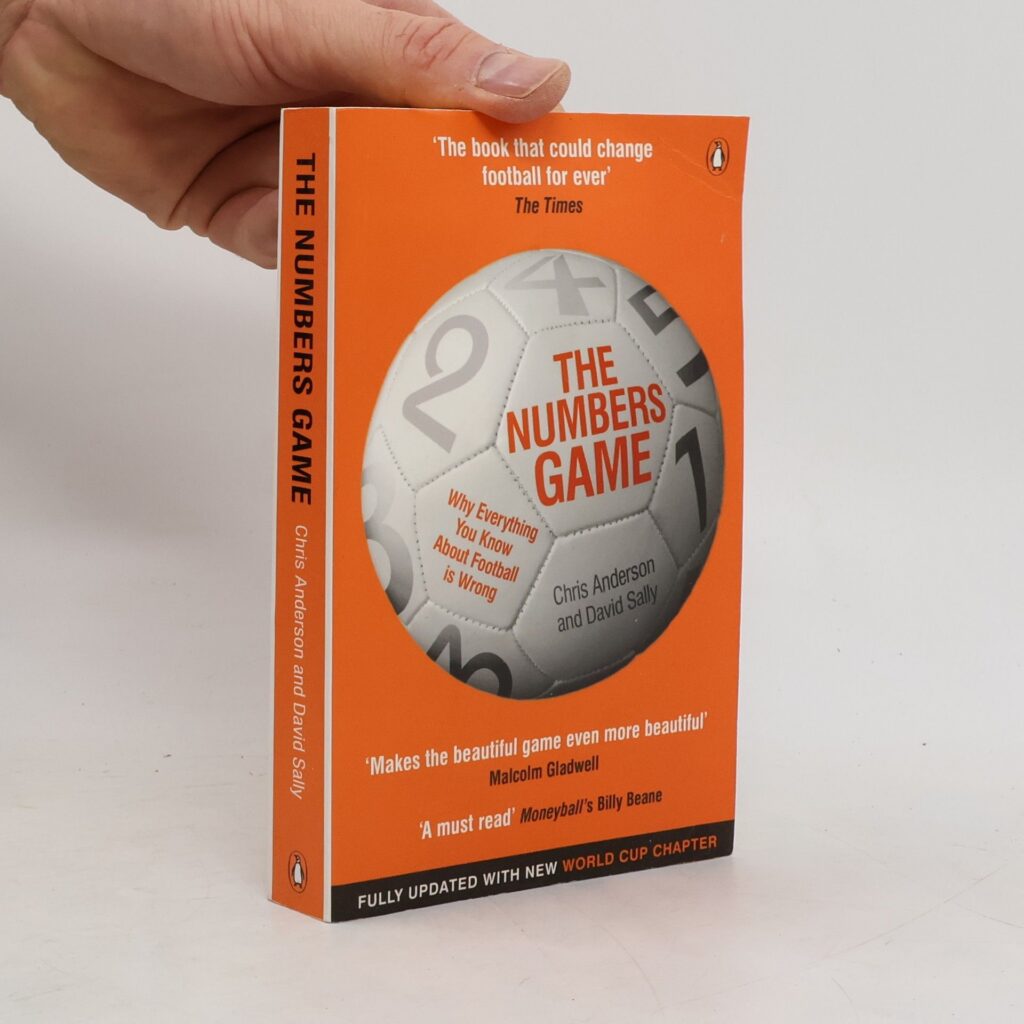
Chris Andersen & David Sully discussed this at length in their book ‘The Numbers Game’, published in 2013. This is more relevant in 2026 because the football media ecosystem has evolved from merely showing highlights to actively curating reality through algorithms. Today, the situation is more extreme. The modern fan increasingly consumes football through: 15-second clips, tactical threads, heat maps, viral moments, rage bait, and player compilations.
The highlight show has not disappeared; it has conquered football. What was once a thirty-minute television programme has become the dominant mode through which many supporters experience the game. Modern football fans increasingly consume goals without context, moments without processes, and outcomes without understanding the systems that produced them. Social media platforms have transformed the highlight from a summary of reality into reality itself. Algorithms systematically train fans to believe unusual events are normal.
The result is not merely highlight bias. It is an algorithmic selection bias. The algorithm does not show what is important. It shows what generates engagement. Those are not the same thing.
In 2026, the analyst’s task is to see beyond the algorithm. The tools have changed. The screens have changed. The data has changed. Human cognition has not. We still remember the spectacular, forget the ordinary, and confuse the memorable with the important. Football analytics remains, at its core, an attempt to rescue reality from our own biases.
How to Watch a World Cup?
There are two ways to watch football. The first is the way most of us watch it. We follow the ball. The second is the way footballers watch it. They follow everything except the ball. The difference between those two ways of seeing may explain why a World Cup can appear simultaneously simple and impossibly complex.
To the casual spectator, football is perhaps the simplest game in the world. Twenty-two players chase a ball. One team scores. The other does not. Ninety minutes pass. The result appears obvious. Ask a great player what happened, and an entirely different world emerges. Invisible movements. Passing lanes. Pressure. Space. Angles. Timing. Fear. Confidence. Fatigue.
The game behind the game. This is where Ruud Gullit and Andrea Pirlo become useful guides. One teaches us how to see; the other how to think.
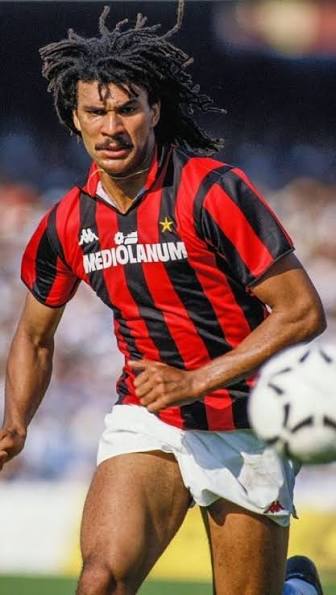
Stop watching the ball and start watching the players furthest from it.
Ruud Gullit’s central insight is deceptively simple. Most spectators watch football incorrectly. They watch the ball. Footballers watch space. The ball is merely the visible object around which everything else revolves. The real drama occurs elsewhere. Watch a match carefully, and you begin to notice something peculiar. For long periods, the most important player is not touching the ball. A centre-back adjusts his position by two metres. A midfielder turns his body slightly. A striker drifts towards a defender. A full-back moves ten yards higher. Nothing seems to happen; everything happens. The television camera teaches us to follow the action. Football teaches us to follow the structure. Football is a game of creating and destroying possibilities. The ball merely reveals the outcome. Space reveals the process.
Football is fundamentally a problem of time. Everyone sees the same field. The great player sees it earlier.
Andrea Pirlo’s great contribution is not tactical; it is phenomenological. He describes football from inside consciousness. Reading Pirlo is like entering the mind of a chess player who happens to be moving through space at speed. A pass is not executed when the ball leaves the foot. It is executed seconds before. The midfielder scans. Predicts. Calculates. Waits. Then acts. The physical pass is merely the final stage of a mental process. Pirlo repeatedly returns to anticipation – the ability to know what will happen before it happens.
Football intelligence is therefore not merely technical ability. It is temporal superiority. The genius arrives first. Not physically. Mentally.
This insight transforms the way one watches the World Cup. Most viewers focus on moments. The great pass. The spectacular goal. The dramatic save. Pirlo teaches us to look for decisions. Why did that player choose that option? What alternatives existed? How quickly was the decision made? The quality of football often resides not in execution but in selection. The pass that was chosen. The run that was not made. The shot that was delayed. The tackle that was avoided. Football is a game of decisions disguised as a game of movements.
The Art of Seeing A Football Match
Together, Gullit and Pirlo reveal something profound: Football is simultaneously a spatial and temporal art.
Gullit asks, “Who controls space?”
Pirlo asks, “Who controls time?”
The answers often determine the outcome of a match.
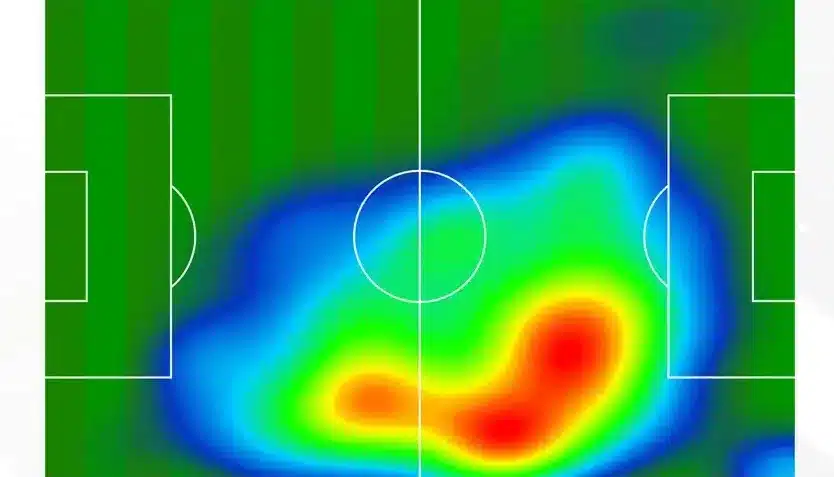
This is also why statistics alone can never fully explain football. A possession chart may tell us who had the ball, but not who controlled the space. A passing network may show connections, not confidence. Expected goals may estimate probabilities, but cannot capture anticipation. Football is too complex to be reduced entirely to numbers. Yet it is also too structured to be dismissed as luck. The game lives somewhere between chaos and intention, probability and imagination.
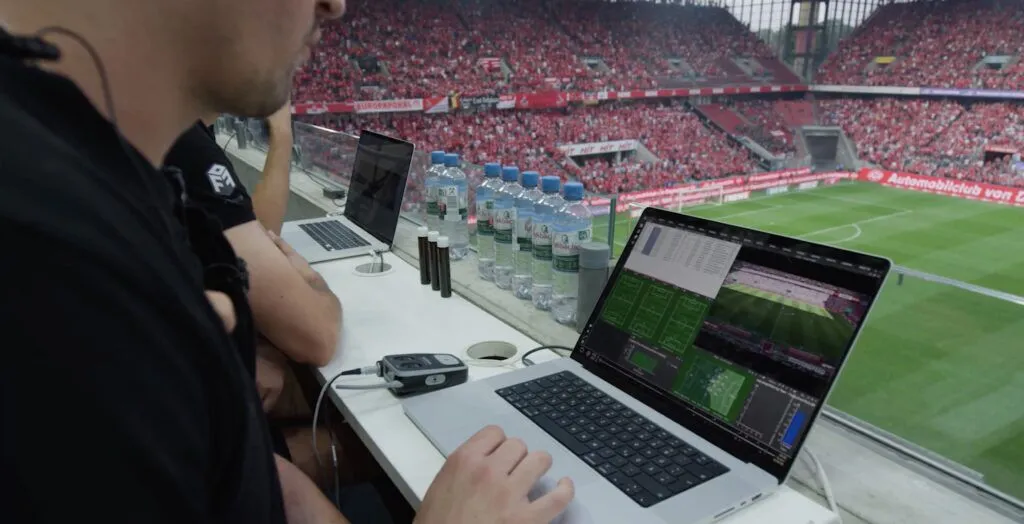
As the World Cup unfolds, try a small experiment. For five minutes, ignore the ball. Watch a central midfielder. Observe how often he turns his head. Notice how he positions his body before receiving possession. Count how many times he scans. You will begin to see the game differently. Then watch a centre-back. Notice how rarely he moves dramatically. Observe how much of defending consists of positioning rather than tackling. Then watch a striker. Notice how often his most important movement never receives the ball. The game gradually changes shape. The visible match becomes merely the surface of a deeper contest.
Johan Cruyff once remarked that football is played with the head and the feet merely help. Pirlo would have agreed. Gullit would have added that eyes matter as much. The great footballer sees first. Thinks second. Acts third. The spectator usually experiences these stages in reverse order. He sees the action, then tries to understand it. Then invents an explanation.
The World Cup offers a rare opportunity to reverse the process. To watch not merely the ball. But the spaces around it. Not merely the pass. But the thought behind it. Not merely the goal. But the chain of decisions made the goal inevitable. For the deepest lesson of football may be this: The game is not really about what happens. It is about what becomes possible. And the finest players are those who perceive possibilities before anyone else can see them.
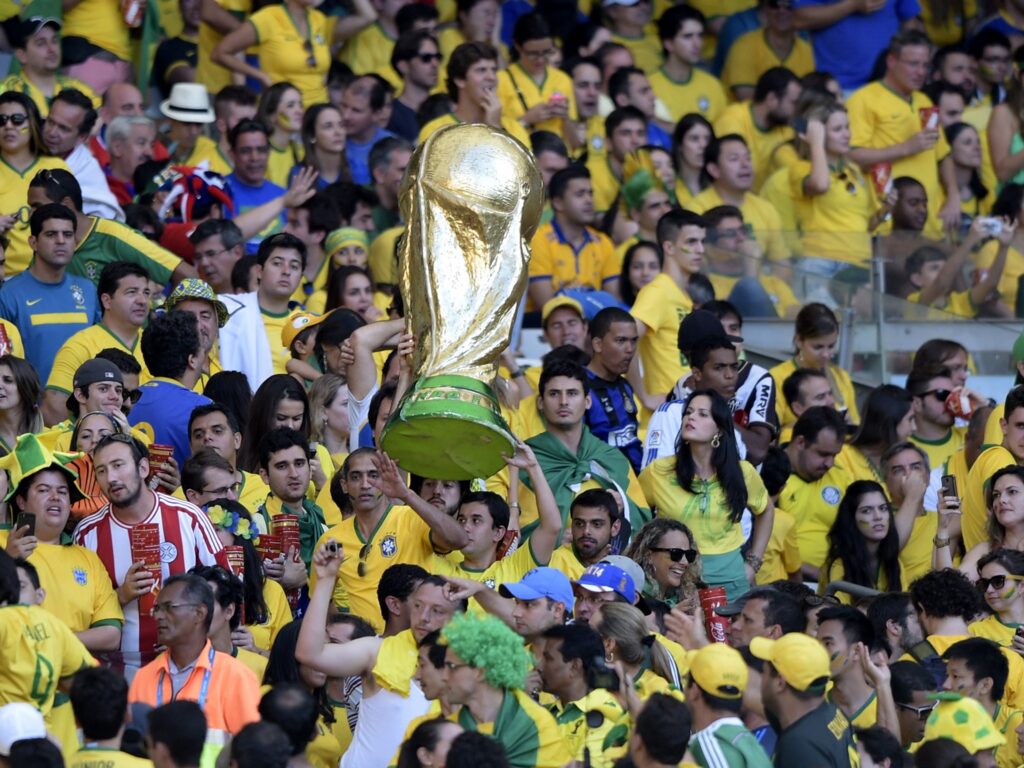
The World Cup is often described as a tournament of nations. In reality, it is a tournament of perception. Some teams see opportunities earlier. Some players recognise patterns faster. Some coaches understand spaces better. Victory often belongs not to the strongest side but to the one that perceives reality more clearly than its opponent.
Football’s greatest mysteries are rarely hidden. They are simply invisible to those who do not yet know how to see.
So, pick your team to support…it’s time to play ball!

This series is a concise version of a long-format Substack series on the World Cup by JP Santhanam. The Substack posts can be read here.
Related Stories: FIFA World Cup 2026








In an age where every pass and touch is reduced to data, this article reminds us that football is still a game of imagination, joy, and human connection. Watching a match is not just about analysis—it is about feeling the story unfold. Beautifully written.