

Iran’s Dual Militaries: The Strategic Masterpiece of Revolutionary Architects

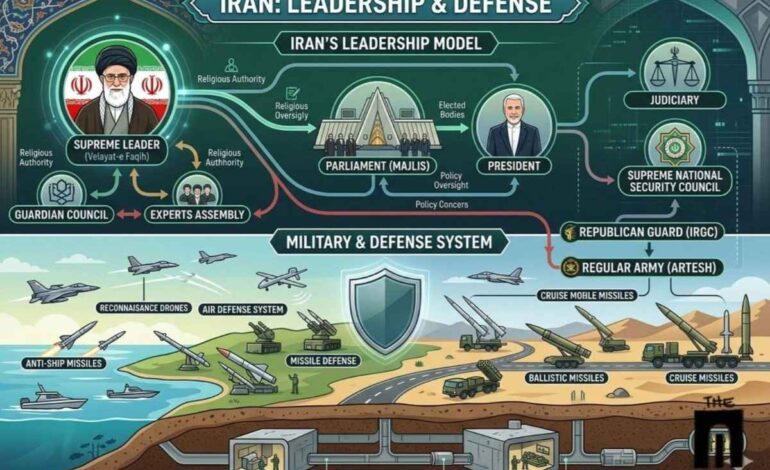
In almost every country in the world, there is a single national military responsible for protecting borders and dealing with external threats. However, Iran stands as an extraordinary example where two parallel military systems exist simultaneously. This is not merely an administrative requirement but a profound and deliberate strategic decision.
Revolutionary Fear and the Structural Cure
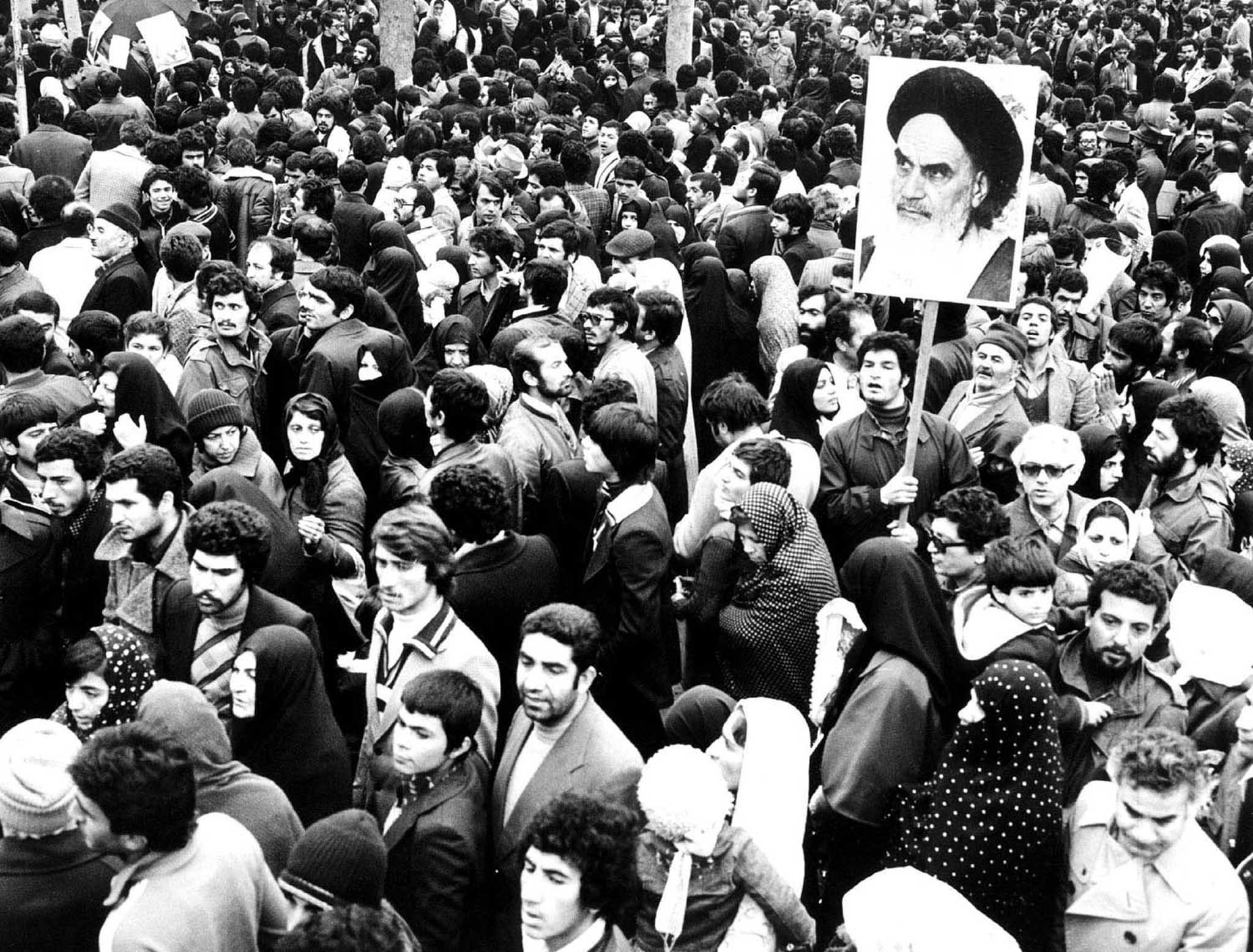
Following the 1979 Islamic Revolution, Iran’s new leadership was faced with a fear that haunts every revolutionary government like a shadow: the fear of a coup. History bears witness that after most revolutions, the very army that once protected the state often seizes power within a few years. The architects of Iran’s revolution found the remedy to this threat in a multi-layered defense system where power is never concentrated in a single institution.
The Artesh: The Iron Guardian of the Borders
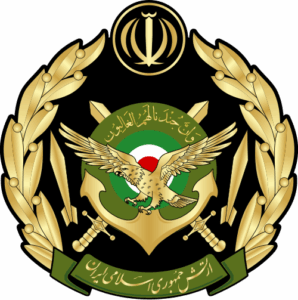
Iran’s conventional national military, known as the Artesh, is a classical military institution structured similarly to other professional armed forces globally. Its primary roles include border defense, the command of naval fleets, and air defense, supported by a significant strength of 350,000 professional ground troops, modern tanks, and fighter jets. A key distinction of the Artesh is its mandate; its primary duty is the geographical defense of the country rather than the protection of the political system, and as a result, it is deliberately kept at a distance from the center of political power.
The IRGC (Islamic Revolutionary Guard Corps): The Impregnable Fortress of the Revolution
For the survival of the revolution, an entirely separate and autonomous institution known as the IRGC (Sepah-e-Pasdaran) was formed. Far from being a traditional military wing, it operates as a multi-dimensional center of power that functions simultaneously as a military force, an intelligence network, and a vast economic empire. The IRGC holds the lion’s share of Iran’s ballistic missile and drone programs and commands the specific naval force that stands eye-to-eye with the U.S. Navy in the Persian Gulf, solidifying its role as a dominant pillar of the state’s strategic and political influence.
The Quds Force: War at the Enemy’s Doorstep
The most mysterious and elite wing of the IRGC is the Quds Force. Its philosophy is simple: “War is not fought at the doorstep of your own home; it is fought at the threshold of the enemy.” Under this strategy, the Axis of Resistance was established, which includes Lebanon’s Hezbollah, Iraq’s Popular Mobilization Forces (PMF), and the Houthi movement in Yemen. This force is a master of Asymmetric Warfare. They do not possess stealth aircraft, yet they know the art of paralyzing the enemy’s billion-dollar defense systems with cheap drones costing only a few thousand dollars.
The Basij: The People’s Defensive Layer
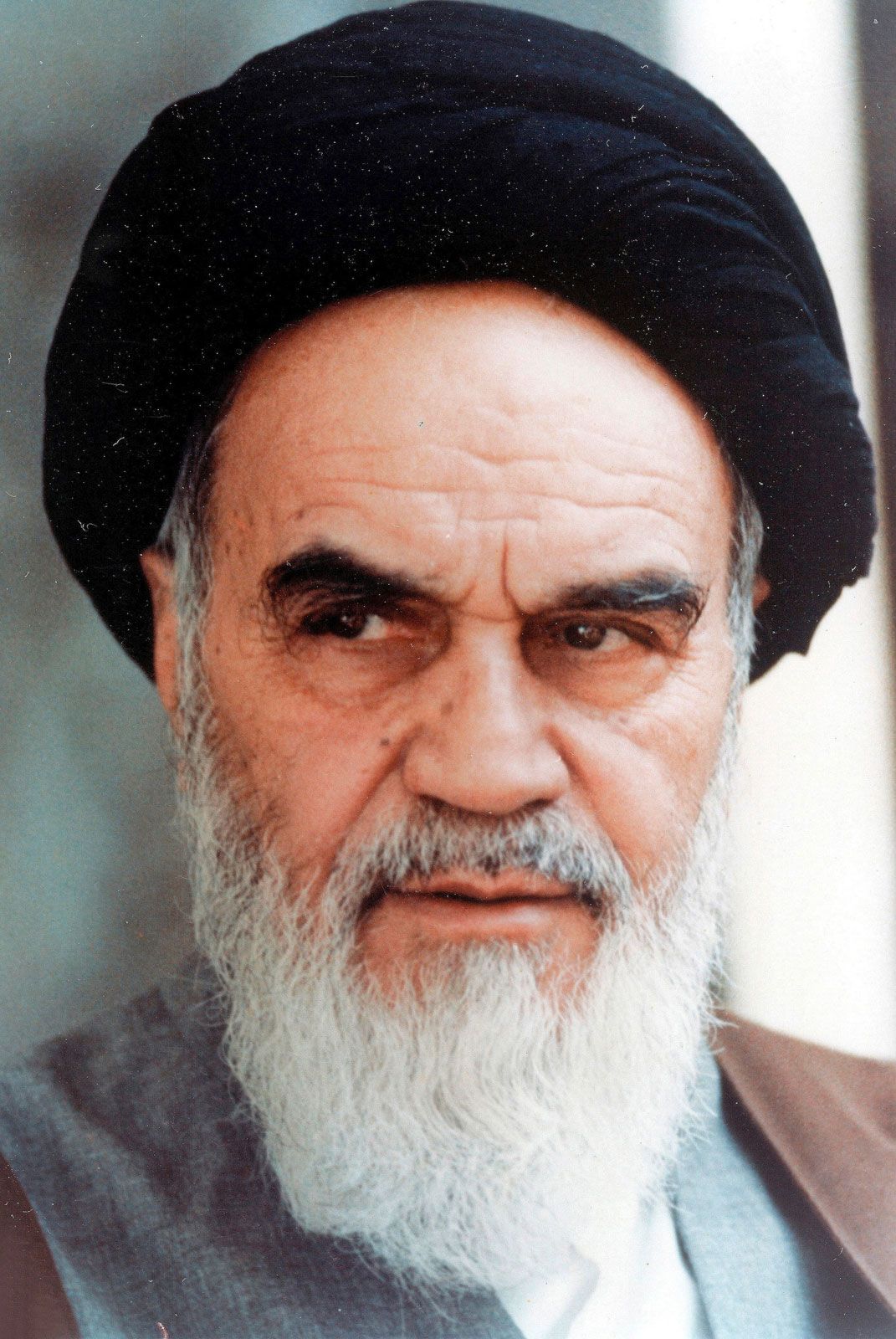
The third and perhaps deepest layer of Iran’s defense system is the Basij. In Persian, the word means “mobilization” or “preparation.” To fulfill Ayatollah Khomeini’s vision of a “People’s Army of twenty million,” a volunteer force known as the Basij was established as a subordinate branch of the IRGC. Composed of ordinary citizens, students, and laborers, this expansive network is primarily tasked with maintaining internal stability across the country. By maintaining a constant presence in streets and neighborhoods, the force possesses the unique capability to mobilize rapidly, allowing it to suppress internal rebellion or social instability in a matter of moments.
The Strategic Logic of the Triple Defense System
Iran’s defensive triangle is built on a peculiar but powerful logic: The Artesh protects the Nation, the IRGC protects the Revolution (The System), and the Basij supports the System from within Society.
Despite being separate, these three institutions monitor each other under a complex balance of power and are directly accountable to the Supreme Leader. The practical result is that the possibility of a military coup has been virtually eliminated, as any rebel group would have to clash not with one, but with three distinct armed walls.
An Army of One Million: An Impregnable Mountain Fortress
According to statistics, Iran’s active security ecosystem consists of over 600,000 personnel, which can exceed one million in the event of war when reserve forces are mobilized.
In Afghanistan, a mere 40,000 Taliban fighters exhausted the world’s greatest superpower for 20 years. Iran’s organized military is vastly more trained, disciplined, and equipped with advanced ballistic missiles.
A ground invasion of Iran would not be as simple as the invasion of Iraq. It would be akin to stepping into a country four times the size of Iraq, with a geography defined by rugged mountains, where the invader would face a layered defense system. Iran’s revolutionary architects have created a defensive machine where power is both distributed and integrated… and it is this very structure that has kept Iran standing through every storm for four decades.








“An insightful piece explaining how Iran’s dual military structure—Artesh and IRGC—adds both strategic depth and complexity to its defense system.”