India at Crossroads: Diplomacy, Economy and Domestic Turbulence


This article is the third in a series looking back at India in 2025 across politics, governance, the economy, and the social, cultural, and communal landscape. Here, Senior journalist Vipin Pubby provides an overview of Indian governance, diplomacy and economy and points out that as a country India is at the crossroads. Read below.
The outgoing year, which also marked the end of the first quarter of this century, proved to be a landmark year in the spheres of economy, politics, international affairs, defence, industry, education and much more. It also laid the foundation for the future and how it would impact our lives.
Global Diplomacy, Trade Tensions and India’s Foreign Relations
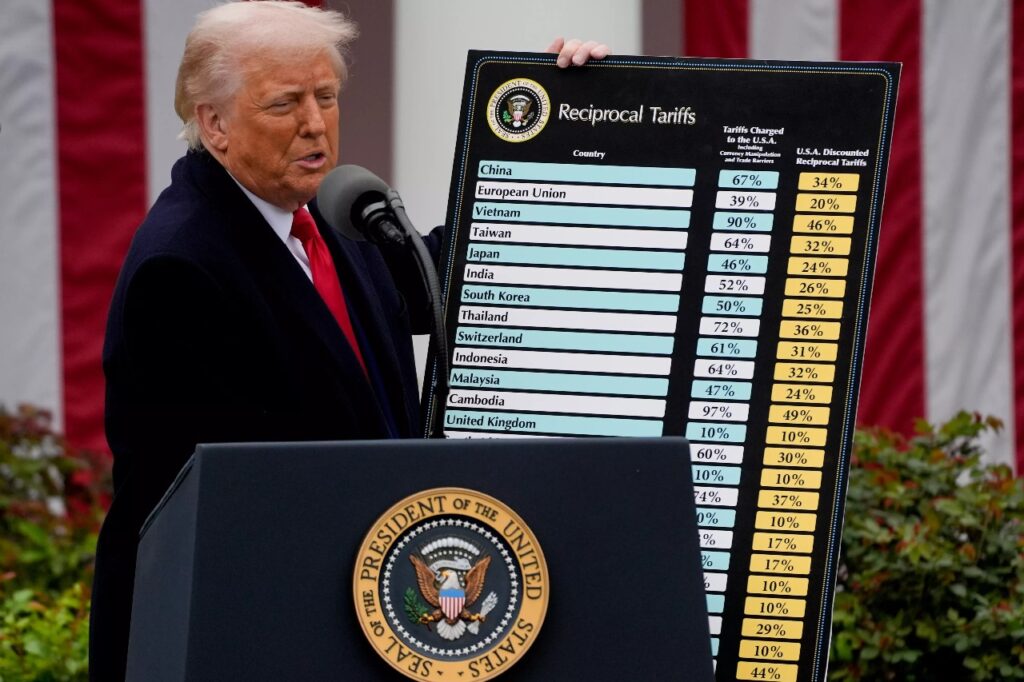
The year began with a bang, with Donald Trump assuming office as the President of the United States and unsettling the world economy by imposing steep tariffs in his quest to “Make America Great Again”.
India faced the brunt with one of the highest tariffs and penalties imposed on it for purchasing oil from Russia. While the US has been able to close trade deals with China and several other countries, a deal with India continues to be pending. Indian exports to the US have taken a hit, although efforts have been made to divert exports to other countries.
The lesson to be learnt from the standoff between the two countries on trade is that personal “chemistry”, as in the case of Trump and Prime Minister Narendra Modi, does not work when national interests are involved. The standoff between the two countries has drawn India closer to Russia and China this year. The de-escalation of tensions between India and China after five years of mutual distrust was a welcome sign.
However, relations with our other neighbour Pakistan continue to be on the downslide. The gruesome attack on tourists in Pahalgam led to Operation Sindoor, and there are no signs of an end to hostilities in the near future. The subsequent bomb blast near Red Fort in the national capital showed that while Pakistan continues to foment trouble, India also needs to tackle home-grown terrorism.
India’s relations with other neighbouring countries too remained uneasy. The overthrow of the Sheikh Hasina government in Bangladesh and continued attacks on Hindus in that country have led to the worst relations ever between the two countries since the time India helped Bangladesh attain its freedom in 1971.
Our relations with Sri Lanka and Nepal too are far from cordial.
Domestic Politics, Economy, Judiciary and Governance Challenges
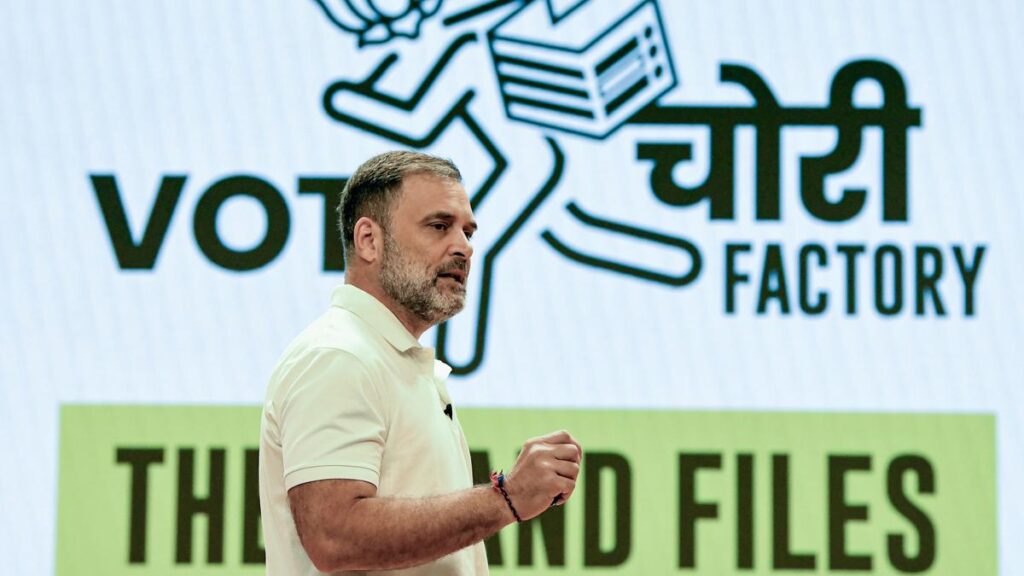
On the home front, the Bharatiya Janata Party had been on a roll, with a surprise win in the previous year in Haryana followed by massive victories in Delhi, Maharashtra and Bihar assembly elections. The opposition, led by the Congress, was decimated and appears to have learnt no lessons from its past follies. Evidently, the issues taken up by Leader of Opposition Rahul Gandhi, like the allegations of “vote chori”, failed to find any resonance among the electorate.
Despite the Trump tariffs, the Indian economy did comparatively well and the GDP growth rate was better than expected. Industrial growth, however, remained an area of serious concern, and rising unemployment is leading to an explosive situation. A positive step taken by the government was the rationalisation of the Goods and Services Tax (GST), with most of the goods and services placed in the 5 per cent and 18 per cent slabs.
As regards the judiciary, cases pending in courts continue to pile up. The new Chief Justice of India, Surya Kant, has promised to take steps to expedite the resolution of disputes, but it would need a concerted effort by the government and the judiciary to hold the bull by its horns.
A shoe thrown at former Chief Justice of India Gavai in the Supreme Court marked a new low. The issue of the huge amount of burnt currency notes found at the residence of a high court judge in Delhi continues to remain a mystery, with little effort by the judiciary to bring in transparency.
After some debatable verdicts in the outgoing year, the Supreme Court redeemed its prestige by rescinding two major perverse verdicts pertaining to the bail granted to the Unnao rape case accused and the grant of mining rights in the Aravalli range of hills.
Communal Tensions, Elections Ahead and India’s Road to the Future
The communal narrative continued to take its toll through the year, with cases of lynching and violence against minorities. Attacks on Christians on Christmas and the killing of a boy from Tripura in Uttarakhand were manifestations of communal poison spreading in society.
The new year will put the country to test at various levels. At the international stage, the closing of a trade deal with the United States and improvement of relations with China and Russia will be closely watched.
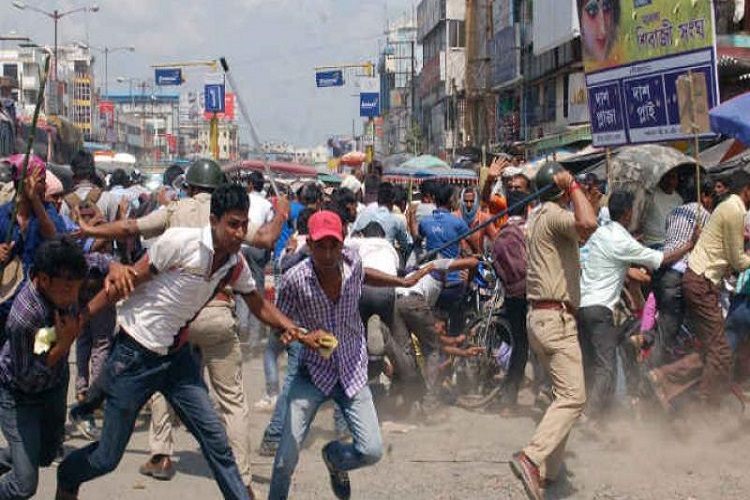
Politics-wise, it is a critical year with high-octane assembly elections due in West Bengal, Assam, Kerala and Tamil Nadu.
These elections will test the reach and limits of the BJP’s Hindutva agenda and will lay the ground for the future of opposition parties in the country. It will also prove to be a crucial year for the leadership of the Congress party.
The government will be closely watched on how it tackles the issue of the growing communal divide and rising unemployment. These two issues will define the future course of the country as it moves towards its target of Viksit Bharat in the second quarter of the century.
This article was also published on Punjab Today News and can be read here.
To read more article from the ‘2025: A Look Back’ series, click here.