The Quest for a Standardised Produce Quick Commerce Turns Indian Fields into Factories


Every time a consumer orders okra through a quick-commerce app and receives pods of identical length, a hidden environmental transaction takes place. Behind the uniform produce is a supply chain that demands conformity from the land itself— and the land is paying a price.
India’s quick-commerce sector is growing at a pace that few industries match. Industry analysts at Bernstein, a US-based research firm, project year-on-year growth of 75 to 100 per cent for the sector.
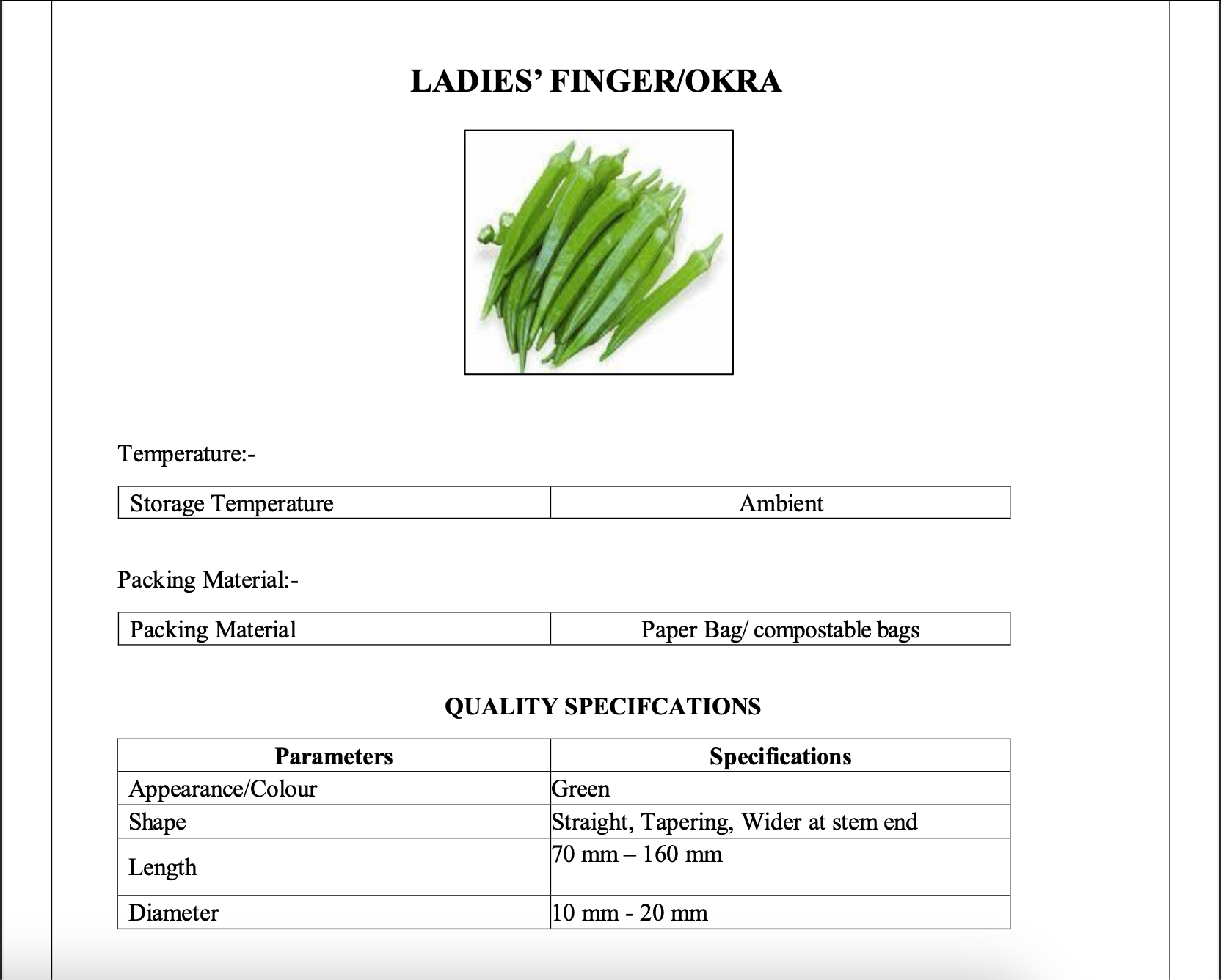
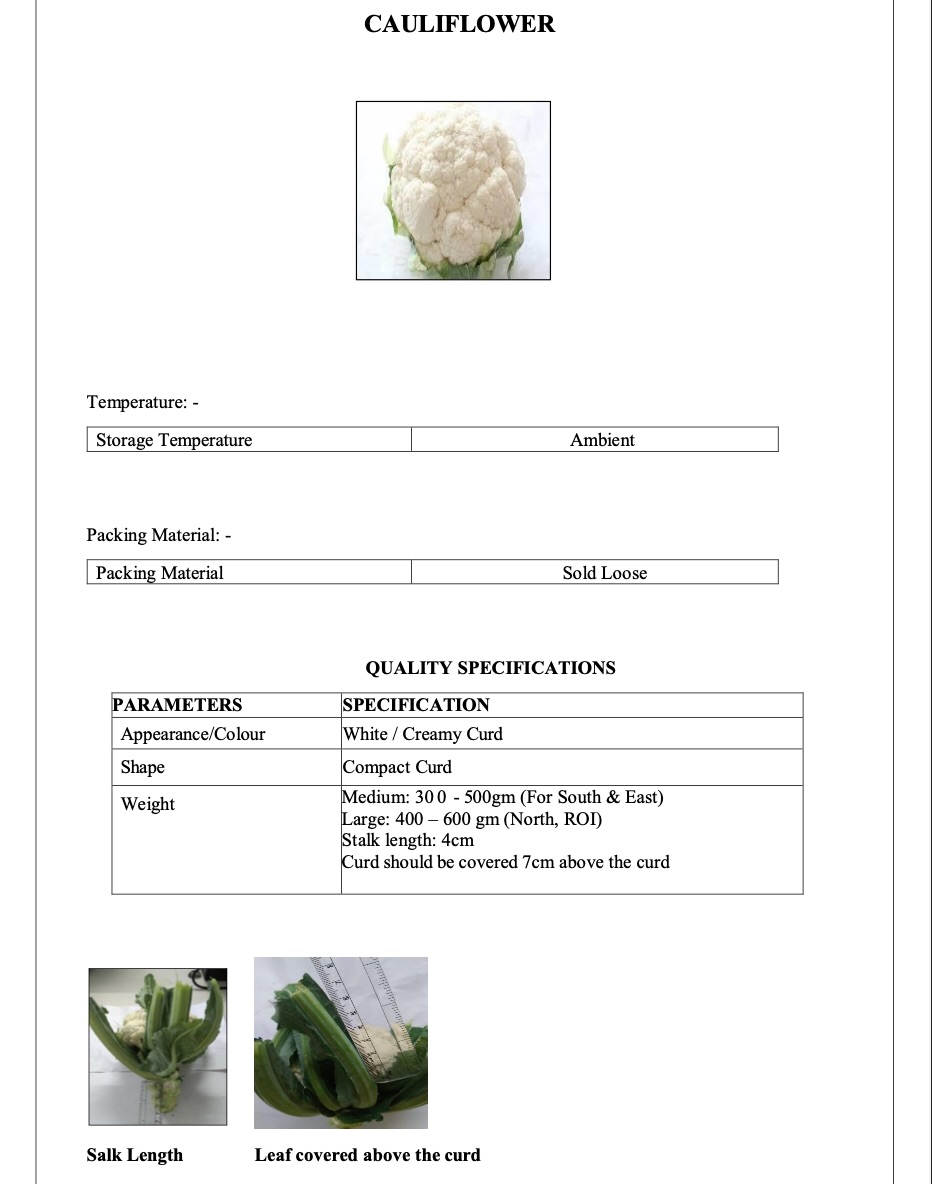
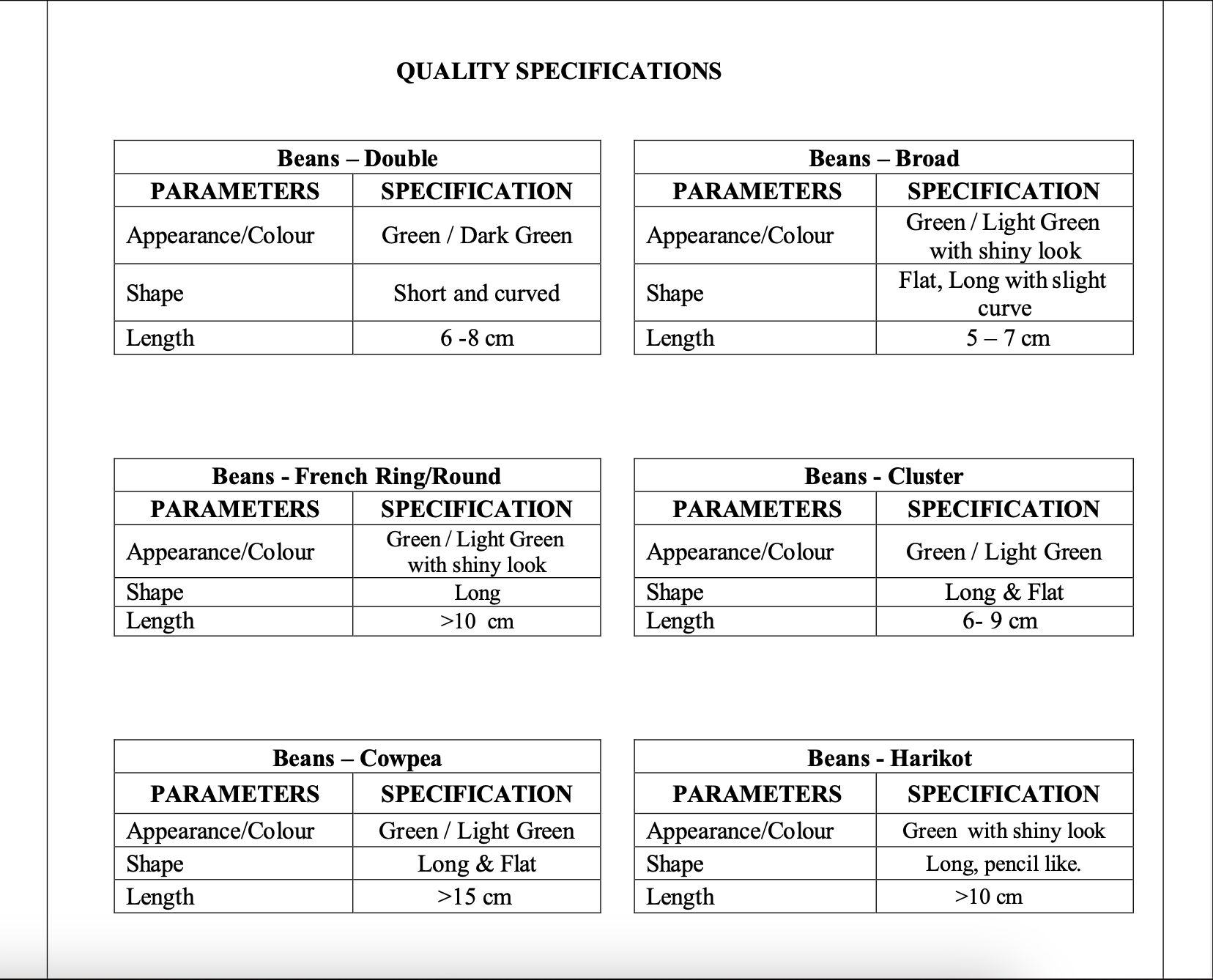
Fresh vegetables and fruits are a growing slice of this market. To fulfil orders, platforms enforce rigid quality standards on produce. Tomatoes must be round and red. Okra pods must not exceed 16 centimetres in length. Papayas must weigh under one kilogram. Bananas must be uniform in size and colour. What looks like efficiency on an app is, on the ground, a set of requirements that are reshaping how Indian farmers grow food, and with significant environmental consequences.
The Logic of Standardisation
Dr Richa Kumar, Associate Professor of Sociology and Science and Technology Studies at IIT Delhi, has studied what the drive for standardised produce means for agricultural systems. Her argument is structural: “where machines are able to produce standardised products and remove the quality variation that is the hallmark of handmade artisanal products, agricultural products are prone to natural variation.”
Dr Kumar argues in her research that a standardised product came to define ‘quality’ itself, narrowing it to appearance alone, at the expense of taste, nutrition, or culinary use. This shift, she writes, also worked on consumers: platforms and retail chains gradually “psychologically remade the preferences of consumers through notions of quality and efficiency,” creating a buyer who treats non-uniform produce as inferior or unhygienic. The round, red, firm tomato is now not just what supply chains deliver; it is what consumers have been conditioned to expect.
“Only through monocultures — growing a single variety at scale — can you produce anything even close to standardised,” she said. Through scientific intervention, “high-yielding, hybrid, genetically modified or gene edited seeds / breeds are cultivated to ensure uniform, standardised products of the same size, colour, hardness and texture.” The push for hybrids comes with another consequence: these seeds often require higher inputs of chemical fertilisers and pesticides to reach their potential, setting off a spiral in which standardisation and chemical dependency reinforce each other.
The warning is not specific to quick commerce, but it raises a pointed question about where the industry’s logic of standardisation in fresh vegetables leads.
Dr Kumar’s research points to these risks in the context of the broader push for standardised agriculture — one she traces from the Green Revolution. The shrinking diversity of rice and wheat varieties has already been linked to pest infestations, soil degradation, water over-extraction, and rising greenhouse gas emissions.
“Nature does not produce standardised products because standardised means compromised,” Dr Kumar writes in her research. “Uniformity means susceptibility to instant destruction. Nature thrives on diversity, on variability — that is its mechanism for reducing risk, for increasing the chances of survival.”
What is documented on the ground is a related shift. Farmers who stay in the system tend to grow the same vegetable with a different variety of crop. They turn to hybrid seeds — commercially introduced in India in 1973 — engineered for uniformity and yield. These seeds typically require more agrochemicals than traditional varieties, adding to the chemical load on the soil.
Whether this constitutes monoculture in the full ecological sense is a question the industry has yet to seriously engage with. At present, the concern is that the use of hybrid varieties, platform-led demand, and year-round availability of produce, along with the cumulative strain on soil health, water systems, and crop diversity, remains largely unaccounted for.
‘Predatory Cultivation’: Moving from Field to Field
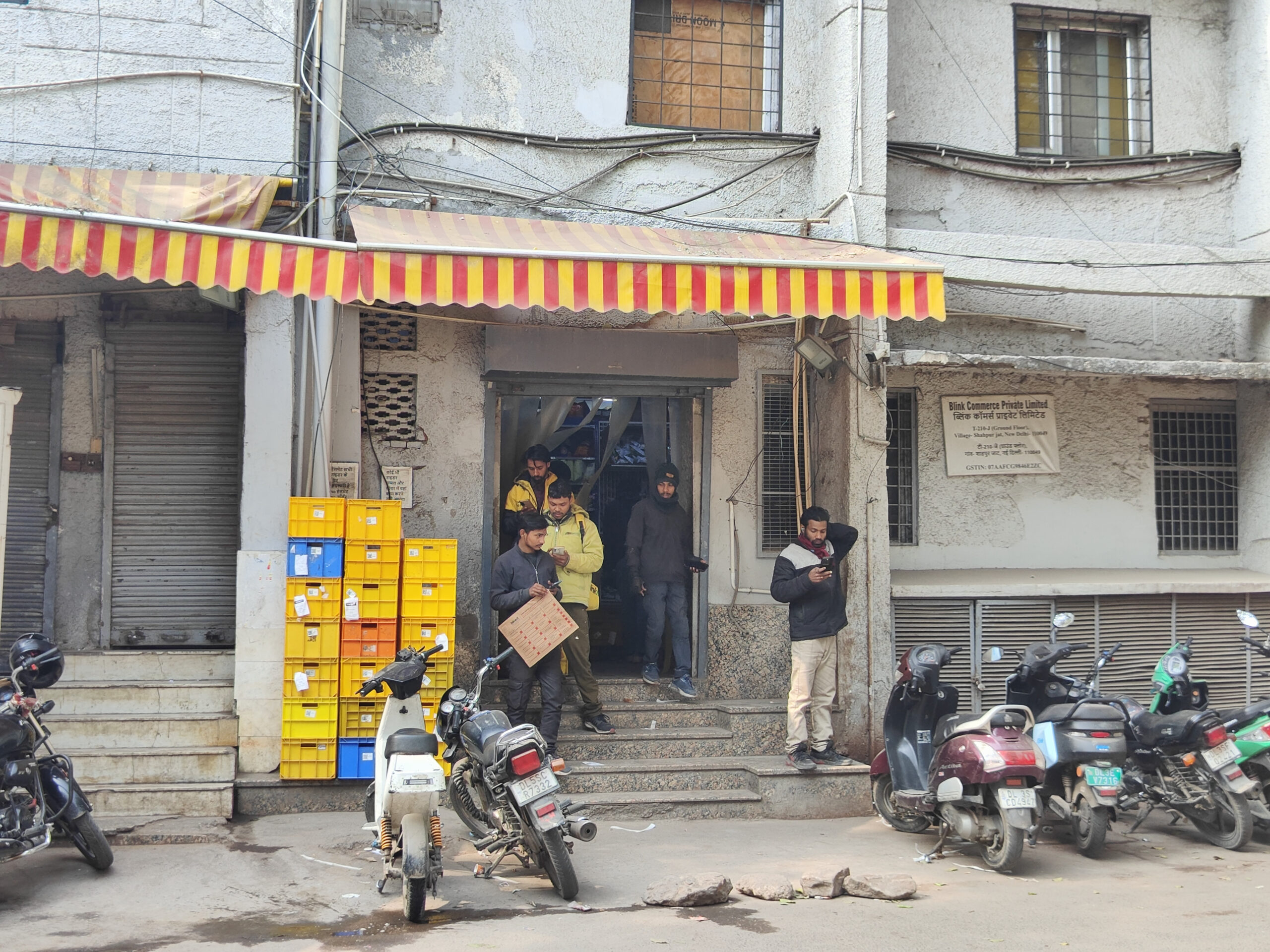
The environmental cost becomes starker when seen through the lens of farmer turnover. According to Sasikanth, a field employee working directly with farmers in Tamil Nadu on behalf of a major quick commerce company, roughly 65-75 out of every 100 farmers are offboarded after just 3 months. These farmers are unable to consistently deliver produce that meets quality standards. One of the major reasons, Sasikanth explains is the high input cost, which includes not just the cost of fertilisers and pesticides but also the cost of labour for segregating quality produce. Companies then move on, sourcing from newer farmers in newer agricultural belts.
Dr Donthi Narasimha Reddy, a public policy expert in the agrarian sector, describes this pattern as predatory cultivation. “There are limits to nature, and for their advantage, these companies are shifting from one farmer to another. They (companies) take up the best of the soil and go away.”
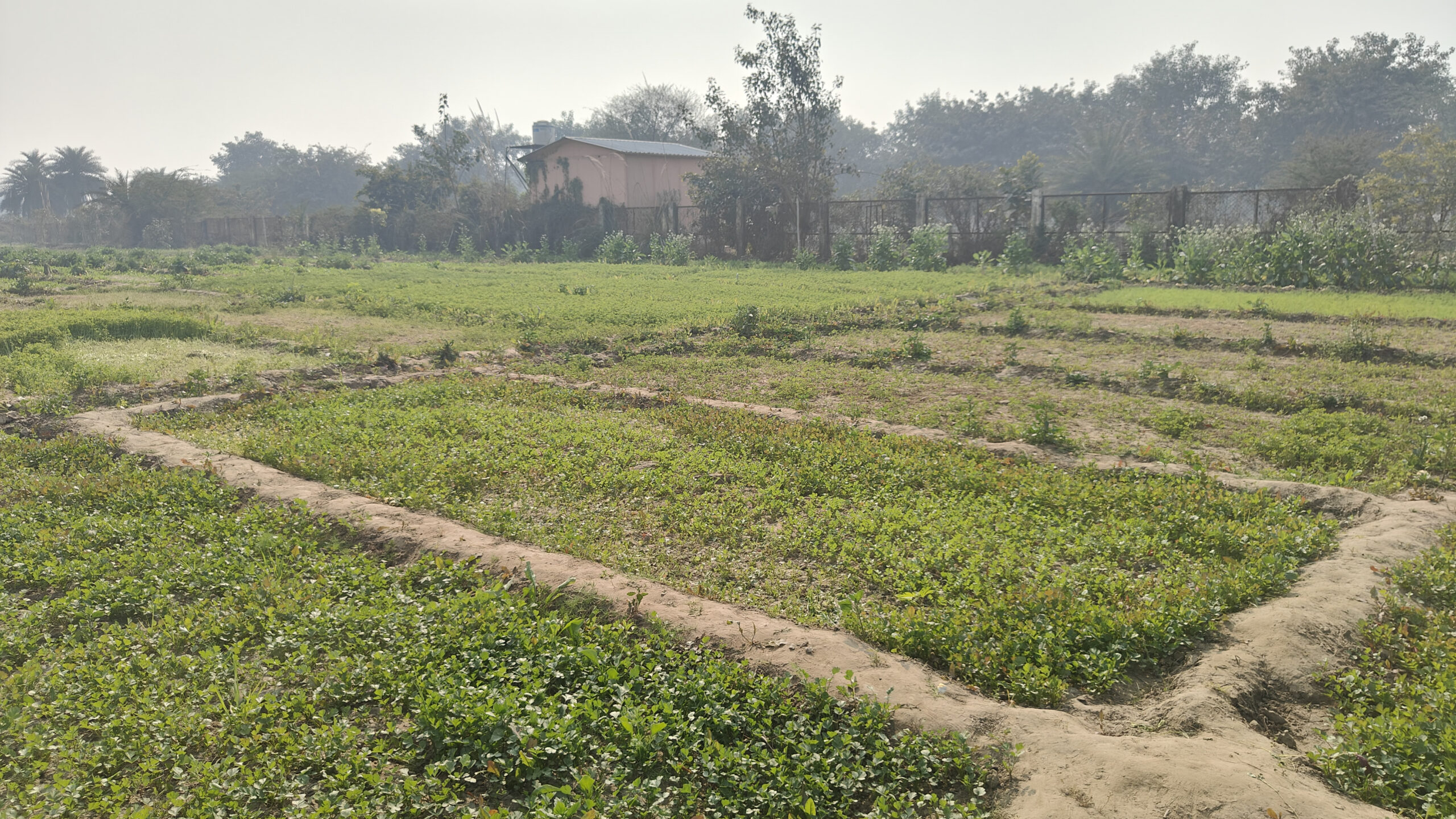
What is left behind is inert soil. “There is no life in the soil,” Dr Reddy said. When chemicals exhaust the soil, salinity rises. Bacterial activity collapses. The earth becomes compacted and infertile. Dr Reddy calls it “cake-like.” Chemicals can replenish nutrients like nitrogen, phosphorus, and potassium. But they cannot restore the biological activity essential for productive soil. “For procreation and multiplication, nature works its workings. Chemicals cannot create life. And without life there is no yield.”
A 2026 report by the International Panel of Experts on Sustainable Food Systems (IPES-Food) warns that corporate-led digitalisation—meaning the increased use of digital technologies like data-driven tools and online platforms in agriculture—is deepening dependency on risky corporate schemes. It is also locking agriculture into high-cost, high-energy, and high-input (needing many fertilisers, pesticides, and resources) pathways that are “extractive, expensive, polluting, and misaligned with farmers’ real needs.”
For farmers to bring standardised produce to the market, “they will have to put in significant effort and money into the farm—to ensure all the nutrients go to the single crop, weeds and pests are destroyed, adequate water is provided, and timely operations are done despite the vagaries of the weather. Not all farmers are able to do that season after season,” Dr Kumar said.
And even that effort offers no guarantee. “Whatever doesn’t conform to the expected standard will be rejected. Only those farmers who can bear the cost of such a rejection will be able to continue to participate. Others will end up dropping off,” she added.
Eroding Crop Diversity
The demand for uniform produce is also quietly eroding the crop diversity built over centuries. The Green Revolution’s scientific interventions marginalised native, or desi, varieties of vegetables with their varied shapes, sizes, colours, textures, and tastes. Dr Kumar argues that these were extended by the growth of large retail giants long before e-commerce came into being.
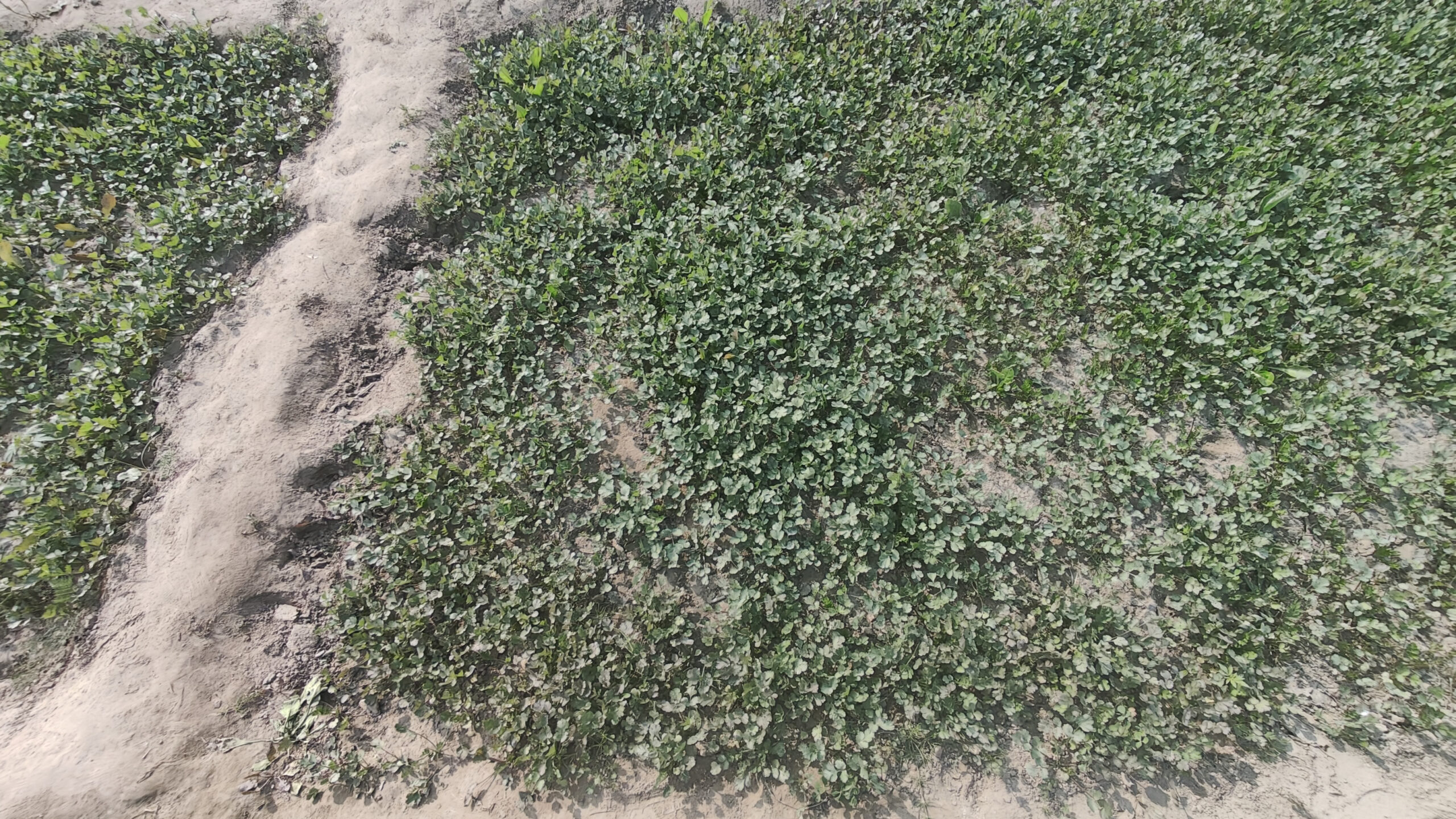
Sankaran, an organic farmer in Tamil Nadu who has worked as a supplier for a major quick commerce company, observes that the goal of these companies is “to become mandis themselves” vertically integrating supply chains and, in doing so, standardising the kinds of crops grown across geographies and seasons.
Those farmers who do stay in the system adapt by switching to more climate-resilient hybrid seed varieties across seasons. One variety for monsoon, another for summer. While this hedges against weather risk for the individual farmer, at scale it further concentrates the genetic pool of commercially grown crops. “Nature thrives on diversity,” Dr Kumar notes. A food system that systematically narrows that diversity is one that becomes increasingly fragile to climate shocks.
Externalising Environment Cost
The environmental damage wrought by intensive standardised cultivation is not borne by the platforms that demand it. Farmers absorb the costs in depleted soils, rising input prices, and the labour of grading and discarding sub-standard produce. Dr Reddy frames this as both environmental injustice to the planet and economic injustice to the farmer.
One of the key reasons why farmers are interested in pursuing business with e-commerce companies, according to him, is because of its deliverance of an assured price. In India, as globally, free markets are not paying enough, so farmers are always looking for contract farming, explains Dr. Reddy, “that necessity is being exploited by several players, including e-commerce.”
Food policy expert Devinder Sharma agrees that companies must invest in soil health and sustainable farming practices if they are genuinely committed to long-term agricultural partnerships. “If you want quality produce, you should be willing to pay the farmers for quality.”
Dr Kumar warns that historical precedents from the United States offer a cautionary lesson. Stringent uniformity standards there crushed small producers unable to churn out identical tomatoes, potatoes, and dairy. Only those who could turn their farms into factories survived.
India’s quick-commerce boom, if left unexamined, risks replicating that trajectory. As long as the consumer’s expectation of a perfectly round, uniformly red tomato remains unchanged, the pressure on the land will not relent. The question is whether India’s agricultural ecosystem can absorb it.
The AIDEM is publishing this article with thanks to the Climate Change Media Hub of the Asian College of Journalism (CCMH), which is a media education programme for young journalists to report on environmental issues.