

Who Gets to Watch? ‘Patriot’ and the Cinematic Rationale of Surveillance


Surveillance today is no longer an exceptional instrument of statecraft but an all-pervading condition of contemporary life, woven into the infrastructures of governance, commerce, and everyday digital interaction. From biometric identification systems and algorithmic data extraction to platform-mediated monitoring, the subject is continuously rendered visible, traceable, and calculable.
In this context, the Malayalam film Patriot offers a timely, if uneven, intervention by foregrounding the question of spyware and its circulation between state and corporate actors. The film’s engagement with surveillance opens up a critical space to reflect on its broader political, ideological, and biopolitical ramifications: how power operates through the management of populations, how consent is manufactured through narratives of security and nationalism, and how the boundaries between protection and control become increasingly indistinct. By staging surveillance within a dramatic narrative, the film provides not merely a story of technological misuse but an occasion to interrogate the deeper transformations in sovereignty, subjectivity, and the conditions of privacy in the digital age.
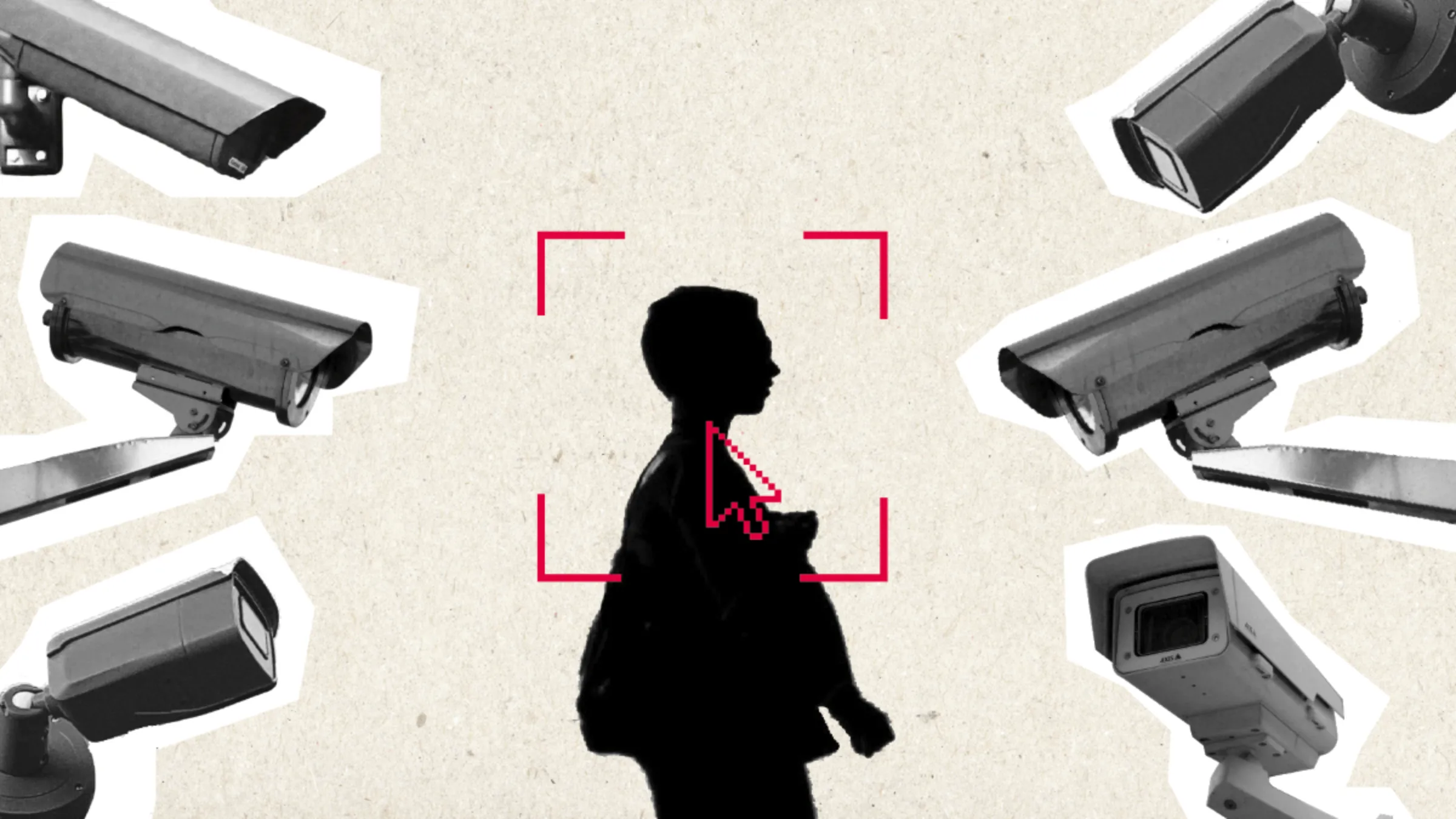
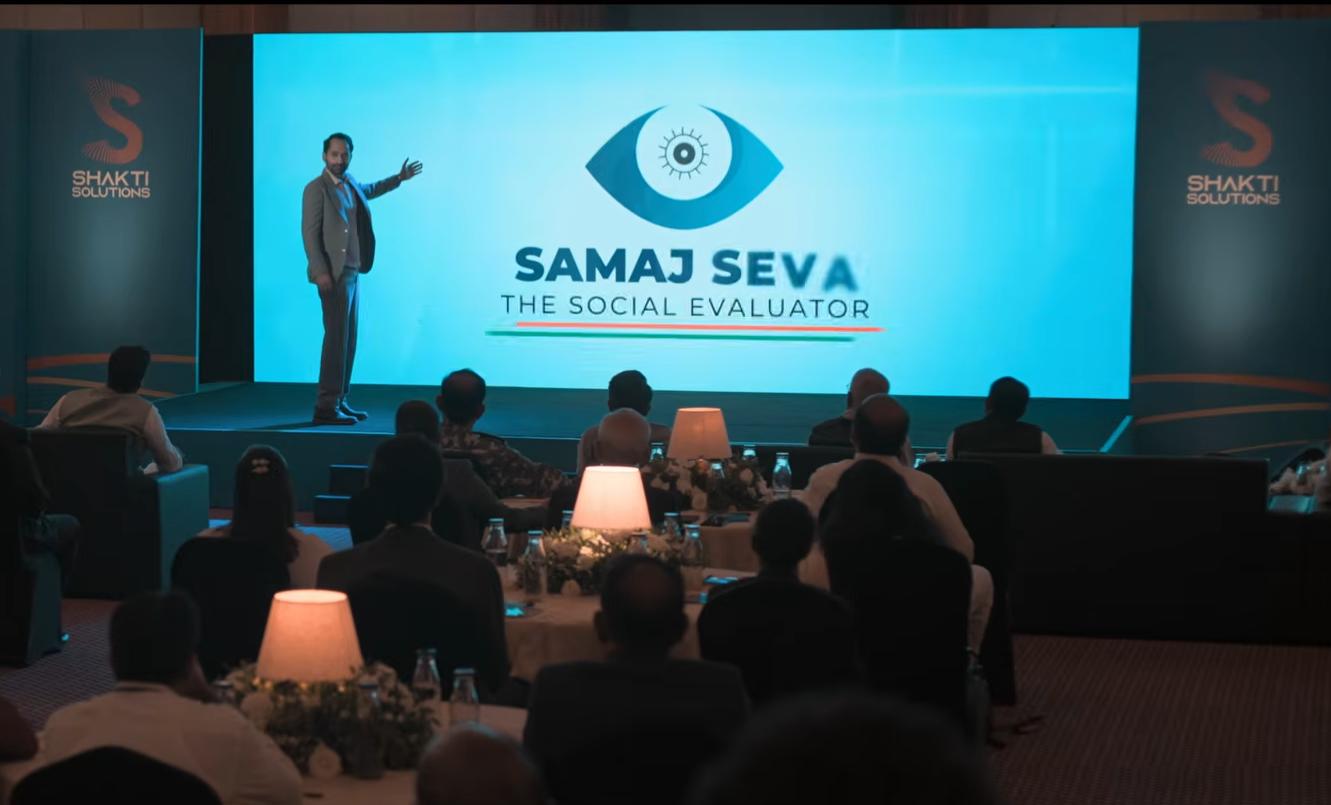
The Malayalam film Patriot, directed by Mahesh Narayanan, unfolds around a deceptively simple yet politically charged premise. The narrative centres on a powerful spyware system called “Periscope,” a fictional analogue to the real-world Pegasus spyware. Designed ostensibly for national security, Periscope is capable of penetrating any digital device, activating cameras, microphones, and extracting private data without detection. The government acquires this technology under the pretext of safeguarding the nation. However, a central minister, J. P. Sundaram, and his son Shakthi Sundaram, who runs a private corporation, covertly appropriate the system for personal profit.
Their method is chilling in its banality. Computers embedded with the spyware are distributed to unsuspecting users. Once installed, Periscope enables the extraction of intimate personal data, which is then weaponized. Families are surveilled, secrets uncovered, vulnerabilities mapped, and these are used to blackmail individuals into taking loans from the son’s financial enterprise. Surveillance thus becomes not merely a tool of governance but a mechanism of coercive accumulation.
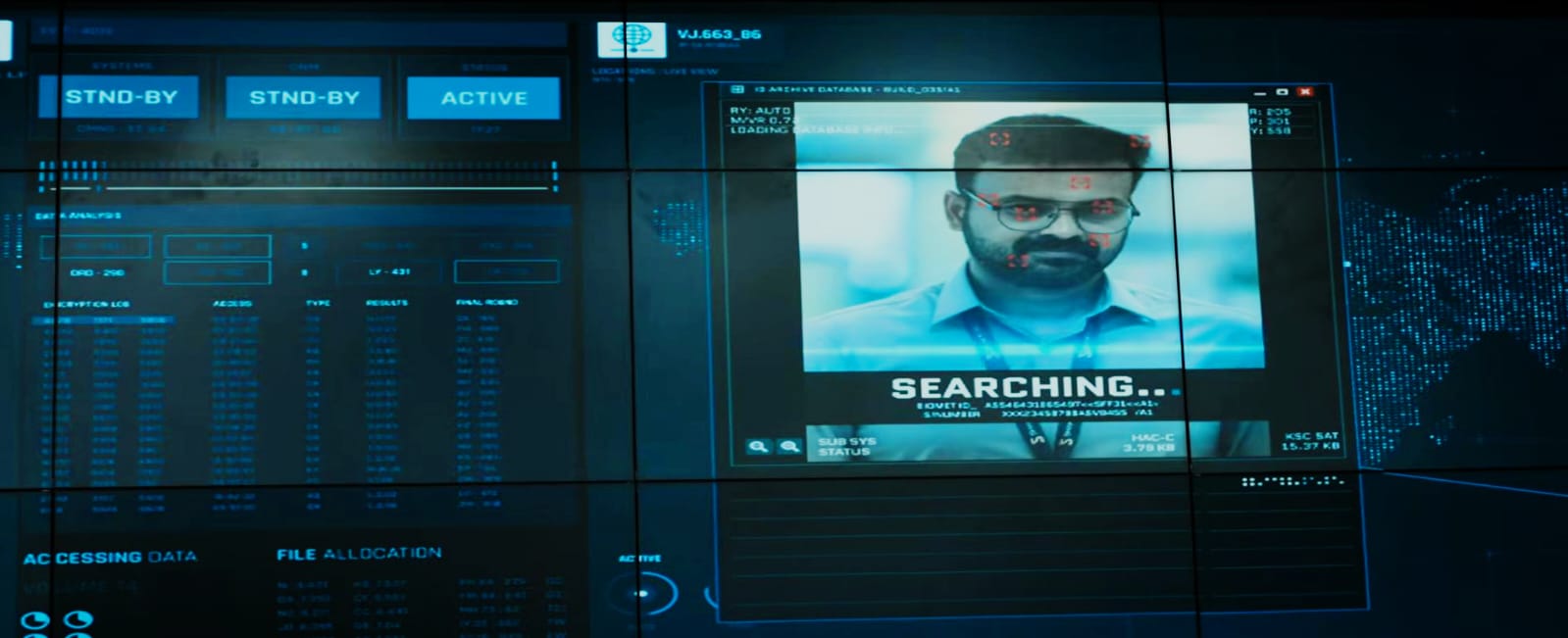
The plot escalates as victims attempt to evade this invisible net, only to discover that the system extends far beyond individual devices into integrated data infrastructures. In one striking moment, a character on the run rents a car, only to find that his Aadhaar-linked personal data is instantly accessible to the corporate operatives pursuing him, an unsettling illustration of how state databases can become instruments of tracking and control.
The film’s political timeliness is unmistakable. It arrives in the shadow of the global Pegasus revelations, where investigations by outlets like The New York Times and The Washington Post documented how governments deployed spyware not only against terrorists but against journalists, activists, and opposition figures. In countries such as Mexico and Panama, Pegasus was allegedly used to monitor political dissent and suppress opposition, blurring the line between national security and political surveillance. Patriot clearly draws from this global context, translating it into an Indian setting where anxieties around digital governance, biometric identity, and centralized data systems are already intense.
A victim in the film explicitly voices this anxiety, alleging that incriminating material had been surreptitiously planted on his computer, particularly in the form of emails of which he had no knowledge or authorship. This claim, which might initially appear as a narrative device, acquires disturbing credibility when read alongside real-world developments in India, especially in the Bhima Koregaon case involving human rights activists. Independent forensic analyses, including those reported by The Washington Post, concluded that key incriminating documents used to prosecute several activists were not organically present on their devices but had been inserted through malware over extended periods. Investigations by digital rights groups and forensic firms such as Arsenal Consulting revealed that attackers had gained sustained unauthorized access to activists’ computers, depositing files that were later cited as evidence in court. In some instances, this manipulation spanned years, with fabricated documents quietly embedded before being “discovered” during official seizures. More troublingly, subsequent analyses suggested possible overlaps between surveillance operations and law enforcement processes, raising questions about the integrity of digital evidence itself.
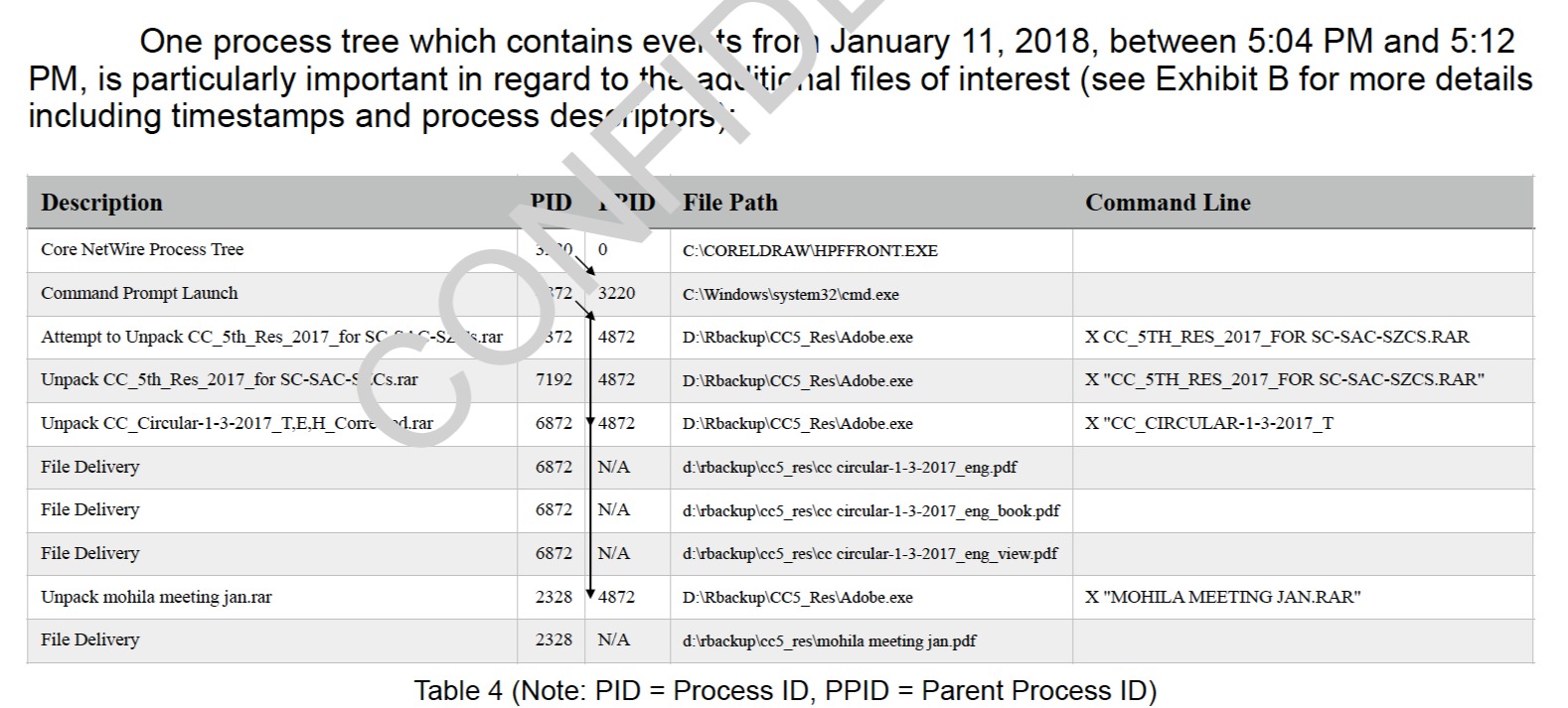
Read against this backdrop, the film’s narrative gesture is not merely speculative but eerily reflective of an emergent techno-legal reality. It points toward a transformation in the very ontology of evidence under digital conditions: when devices are permanently vulnerable to intrusion, the distinction between authentic and fabricated data collapses. Surveillance here does not simply observe; it actively produces the “truth” it later claims to discover. In theoretical terms, this marks a shift from surveillance as a mechanism of visibility to surveillance as a mode of fabrication, where power operates not only by watching subjects but by scripting the evidentiary grounds on which they can be judged and punished.
Yet the film operates along a somewhat divided conceptual line. On one level, it is sharply critical of the privatization and commercialization of surveillance. It portrays the collusion between political authority and corporate greed as the primary problem: spyware is acceptable when used by the state for national security, but becomes dangerous when appropriated by corrupt individuals for profit. This distinction, however, is precisely where the film falters. By isolating the problem within the domain of “misuse,” it sidesteps the more fundamental issue: the legitimacy of surveillance itself. The narrative implies that a morally upright state could deploy such intrusive technologies responsibly, an assumption that remains deeply questionable. Further, the film ascribes so-called “illegal” raids, abductions, and other dubious operations carried out by state agents to the machinations of a singular “evil” minister, thereby reducing systemic violence to the pathology of individual corruption driven by profit motives.
Yet what it depicts as exceptional excess increasingly resembles the normalized, everyday encounters of citizens living under a militarized surveillance regime. While the narrative intermittently gestures toward this broader reality, it ultimately stops short of fully articulating its implications. What remains unspoken is the more unsettling possibility that such practices are not aberrations produced by deviant political actors, but symptomatic of a deeper, systemic condition, where the convergence of surveillance and militarization signals not the corruption of the state, but its structural transformation into an apparatus of control.
At the same time, the film is not entirely blind to this contradiction. It intermittently gestures toward the broader problem of state surveillance. A key dialogue recalls how, when CCTV systems were first introduced in the 1980s, the government assured the Supreme Court of India that they would not be used to violate citizens’ privacy, an assurance that, as the film suggests, was never honoured. Similarly, the Aadhaar-linked tracking scene implicitly critiques the expansion of state-controlled data infrastructures and their vulnerability to misuse. These moments complicate the film’s otherwise narrow framing, hinting that the danger lies not merely in corruption but in the architecture of surveillance itself.
The title Patriot is, in this sense, ideologically revealing. It suggests that surveillance, when aligned with national interest, is an expression of patriotism, and that only its deviation into private greed is problematic. This is a deeply troubling proposition. It echoes a familiar justificatory logic: that the erosion of privacy is acceptable, indeed necessary, if it serves the nation. Such a framing risks normalizing intrusive state practices while displacing critique onto individual bad actors. The film thus participates, perhaps unintentionally, in a discourse that legitimizes surveillance under the sign of national security.
From a theoretical perspective, the film resonates strongly with Shoshana Zuboff’s concept of “surveillance capitalism,” where personal data is extracted and monetized as a primary economic resource. The Sundaram enterprise exemplifies this logic in its most coercive form: data is not merely harvested but turned into leverage. At the same time, one can read the film through Hannah Arendt’s insights into power and control, particularly the ways in which modern systems render individuals transparent and thus governable. The pervasive, invisible gaze of Periscope creates a condition where autonomy collapses under the weight of constant potential observation.

In the post-Orwellian condition, surveillance no longer appears as an externally imposed, coercive apparatus in the manner of Nineteen Eighty-Four; rather, it is internalized, normalized, and even desired. This shift is powerfully dramatized in The Circle and its film adaptation The Circle, where the logic of total visibility is not enforced through fear but embraced through the rhetoric of transparency, connectivity, and participation. The world Eggers imagines is one in which surveillance is seamlessly embedded within everyday life, mediated by platforms, wearable devices, and social networks that render privacy obsolete under the moral imperative of openness (“secrets are lies,” “privacy is theft”). What distinguishes this post-Orwellian regime is precisely its voluntaristic dimension: individuals willingly submit to constant monitoring, seduced by the promise of recognition, efficiency, and belonging. The film thus draws attention to an already entrenched systemic condition, where surveillance is no longer the exception but the norm, diffused across corporate platforms and social practices. It compels us to recognize that contemporary power operates less through prohibition than through inducement, less through repression than through the active production of subjects who participate in their own visibility, an insight that resonates with broader critiques of digital capitalism and platform-mediated life.

The film, perhaps constrained by the anticipatory logic of censorship as well as the conventions of mainstream political cinema, organizes its narrative around a set of familiar and ideologically convenient binaries: the “good” state versus the “bad” corporation, and the corrupt politician versus the patriotic military apparatus. These oppositions function as narrative stabilizers, allowing the film to displace the problem of surveillance from the structural domain to the moral domain. Surveillance appears not as an intrinsic feature of contemporary governance, but as a deviation, an abuse that emerges when ethically compromised actors hijack an otherwise legitimate system.
Such a framing effectively individualizes and externalizes what is, in reality, a systemic condition. The film thus forecloses a more radical interrogation of surveillance as a constitutive logic of the modern state itself. In doing so, it echoes what critical theorists have long identified as the ideological operation of liberal narratives: the reduction of structural contradictions to questions of corruption, excess, or misuse. The distinction it seeks to maintain between legitimate (state-sanctioned, security-oriented) and illegitimate (corporate, profit-driven) surveillance is therefore not analytically sustainable, since both emerge from the same techno-political infrastructure and share the same epistemic premise: the total visibility of the subject.
What is consequently relegated to the background is the normalization of surveillance as a mode of governance, irrespective of who controls it. The film gestures toward this systemic dimension at moments, but ultimately retreats into a safer discursive terrain where the state can still be recuperated as a potentially ethical entity. In theoretical terms, this represents a failure to fully confront what thinkers like Michel Foucault would describe as the diffuse and capillary nature of power, or what Giorgio Agamben identifies as the expansion of the security paradigm into all domains of life. Thus, the real problematic, the embedding of surveillance within the very architecture of contemporary political and economic life, is displaced, if not actively obscured. The film’s critique remains partial, insofar as it critiques the excesses of surveillance without interrogating its foundational legitimacy.
Despite its conceptual limitations, the film’s principal merit lies in its audacity. It brings the question of surveillance, state and corporate, into the centre of popular cinematic discourse. In an environment where such issues are often muted or abstracted, Patriot confronts them directly. Even its occasional over-dramatization and its Hollywood-inflected narrative style cannot diminish the significance of this intervention. The film “catches the bull by its horns,” as it were, by forcing viewers to confront the unsettling reality that privacy is no longer a given but a contested and rapidly eroding condition.
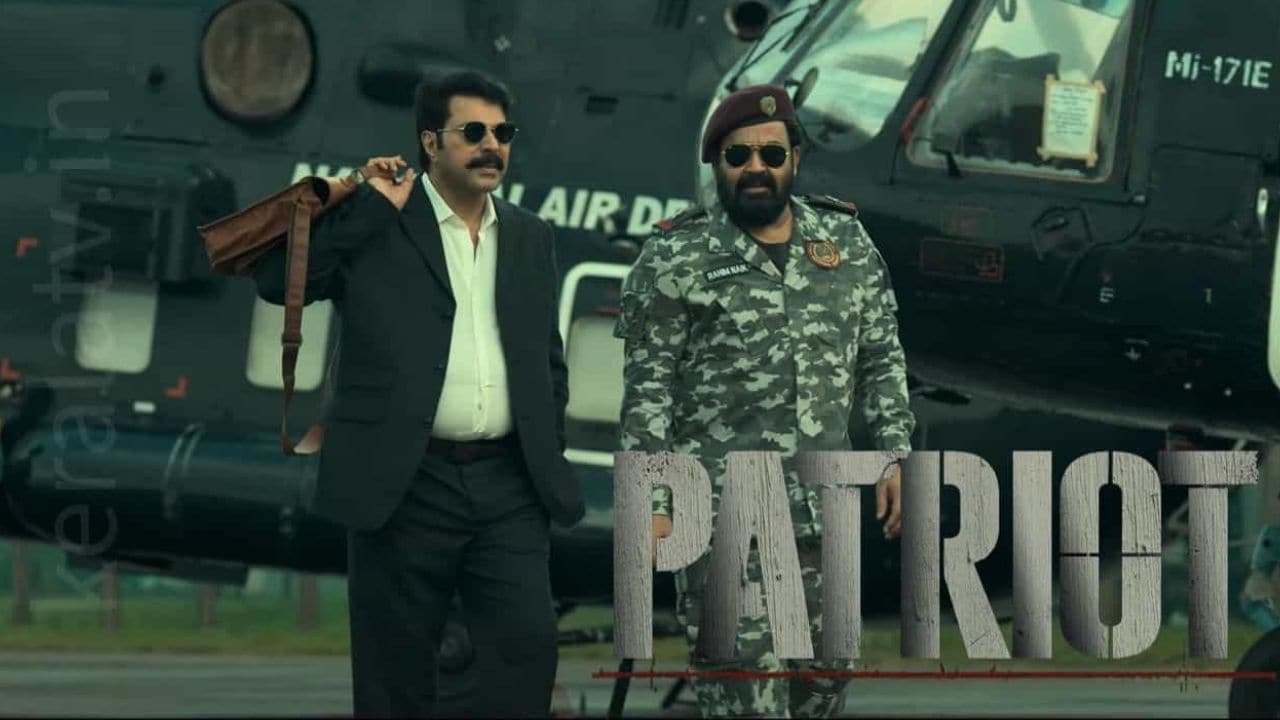
In the end, Patriot may soften its critique by attributing the crisis primarily to corporate greed, but it nonetheless opens a crucial space for debate. It compels us to reckon with a future in which both state and corporate powers converge in the continuous monitoring of everyday life, a future that, as the film suggests, is already here.








“A sharp and unsettling reflection on how surveillance is normalized through cinema. ‘Patriot’ isn’t just entertainment—it quietly reshapes our moral compass, making intrusion look like duty. This critique forces us to question not just what we watch, but what we begin to accept.”