

Master of the Loud, Criminal Silences – part 1

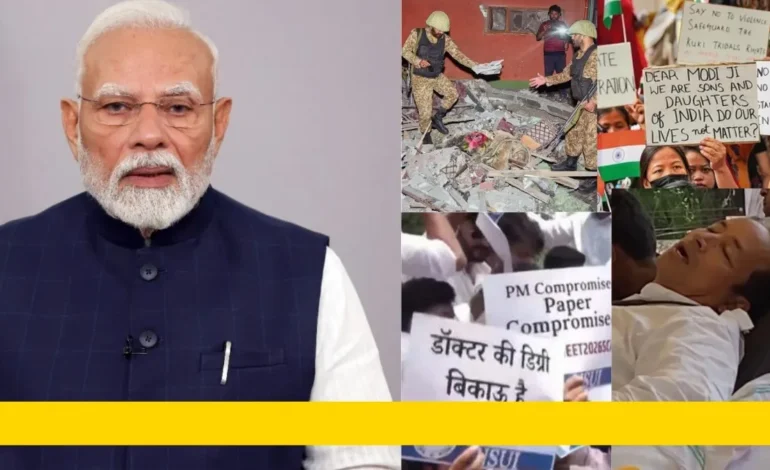
As Parliament prepares to convene and climate activist Sonam Wangchuk continues his fast demanding accountability from the Union government, one question hangs over India’s political landscape: who will answer for the crises that have accumulated over the past decade? From Operation Sindoor and Manipur to the NEET scandal and the steady erosion of public education, a pattern of official silence has repeatedly overshadowed demands for explanation.
In the first part of this two-part essay, DR Dubey examines how lopsided political messaging has increasingly displaced democratic accountability, arguing that the loudest government in independent India’s history has also perfected the politics of criminal silences.
There is a particular art to governing without accountability. It requires a communication apparatus powerful enough to fill every silence with spectacle, a loyal media ecosystem willing to mistake photo opportunities for press freedom, and a citizenry exhausted by the sheer volume of crises that it loses the thread. Narendra Modi has, over twelve years in office, mastered all three. But the crises are now arriving faster than the spectacle can conceal them, and the questions—no longer merely uncomfortable—have become existential.
This is a report about what India’s Prime Minister has refused to answer.
Operation Sindoor: The War That Raised More Questions Than It Answered
On the night of 6–7 May 2025, India launched Operation Sindoor, striking nine sites inside Pakistan and Pakistan-administered Azad Kashmir in retaliation for the Pahalgam massacre of 22 April, which killed 26 civilians, almost all of them Hindu tourists. The political symbolism was carefully chosen. The operation’s name—sindoor, the red powder worn by married Hindu women—was intended to evoke the widowing of the victims’ families and send a powerful message to the nation.
The military logic appeared sound. The political narrative held—for approximately 52 minutes.
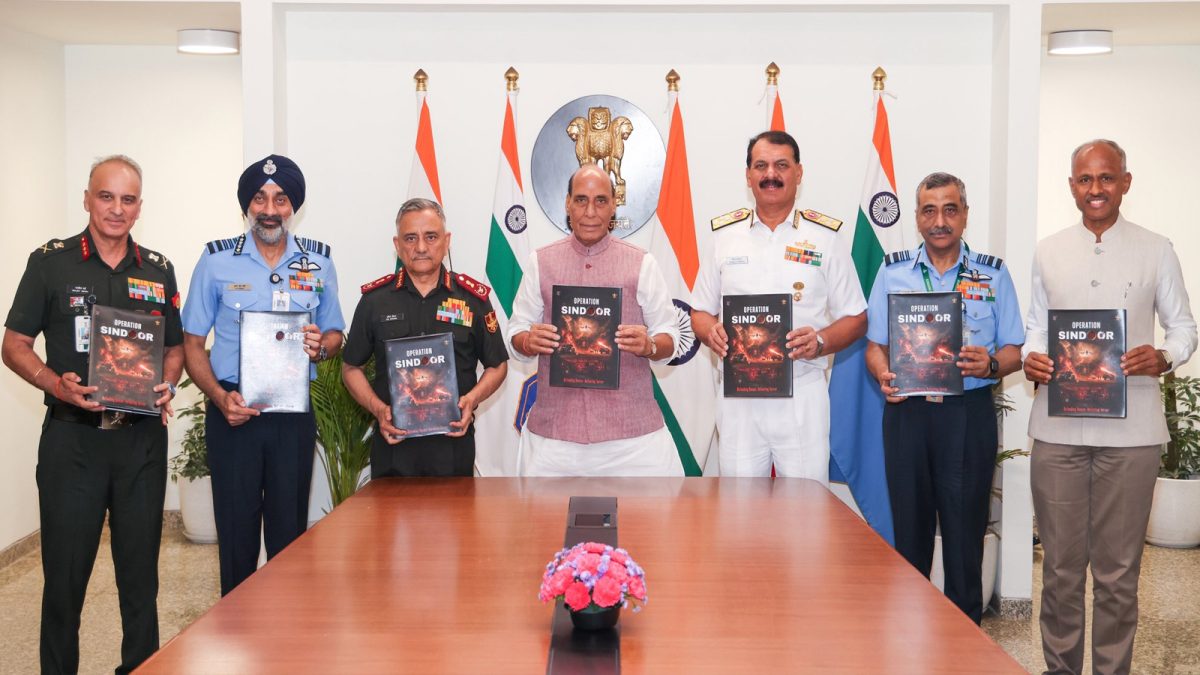
That was the duration of the aerial battle. What followed was a reckoning that the Indian government has, to this day, never fully or honestly addressed. Pakistan’s Air Force, flying Chinese-built JF-17 and J-10CE fighters armed with PL-15 long-range missiles, reportedly shot down multiple Indian aircraft during the opening exchange. A Swiss think tank using satellite imagery and open-source intelligence concluded that India had lost at least one Rafale, one Mirage 2000, and either a MiG-29 or an Su-30MKI. Photographs of wreckage taken by local residents—including what appeared to be the distinctive nozzle of the Safran M88 engine, used exclusively in the Rafale—circulated internationally. France neither confirmed nor denied the reported loss.
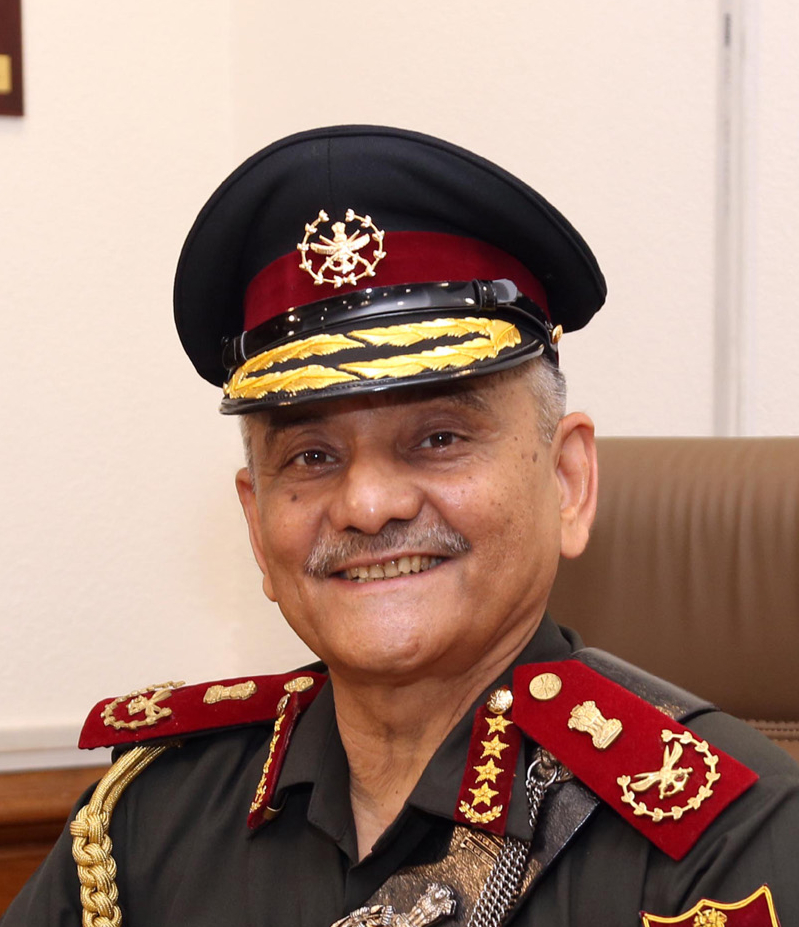
India’s own Chief of Defence Staff, General Anil Chauhan, acknowledged in an interview with Bloomberg Television on 31 May that Indian aircraft had indeed been shot down, although he declined to specify how many. His words deserve careful attention:
“What is important is not the jet being shot down, but why they were downed.”
He went on to admit that “tactical mistakes were made.”
Months later, in August 2025, the Indian Air Force claimed it had destroyed six Pakistani aircraft using S-400 missile systems at ranges exceeding 300 kilometres. One respected international aviation journal described the claim as appearing to be “an attempt to placate the Modi government, which was under pressure”, adding that it generated “ripples of disbelief” across the global defence analysis community.
Then came the ceasefire—and with it, perhaps the most diplomatically damaging episode of the conflict.
On 10 May 2025, the United States brokered a halt to hostilities. The ceasefire was announced first—not by India’s Prime Minister, nor by the Ministry of External Affairs—but by Donald Trump on social media. It created the extraordinary impression that India was a secondary participant in negotiations concerning its own military operation.
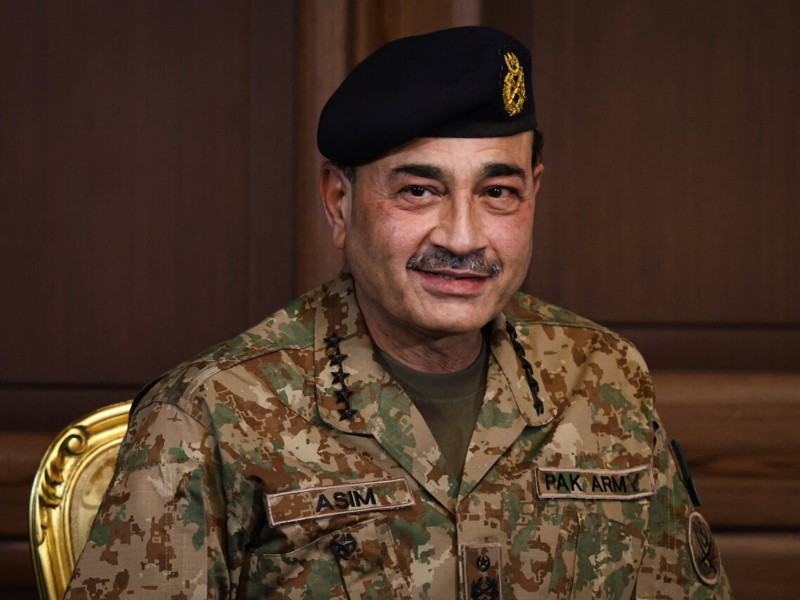
Within days, Pakistan’s Army Chief Asim Munir was promoted to the rank of Field Marshal. Pakistan observed a National Day of Gratitude. The Pakistani government later nominated Trump for the Nobel Peace Prize, explicitly citing his role in brokering the ceasefire, after Munir was received at the White House for a five-day visit that included a luncheon alongside the ISI chief.
India’s response was to send Foreign Secretary Vikram Misri before the media to insist that Modi had personally told Trump there had been “no US mediation” and that the ceasefire resulted from Pakistan initiating contact through military DGMO channels.
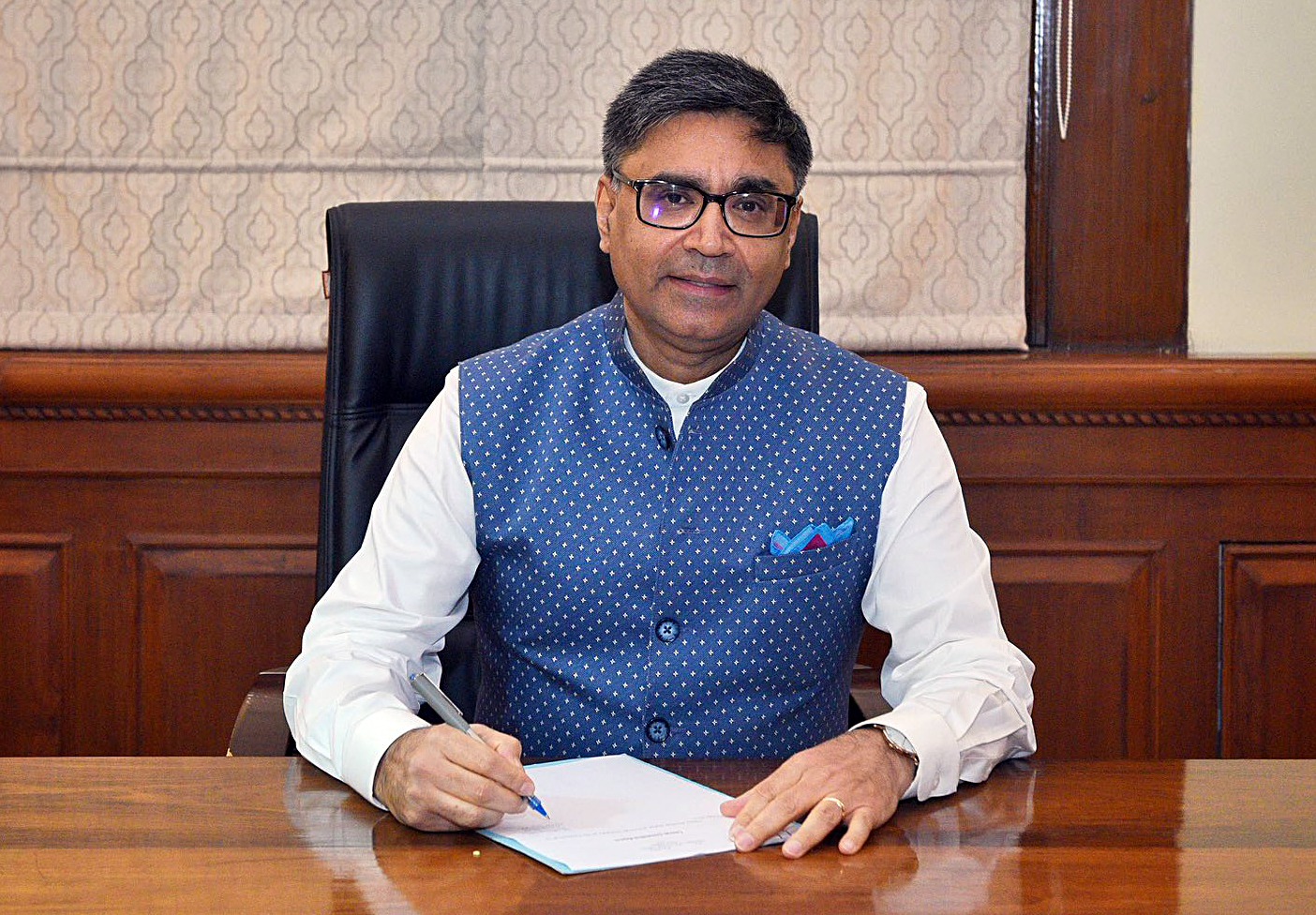
Yet this account sat uneasily alongside credible reports that US Vice President JD Vance had spoken directly with Modi, that Secretary of State Marco Rubio had contacted Pakistan’s Army Chief at around 4 a.m. local time, and that Washington, fearing the possibility of nuclear escalation, had intervened at the highest diplomatic levels.
The Atlantic Council observed that Operation Sindoor had “exposed an imbalance in US policy toward South Asia”, leaving Pakistan with a clear “diplomatic advantage.” The Swiss newspaper Neue Zürcher Zeitung concluded that the operation “appeared to have turned into a disaster.”
Rahul Gandhi, Leader of the Opposition, described the ceasefire as “a surrender under pressure from Trump.”
On 11 May, Modi addressed the nation on his own terms, before a carefully managed audience where no questions were permitted, and declared another military victory.
Since then, he has not addressed the reported Rafale losses, the tactical failures acknowledged by his own Chief of Defence Staff, or the question of why it was the President of the United States—not the Prime Minister of India—who first announced the end of India’s military operation.
Manipur: Three Years, One Visit, No Plan
On 3 May 2023, ethnic violence erupted between the Meitei majority and the Kuki-Zo tribal communities in Manipur. It is now July 2026. The conflict has entered its fourth year.
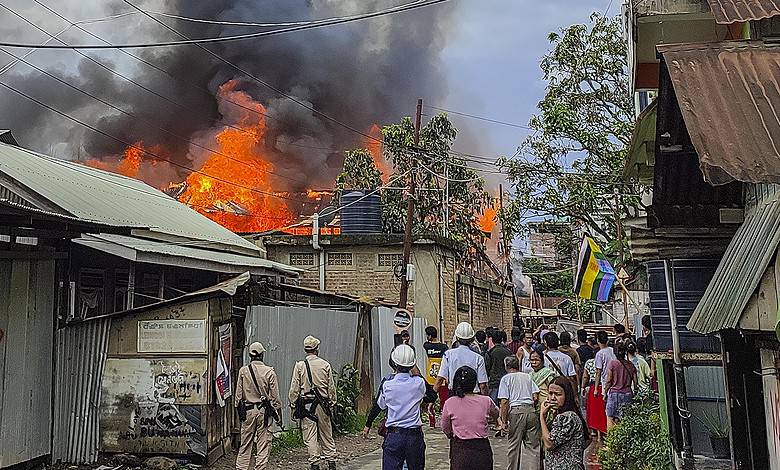
More than 260 people have been killed. Over 60,000 remain displaced in segregated relief camps. More than 12,000 First Information Reports have been registered, covering killings, sexual violence, abduction and arson, with the accused listed as “unknown miscreants” in the overwhelming majority of cases. Women were paraded naked. Churches were burnt. Villages were emptied. Children, according to civil society testimonies documented by Al Jazeera, are now expressing a desire to join armed groups because, as one account put it, “that is all they see around them.”
By the time the violence broke out, Modi had visited more than 60 countries, many of them several times. Yet he did not visit Manipur for 28 months. He finally travelled to the state in September 2025, only after his government was compelled to remove Chief Minister N. Biren Singh, whose administration had been widely accused of systematic bias towards Meitei groups, amid mounting political pressure.
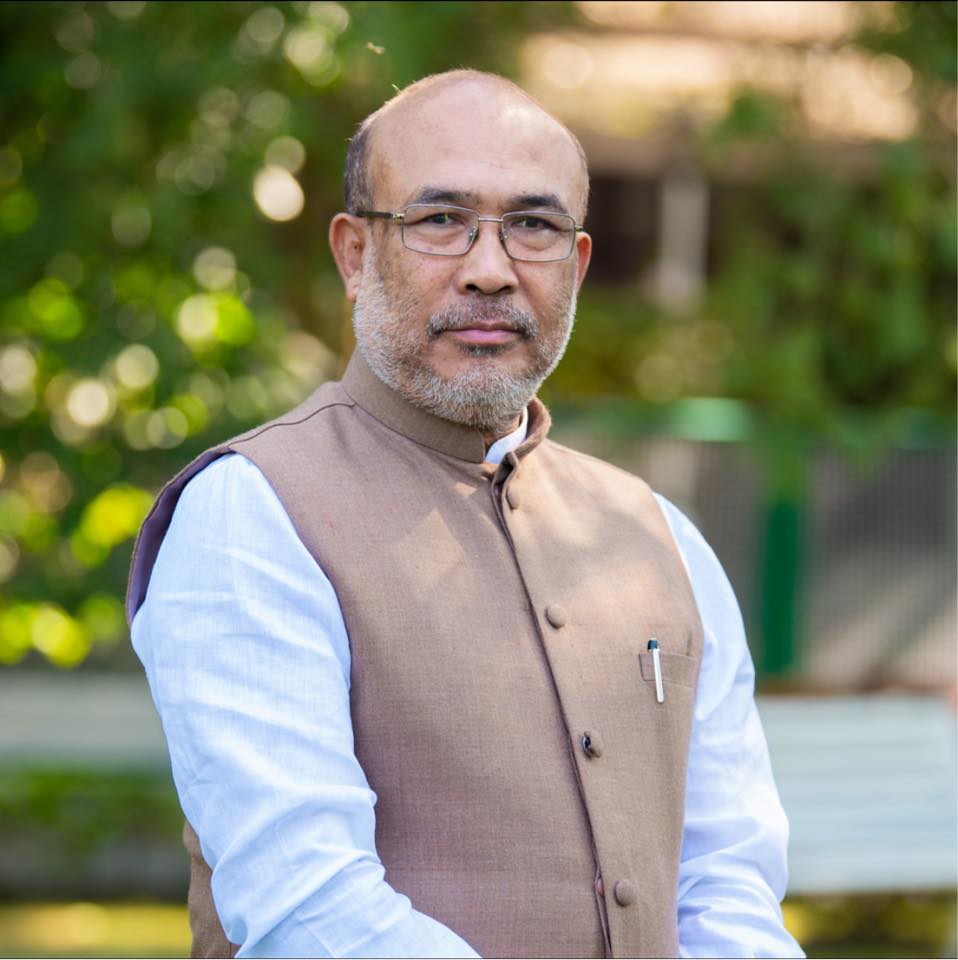
During the visit, Modi inaugurated development projects worth ₹7,300 crore, urged communities to build a “bridge of brotherhood”, and announced 7,000 new homes for displaced families. But he made no direct reference to the ongoing conflict, named no perpetrators, announced no mechanism for justice, and offered no timeline for the safe return of those displaced.
Human Rights Watch documented that the police had “failed to protect” members of the Kuki community and concluded that “community ties have completely broken down.” By April 2026, Al Jazeera reported that the conflict had “mutated into a more complex, multi-actor war.”
One visit. No arrests. No convictions. No roadmap for justice. And now, a fourth year begins.
NEET, Paper Leaks, 94,000 Schools, and the Minister Who Remains
In 2024, the NEET-UG paper leak shattered what remained of the government’s credibility on the integrity of public examinations. Millions of students—many from modest and economically vulnerable families—had spent years, and their families’ life savings, preparing for a single examination that would determine their entry into medical education. Their futures were compromised by a criminal network operating across multiple states.
Then, in 2026, NEET-UG was leaked again.
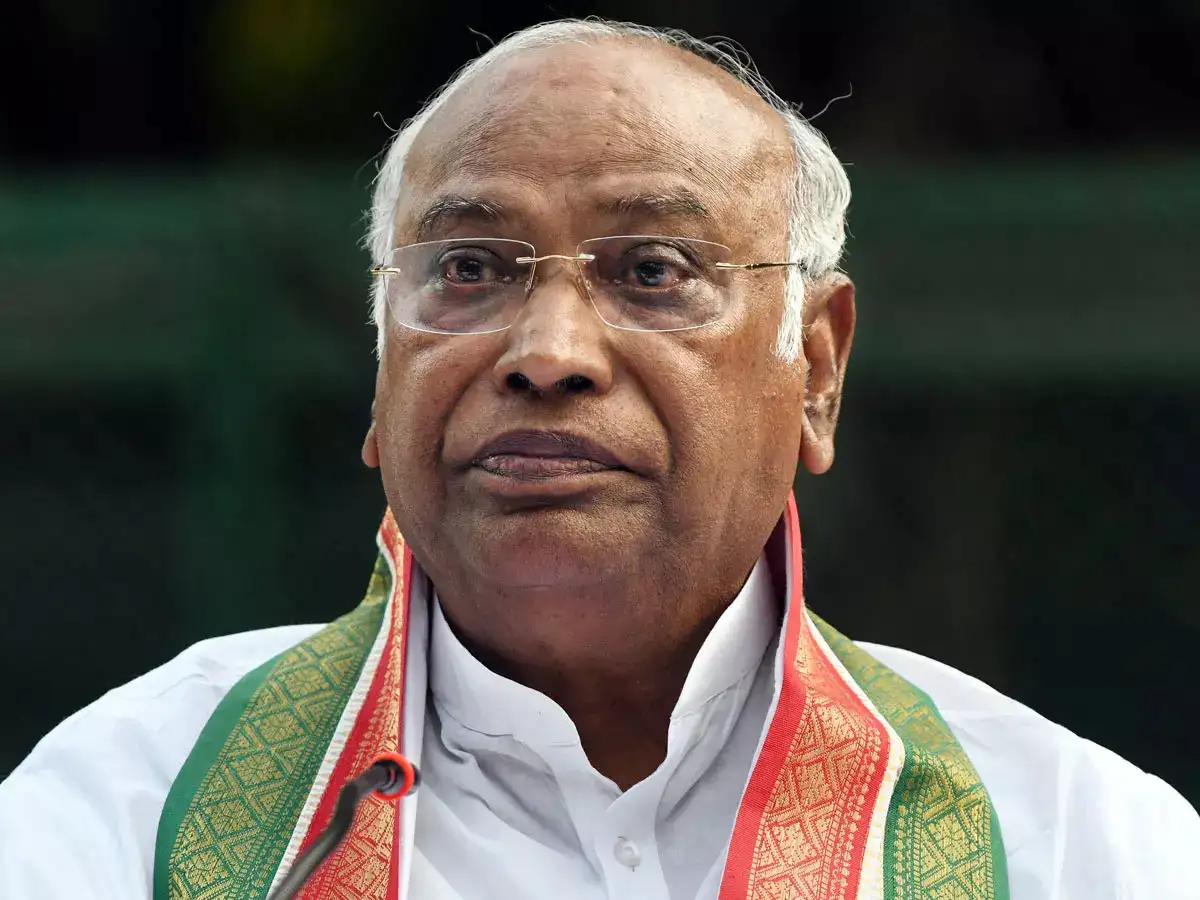
Congress President Mallikarjun Kharge placed the cumulative damage in stark perspective: more than 90 examination papers had allegedly been compromised during the Modi government’s tenure, affecting an estimated 90 million students and their families. UGC-NET 2024, NEET-PG 2024, multiple state police recruitment examinations, railway recruitment tests and the Bihar Public Service Commission examinations were all tainted by allegations of paper leaks or irregularities.
The Opposition, civil society organisations and students’ groups demanded the resignation of Education Minister Dharmendra Pradhan. Rahul Gandhi asked the Prime Minister directly:
“Why aren’t you dismissing the Education Minister who keeps failing repeatedly? Why are you silent, time and again?”
Pradhan remains in office.
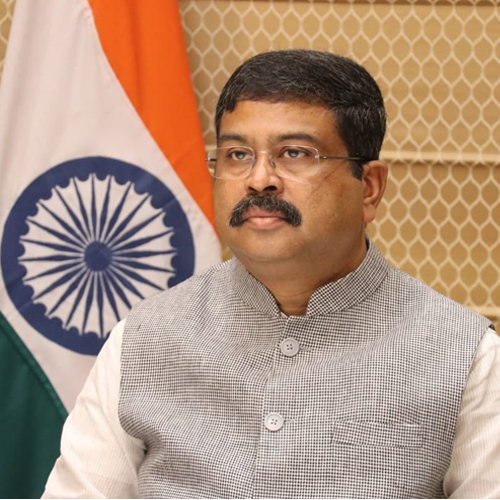
Modi has said nothing.
The examination scandals are symptomatic of a deeper crisis in public education.
A NITI Aayog report, corroborated by Ministry of Education data presented in Parliament, revealed that 94,000 government schools had shut down across India during the decade of Modi’s rule. In 2014–15, India had 11.07 lakh government schools. By 2024–25, that number had fallen to 10.13 lakh.
Uttar Pradesh alone, governed by the BJP, accounted for 24,500 closures. Madhya Pradesh, also under BJP rule, lost nearly 29,000 government schools. Official data further show that more than 65,000 government schools now have fewer than ten students enrolled, while over 5,000 schools reported zero enrolment in 2024–25.
Meanwhile, the number of private schools increased from 2.88 lakh to 3.39 lakh during the same period.
The message is unmistakable. Public education is being steadily hollowed out, while private institutions are filling the vacuum at a cost that millions of Indian families cannot afford. For the 80 crore citizens who continue to depend on subsidised food grains, quality education is increasingly becoming another unaffordable commodity.
Education experts warn that this trajectory risks producing a generational learning crisis. Transition rates from upper primary to secondary education have already fallen from 91.58 per cent to 86.6 per cent over the decade.
The Prime Minister who built his political identity around the story of a tea-seller’s son rising through merit has presided over the steady erosion of the very public education system that made such aspirations possible.
He has addressed none of it.
Read the rest of the story tomorrow in Part II.








**”A compelling opening by M.G. Radhakrishnan. This piece raises important questions about power, accountability, and the silence that often surrounds serious allegations. Looking forward to Part 2—journalism like this encourages readers to question, reflect, and seek the truth beyond headlines
As always , DR Dubey’s marshalling of facts is outstanding . This article should be circulated widely in public platforms including parliament and CJP protest sites