


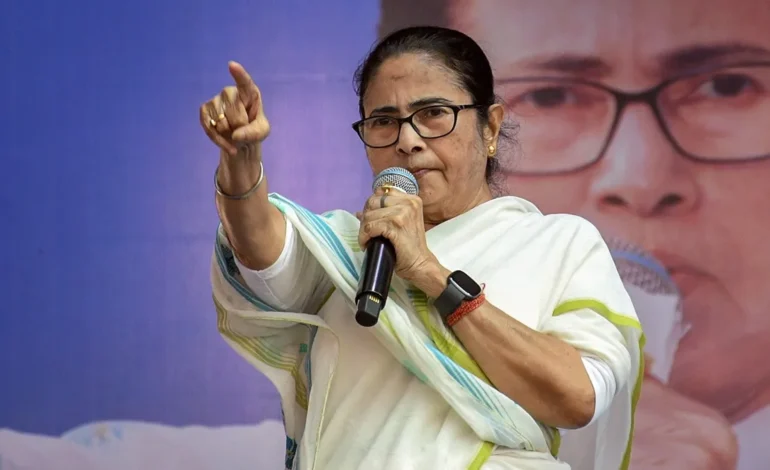
As West Bengal gears up for the 2026 Assembly elections, the condition of women remains a central political and societal concern. Chief Minister Mamata Banerjee’s government has actively promoted welfare schemes targeting women, positioning them as instruments of empowerment and financial inclusion. Recent increases in assistance under flagship programmes such as Lakshmir Bhandar have reinforced this narrative. Yet, persistent reports of crimes against women, including high-profile incidents like the RG Kar rape-murder case, raise critical questions about ground realities. This article examines this dual narrative: measurable gains in economic support and education alongside ongoing challenges in safety and justice.
Empowerment Through Targeted Schemes
The Trinamool Congress (TMC) government has rolled out several women-centric initiatives over the past decade. Lakshmir Bhandar, launched in 2021, stands out as the most visible. It provides direct monthly cash transfers to women aged 25–60. In the 2026 budget, presented ahead of the elections, the government announced a ₹500 hike, raising the amount to ₹1,500 for women in the general category and ₹1,700 for SC/ST women. This expansion benefits around 2.41–2.42 crore women, including over 20 lakh newly added beneficiaries.

Supporters argue that these transfers enhance women’s decision-making power within households and reduce economic dependence. The Direct Benefit Transfer (DBT) system ensures that funds reach beneficiaries directly, bypassing intermediaries. With cumulative spending crossing ₹1 lakh crore, the scheme has created a strong support base among women voters.
Kanyashree Prakalpa, launched earlier, offers conditional cash transfers to girls aged 13–19 from families with an annual income of up to ₹1.2 lakh. It provides an annual scholarship (around ₹1,000) and a one-time grant of ₹25,000 at age 18 for those who remain unmarried and continue their education or vocational training. The scheme has reached nearly one crore beneficiaries and has earned UNESCO recognition for its role in delaying child marriage and promoting female education. Complementary programmes such as Rupashree, which provides a one-time grant of ₹25,000 for the marriage of daughters from low-income families, further strengthen financial inclusion.

These initiatives align with broader efforts like Duare Sarkar (“government at the doorstep”), which simplifies access to public services, as well as reservations for women in local governance. Proponents, including Banerjee herself, argue that such measures foster dignity, education, and political participation. Women have emerged as a crucial electoral constituency, with these schemes significantly strengthening their support for the TMC.
Safety Concerns and Ground Realities
Despite these gains, concerns about women’s safety cast a long shadow. National Crime Records Bureau (NCRB) data for 2023 show that West Bengal recorded 34,691 cases of crimes against women—among the highest in India—though slightly lower than 34,738 in 2022. The state’s crime rate stands at 71.3 cases per lakh female population, above the national average of 65.3. West Bengal also recorded the highest number of acid attack cases nationally.
Cruelty by husbands or relatives (Section 498A of the IPC) constitutes a significant share of these cases. Conviction rates remain alarmingly low, averaging around 5% in recent years and dropping to 3.7% in 2023, placing the state among the lowest nationally. Underreporting, delays in the justice system, and the perceived politicisation of cases further aggravate the problem.
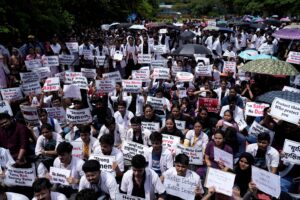
The 2024 RG Kar Medical College and Hospital incident—the brutal rape and murder of a young trainee doctor—triggered nationwide outrage and exposed serious lapses in workplace safety. Protests highlighted failures in securing the crime scene, initial mishandling of evidence, and broader institutional shortcomings. Similar concerns have surfaced in cases like Sandeshkhali, where allegations of sexual violence emerged amid political tensions. Critics argue that while welfare schemes provide financial support, systemic failures in policing, judicial processes, and accountability persist.
Kolkata often ranks among the “safest” major cities in NCRB metro data for overall crime and crimes against women. However, lived experiences—particularly in rural areas and institutional settings—suggest a more complex reality. Activists point to underreporting driven by stigma, fear of retaliation, and pressure to settle cases. Women’s groups and opposition parties frequently accuse the government of prioritising optics over enforcement.
Balancing Empowerment and Security: A Societal Analysis
This contrast reveals deeper societal dynamics. Economic schemes offer tangible short-term relief, particularly for marginalised women in a state marked by significant poverty. Cash transfers can improve nutrition, access to education, and bargaining power within households. The success of Kanyashree in reducing child marriage is well documented through enrolment data and delayed marriage trends.
However, empowerment remains incomplete without safety. Financial independence does not automatically translate into physical security or access to justice. High crime figures, low conviction rates, and high-profile failures continue to erode public trust. As elections approach, the TMC highlights welfare delivery and “Didi’s” maternal connect, while critics emphasise shortcomings in law and order.
Sociologically, West Bengal reflects a broader national paradox: progressive welfare policies coexist with entrenched patriarchal norms and governance deficits. Political interference, institutional constraints, and resource limitations in a densely populated state add further complexity. While positive measures—such as increased wages for ASHA and Anganwadi workers—are commendable, implementation and monitoring require substantial strengthening.
Independent observers argue that while welfare schemes generate political capital, sustainable transformation demands an integrated approach: improved policing, judicial reforms, community awareness, and strict enforcement of the law irrespective of political affiliation.
The Road Ahead
Mamata Banerjee’s government has undeniably expanded women’s access to financial resources and education through ambitious welfare programmes. The recent hike in Lakshmir Bhandar underscores a continued commitment to this agenda ahead of the 2026 elections. Yet, recurring safety concerns—from high-profile cases like RG Kar to everyday incidents—highlight that cash transfers alone cannot address violence rooted in deep social attitudes and institutional weaknesses.
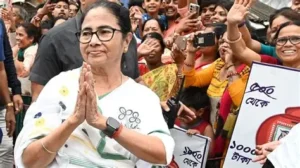
For a truly balanced societal outcome, the state must bridge this gap by strengthening law enforcement, ensuring swift justice, and fostering a culture of respect alongside welfare initiatives. Women in West Bengal deserve both economic empowerment and physical security. As voters weigh these realities, the 2026 elections may ultimately test whether narratives of empowerment can outweigh persistent vulnerabilities.









:
“A balanced and timely analysis of Mamata Banerjee’s record on women, thoughtfully weighing welfare initiatives against ongoing safety concerns.”