

All the World’s A Stage & The Stage Is For All


What happens when what started on the “fringe” takes centrestage?
It becomes a global celebration of everything art. For 78 years, the cobblestones of the Edinburgh Festival Fringe have witnessed the move of the margin to the mainstream. …And this year, it will also give volume to the 50 curated climate narratives that refuse to stay silent.
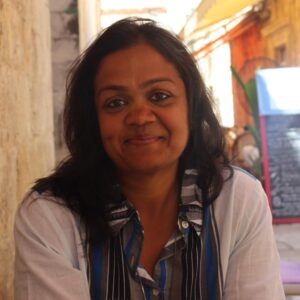
Storyteller and Arts Enthusiast Himali Kothari reports from Edinburgh.
In 2013, a young woman with a cropped mop of black hair, dressed in a black tee and denims perched on a stool on the stage in Edinburgh’s Underbelly – the name of the venue, not its characteristic. That night, the 60-something audience earned bragging rights as the first to witness a show that would evolve into a
BBC Three comedy series and later storm global screens via OTT platforms. In 2013, Fleabag was one of 2900+ shows that were performed in venues across Edinburgh as a part of the Edinburgh Festival Fringe. In the years that followed, it reached millions of screens across the world and won dozens of awards for its actor-writer and creators.

But, Fleabag is not a flash in the pan. It is one of many-many success stories whose prologue has been one of the many obscure venues that serve the Fringe. And these stories are the rightful legacy of the Festival that began in August 1947. Snubbed by the official Edinburgh International Festival, eight performers staged shows on its fringe anyway. After all, the best known performer of all time had coined the phrase – all the world’s a stage!
That was the first Edinburgh Festival Fringe.
At the time, it may have seemed like a flight of fancy but it did not take the Festival Fringe long to sprout wings and soar. In the eight decades since, it has become the largest global performance festival. More venues, digital ticketing, critical reviews and previews, an official app…much has evolved over the years. Except for one critical statement embedded in its constitution – the Festival Fringe Society would take no part in vetting the festival’s programme.
It is my first time attending the Fringe and friends who have been a part of the madding crowds in the past suggest planning which shows to see and booking some tickets in advance. The EdFringe app downloaded, I scroll through the choices at hand: 3,000-plus shows. So much for planning! I opt for the classic play-it-by-ear approach.
Clouds of Change Hover
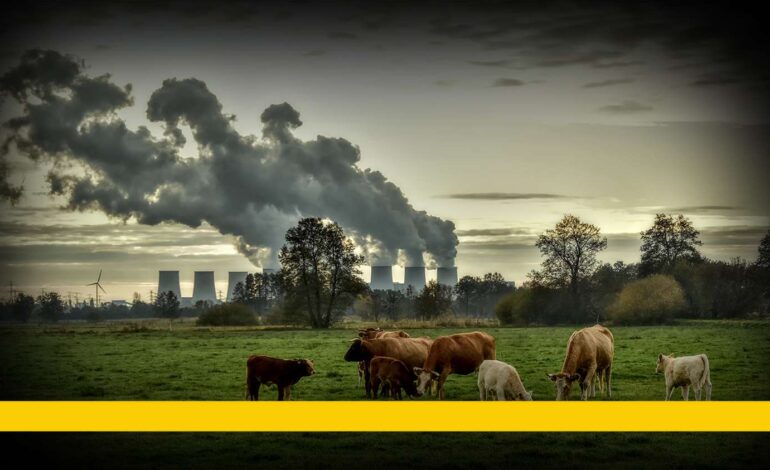
My key agenda to be at the Fringe is the Climate Change Theatre Action programme, which will also feature one of my short plays. CCTA was launched in 2015 and is a worldwide festival that is presented biennially. It commissions plays from playwrights across the world with the aim to use theater to draw attention to the climate crisis. Since then, it has become a collaboration between the like-minded Arts & Climate Initiative and Centre for Sustainable Practices, both of which integrate society, culture and the arts in addressing the climate crisis.
At the EdFringe 2025, the CCTA programme is spread across 23 days. It has partnered with Culture for Climate Scotland and Traverse Theatre to present a reading performance of the fifty short plays that are a part of its 2025 collection. Besides, there will be installations, conversations, curated experiences and a vegan market.

I stride down towards the Harry Younger Hall, though Edinburgh’s cobble-stoned pavements make it more of a plod for this Mumbaikar’s calves and soles. Note to self: cobble-stones make for pretty pictures not pretty walking. All venues at the Fringe are denoted by numbers and the Harry Younger Hall is Venue 13. Established in 1980, it celebrated 40 years as one of the longest-standing venues of the Festival in 2020. After a 4-year post-Covid hiatus, the venue was revived this year by producers Ian Garrett and Vanessa Kelly.
It is a casual living-room style setup with five chairs facing the seating arrangement for the audience. A white curtain forms the backdrop.
On the program today are Space Cat by Lewis Heatherington and Science is Dead by David Geary.
Space Cat addresses the concept of space colonisation. The play oscillates between the thoughts of the astronaut who has been sent into space to look for a planet and his cat who waits for him to return.
“I wanted to write about the barrenness of space in comparison to this extremely beautiful planet we’ve been given. I wanted to ask why we are being sold this vision of space colonisation and who will actually benefit from it?” says Lewis who is present in the audience.

In David Geary’s play ‘Science is Dead’ the characters use the free association game to discredit science and scientists. The playwright was inspired by Dario Fo’s integration of farce and satire in his works. The performers who read the play are actors who are a part of some other productions at the Fringe and have responded to Ian’s open call for readers.
The performances are followed by an impromptu, spirited conversation between the actors and the audience about the takebacks from the play. It is evident that the need for imminent action to address the climate crisis is not lost but can it take centre stage?
Chantal Bilodeau, one of the founders of CCTA is optimistic about the Edinburgh Festival Fringe helping the cause. “Never in our 10-year history have all the plays been presented at one event. It’s a chance for new audiences to get to know this project and to see that climate-themed theatre can be joyful.”
As I traipse out of Venue13, the bright Soft-serve Cartel’s booth and the wide-smiling Mark behind it, tempt me to indulge, despite the more-than nippy evening air. It is worth it.


“It is made from oat milk,” Mark informs me, holding up the glass bottle of the oat milk they use.
I scrape up the last drop. Oats? Who knew breakfast could transform into dessert?
Perhaps there are endless possibilities in alternatives.







Sounds like a while lot of fun