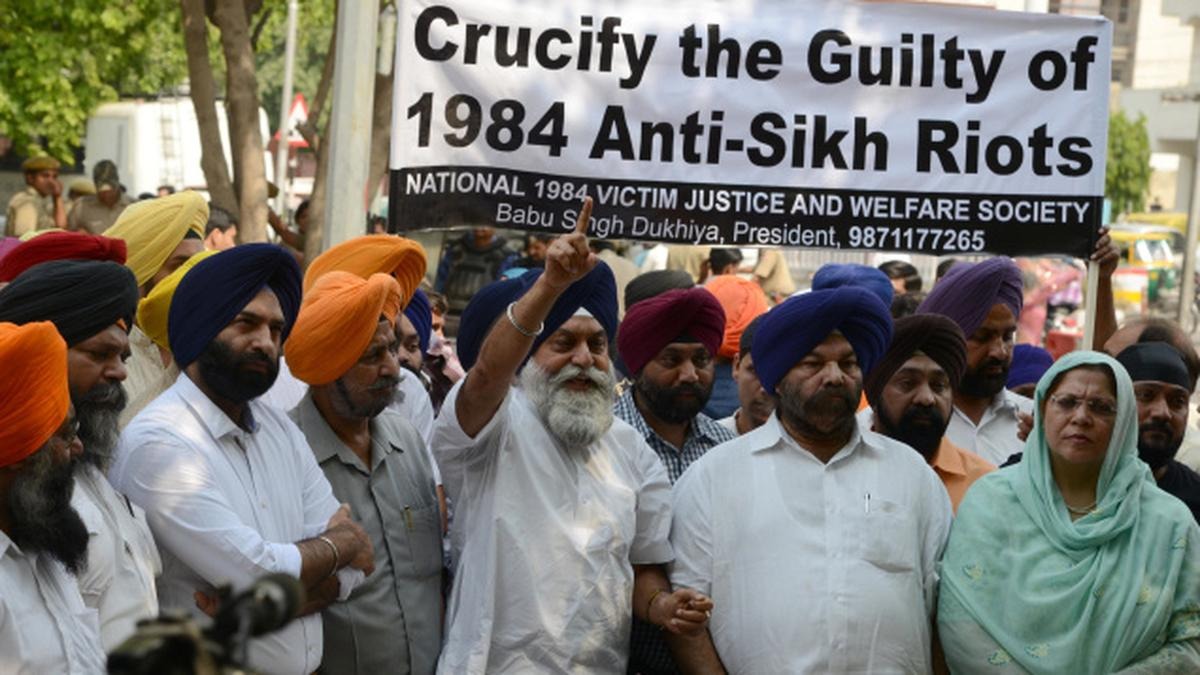
This day carries a difficult memory for the Republic. The assassination of Prime Minister Indira Gandhi on October 31, 1984, and the organised violence that followed against Sikh citizens, continue to mark a profound moral break in India’s democratic journey. The failure of the State and the role of prominent Congress leaders in enabling the attacks have been examined by commissions of inquiry, human rights groups, and courts, leaving little ambiguity about responsibility at the political and administrative level. Families who survived the violence speak of homes destroyed, men pulled from houses, and neighbourhoods abandoned to mobs. The scars remain present in many Sikh households across the country.
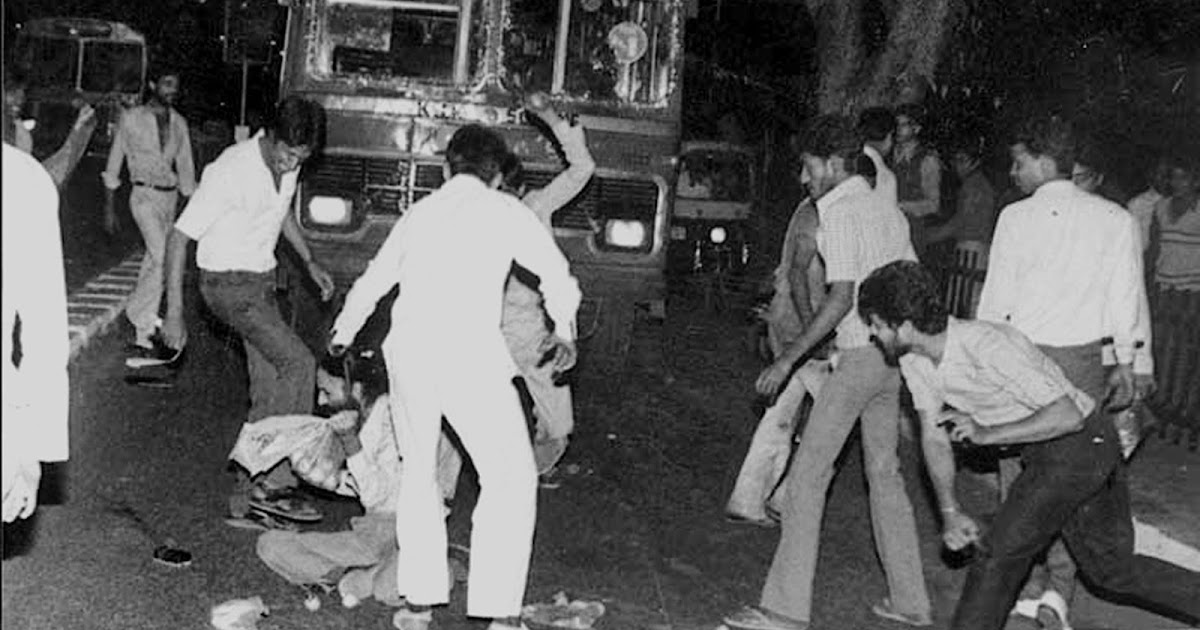
There are other layers to that moment which history tends to treat with greater softness. At a time when fear spread across Delhi and other cities, the Rashtriya Swayamsevak Sangh and its wider fraternity did not assume a visible role in restraining the violence or expressing outrage in a forceful public voice. Senior leadership maintained a composed distance, and the organisation’s commentary in the period was careful and largely framed through the lens of national stability and discipline. Its publications conveyed sorrow and respect for the late Prime Minister, while avoiding a clear description of the attacks on Sikh communities. Relief efforts associated with the Sangh, where they occurred at a local level, were modest and seldom articulated as an organisational stand.
Internal writings from that period reveal admiration for Indira Gandhi’s leadership and firmness on questions of national security. They also reflect an interpretation that emphasised the political conditions surrounding Operation Blue Star and the response it generated, which redirected attention toward Sikh militancy rather than the collective punishment of a community. The language of those writings, and the reticence in addressing the immediate human suffering on Delhi’s streets, offer insight into the ideological instincts of the time.
In more recent years, leaders aligned with the Sangh have spoken of swayamsevaks offering shelter to Sikh families during the violence. Public recollection changes with political context, and institutions often return to moments of crisis in ways that strengthen present-day self-understanding. The tragedy of 1984 is rightly recalled to expose failures in governance and political accountability. The quieter dimensions involving other organisations, however, seldom occupy equal space in public conversation, though they belong to the same moment and illustrate how silence can shape outcomes alongside action.
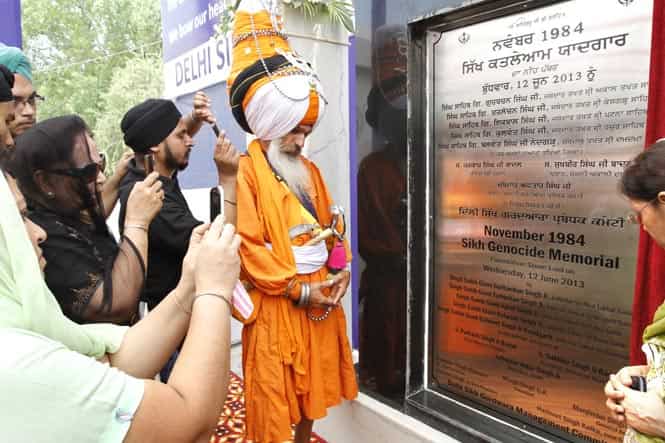
To mark this anniversary is to remember the lives that were taken and to reflect on the silences that shaped public conscience. A republic that continues to wrestle with the meaning of nationalism and the idea of community gains clarity when it returns to moments that were spoken about only in fragments. Revisiting those unacknowledged dimensions of 1984 remains an act of civic honesty and a step toward a more complete understanding of our shared history.