

37, Tughlaqabad Extension, New Delhi

There are places in India that never make it to the grand narratives of power, progress, or nationalism. Their lanes are too narrow for television cameras, their people too burdened by survival to manufacture outrage, and their lives too ordinary to attract the attention of history. Yet, it is in these forgotten corners that the Republic reveals its truest face — bruised, resilient, intimate and quietly humane.
In this edition of Everything Under The Sun, Nalin Verma takes us to a cramped lane in Tughlaqabad Extension, where grief, poverty, religion, labour and companionship coexist in uneasy but enduring harmony. Through the death of an old cart-puller, the laughter of children in torn clothes, rooftop conversations between neighbours, and the sudden shadow of armed policing during Ramnavami, Verma captures a fragment of India that survives beneath the noise of manufactured hatred.
It was a sultry October noon in 2024. The body of a cart puller, wrapped in an orange-coloured shroud, lay on the street before the small Shiva temple. The deceased’s women family members wailed and his auto-driver sons were sombre. Dozens of neighbours had gathered around, consoling the family.
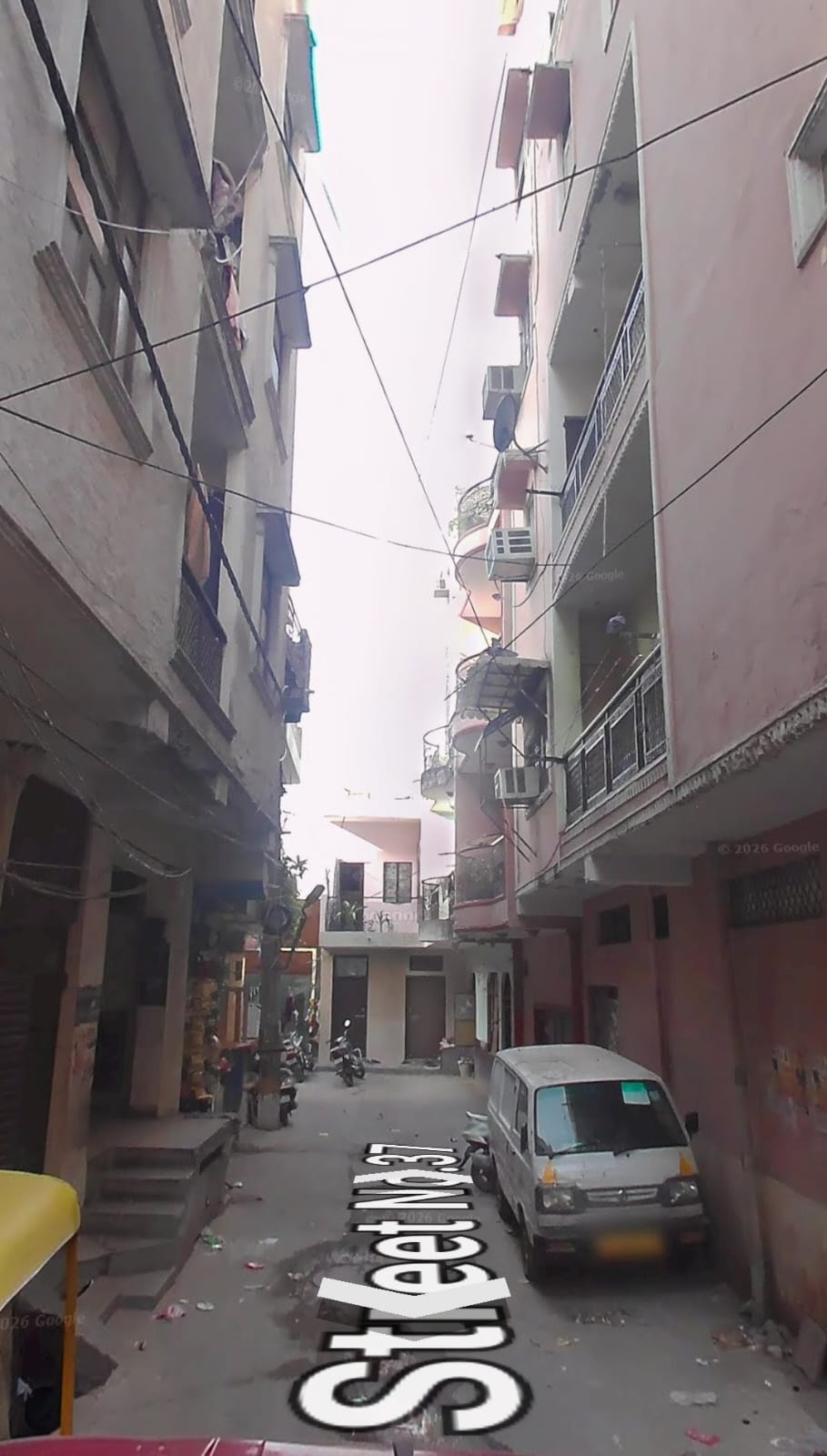
It was at Street Number 37, Tughlaqabad Extension, New Delhi.
Who was he? How did he die? Replying to the queries, his next-door neighbor and my landlord Sabir Khan said, “He was an old man belonging to a lower Hindu caste. He raised his family pulling a cart. His sons own three-wheelers and earn barely enough to live. They loved their father who, too, was an affable soul. We all loved him.”
Explaining the possible reason for the cart-puller’s death, Khan said, “The old man was a heavy drinker; he drank country liquor. He had liver cirrhosis. His sons admitted him to Hamdard Hospital when his condition deteriorated. The doctors stopped him from drinking liquor.”
“Then?”
“He insisted that his sons somehow manage liquor for him on the hospital bed. It wasn’t easy before the prying eyes of the nurses and doctors. But they mixed a few spoons of liquor in coconut water and served him. He drank, felt energetic and looked like he was recovering for a while. He blessed his sons for taking care of him. But he breathed his last the same night.”
I had begun living in Sabir Khan’s house on the third floor on rent a day before the cart puller’s death. The other day, I boarded the auto-rickshaw of his son and asked him to share about his departed father. “He was our loving father. We were poor, coming from a remote village of Uttar Pradesh. He pulled a cart and toiled hard on the streets to earn bread for us. With his blessings, we have a three-wheeler and a small house now. We are happy that we served him well.”
“But why did you serve him liquor when he had cirrhosis?”
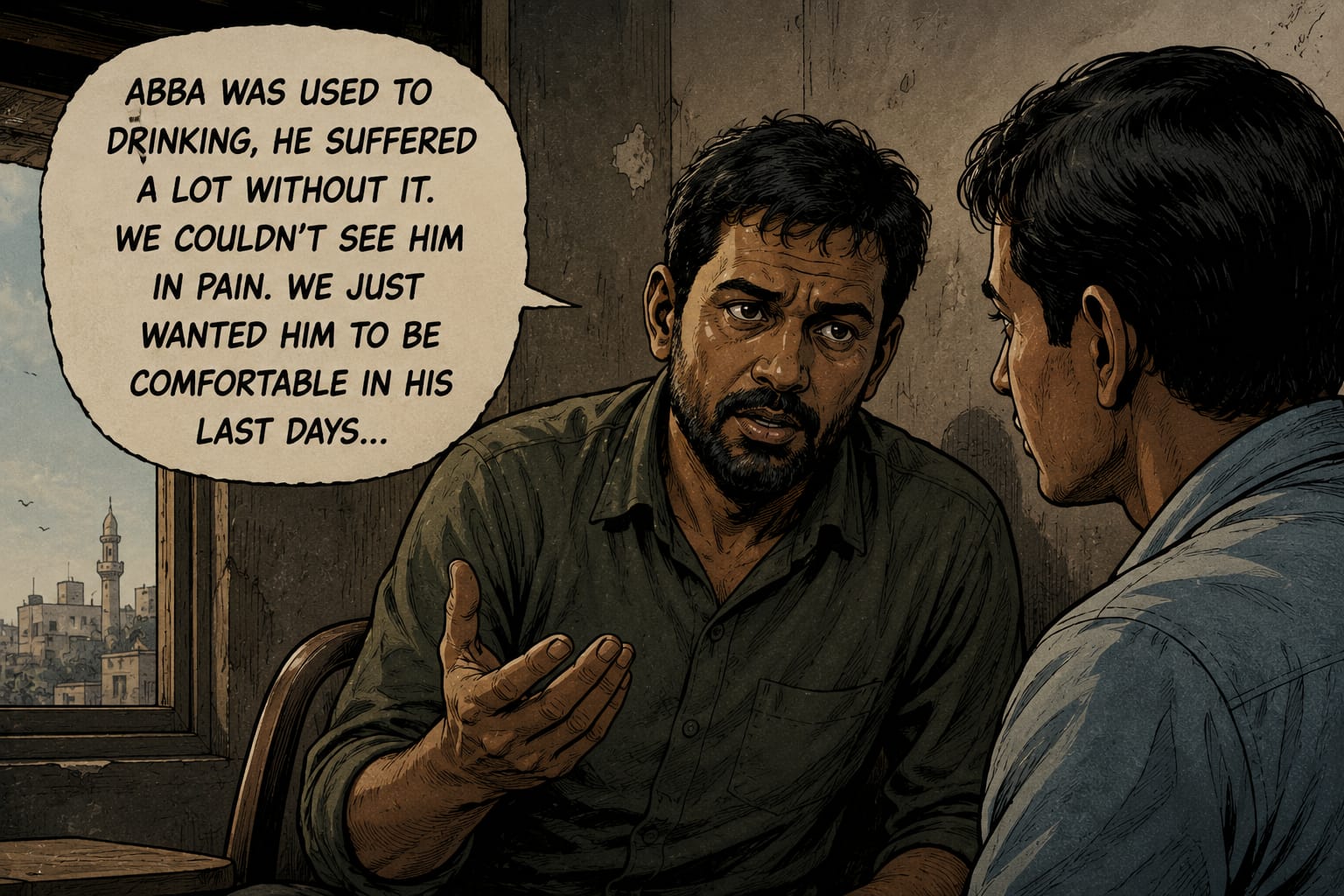
“Earlier, our mother and we repeatedly asked him to give up his drinking habit. But he didn’t listen to us. He had other cart-puller and grain-loader friends who together drank at the end of the day’s toil. When he fell ill and we admitted him to the hospital, the doctors stopped him from drinking, but he insisted that we somehow bring liquor. Out of love for him, we gave him liquor mixed in coconut water so that he wouldn’t hanker for what he had savored in the last leg of his life. After all, he had to die… we all will die one day.”
Crammed Lanes and Happy Children
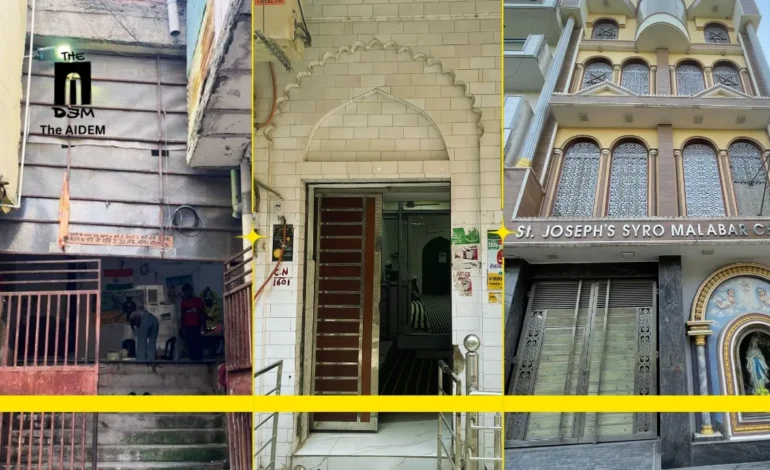
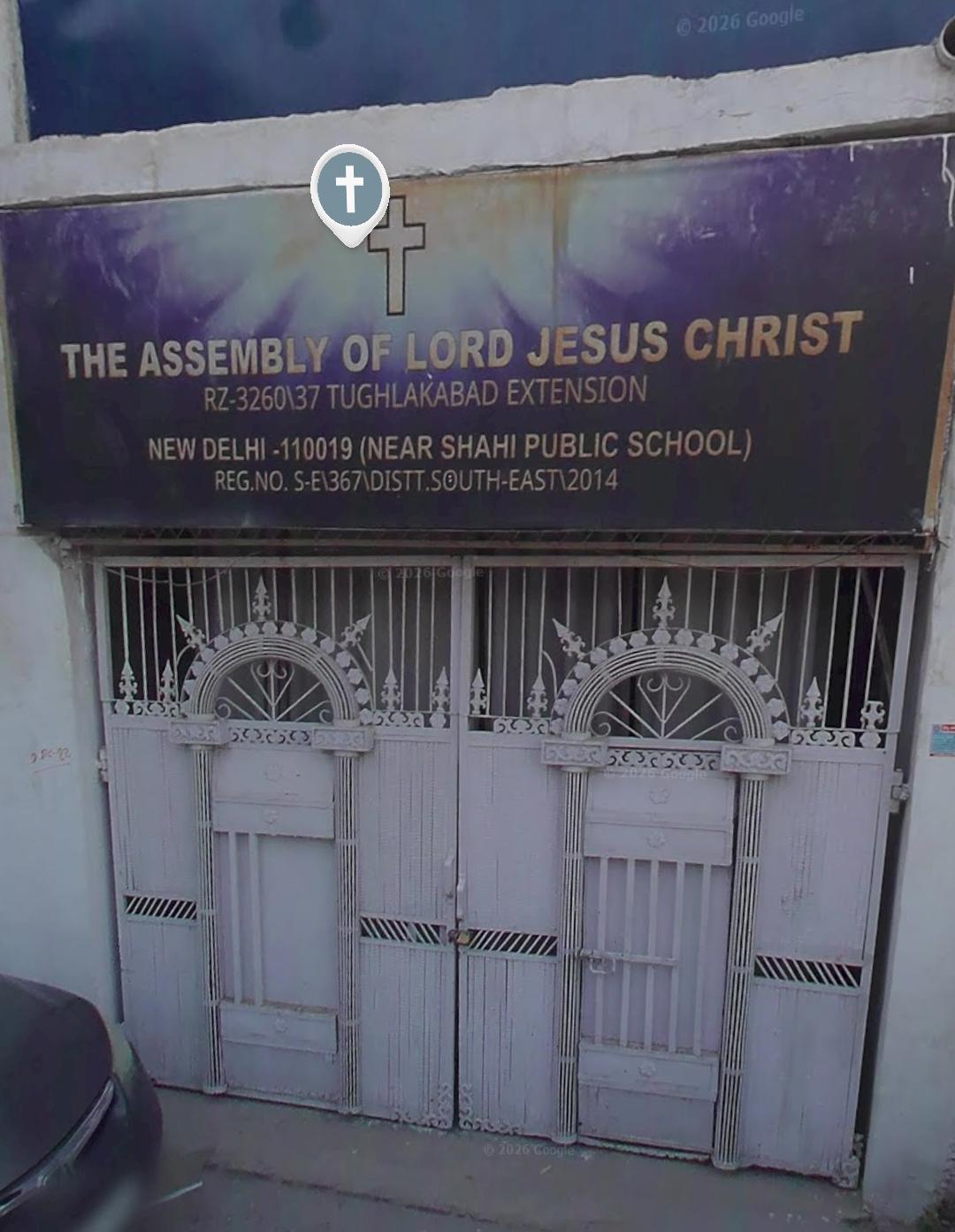
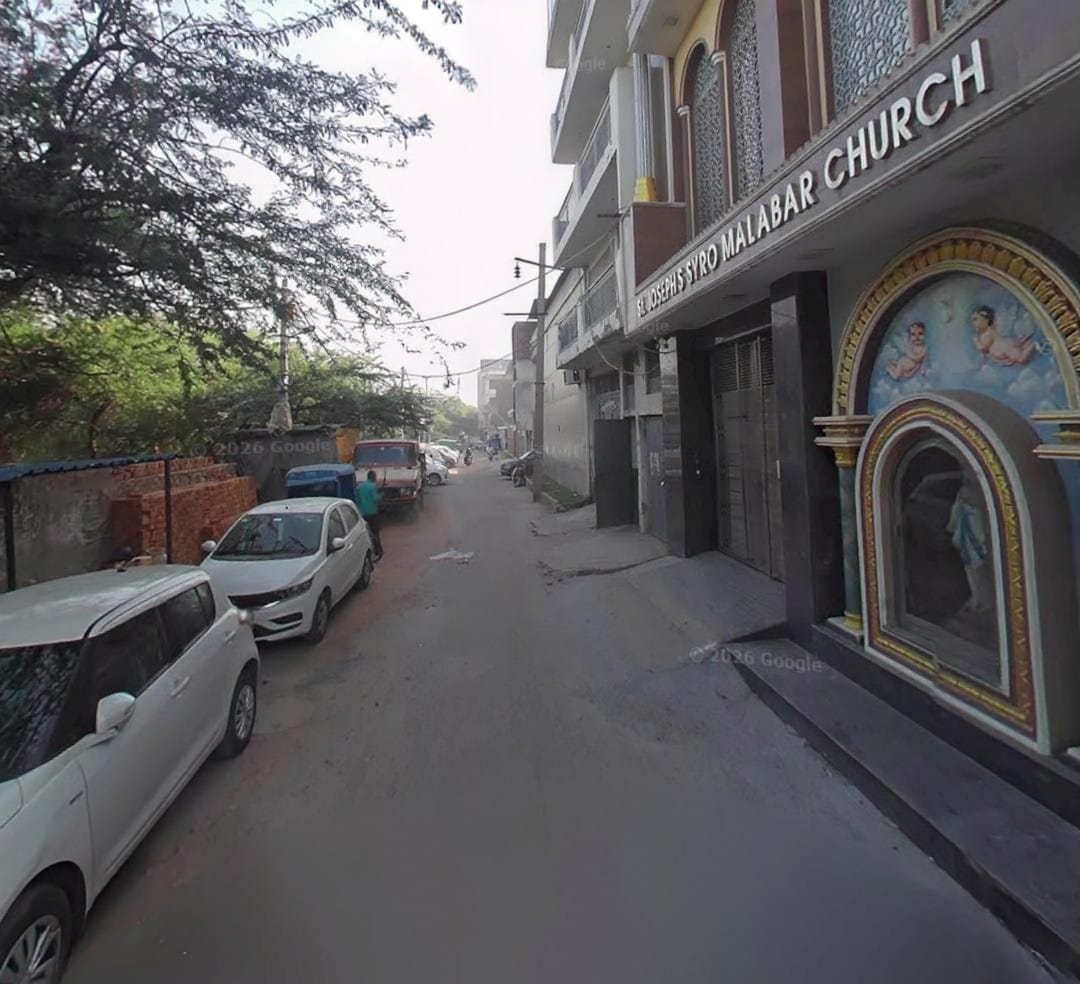
37-Tughlaqabad Extension is a congested locality with little space between one house and another. The lane is too narrow for a four-wheeler to ply on. It has a small Shiva temple at its southern end. In a corner, about fifty meters away, is situated a mosque. The street at the northern end has a Malabar Church, adjacent to Shahi Public School, about 75 to 100 meters from the temple and the mosque.
The absence of four-wheelers and other speeding vehicles is, in a way, a blessing in disguise for the children—they mostly in tattered clothes play marbles and small balls—chipped and dented—all through the day. They giggle, laugh and quarrel nonstop. It appears that they will never grow old and will forever remain children playing on these streets. There are dingy shops selling milk, eggs, pouches of tea, spices, salt, combs, toothbrushes, paste, cheap varieties of toffees, biscuits and other sundry wares.
In a corner of the street is a Public Distribution Shop which gets men and women in soiled dhotis, saris, or trousers and kameezes swarming up, jute and plastic sacks in hand, to collect their quota of five kilograms of ration each per month.
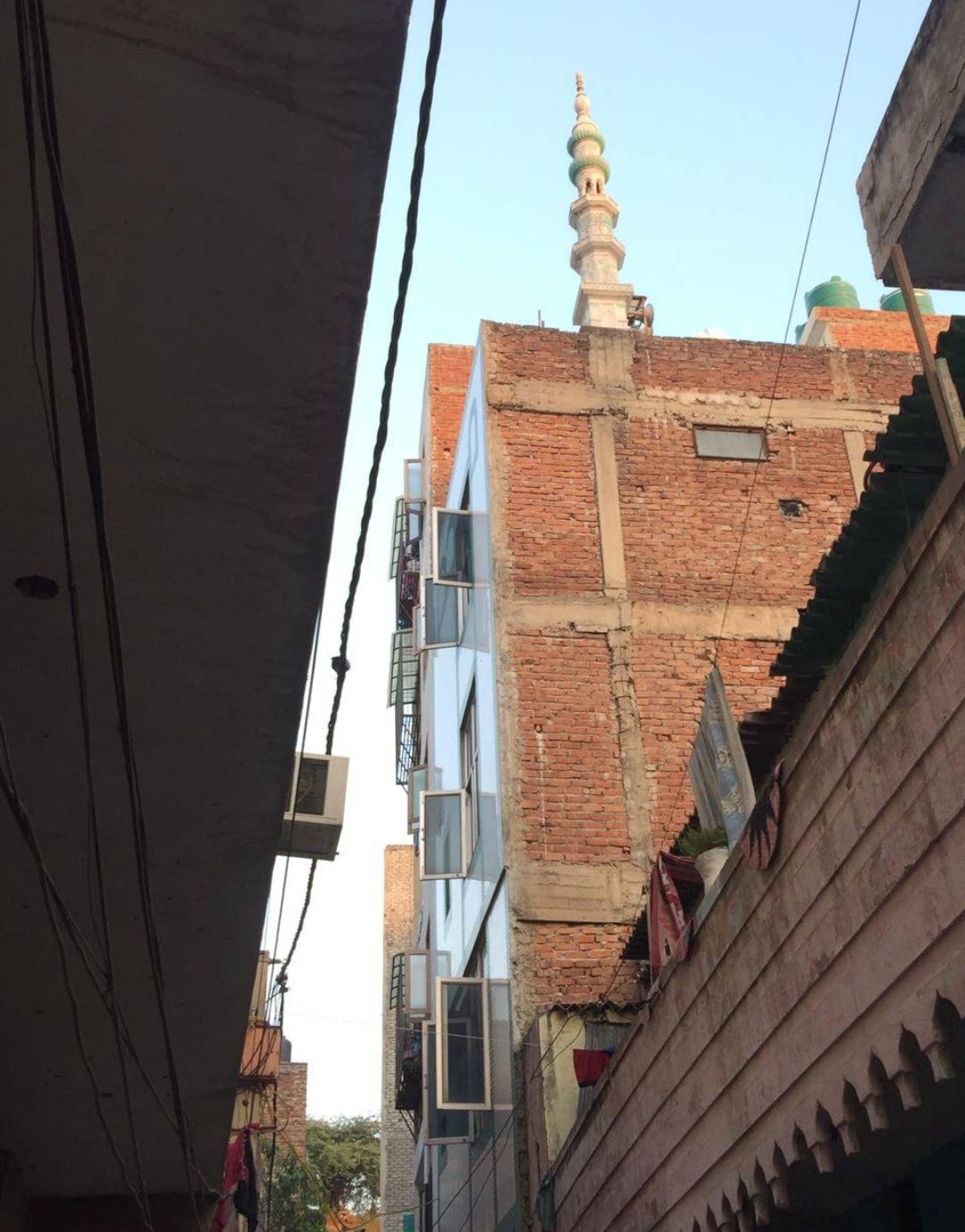
The mosque gets scores of men offering namaz every Friday. The sound of bells ringing and bhajans echo from the temple every morning and evening. Women wearing vermillion on their foreheads and plates of offerings in their hands are seen walking barefoot to the temple during festivals.
But the street in front of the Church shares a boundary with the main Tughlaqabad-Mehrauli road and has a small parking space. Some visitors are occasionally seen coming in their cars to the Church.
37-Tughlaqabad Extension mostly has Muslim and Hindu homes erected cheek by jowl. Perhaps, the Muslims outnumber the Hindus. Several houses share roofs. It’s common to see women sharing onions, potatoes and talking to each other on their roofs, their spaces separated by knee-high brick walls.
And the menfolk share gossip sessions on the streets. They light bonfires in the winter to huddle together and water the streets from the streams of the municipal corporation’s supply lines during the summer.
Yours truly came across a middle-aged man with several trays of eggs precariously settled on his bicycle’s pillion near a small outlet of eggs, milk and curd when he had gone to buy a pouch of milk, five meters from his abode.
“You carry so many eggs. You must have several hens laying the eggs. Where do you keep your hens?”
The man, balancing the trays of eggs on the pillion, smiled and said, “I belong to Ayodhya. Our Abba (father) had a large number of hens. We lived in a hut and played with the hens. But one day the policemen ransacked our hut and captured our hens. Having lost our home, I came to Delhi in search of a livelihood. Now, I buy eggs from wholesalers and supply them to retailers. We no longer have hens.”
Ramnavami Procession
On March 27, 2026, as many as five policemen with rifles slung across their shoulders were seen sauntering near the temple. There emerged a procession from the temple, some youths boisterously shouting Jai Shriram. The children who usually played on the streets were nowhere to be seen.
While returning from the University, I asked a policeman about the reason for their arrival on this narrow lane. He said, “It’s Ramnavami. It’s a Muslim area. We are here to ensure peace on Ramnavami.”
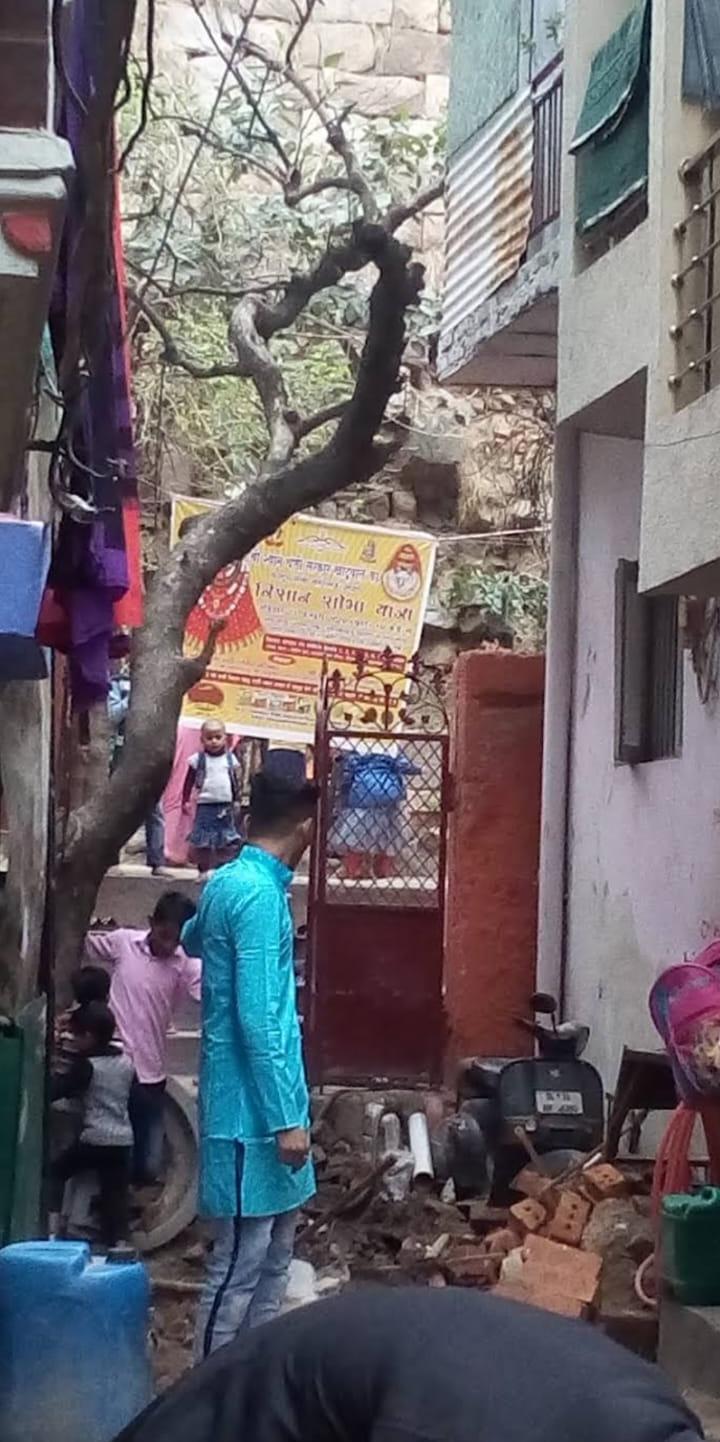
The autorickshaw driver and Shabir Khan were huddled together in Sabir Khan’s small room near the staircase on Khan’s crammed ground floor. “All the people in the procession are outsiders. We don’t know them. We also don’t know why the policemen are here,” Khan said. The autorickshaw driver added, “You have been living here for two years now, sir. Have you seen us creating any disturbance?”
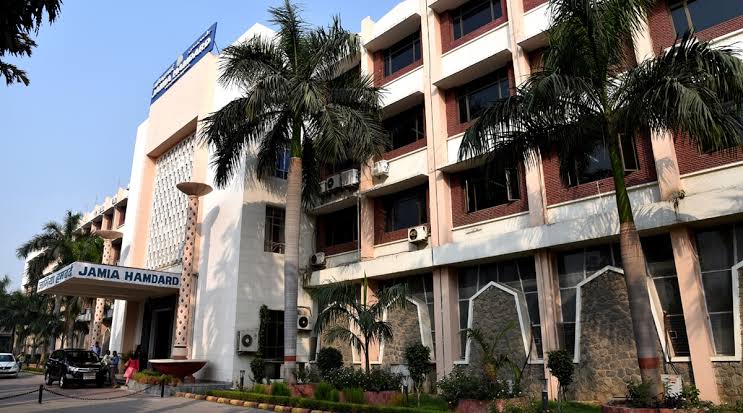
I usually avoid inviting my friends to my house in 37-Tughlaqabad Extension. It’s because it has no parking space and the visitors have to take the trouble of walking and negotiating through the crammed lane to reach my house. Moreover, I live on the third floor. One has to climb steep staircases to reach me. The primary consideration for me to choose these streets was that they were within walking distance from Jamia Hamdard University where I teach.
Moreover, the streets have several haircutting salons—not elegantly decorated and air-conditioned—but with hairdressers from the villages of Bihar and Uttar Pradesh. I am required to visit the salons every week to trim my beard and the hairdressers share several enchanting stories with me. They all love me.
The biggest incentive is Sabir Khan who charges very modest rent and doesn’t press me to pay the rent when my pocket is tight.
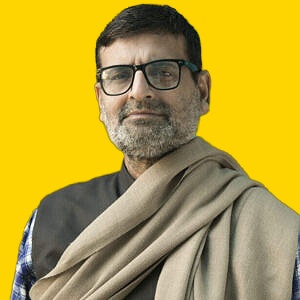
(Featured Images credit: Asaad Hasan Khan, Student; Jamia Hamdard)



Nalin Verma’s “37, Tuglakabad Extension, New Delhi” appears to be more than just a location-based narrative — it reflects the lived realities, silences, and layered truths hidden within urban India. A thoughtful and grounded piece that turns an ordinary address into a powerful social observation.