There is a quiet but decisive battle shaping the modern public sphere—battles not fought in parliaments, courtrooms or newsrooms, but across screens, feeds, and timelines. In today’s India, a nation of more than 820 million internet users, the question of who shapes public opinion is no longer straightforward.
For decades, journalists served as the primary custodians of information, truth, and accountability. But the rise of influencers—ordinary people turned digital celebrities—has fundamentally altered the architecture of influence. A twenty-two-year-old with a ring light and smartphone can reach more people in minutes than an entire newsroom working for months. In this new ecosystem, the contest for credibility, if not trust, is not merely professional; it is cultural, economic, and political. Until a few years ago, the hierarchy was clear: Newspapers, television channels and magazines set the national agenda. A prime-time debate could tilt political mood, while a newspaper exposé could bring down a minister. But the shift from newsrooms to newsfeeds has unsettled these orders. Algorithms, not editors, now decide what the public sees first. A reel or a short video can travel nationwide before a fact-checking desk even begins its work. And in this rush of content, the credibility once associated with journalism has started to feel fragile.
Why Journalism’s Authority Has Eroded
Much of this credibility crisis is of journalism’s own making. The race for ratings pushed several news channels into sensational theatrics. Anchors became performers rather than reporters, and debates turned into aggressive spectacles. In many cases, editorial independence eroded under political or corporate pressures. Sections of the media surrendered substance for noise, reducing complex issues into polarised narratives. The audience noticed. Trust weakened. In the space created by this erosion of faith, influencers stepped in.
Influencers, unlike journalists, do not speak through institutions. Their power comes from relatability. They speak to their audience informally; that is the language of comfort, humour—or direct frustration. Whether discussing fashion, food, mental health, finance, governance or geopolitics, they present themselves as companions rather than experts. This informality attracts a generation that often finds mainstream media intimidating, biased, or distant. A young viewer scrolling Instagram at midnight feels a stronger emotional connection to an influencer talking into a phone than to a suited anchor reading headlines. This emotional intimacy has become the currency of influence.
The Economics Behind Influence: A Rising Billion-Dollar Ecosystem
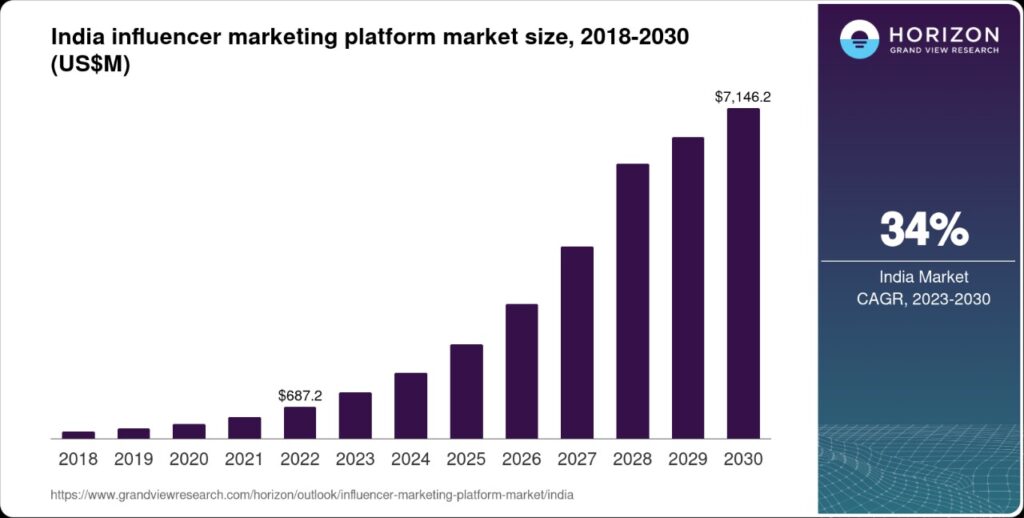
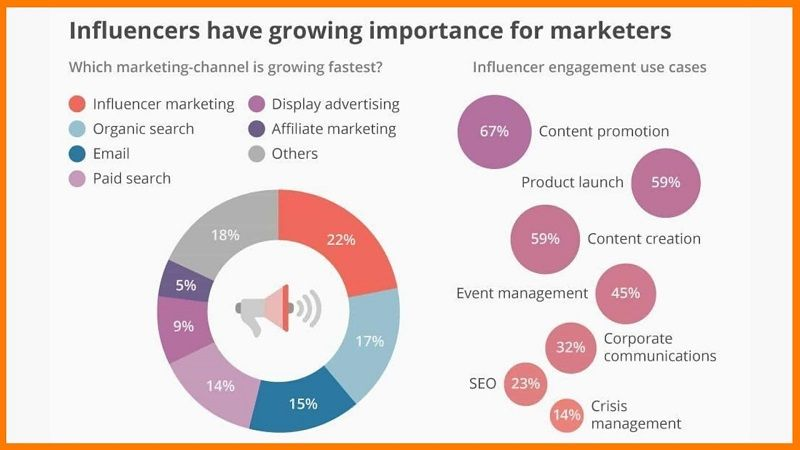
The shift is also deeply economic. India’s influencer economy is booming—estimated to cross ₹5,000 crore by 2026. Brands now devote sizeable portions of their advertising budgets to influencer marketing because the returns are immediate and measurable. Influencers offer targeted reach, granular audience insights, and guaranteed visibility. They perform better in terms of engagement than traditional ads, and the business world has taken note.
The media, once financially stable, now finds itself in crisis. As print circulation declined, TV advertising is shrinking, and digital subscriptions remain too weak to sustain newsrooms. In contrast, a social-media post from a popular creator can draw more money flows towards influencers, not journalism. In a media climate where economic viability shapes editorial choices, the financial power of influencers undermines the institutional power of journalism.
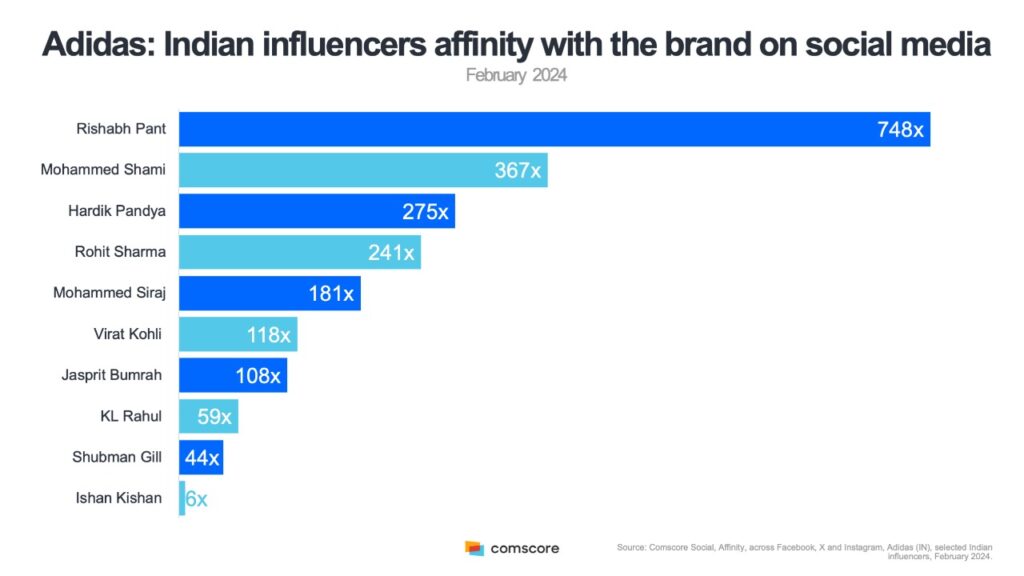
But the rise of influencers is not merely understood as a business phenomenon. It is also deeply human. People are exhausted by the constant barrage of negativity in news, growing polarisation, and the complexities of national crises. Influencers offer an escape—shorter, engaging content that explains emotional experience rather than cold information. This preference for storytelling blurs the line between entertainment and information, creating a generation that makes consequential civic decisions without realising it.
The Risks of Unrestricted Influence
However, this new ecosystem comes with its own dangers. Influencers are not bound by verification norms. They are not answerable to editors, codes of conduct, or watchdog bodies. A crisis can draw emotionally-geared content where influencers rapidly pick sides or mobilise the internet. The absence of accountability becomes particularly problematic when influencers discuss public policy or government decisions. A creator with a huge online sentiment for or against a policy can shape public debates in ways that small editorial teams fail to match.
As this space becomes more crowded, its fastest message becomes the strongest. Journalists, on the other hand, cannot move without ethical boundaries. They must verify before they publish. They must distinguish fact from opinion. They must anticipate legal consequences. Their work requires time, resources, and expertise—especially in a climate where threats to journalists have increased. India’s rank of 151 out of 180 in the 2025 World Press Freedom Index reflects the hostile environment in which many journalists operate. Reporting on corruption, crime, land issues, or malpractice invites intimidation, trolling, or violence. In small towns and rural regions, where journalistic institutions lack support, these risks escalate. When journalists work under fear, their capacity to shape public opinion diminishes.
Influencers Dominate Emotion; Journalists Defend Evidence
The battle between influencers and journalists is therefore not simply one of popularity. It is a battle between the emotional and the factual. Journalists dominate the factual space. Both shapes public opinion, but in very different ways. Influencers move sentiment; journalists move systems.
Influencers drive trends; journalists drive accountability. But in recent years, the balance has tilted so heavily toward influencers that the deeper role journalism plays in sustaining democracy is being overshadowed by the rise of viral content.
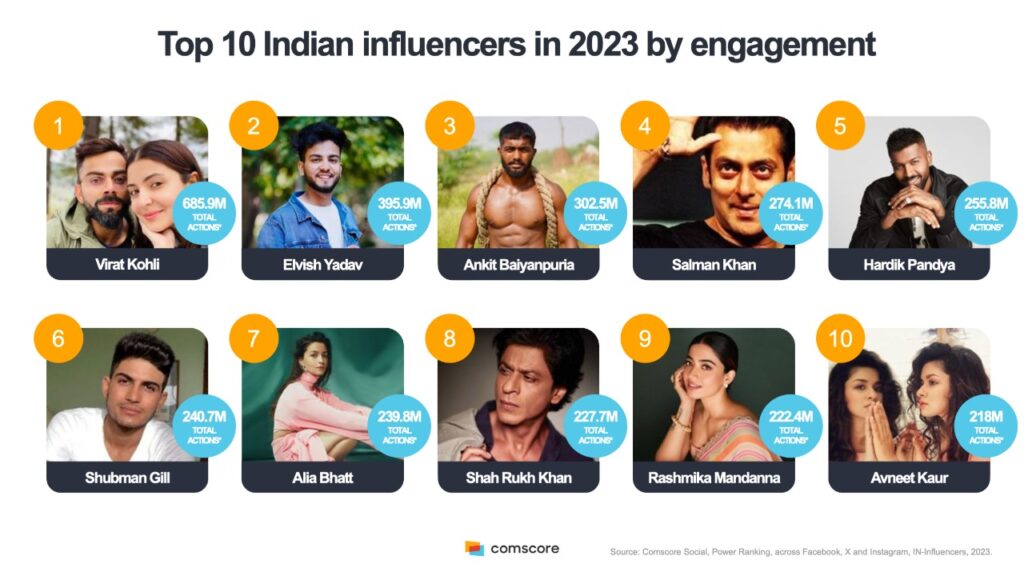
This trend has given rise to a new category of creators—infotainer-journalists. These are individuals who break down policies, budget analyses, comment on Supreme Court judgments, or interview political figures—without necessarily having journalistic training. Some do this responsibly, backed by research. Many do it carelessly, guided by algorithms rather than ethics. They fill a gap created by journalism’s slow adaptation to the digital age. But they also create new risks, as audiences often struggle to distinguish between factual analysis and oversimplified content shaped by personal bias.
Economically, influencers now have business models that newsrooms have struggled to match. They monetise every layer of interaction—ads, brand deals, product placement, courses, merchandise, affiliate marketing, paid communities, and platform payouts. Journalists, confined by ethical codes and organisational structures, cannot do the same. The disparity in revenue creates a disparity in power, and power inevitably shapes influence.
The Long Game vs The Short Game
Here the picture looks even bleaker for journalism. While influencers thrive in the short game, journalists continue to play the long game. Influencers can set trends, but journalists shape the public record. Influencers can viral a story; but journalists influence policy. A viral video may dominate a day’s conversation, but a well-reported investigation can trigger law-enforcement actions, expose corruption, or significantly impact elections. No influencer has yet held institutional power to reshape governance the way journalism—when done fearlessly—can.
The deeper problem lies in society’s growing difficulty in distinguishing between real information and viral content. News has become commentary, commentary has become activism, and activism has become entertainment. Many people consume current affairs through a mix of memes, reels, and influencer reactions, not real reporting. Their opinions are being shaped. The danger is not only misinformation; it is the creation of a public that feels informed but is not truly involved.
Reinventing Without Losing Integrity
The future of public opinion will depend on whether journalism can reinvent itself without losing its soul. Newsrooms must embrace digital storytelling without compromising truth. They must invest in investigative reporting rather than predictable studio debates. They must rebuild trust by being transparent, humble, and audience-facing. Journalists cannot survive in an elitist tone or inaccessible style. It must meet the public where they are, rather than expecting the public to return to old habits.
Influencers, too, must recognise the responsibility that comes with visibility. Influence is power, and power without accountability is dangerous. As they increasingly comment on governance, health, finance, and public policy, they must adopt basic ethical guidelines. They must remember that a careless opinion can mislead millions.
Ultimately, the responsibility does not lie only with journalists or influencers. It lies also with the audience. A society that does not value credible information inevitably becomes vulnerable to manipulation. Media literacy must become a civic priority; not a specialised skill. People must learn to question, verify, and interpret—not merely consume.
Who Shapes Public Opinion—And Who Should?
The honest answer is that both do, but in fundamentally different ways. Influencers control the speed of opinion, while journalists control the substance. Influencers shape emotion; journalists shape evidence. Influencers tell people what to feel; journalists tell them what to know.
The real question, therefore, is not who holds more power today, but who should hold it tomorrow. In a democracy, the answer must always lean toward truth, transparency, and public interest. The health of our collective future depends not on influencers dominating the cultural moment, but journalism remaining indispensable to the democratic structure.
Neither can replace the other—the challenge, perhaps the opportunity—is finding a balance where both coexist ethically and complement rather than corrupt one another. In the end, public opinion is too powerful a force to be left solely to algorithms or institutions. It must rest with an informed public, anchored by journalism’s integrity and engaged by the accessibility of digital creators. Only then can the truth survive the turbulence of viral trends, and only then can society remain both informed and free.