

Yoginis in Yankee Land: History and Travel Musings

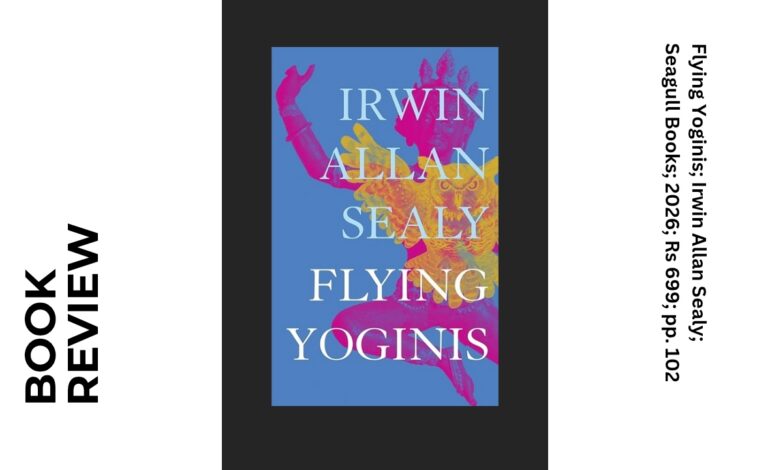
The name of Irwin Allan Sealy evokes an immediate resonance in the minds of bibliophiles across the world. Nominated for the Booker Prize for his 1998 novel ‘The Everest Hotel: A Calendar’, Sealy has produced a remarkable body of work that includes The Trotter-Nama: A Chronicle, From Yukon to Yukatan: A Western Journey, The Small Wild Goose Pagoda and Asoca: A Sutra, among others.
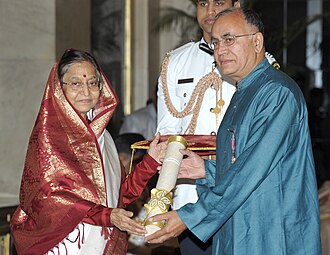
He has received the Commonwealth Writers’ Prize, the Sahitya Akademi Award and the Padma Shri. As a resident of my hometown, Dehradun, it has been my good fortune to know him over the years.
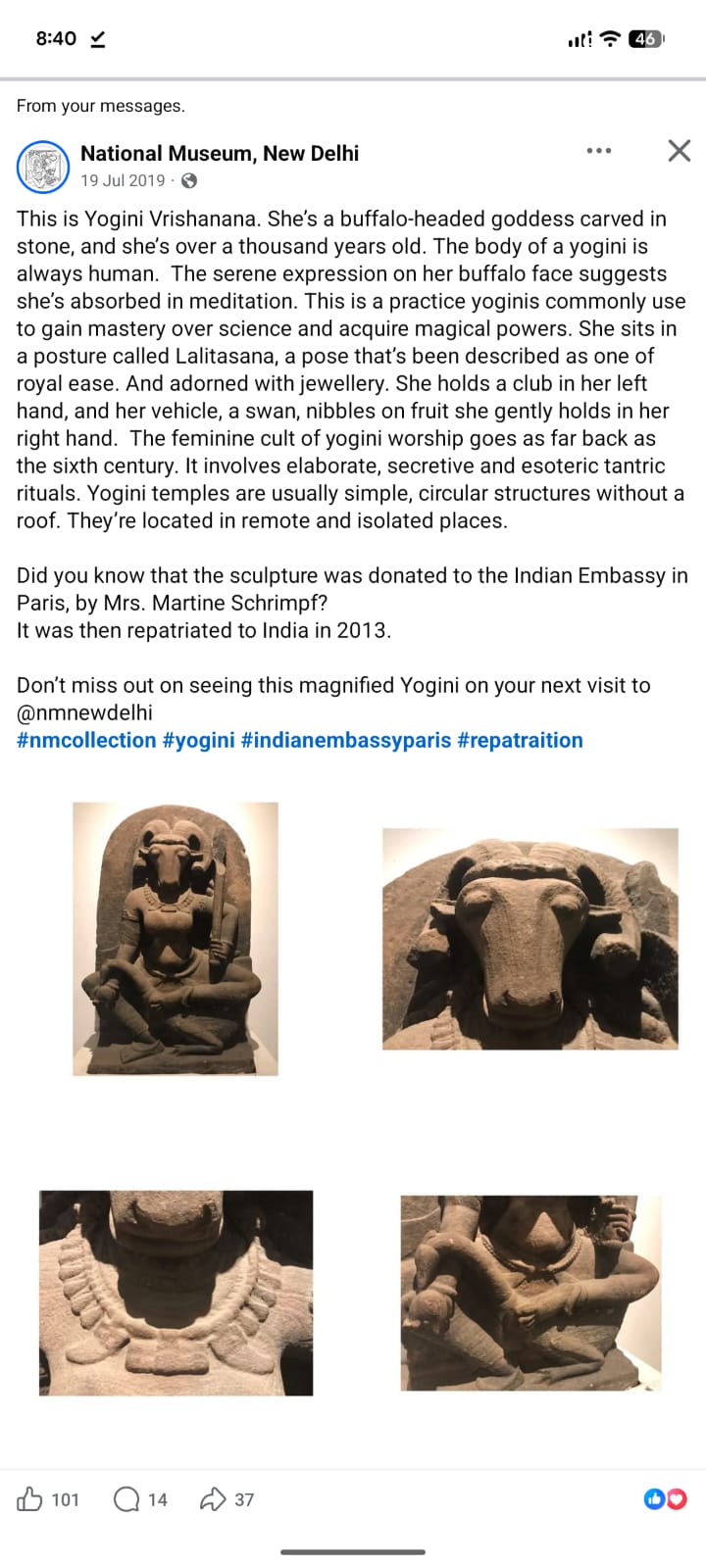
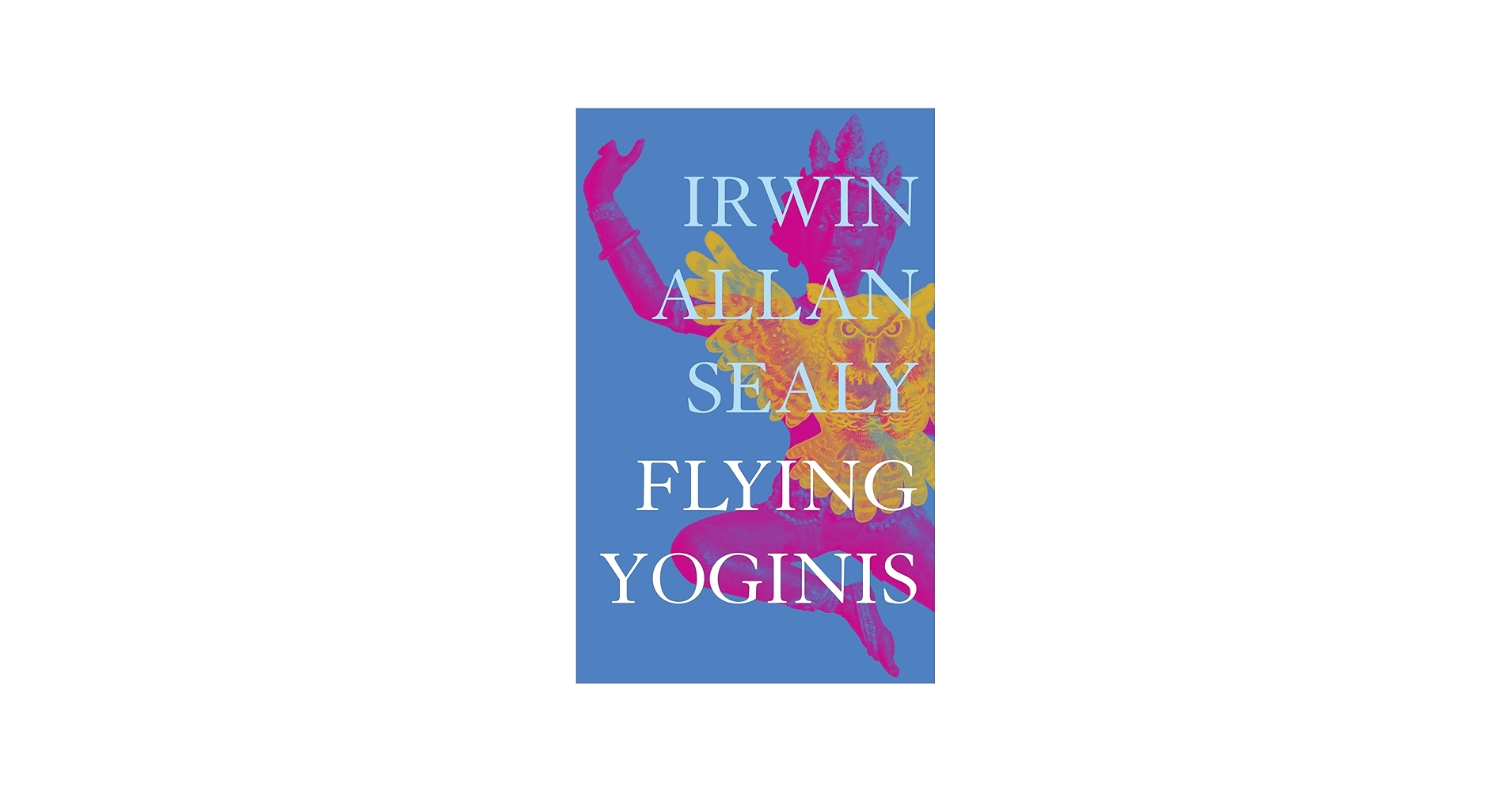
In his latest offering, Sealy brings his multifaceted literary abilities to bear on the subject of the Flying Yoginis — shape-shifting female adepts of yoga whose stone-carved images, sculpted nearly a thousand years ago in India, now sit displaced in American museums. Though slim in size, the book is rich in intensity. Part travel narrative and part philosophical meditation, it moves fluidly between Sealy’s journeys through America and his reflections on history, culture and memory.
Describing a Yogini as “a flame in the windless spot that does not flicker”, Sealy embarks on a deeply evocative exploration. As one reads the book, the boundaries between philosophy and reality, travelogue and cultural reflection, often blur. Yet it is precisely this juxtaposition that lifts the work onto a distinctive literary plane.
Sealy’s research on the Yoginis began with books by Vidya Dehejia and Padma Kaimal. These works, titled The Thief Who Stole My Heart and Scattered Goddesses respectively, were discovered in a library in Dehradun. Some of the books he consulted, he remarks humorously, were “thick enough to sprain his wrist”.
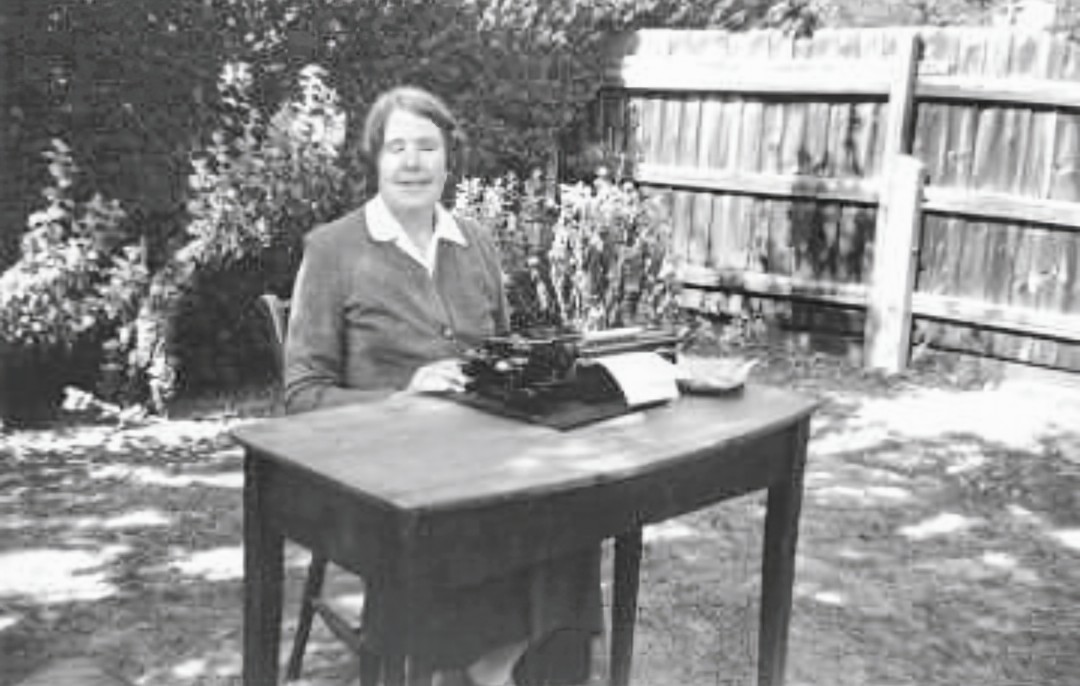
During his travels in America, Sealy recounts a flight from Minneapolis to Kansas City on which he and another passenger had the entire jet to themselves. He recalls his journeys through these regions in the 1970s — hitchhiking, sleeping under bridges and in bushes, and seeking shelter in Salvation Army night shelters. While in Kansas City, he reflects on Margaret Masterman, who founded a language research unit in a Cambridge shack and developed a machine thesaurus that would later influence the evolution of computing.
The familiar nightmare of travellers — missing a train — also overtakes Sealy, who finds himself sprinting the last hundred metres of a platform to catch a train to St. Louis.
Aboard the Amtrak train, operated by the federally supported corporation established by the US Congress in 1970, Sealy renders the journey with striking vividness.
During the trip, he encounters Melinda, an octogenarian African-American woman paralysed on her left side. As he assists his fellow traveller, an engaging conversation unfolds. His exchanges with people from varied backgrounds form one of the most compelling aspects of the book, offering readers not only glimpses into the cultures of the places he visits but also broader insights into human nature itself.
Sealy’s stay in Hermann is brief but memorable. Describing it as a “one-horse town”, he appears not to have sampled the wines for which the town is famous, though he may well have tasted its sausages, given Hermann’s reputation as the sausage-making capital of Missouri.
Throughout these journeys, Sealy repeatedly returns to memories of his own past — his younger days in the cow belt, in Agra and Prayagraj — as well as the music and cultural atmosphere of the Elvis Presley era.
In Montgomery, the traveller from Dehradun encounters the statue of Rosa Parks, who, on December 1, 1955, refused to surrender her front-row bus seat to a white passenger, despite segregation laws requiring her to do so. Her arrest sparked the historic Montgomery Bus Boycott under the leadership of Martin Luther King Jr.. In December 1956, the Supreme Court of the United States upheld the rights of Black passengers and declared bus segregation in Montgomery unconstitutional.
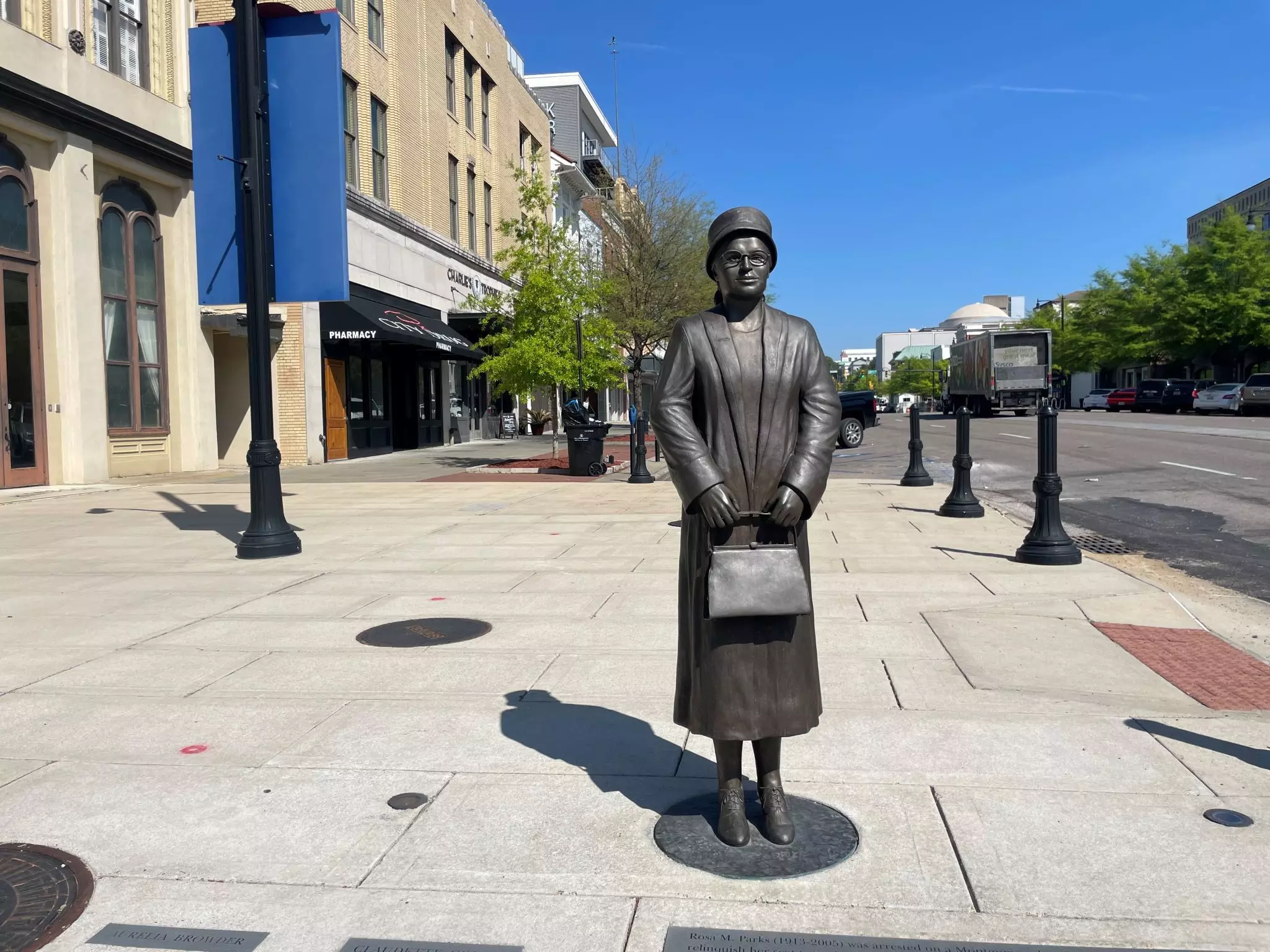
Sealy offers readers vivid glimpses of the Civil Rights Movement in Montgomery, tracing the passage of the Voting Rights Act of 1965, which prohibited racial discrimination in voting and marked a major victory for African Americans in the United States.
The final section of the book, titled ‘The Death of Siri: A Poem in Four Parts’, is especially poignant. In these verses, Sealy reflects on his life in Dehradun and recalls childhood summers spent sleeping under the open sky while accompanying his father, who served in the U.P. Police.
He writes of late-night walks through present-day Dehradun, of an ATM night watchman observing him in passing, and of the memory of his parents buried in the Dehradun cemetery, among other intimate reflections on the city he has long called home.
Sealy’s book is undeniably cerebral, yet deeply humane, and it is certain to appeal to serious lovers of literature across the board.








“Yoginis in Yankee Land” beautifully blends travel writing with cultural memory, showing how ancient Indian spiritual traditions continue to echo even in distant modern landscapes. The article’s reflection on the Yoginis as symbols of feminine energy, mystery, and historical continuity makes the journey feel both personal and philosophical. A thoughtful piece that connects history, identity, and travel in a very engaging way
A beautiful review. Arvinder’s friendship and affection for Mr Sealy has resulted in almost lyrical review. Made me want to read the full book