
Zohran Mamdani and the New Age of Manufactured Hate

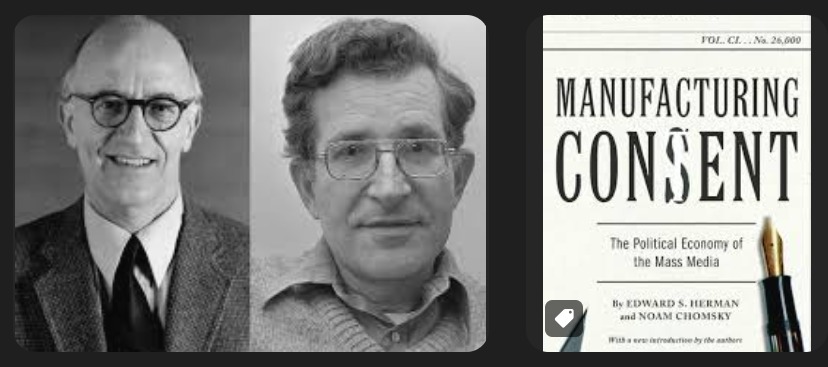
In every era, those who challenge the prevailing consensus of power invite a peculiar kind of hostility — not merely political opposition, but systematic discrediting. In the late 1980s, Noam Chomsky and Edward S. Herman called this phenomenon “manufacturing consent” — the process by which media systems in democracies engineer public agreement for elite interests, not through censorship, but through repetition, framing, and selective omission.
Nearly four decades later, Chomsky’s framework feels uncannily prophetic — though the machinery has evolved beyond what even he might have imagined. Consent today is no longer merely manufactured; it is mass-produced, algorithmically optimised, and globally networked. And those who resist it, as Zohran Mamdani is discovering in New York, do so at considerable personal and political cost.
The Target of a Digital Pogrom
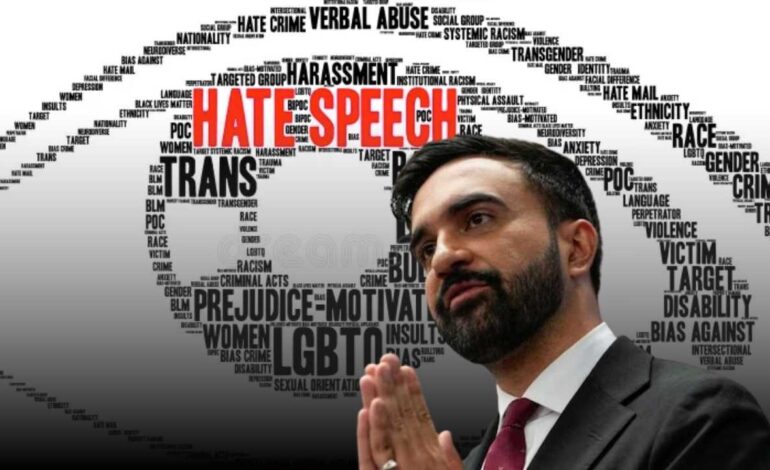
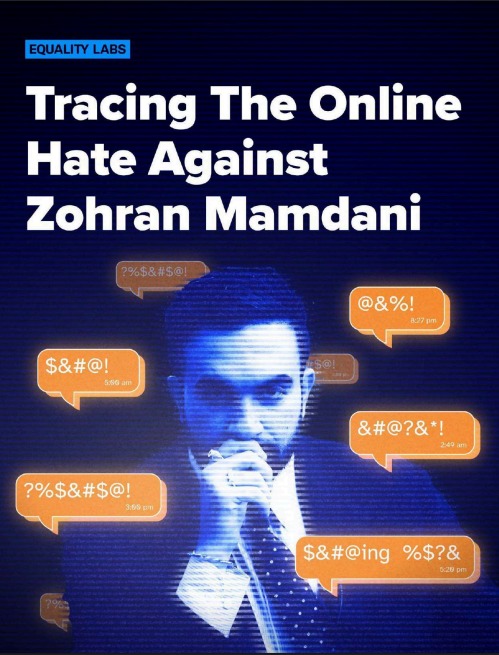
When the U.S.-based non-profit Equality Labs released its 89-page report, “Tracing The Online Hate Against Zohran Mamdani”, on November 4, 2025, the findings shocked even seasoned observers of digital propaganda. In the course of a single year, 17.1 million social media posts referenced Mamdani. Of these, 1.15 million were overtly Islamophobic, with a staggering 150 billion impressions. Another 1.43 million branded him a “communist,” collectively reaching 330 billion.
The report’s manual analysis of 500 posts across twelve platforms — from Instagram to Reddit and Bluesky — exposed a finely tuned taxonomy of hate:
- 80.8% were Islamophobic.
- 7.2% labelled him a terrorist.
- 5.4% demanded his deportation or loss of citizenship.
- 9% portrayed him as anti-Hindu.
- 25.3% accused him of being pro-Hamas or anti-Jewish.
For a candidate whose campaign focuses on rent freezes, free public transport, expanded childcare, and higher corporate taxation, the scale and precision of this digital assault are remarkable. It suggests not spontaneous outrage, but orchestration — the modern manifestation of what Chomsky described as “the systematic propagation of necessary illusions.”
The Architecture of Consent
Chomsky’s insight was simple yet devastating: in liberal democracies, power rarely silences; it filters.
News and information pass through ownership, advertising, sourcing, flak, and ideological filters — all calibrated to protect the interests of dominant classes.
In the digital era, these filters have mutated into algorithms. They reward polarisation, amplify bias, and monetise outrage. In that sense, Mamdani’s vilification is not an aberration but a case study in how these systems now operate. His name, background, and politics — the son of Ugandan-born scholar Mahmood Mamdani and filmmaker Mira Nair — provide the perfect material for algorithmic amplification: a Muslim socialist who questions capitalism, Zionism, and the Hindu right.
His criticism of Narendra Modi and Benjamin Netanyahu — specifically over the 2002 Gujarat riots and the Ayodhya temple campaign — was swiftly rebranded as “Hindu hatred” and “anti-India sentiment.”
A New Jersey-based group, Indian Americans for Cuomo, went so far as to fly a banner across the Manhattan skyline:
“Save NYC from Global Intifada. Reject Mamdani.”
This is the new propaganda economy — less about persuasion, more about contagion. It doesn’t seek to convince; it seeks to exhaust, overwhelm, and stigmatise.
The Transnational Right-Wing Nexus
Equality Labs traced participation in this ecosystem to 45 Republican officials across 18 U.S. states and 26 international politicians from 14 countries, including India, Israel, and the U.K. The symmetry of their messaging reveals an unmistakable ideological alignment — a digital solidarity of right-wing movements that transcend geography but share a common vocabulary: terrorist, communist, outsider.
In India, several television anchors and their social media allies joined the chorus with enthusiasm. The script was predictable: Mamdani as anti-Hindu, anti-Israel, anti-national. It was, in effect, a mirror of domestic propaganda logic projected onto a foreign election — a gesture both absurd and instructive.
What emerges is a transnational echo chamber where reactionary politics circulates freely, while dissenting ideas are quarantined through digital stigma. The “manufacture of consent” has become a global franchise, subcontracted to influencers, bots, and ideological entrepreneurs.
The Politics of Fear and the Currency of Outrage
Former U.S. President Donald Trump, never one to resist the politics of demonisation, declared in July:
“We have to arrest him… We don’t want communists in our country.”
It was a line perfectly tailored for amplification — easy to clip, share, and meme.
The point was not policy but performance.
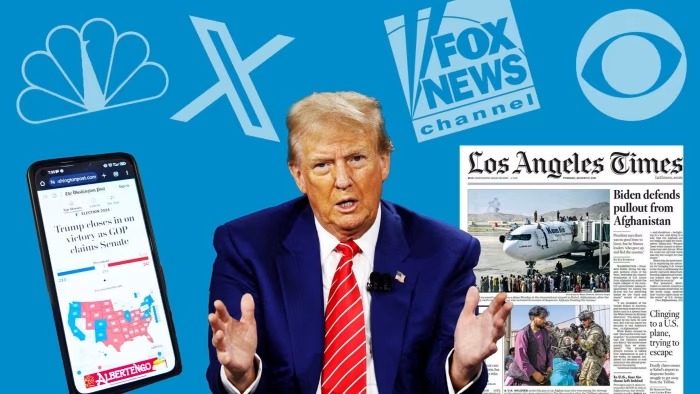
As Chomsky would argue, “The primary function of the media is to mobilise support for the special interests that dominate the state and private activity.”
In Mamdani’s case, the special interest is the protection of a political and corporate order threatened by the language of redistribution, dignity, and inclusion.
Democracy in the Age of Digital Capital
Equality Labs’ founder, Thenmozhi Soundararajan, summarised the stakes succinctly:
“This digital hate has evolved into a sophisticated ecosystem that targets candidates of colour and those aligned with workers’ rights. Understanding these attacks is vital to defending democracy.”
Her warning is not hyperbole.
When democracy itself becomes an algorithmic marketplace — where attention is currency and hatred the most profitable commodity — elections risk turning into theatre without substance.
Mamdani’s ordeal is not merely about one candidate or one community. It is about whether democracies can still distinguish between dissent and disinformation, between critique and subversion.
The Futility of Resisting Change
Back in India, the frenzy of television studios and social media warriors determined to “stop” Mamdani from becoming New York’s mayor would be comic if it weren’t so revealing. Their anxiety exposed a shared fragility — the fear that the ideals they caricature abroad might yet inspire scrutiny at home.
But the irony is timeless.
Change, as philosophers remind us, is nature’s law. Those who seek to obstruct it can only delay, not defeat it.
In that sense, Zohran Mamdani’s greatest triumph may not be in just winning an election, but in exposing the invisible architecture of consent — and the hate it quietly manufactures.