The Double Burn: How El Niño Summers Are Driving a Silent Health Crisis Among Working Men

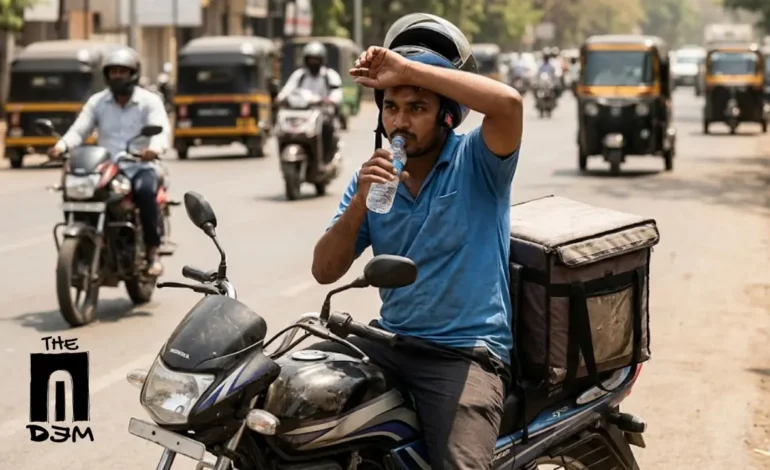
By evening, Amit begins noticing the burning sensation again.
The 27-year-old delivery rider has already spent nearly ten hours on Pune’s roads. As temperatures cross 41°C, he experiences constant headaches, dizziness and recurring discomfort while urinating after working through peak afternoon heat. “In summer, the heat comes from all sides — the sun, the road, and traffic,” he says. “If we slow down, we lose orders.”
Amit says he avoids drinking too much water during work hours because finding toilets while moving continuously across the city is difficult. Frequent stops affect delivery time, incentives, and the number of orders completed in a shift.
This year, Pune recorded temperatures crossing 41–43°C by April, according to India Meteorological Department data. Heatwave conditions arrived earlier than usual across parts of Maharashtra, while even nights remained unusually warm, which reduced recovery from prolonged daytime exposure. Climate scientists warn that El Niño-linked heat, combined with urban heat island effects and climate change, is increasing both the intensity and duration of dangerous summer exposure across Indian cities.
The 2025 Lancet Countdown India report found that people in India experienced nearly 20 heatwave days on average in 2024, with around 6.6 of those days directly linked to climate change.

Heat researcher Apekshita Varshney says the crisis is no longer limited to heatstroke deaths alone. “Heat is doing to workers what air pollution has been doing for years — it’s a slow, silent assault on the body that we keep treating as background noise rather than a crisis demanding urgent action,” she says.
Working Through Heat
At around 2 pm in Mukundnagar, Ranjan is digging through hardened ground to locate an underground electricity fault. Vehicles pass continuously beside him while heat rises from the road surface through the afternoon.
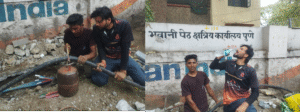
“Our work is with MSEB. During summer, electricity consumption increases as people use more fans and ACs. Faults become frequent and we get calls at any time. During repair work, we often use gas torches and cylinders while working directly under the sun.”
Electricity repair workers continue until power is restored across entire neighbourhoods. Sometimes the repair work takes two hours, and sometimes an entire afternoon. “It feels like working inside a heat chamber with no escape,” he says. Summer increases workload at the same time that physical strain becomes harder to manage.
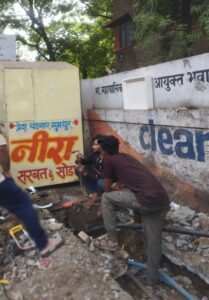
Ranjan says many workers return home with body pain, exhaustion and a burning sensation while urinating, sometimes even noticing traces of blood. He has not sought medical help yet because taking leave mid-work is rarely possible.
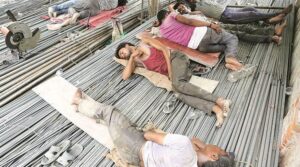
“Delivery riders, sanitation workers, construction labourers and field technicians spend entire shifts outdoors with limited access to drinking water, toilets or shaded rest areas.”
Yet most outdoor workers still continue without formal heat protection.
The Limits of Heat Action Plans
India has introduced heat action plans in several cities, including Ahmedabad and parts of Maharashtra, but informal and gig workers continue slipping through weak implementation on the ground.
India’s growing heat vulnerability is closely tied to the nature of its workforce. A McKinsey Global Institute report estimates that nearly 75 per cent of India’s labour force, around 380 million people, is engaged in physically intensive work, much of it outdoors or in heat-exposed environments. The report warns that by 2030, rising heat exposure could reduce daylight working hours to the extent that between 2.5 and 4.5 per cent of India’s GDP could be at risk annually.
The 2025 Lancet Countdown India report also estimated that heat exposure in 2024 resulted in the loss of nearly 247 billion potential labour hours in India.
Mr Nitin Kenjale, Chief Officer of the Labour Welfare Department at Pune Municipal Corporation, said the department began circulating heat-related advisories after heatwave conditions appeared unusually early in March this year.
“We informed workers and contractors that this summer was expected to be particularly harsh,” he said. Employers were advised to minimise outdoor exposure during peak afternoon hours between 12 pm and 4 pm and plan work schedules according to temperature forecasts.
Kenjale said PMC workers engaged in waste management, gardening and infrastructure-related work are provided access to drinking water and sanitation facilities through regional ward offices. Workers facing health complications during duty are also eligible for treatment at nearby government hospitals under the municipal medical assistance scheme.
“The department has also organised awareness sessions and health check-up camps on heat stress and dehydration, though participation has remained limited.”
He added that while PMC has issued advisories and guidelines, implementation on the ground still depends largely on regional ward offices and contractors responsible for ensuring facilities and safety measures reach workers during extreme heat.
Heat researcher Apekshita Varshney says many heat action plans continue functioning largely as advisory documents without dedicated budgets or clear departmental responsibility. “Protecting workers from heat requires coordination between labour departments, public health systems, urban planning and local governance bodies,” she says.
A Pattern Emerging in Clinics
Heat researchers and physicians say prolonged exposure among outdoor workers is increasingly linked to dehydration, urinary infections, muscle cramps, kidney complications and cardiovascular stress, particularly among workers spending long hours outdoors or inside poorly ventilated workspaces.
Among the illnesses doctors are observing, urinary tract infections are emerging rapidly among men during the summer months. “UTIs are commonly associated with women, but over the past few years, we have been seeing a noticeable rise in such infections among men during summer,” says Dr Amarja Patil from Madhavbaug Hospital.
Doctors identify dehydration as one of the major contributing factors. Doctors cautioned that dehydration alone does not directly cause all urinary infections. Still, prolonged low fluid intake and concentrated urine can significantly increase the risk among workers exposed to heat for long hours.
“Men often come in late,” says Dr Amarja. “By then, symptoms have already worsened.”
Kidney stones follow a similar pattern. “Prolonged heat exposure increases the risk significantly,” says Dr Akshay Deshpande, urologist at Sassoon General Hospital. Reduced fluid levels allow minerals to crystallise inside the urinary tract, often remaining unnoticed until severe pain begins. “Summers are seasonal, but stones stay for much longer,” he adds.
In more serious cases, dehydration starts affecting kidney function itself. Dr Radheya Khalate, consultant physician at Khalate Multispeciality Hospital in Baramati, recalls a 40-year-old field worker employed with the Maharashtra State Electricity Distribution Company Limited.
“He initially experienced dizziness and stomach pain but ignored it,” says Dr Khalate. “By the time he came for treatment, the condition had progressed to acute kidney injury.”
Doctors say prolonged dehydration can place additional strain, especially among individuals already living with diabetes, hypertension or heart conditions.
Masculinity and Delayed Care
Several workers said clinic visits usually happen only after symptoms begin affecting movement, sleep or the ability to continue shifts.
Many male workers grow up associating endurance with responsibility, especially in physically demanding occupations where income depends on daily output. Men are often expected to continue working regardless of physical strain, while admitting weakness or asking for rest is viewed as an inability to handle pressure.
Symptoms such as dizziness during work, weakness while carrying heavy loads or continuous exhaustion are often dismissed as “normal” effects of labour.
Workers said men who openly speak about exhaustion or sensitive health issues, such as a burning sensation while urinating, are often taken lightly by fellow workers instead of being encouraged to seek treatment.
Apekshita Varshney, who researches climate and gender, says extreme heat is beginning to reshape not only physical health but also emotional and social behaviour among working men.
“Men are often expected to continue earning regardless of physical strain,” she says. “Many already work under financial stress, sleep deprivation and extreme weather exposure. Heat intensifies exhaustion and pressure while conversations around vulnerability remain limited.”
Heat Without Protection
Despite rising temperatures, workers say basic protections remain inadequate.
Many outdoor workers depend on petrol pumps, roadside shops and public facilities for drinking water and toilets during long shifts. In several occupations, especially gig work and emergency repair services, workers avoid taking breaks because it directly affects performance, incentives and daily wages.
Maharashtra has issued heat-related advisories in recent years, but labour experts say implementation remains weak at the ground level, particularly for informal workers and gig labourers who spend prolonged hours outdoors.
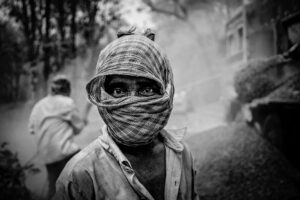
Varshney points out that countries such as Spain and France have introduced legally enforceable heat thresholds that can trigger mandatory work stoppages, while India still lacks enforceable occupational heat protections for many outdoor workers.
She says the absence of worker-focused heat infrastructure reflects a broader policy gap in rapidly urbanising Indian cities, where climate adaptation discussions often focus on public advisories while workers continue to spend entire shifts outdoors.
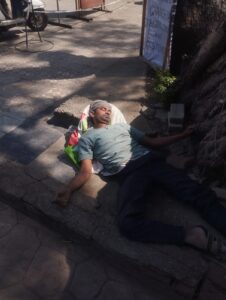
As Indian cities prepare for hotter and longer summers, millions of outdoor workers remain exposed to rising temperatures with little legal protection, limited healthcare access and few places to escape the heat.
By evening, Amit returns home exhausted after spending nearly ten hours outdoors. The next morning, he will repeat the same route through the city.
“We can feel summers getting worse every year,” he says. “But work cannot stop because of heat.”