


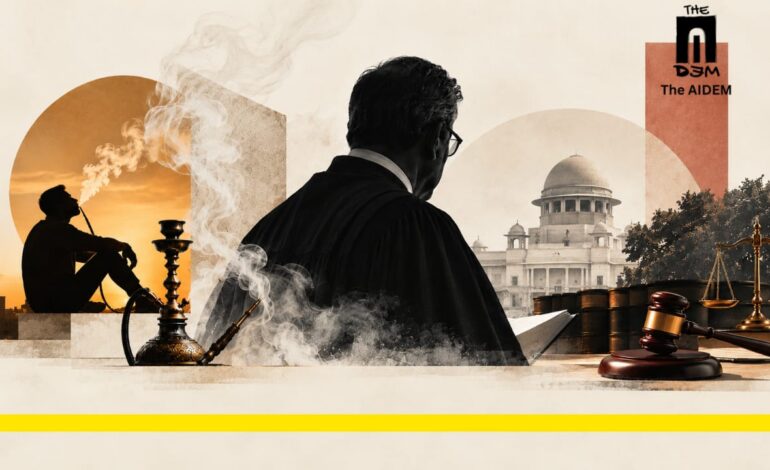
Not all judgments conclude with the resolution of a dispute. Some travel beyond the pages of law reports, raising broader questions about public welfare, human conduct and collective responsibility. A recent judgment on hookah bars does precisely this, moving from statutory interpretation to public health and, unusually, to the personal experience of the judge himself.
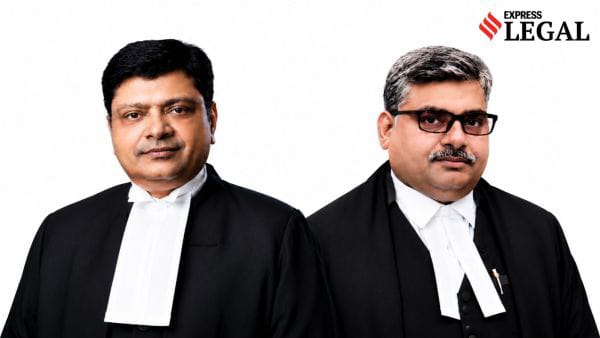
The recent decision in Writ-C No. 10713 of 2023, authored by Justice Shekhar B. Saraf and concurred with by Justice Abdhesh Kumar Chaudhary, concerns the legality of hookah bars under the Cigarettes and Other Tobacco Products Act, 2003 (COTPA). But the judgment does not stop with determining what the law permits. It ventures into questions of public health, constitutional responsibility and individual choice.
The Court held that following the 2017 amendment to Rule 4(3) of the Prohibition of Smoking in Public Places Rules, no service whatsoever can be permitted inside a Designated Smoking Area. The preparation and facilitation of hookah consumption, it held, constitute a “service”. Consequently, the operation of hookah bars within restaurants and similar establishments was found to be contrary to the statutory framework and the public-health objectives underlying COTPA.
The judgment traces the history of hookah, discusses India’s constitutional obligations under Article 47, examines the rights of non-smokers under Article 21 and places public health within the larger framework of constitutional governance. The Court observes that the right of non-smokers to breathe clean air must prevail over the commercial interests asserted under Article 19(1)(g).
Central to the reasoning is the Court’s interpretation of the philosophy underlying COTPA. The judgment emphasises that the legislation is not merely commercial regulation; its larger objectives include protecting non-smokers, discouraging addiction among young people and advancing public health. In that context, the Court argues that “regulation” can legitimately encompass “prohibition” where larger societal interests require it. But it is after the legal arguments have essentially been concluded that the judgment takes an unexpected turn.
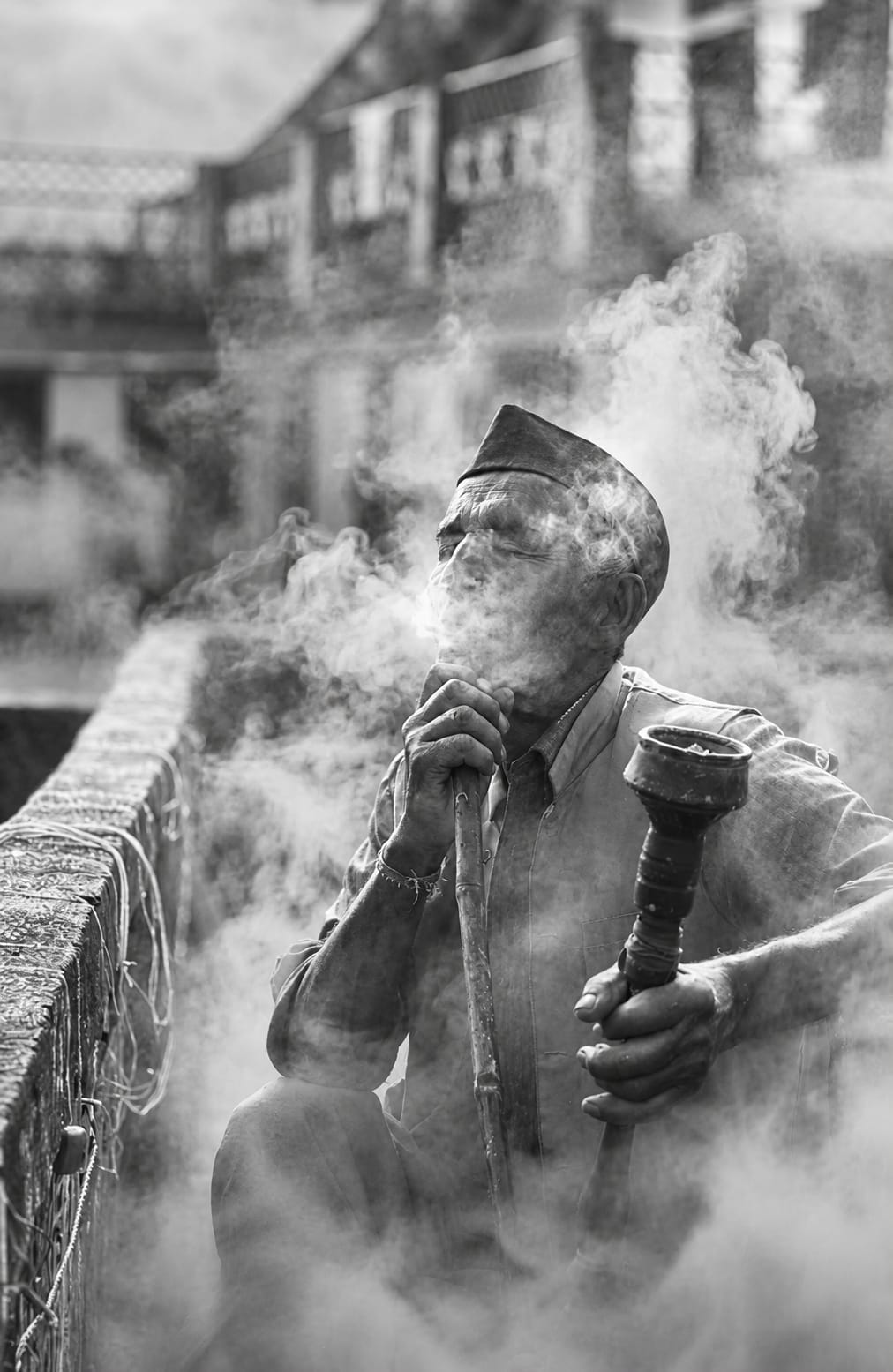
In an epilogue, Justice Saraf moves away from statutes, rules and constitutional provisions and addresses young Indians, particularly those standing at the threshold of adulthood. He does so not simply as a judge explaining the consequences of smoking, but as someone drawing upon his own experience as a smoker. The judgment records the observation that a hookah session lasting an hour may involve around 200 puffs and discusses the potentially serious health consequences of hookah consumption, challenging the widespread perception that it is somehow safer than conventional smoking. Then comes something even more unusual in a judicial pronouncement: verse.
Justice Saraf writes:
“The first cigarette feels like harmless time,
It isn’t. Trust the cough, not what I said
At twenty, full of swagger, sure and free.
Don’t be the fool who scoffed, only to become a boiling frog.”
Elsewhere, he writes:
“I took it like a soldier joins a storm,
Bravely, stupidly, and one by one.”
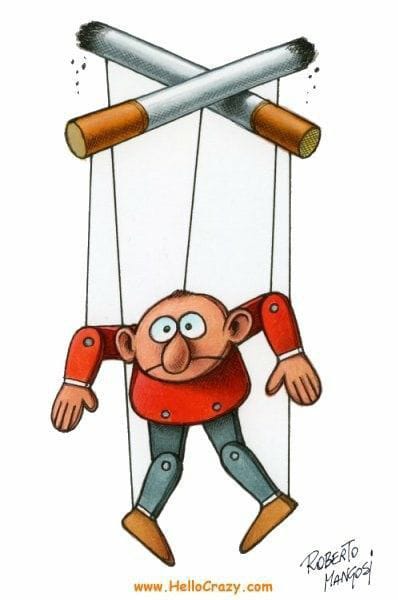
What gives these lines their force is less their literary quality than their context. A judge who has just completed an exercise in statutory and constitutional interpretation suddenly speaks from personal experience. The institutional voice of the Court momentarily gives way to the individual voice of someone looking back at his own choices.
There is self-deprecation here, but also an attempt to communicate with a generation that may not necessarily respond to the language of statutes or judicial injunctions. The judge’s argument against smoking is therefore made twice: first through law and public-health reasoning, and then through memory. That transition is perhaps the most interesting aspect of the judgment.
For members of the Bar, particularly young advocates, it also raises a larger question about judicial writing itself. Law is necessarily built around statutes, precedents and principles, but its consequences are ultimately experienced by people. This judgment attempts to bring scholarship, public-health concerns and lived experience into the same judicial narrative. A lawyer’s engagement with the law, viewed from this perspective, cannot remain confined to intellectual rigour alone. Social awareness, an understanding of human consequences and empathy can also inform the manner in which legal questions are approached and communicated.
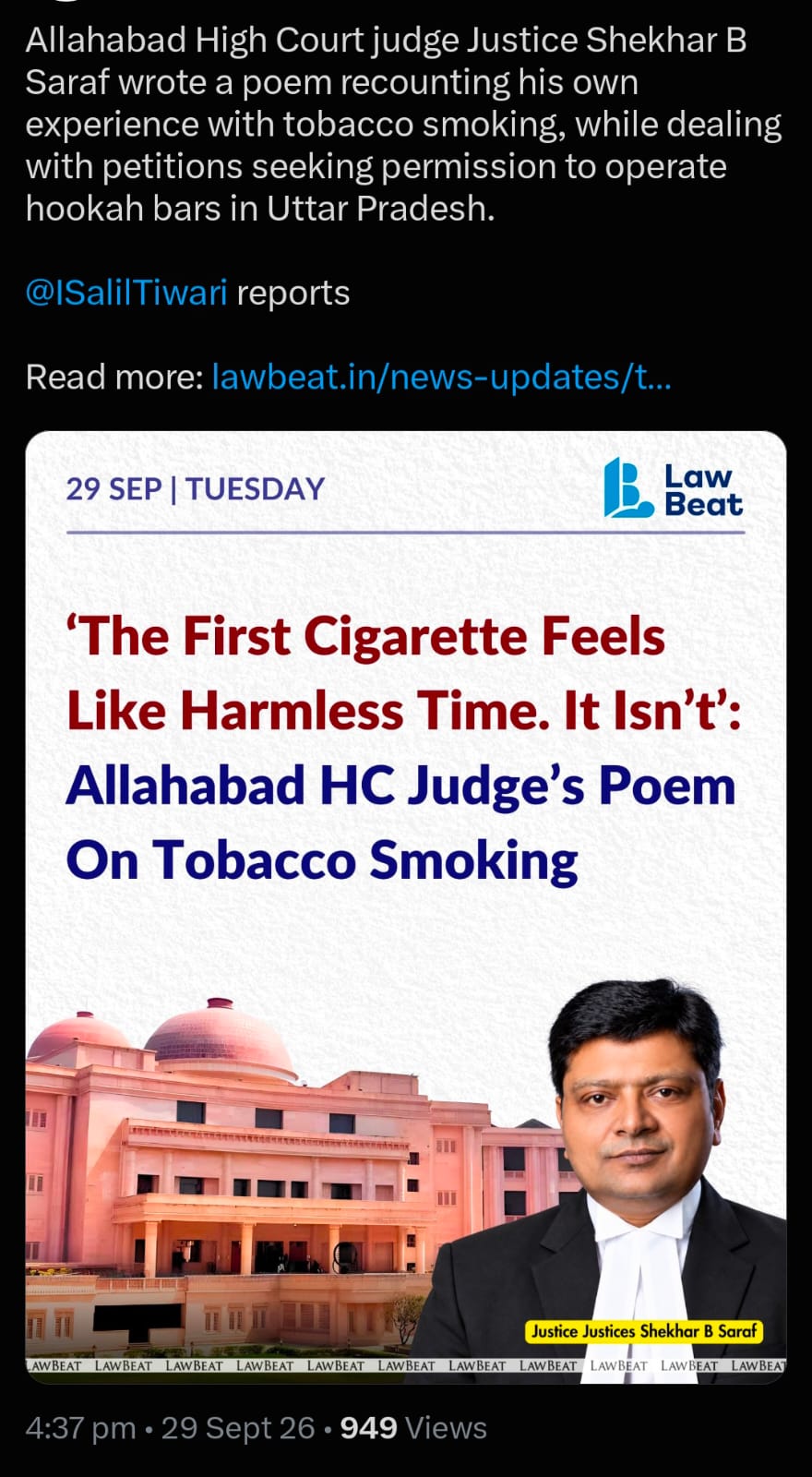
The judgment brings together constitutional principles, public-health concerns, legislative interpretation and personal introspection. Whether personal reflections and poetry should occupy such space in judicial writing may itself invite discussion. But their presence here makes the judgment unusual: having determined what the law says about hookah bars, the judge chooses to explain why the issue matters to him as an individual. That distinction is important because courts primarily exist to adjudicate disputes and interpret the law. Yet some judgments acquire a life outside the immediate dispute because they speak to social questions underlying the litigation.
In this case, the movement from COTPA and Designated Smoking Areas to addiction, youth and personal regret transforms what could have remained a relatively narrow regulatory judgment into a wider reflection on choices and consequences. For younger members of the Bar—and perhaps for younger readers more generally—the message emerging from the epilogue is simple without needing to be sanctimonious: habits shape lives, choices carry consequences, and experience sometimes teaches lessons that statutes alone cannot communicate.
The significance of Justice Saraf’s epilogue may ultimately lie there. The law has already delivered its judgment; what follows is a judge speaking not with the authority of the statute, but with the vulnerability of experience.
Read the full judgment here: WRIC_10713_2023-6





A powerful reminder that justice is not merely about interpreting the law—it is about understanding the human reality behind it. When a judge looks beyond legal technicalities and listens to lived experience, the Constitution comes alive in its truest spirit. This is where law finds its moral strength: not in cold verdicts, but in empathy, dignity and fairness. A deeply insightful piece on what it truly means to deliver justice.