

Our Coast Is Not a Land Bank

Why Kerala’s 2026 Maritime Board Amendment Bill needs to be suspended and rethought?
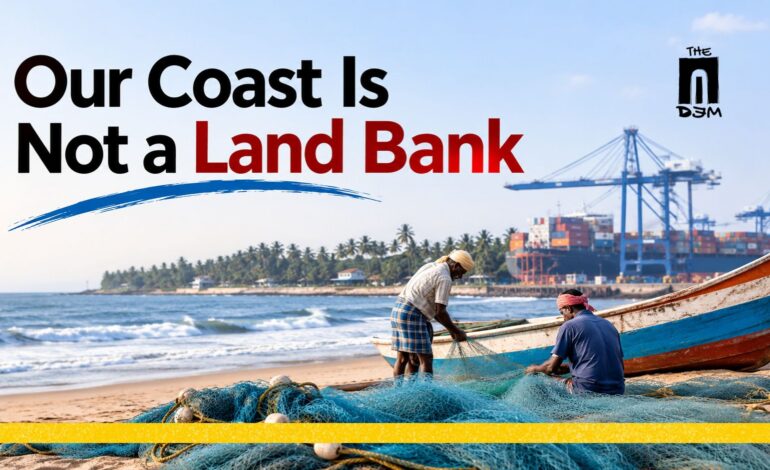
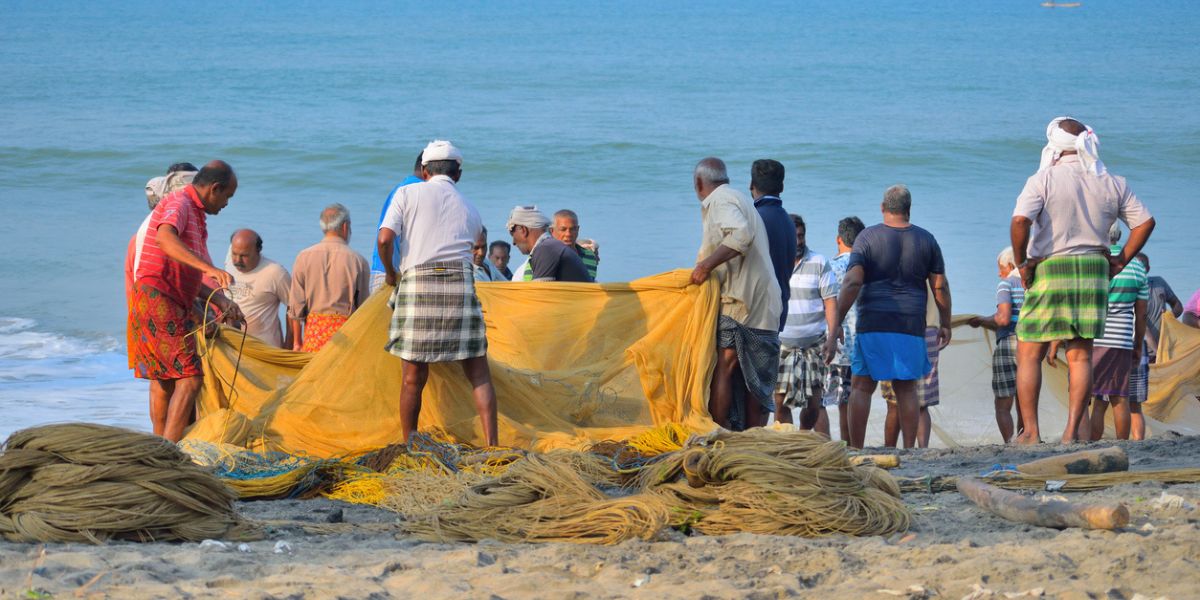
Every morning along Kerala’s 590-kilometre coast, canoes are hauled up onto the beach, nets are spread out to dry, and fish is sold on sand for which nobody holds a title deed. This shared, unwritten use of the shore is what the Kerala Maritime Board (Amendment) Bill, 2026, now puts at risk.
From Regulator to Land Dealer
The Kerala Maritime Board Act of 2017 created a Board to manage the state’s 17 non-major ports. In July 2026, the government dissolved that Board, citing audit objections from the Comptroller and Auditor General (CAG) about unspent funds and missing annual reports. The Amendment Bill that followed makes the Chief Minister the Board’s chairperson, with the Ports Minister as vice-chairperson. It creates a State Maritime Land Bank under a new Section 22A, sets up Port Area Development Authorities, gives the Board its own Enforcement Wing with policing powers, and allows it to buy and sell shares in companies. Leases for large coastal projects can run for many years.
The government says this will cut delays and release land for industry. The reality may be that the Bill turns a body meant to regulate ports into one that gathers, packages and leases out coastal land.
The Land Bank and the Coastal Commons
The Land Bank can take over land held by other government departments and pool it for port-linked projects such as logistics parks, container freight stations and warehouses, even at locations well away from the port itself. Much of the land that fishing communities actually use, including mudflats, boat-landing places and net-drying areas, is classified in the revenue records as puramboke, or unused government land, simply because no individual holds title to it. Under Section 22A, such land can be swept into the Bank and leased to private developers.
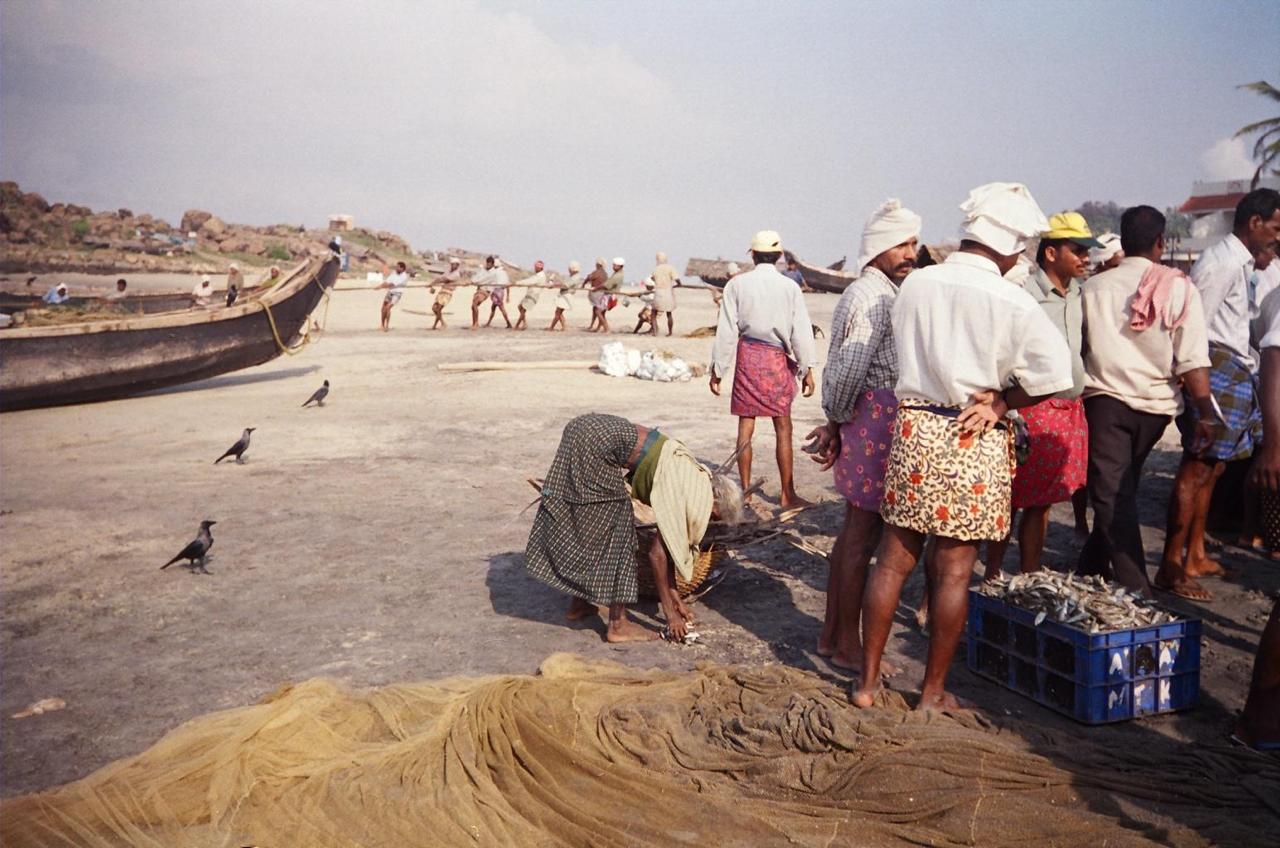
For a fisher family, this is no technicality. A canoe cannot be landed on a fenced marina. Once a stretch of beach is leased for a terminal or a resort, people who have used it for generations can be treated as trespassers. The commons also contain community shrines, ancestral burial grounds and the meeting places of the traditional councils known as Kadakkodi, or sea courts. None of these has a title deed, so none is protected. And the beach is the only open public space for crowded fishing hamlets, where children play and festivals are held. Investors will want secure and exclusive access, which means guarded private enclaves and fishing families pushed into cramped spaces inland.
Who decides? Panchayats and the Public Trust?
The 73rd Constitutional Amendment, through Article 243G, gives local governments a role in planning and local development. Section 22A bypasses coastal panchayats and Grama Sabhas on land transfers, taking away their say over projects in their own villages. With the Chief Minister heading the Board, and the principal secretaries of ports, fisheries, industries, finance, revenue and coastal security sitting together to grant clearances, decisions will be quick, but there will be little room for a fishing cooperative to object. Under the 2017 Act, proposals travelled through separate departments, and that slowness was also a form of scrutiny and oversight. Now communities are left with the High Court, which is slow and expensive.
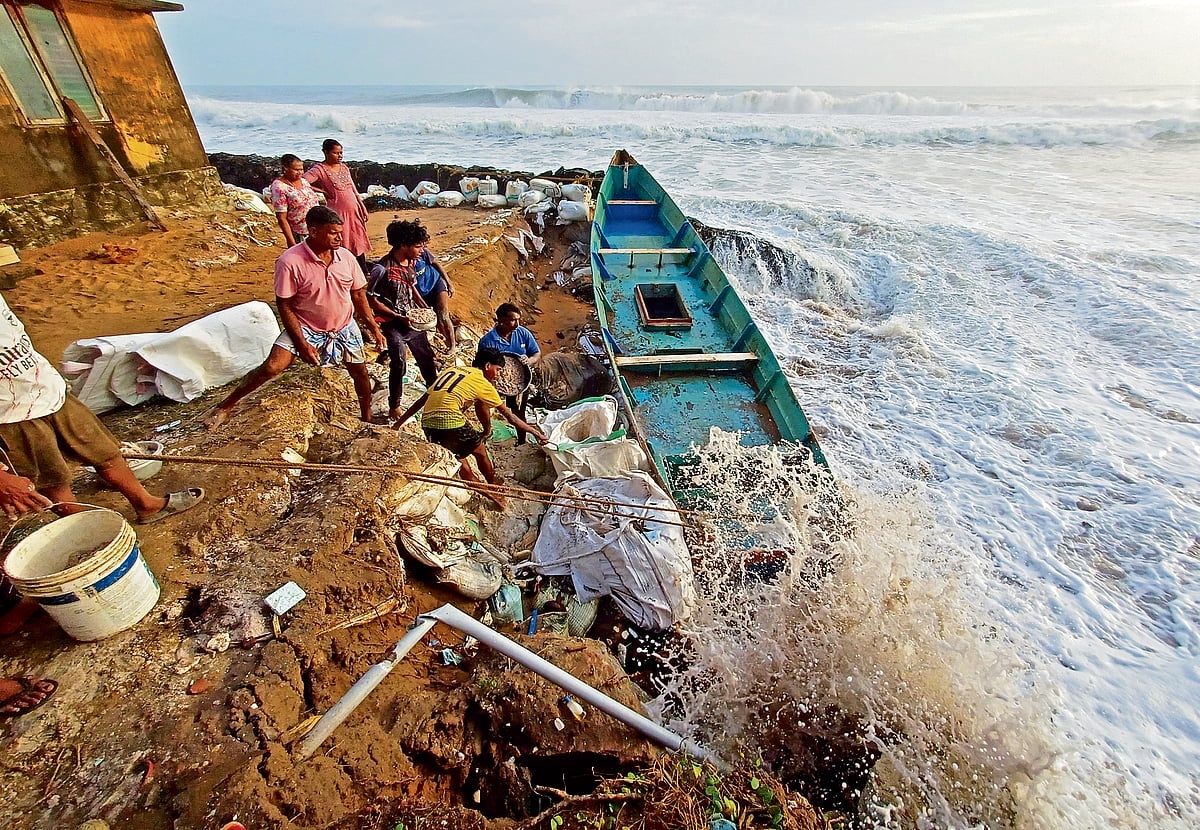
There is also a deeper legal principle. In M.C. Mehta v. Kamal Nath and other cases, the Supreme Court has held that the state is a trustee of natural resources such as the shore, holding them for the public and, in particular, for traditional fishers. A trustee cannot lease away what it holds in trust. The Bill instead asserts a broad power to claim and use land for the loosely defined purpose of “maritime development”.
A Borrowed Blueprint
The government’s maritime policy, Mission Samudra, is often justified by pointing to Singapore or Seattle. The comparison does not hold. Those ports sit in naturally sheltered bays, inlets and straits. The Kerala coast faces the open Arabian Sea, with strong waves, monsoon surges and sand that is constantly moving along the shore. Heavy port structures here need long breakwaters and constant dredging, and these disrupt the natural movement of sand. The erosion around Vizhinjam shows what can follow: neighbouring fishing villages lose their beaches. A design made for calm water cannot simply be transplanted to a high-energy coast.
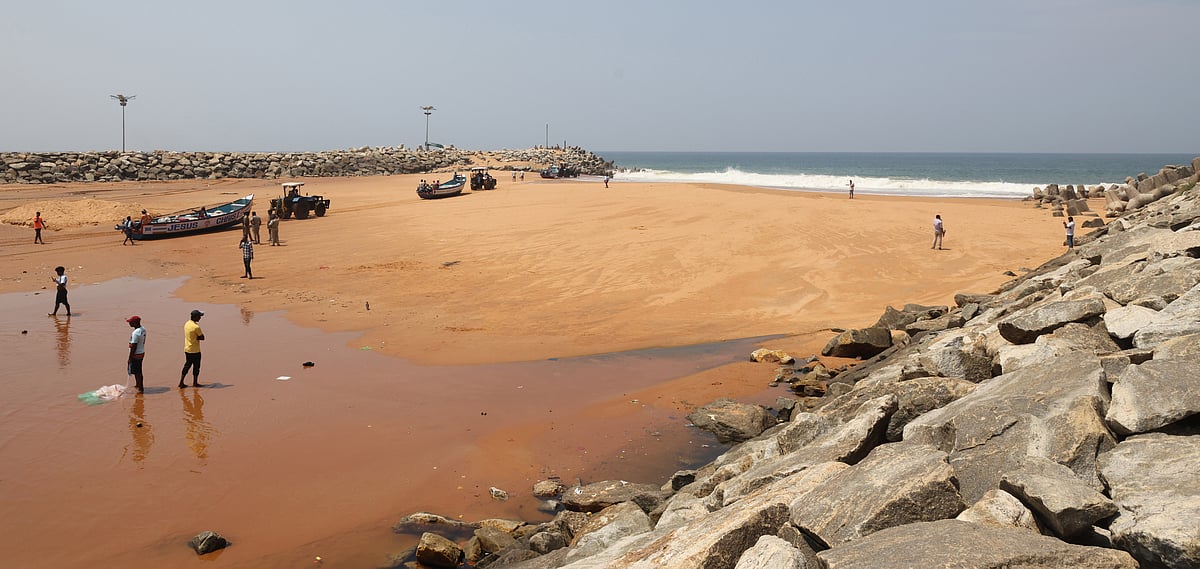
Nor is the coast empty. Kerala’s coastal belt is far more densely populated than the state as a whole, whose average is already high. To describe it as spare land for industry is to ignore the people who live there and to invite displacement, poverty and unrest.
The Fish We Forget
Kerala’s sea yields some four to six lakh tonnes of fish a year, and unlike a port or a warehouse, this resource renews itself if it is properly managed. It supports hundreds of thousands of fishers and allied workers and is the main affordable source of protein for the people of Kerala.
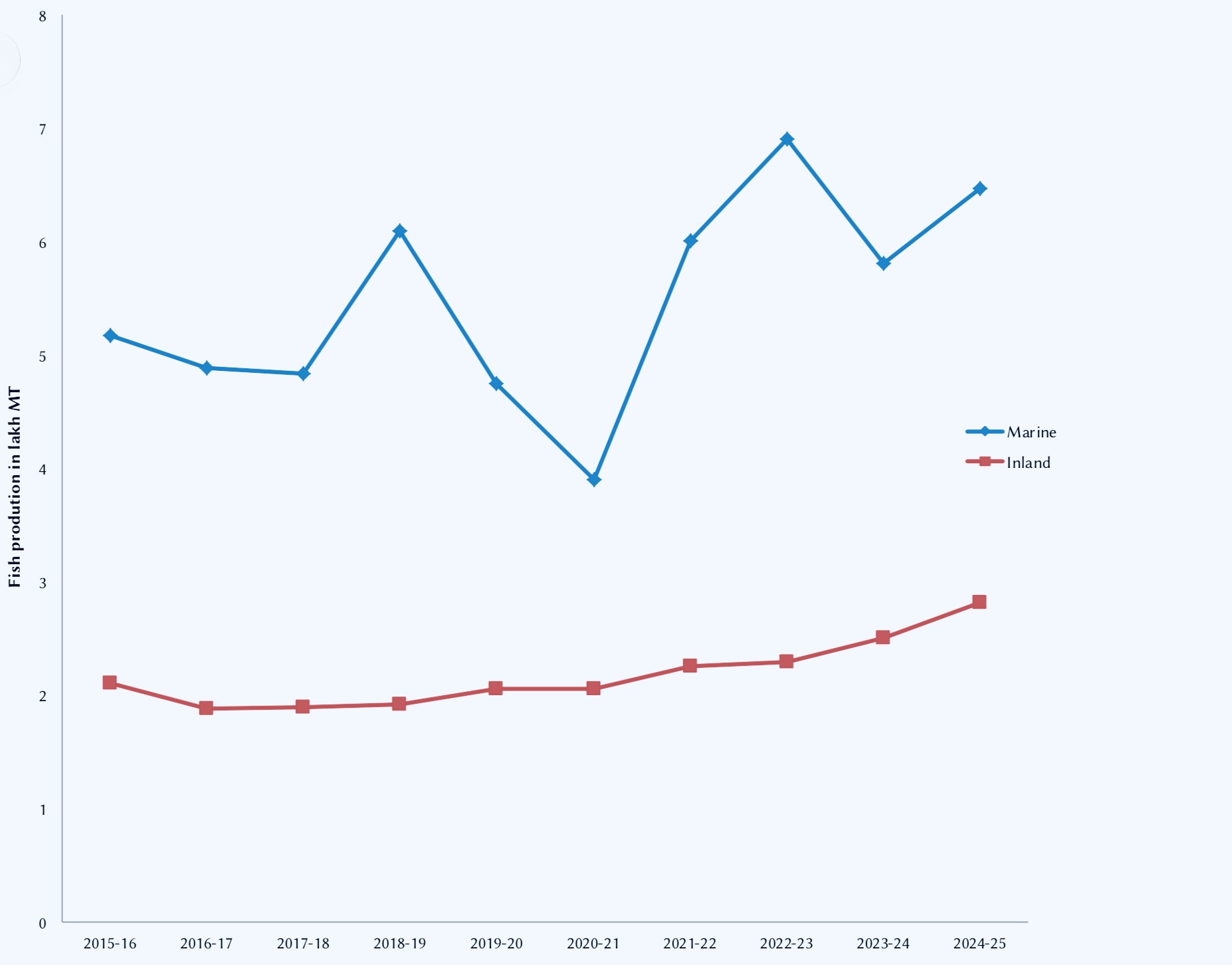
A maritime plan that does not begin by protecting it is a non-starter. Privatised shipping lanes, restricted shore access under the Enforcement Wing, and landing sites handed to private operators all weaken the fishing economy.
A lasting, community-based economy would be traded for a short-term real estate-driven one, and the state’s food security would pay the price.
Reading the Coastal Regulation Rules from the Other End
The Union government’s Coastal Regulation Zone (CRZ) rules override state law, and the Board cannot vote them away. But the Land Bank appears designed to exploit the openings within those rules in three ways.
First, the CRZ rules bar new industry in sensitive coastal zones but make an exception for activities that require waterfront or foreshore facilities, such as ports and jetties. By gathering large tracts into a Maritime Land Bank, the state can label warehouses and commercial projects as “port-related” and escape the prohibition.
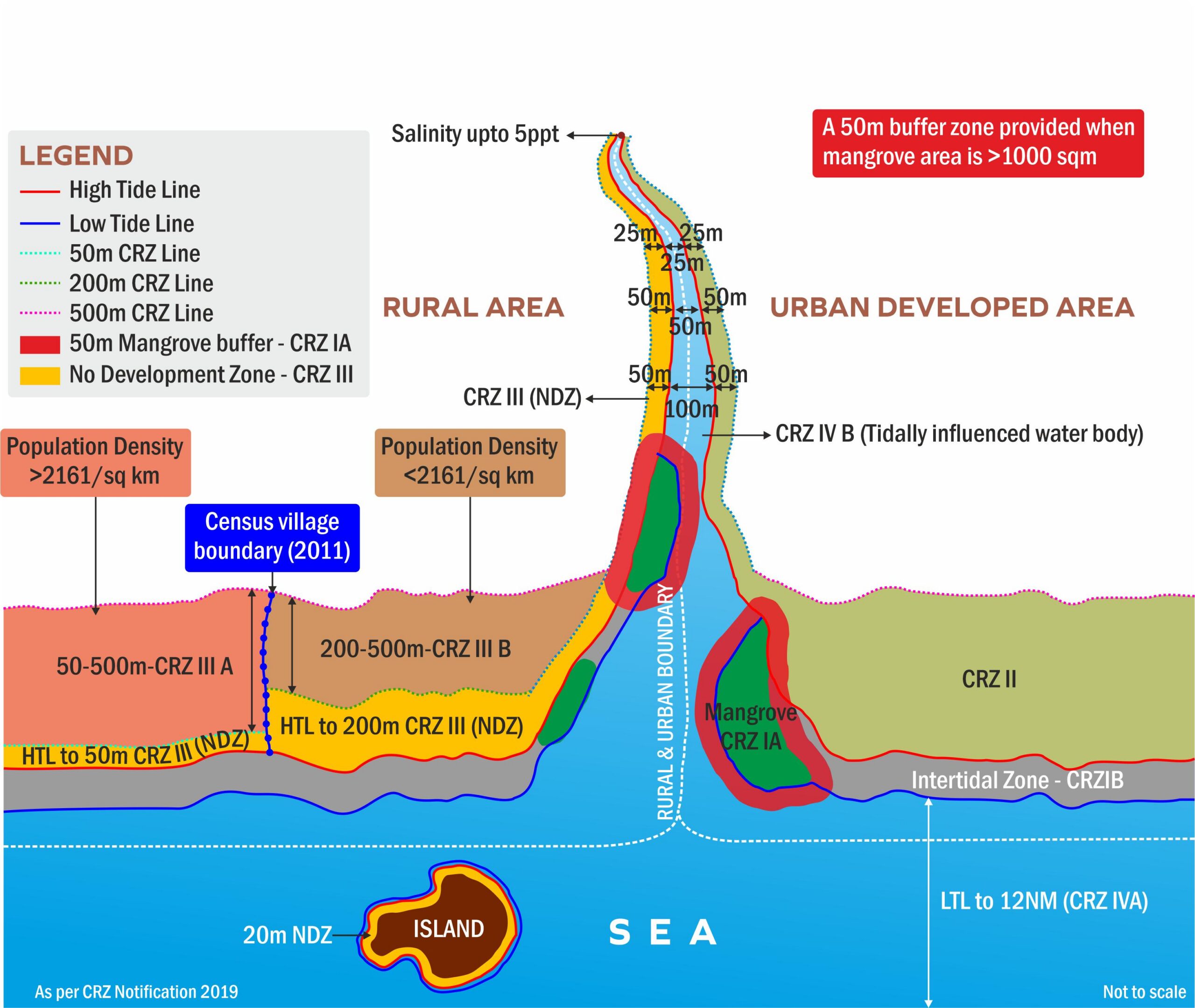
Second, the no-development zone in densely populated rural coastal areas has been reduced from 200 metres to 50 metres from the High Tide Line. The Land Bank can claim these newly freed 150-metre strips for tourism and commercial projects before communities have secured collective rights over them.
Third, states must now map a Hazard Line to guard against sea-level rise. Through the Port Area Development Authorities (Section 103), the state can prepare plans that protect Land Bank assets with seawalls and tetrapods, which already line more than 300 kilometres of our coastline, rather than allowing retreat or community-led conservation.
Was it Really About the Audit?
The government points to the CAG audit. But financial lapses are not unique to this Board. The KSRTC has not submitted annual accounts for a long time**.** More than 105 public institutions have failed to provide accurate financial statements. Between 63 and 66 of the 131 functioning state public sector enterprises regularly record heavy losses. None of these was dissolved.
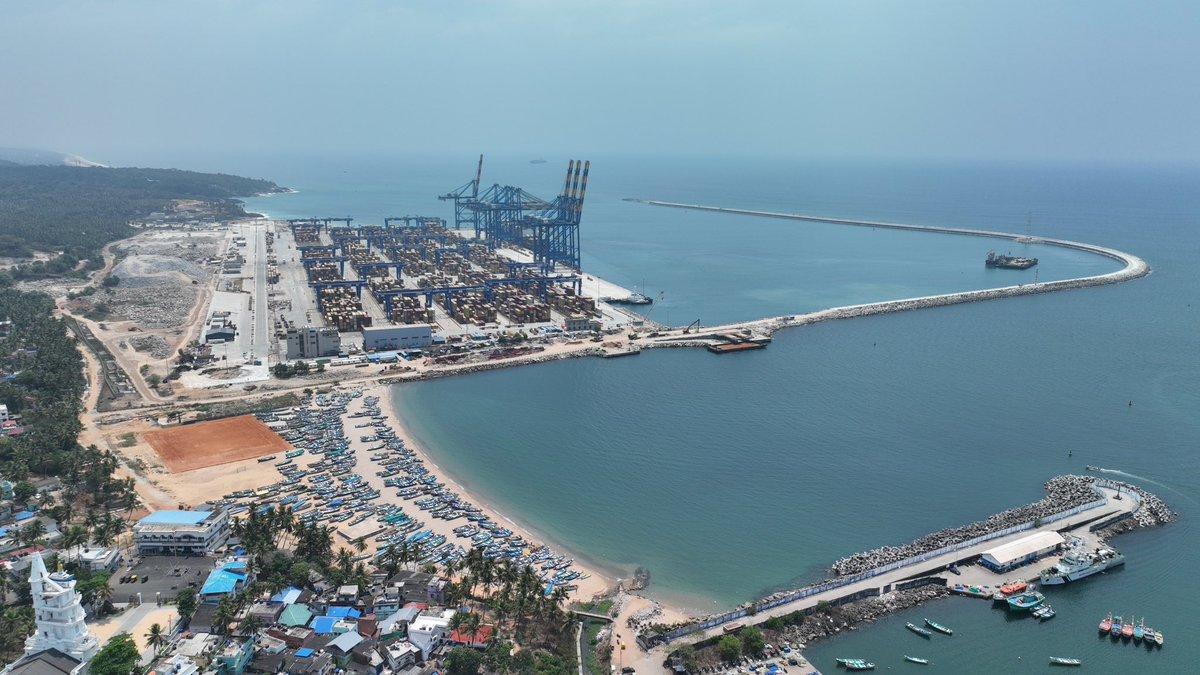
What set the Board apart was the timing. The Vizhinjam International Seaport was beginning operations and Mission Samudra was being launched. The Board itself had told the government that 13 of its 17 minor ports, about 76 per cent, had no infrastructure or activity. Our reading is that a Board which did not fit the new plans was swept aside and replaced with one led by the Chief Minister. The audit argument also makes it harder for panchayats to object without being accused of defending bad governance.
Assurances and Doubts
Introducing the Bill, the Chief Minister assured the Assembly that maritime development would not come at the cost of the environment or coastal communities, and that there would be no large-scale land reclamation or forced eviction of homes. Job reservations for children of coastal communities were also mooted. Fishers’ unions remain unconvinced. They remember Vizhinjam, where communities faced erosion and lost fishing grounds. Their protests are now converging with those against Coastal Highway land acquisition and private sea-mining proposals. Their point is simple: a financial package cannot replace access to the shore. Without the coastal commons, a fishing family loses its way of life and its economic independence, however much money it is offered.

What Should be Done
The following are a few requests to the government:
- Suspend Sections 22A and 103 immediately.
- Let coastal panchayats retain a real veto over land transfers and zoning within their areas.
- Honour the Public Trust Doctrine, with the state acting as trustee of the seashore and coastal waters, not as their owner.
- Give legal recognition to the customary rights of traditional fishing communities, including their collective rights over the coastal commons.
- Require an independent assessment of any maritime project’s impact on the four to six lakh tonnes of renewable fish resources before it proceeds.
- Abandon the Singapore and Seattle comparison in favour of a model grounded in Kerala’s own ecology, population and society.
Kerala needs its ports to work. But the coast is a living place, with a renewable food resource and people whose rights go back generations. Development that begins by treating them as obstacles will end by damaging the very ground it claims to build on.